Is Stavanger Worth Visiting? The Honest Case
Is Stavanger worth visiting? What the city is famous for, how it works as a Preikestolen base, what to do when it rains, and who should honestly skip it.
 By Lars Hansen, Norway Tour Packages Specialist & Experience Guide
Stavanger took 638,751 unique cruise visitors in 2025, second only to Bergen, and most of them were there for a rock ledge they could see from a boat rather than for the city itself. That gap is the whole question. Stavanger is a genuinely pleasant small city that happens to sit at the door of Norway's most famous hike, and travellers keep asking whether the city earns its own days or merely hosts the trailhead. The answer is more favourable than the sceptics say, and narrower than the tourist board would like.
Stavanger works best when you choose between a boat day and a mountain day before filling the city time.
Booking choice: The 3.5-hour Lysefjord cruise is the starting choice for seeing Preikestolen from below. Summit hikes need more time and fitness. Explore Stavanger Silent Lysefjord and Pulpit Rock Cruise by Hybrid Boat
What Is Stavanger Actually Famous For?
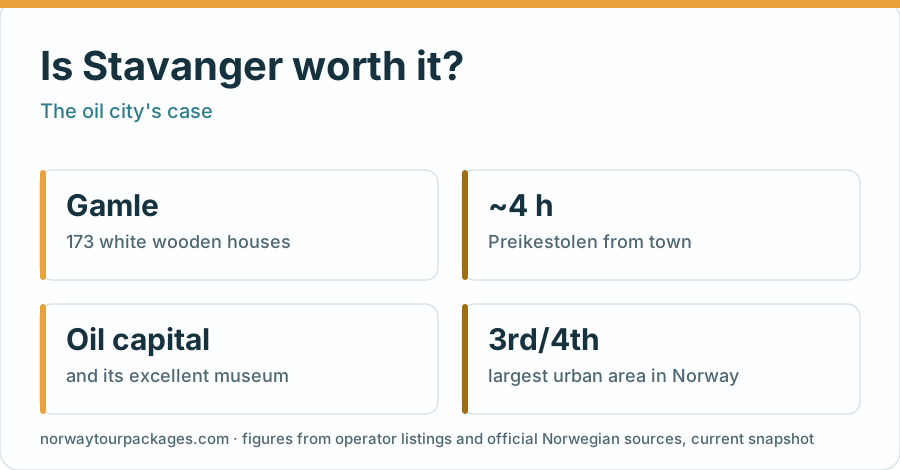
Stavanger is known for three things: being the launch point for the Preikestolen and Kjeragbolten hikes on the Lysefjord, being Norway's oil and energy capital with a museum devoted to it, and having a preserved quarter of white wooden houses that survived the twentieth century intact.
The three do not sit comfortably together, which is part of the appeal. A city built on North Sea petroleum, marketed to hikers, with a cathedral commonly dated to around 1125 at its centre. The Norwegian Petroleum Museum is far better than the subject suggests, and it does not shy away from the contradiction of an oil economy funding one of the world's greener states.
Outside town at Hafrsfjord stand the three bronze swords of Sverd i fjell, driven into rock and unveiled in 1983 to mark the battle traditionally dated to 872 that unified Norway under one king. It takes twenty minutes to visit and is free.
| Famous for | What it actually delivers | Time needed |
|---|---|---|
| Preikestolen access | Road transfer to the trailhead, about 4 h round-trip hike | Full day |
| Kjeragbolten access | Longer, far more exposed hike | Full day |
| Norwegian Petroleum Museum | Strong, honest, hands-on exhibits | 2 hours |
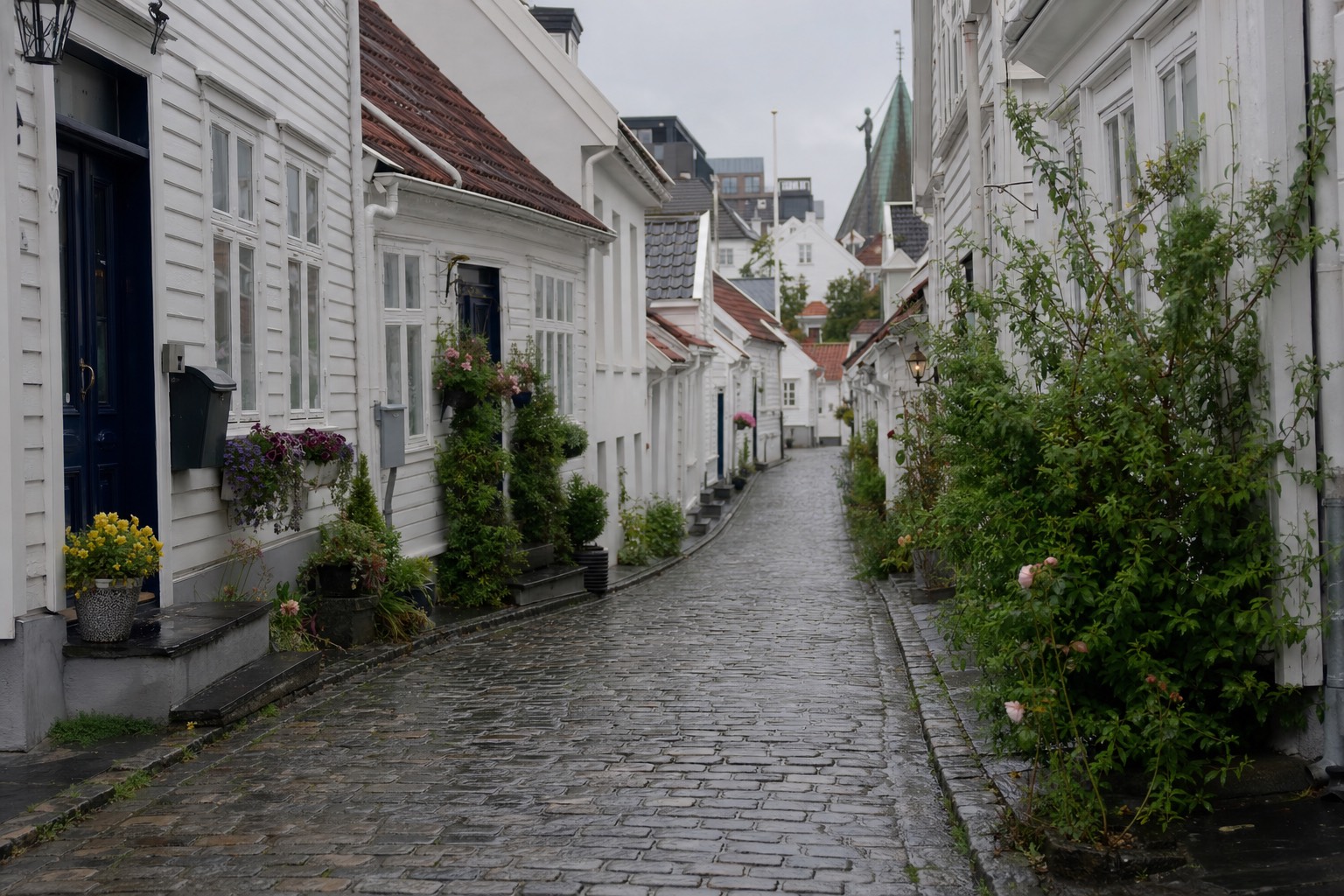
| Gamle Stavanger | Preserved white wooden lanes, quiet | 1 hour |
| Sverd i fjell monument | Three swords in rock at Hafrsfjord | 30 minutes |
| Street art and Nuart | Murals across the centre, since 2001 | Walk it as you go |
Is Stavanger Worth Visiting For More Than Preikestolen?
For one full day, yes. The old town, the petroleum museum, the harbour restaurants and the street art fill a day comfortably and pleasantly. For three days without the hikes, no. Stavanger lacks the scale of set pieces that Bergen or Tromsø hold, and it knows it.
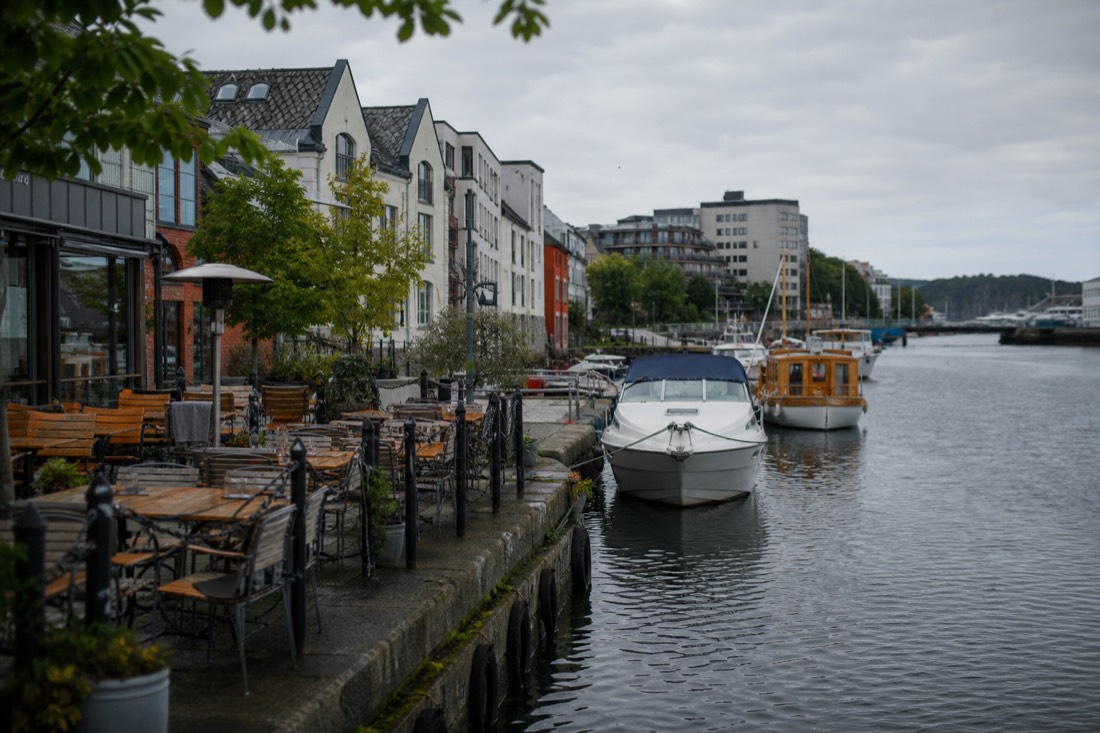
The city's honest strength is proportion. It is small enough to walk end to end, has a food scene that punches above its population thanks to oil money and North Sea supply lines, and it is not overrun outside cruise-ship hours. Mornings in Gamle Stavanger before ten are genuinely quiet, cobbled and empty.
The weakness is that the drama is all outside the city limits. Everything spectacular near Stavanger requires a boat or a bus and most of a day. That is fine if you planned for it and frustrating if you booked three nights expecting the sights to be at your door.
One correction worth making, because brochures blur it: the Lysefjord is stunning but it is not on the UNESCO list. The West Norwegian Fjords inscription covers Geirangerfjord and Nærøyfjord only. Lysefjord's fame is entirely earned by its cliffs rather than by any listing.
How Many Days Do You Need In Stavanger?
Two nights can work with favourable arrival and departure times. Allow three nights for two complete days, one for Preikestolen and one for the city; Kjerag needs another full mountain day.
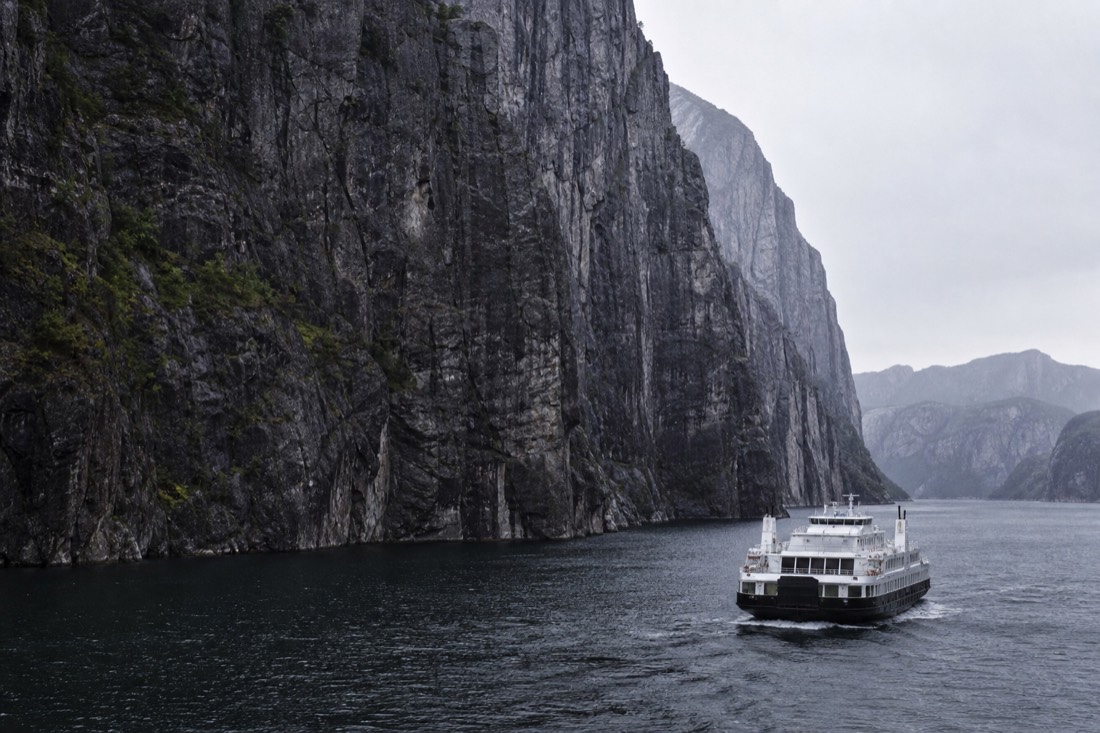
Weather is the argument for the extra night. Preikestolen in cloud gives you a two-hour climb to a white wall, and a spare day turns a wasted trip into a rescheduled one. That buffer matters more here than almost anywhere else in Norway, because the whole reason most people come is a view.
| Nights | What fits | Suits |
|---|---|---|
| 1 | City only, or a rushed Preikestolen day | Cruise passengers, transit stops |
| 2 | Preikestolen plus a full city day | Most visitors |
| 3 | Adds Kjeragbolten or a weather buffer | Hikers, autumn and spring trips |
| 4+ | Lysefjord cruise, Sola beaches, day drives | Slow travellers only |
Preikestolen itself is moderate to difficult, taking about four hours on the trail, plus separate transfers. That is shorter than its reputation suggests, and our honest hiking difficulty guide sets it against Trolltunga and Kjerag so you can judge which ones you actually want.
What Is There To Do In Stavanger When It Rains?
Enough for a full day. The Norwegian Petroleum Museum, the Stavanger Art Museum, the canning museum in the old town and a long lunch cover a wet day without repetition. Western Norway rains often, so a rainy-day plan is not pessimism, it is arithmetic.
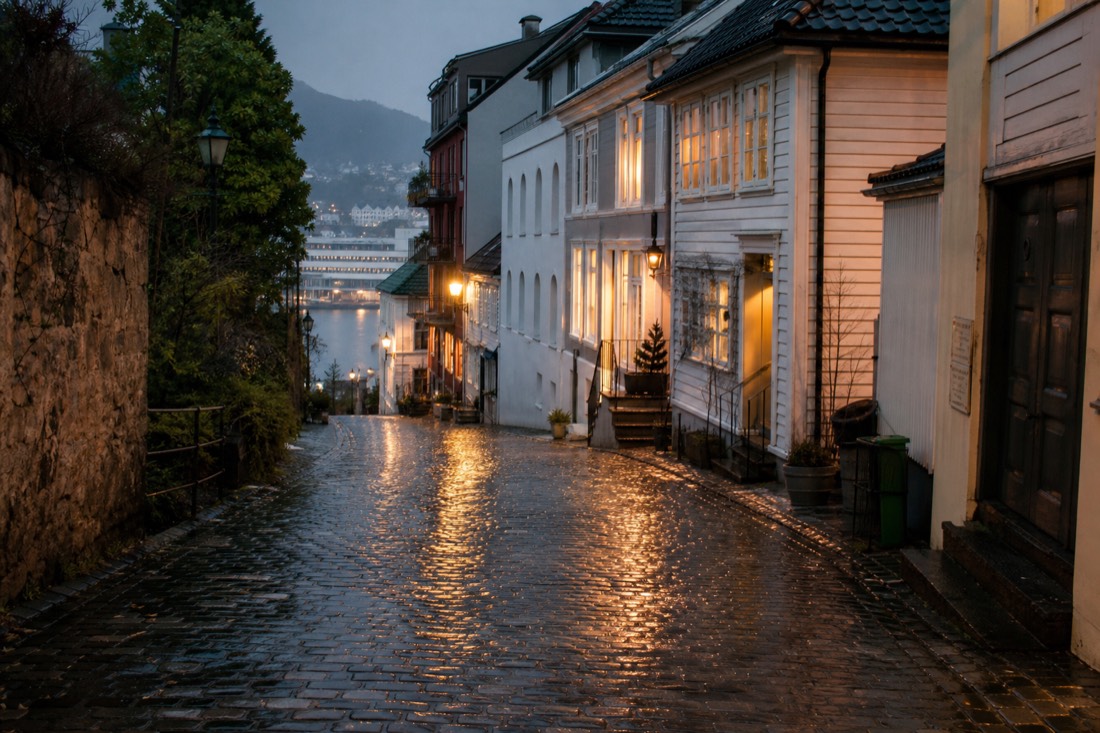
Bergen up the coast sees roughly 200 to 240 rainy days a year with 2,250 to 2,413 mm of precipitation, and this stretch of coast broadly shares that climate. Nobody here treats rain as a reason to cancel a plan, and the local attitude to a wet forecast is a better waterproof rather than a different day.
The canning museum is the surprise. Stavanger's economy ran on sardines long before it ran on oil, and the preserved factory explains the city's shape more clearly than any guided walk. Check yr.no the night before if you are deciding between a hike day and a museum day, since the difference here is usually a matter of hours rather than the whole forecast.
| Wet-day option | Roughly | Why it works |
|---|---|---|
| Norwegian Petroleum Museum | 2 h | Interactive, honest about the industry |
| Norwegian Canning Museum | 1 h | Explains the pre-oil city |
| Stavanger Art Museum | 1-2 h | Quiet, out by the lake |
| Stavanger Cathedral | 30 min | Medieval core, commonly dated to around 1125 |
| Long harbour lunch | 2 h | The city's real strength |
Is Stavanger Or Bergen The Better Fjord Base?
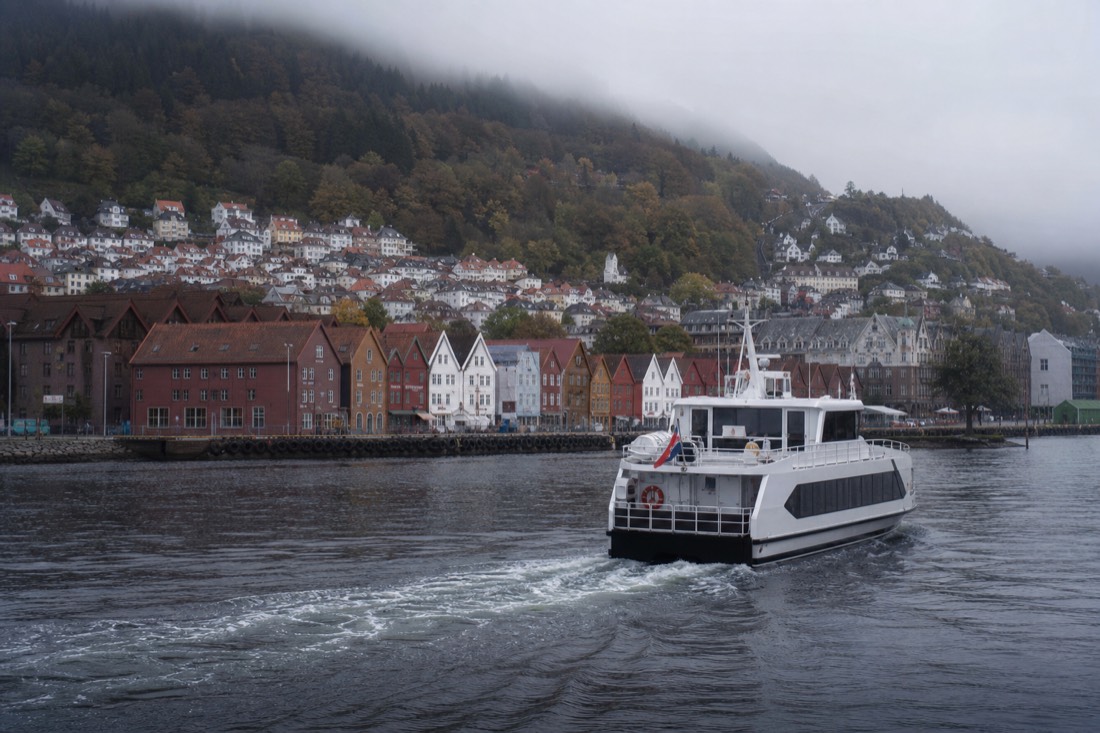
Bergen, for almost everyone. Bergen has more fjord departures, better rail and air links, a UNESCO-listed wharf and a wider day-trip radius. Stavanger wins only if hiking is your priority, because Preikestolen and Kjeragbolten are on its doorstep and a long way from Bergen.
| Factor | Stavanger | Bergen |
|---|---|---|
| Fjord boat departures | Lysefjord focused | Several fjords, year-round |
| Famous hikes within reach | Preikestolen, Kjerag | Few, mostly city hills |
| Rail links | Oslo line, southern route | Bergensbanen, 6.5-7.5 h |
| Old town | White wooden lanes | UNESCO-listed wharf |
| Crowds | Heavy on cruise days | Heavy most summer days |
| Best for | Hikers | First-time visitors |
Plenty of itineraries take both, and that works well: Stavanger for the hiking, Bergen for the fjord days. Our best places to visit in Norway ranking puts them fairly close together for exactly that reason, and Fjord Norway has the current schedules if you plan to link them by water rather than by road. Our own list of bookable fjord sailings covers the Bergen departures in more detail.
How Do You Actually Get To Stavanger?
By air, rail, bus or road. Stavanger has domestic and European flights and a rail connection with southern Norway. For Bergen, compare dated flights and coach services; do not assume there is a direct public coastal boat.
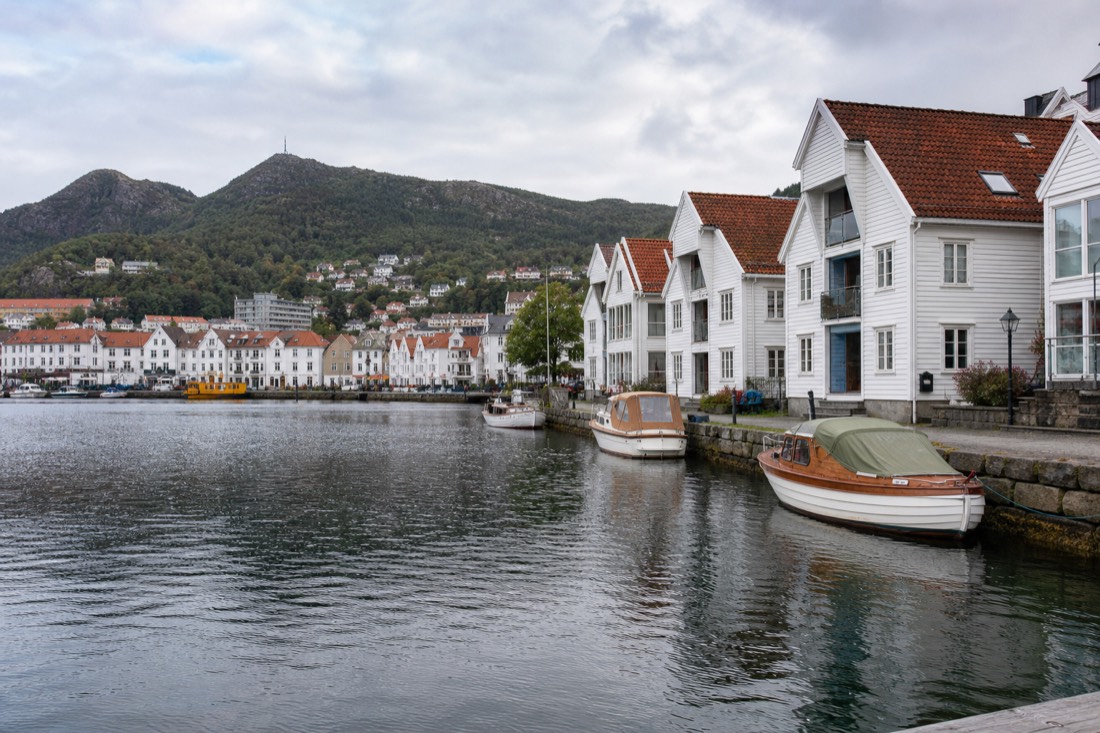
The airport sits close to the city, which removes the long transfer that some Norwegian regional airports involve.
Stavanger's accessibility is better than its reputation suggests and is one of the stronger arguments for including it. It is not a detour off a fjord itinerary so much as an alternative entry point to the same region.
| Route | Practicality |
|---|---|
| Direct flights | Domestic and European connections into Stavanger |
| Rail from Oslo | Long but scenic, crossing the southern interior |
| Coastal ferry or road from Bergen | Straightforward; a common pairing |
| Cruise ship | A frequent port call in summer |
| From Preikestolen | Short transfer; the trailhead is close |
Stavanger also works as an arrival or departure point rather than a mid-trip stop. Flying into one end of the coast and out of the other removes backtracking entirely, and on a fixed-length trip that saved half-day is often the difference between a comfortable itinerary and a rushed one.
The Bergen pairing is the one worth planning around. The two cities sit on the same coast and combining them turns a single-base fjord trip into a two-base one without a long inland transfer.
What Does Stavanger Cost Compared With Bergen And Oslo?
Broadly the same, because Norwegian prices are national rather than local. Where it differs is accommodation, which is driven by the offshore energy industry rather than tourism, so weekday business demand can make midweek rooms pricier than weekends.
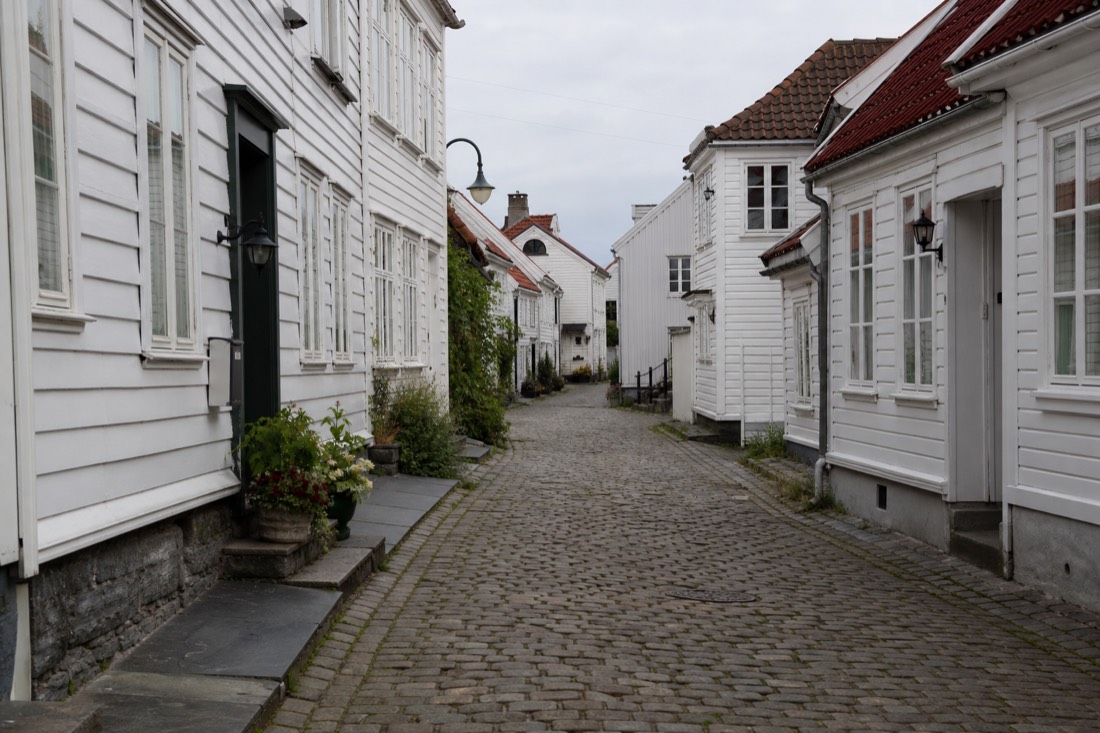
That industry is also why the city has better restaurants and a livelier centre than a town of its size would otherwise support, which is a genuine and underrated argument for staying a night rather than passing through.
Stavanger is unusual among Norwegian tourist towns in having a large non-tourist economy. That changes the rhythm of its hotel pricing in a way visitors do not expect, and it works in your favour if you visit at the weekend.
| Cost | How Stavanger compares |
|---|---|
| Restaurants and bars | Comparable to Bergen and Oslo |
| Hotels midweek | Can be higher; business demand |
| Hotels at weekends | Often better value than Bergen in summer |
| Transport | Comparable; the city is walkable |
| Preikestolen access | Transfer plus optional guiding |
Cruise-ship days are the other thing worth checking, since Stavanger is a frequent summer port call and the old town fills sharply for a few hours when a large ship is in.
If your dates are flexible, weight a Stavanger stay toward the weekend and a Bergen stay toward midweek. That single swap tends to save more than any other decision about either city.
When Is The Best Time To Visit Stavanger?
May to September, and ideally either end of it. The Preikestolen trail is reliably walkable in summer, the Lysefjord boats run, and the shoulder weeks of late May and September give you the same access with noticeably fewer people on the rock.
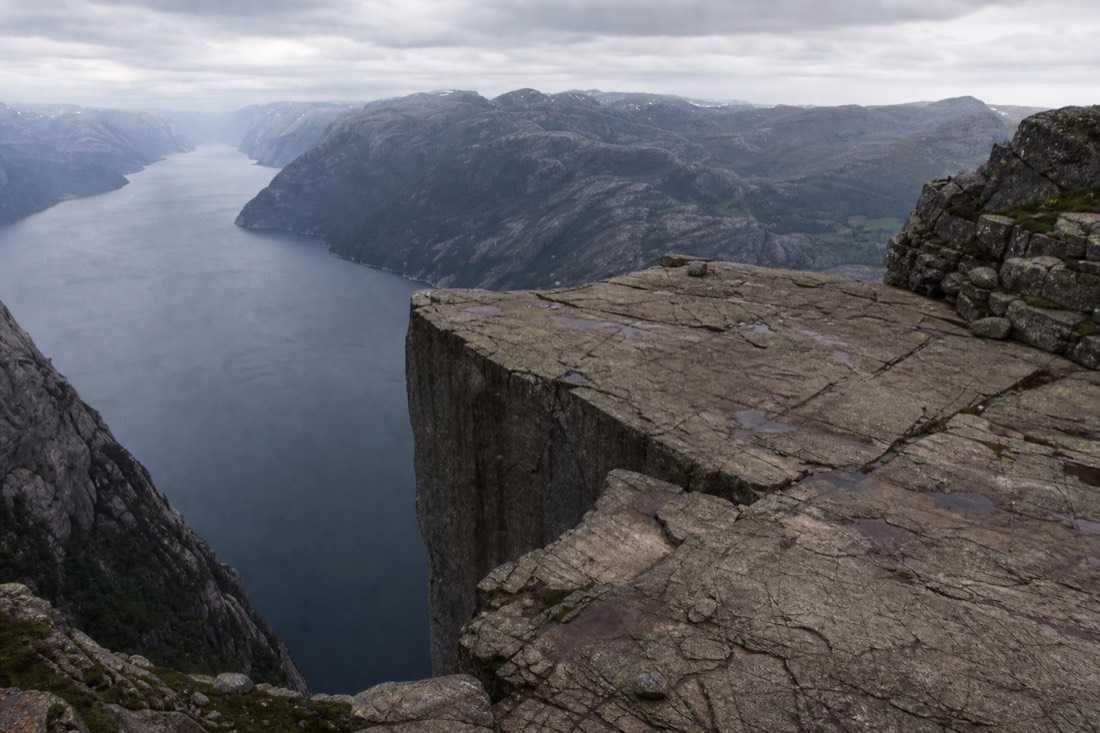
The city itself is pleasant year-round, so the seasonal advice really concerns the hike rather than the destination.
Stavanger's calendar is set by one trail more than by the city itself. Preikestolen defines the season, and the crowding curve on it is steeper than almost anywhere else in the region.
| Period | Preikestolen | The city |
|---|---|---|
| Late May to June | Walkable, long light, quieter | Pleasant, pre-peak |
| July to mid-August | Busy, midday queues on the rock | Peak visitors and cruise calls |
| Late August to September | Walkable, thinning crowds | The sweet spot |
| October to April | Winter conditions; guided trips only | Quiet, wet, cheap |
For the trail itself, an early start matters more than the month. The rock platform is not large, and mid-morning in July puts a queue on it for photographs.
What Is The Lysefjord Actually Like From The Water?
Narrow, steep and largely uninhabited, with Preikestolen visible as a flat shelf 604 metres above you. The boat trip is the alternative to the hike rather than a lesser version of it, and many people find the view upward more impressive than the view down.
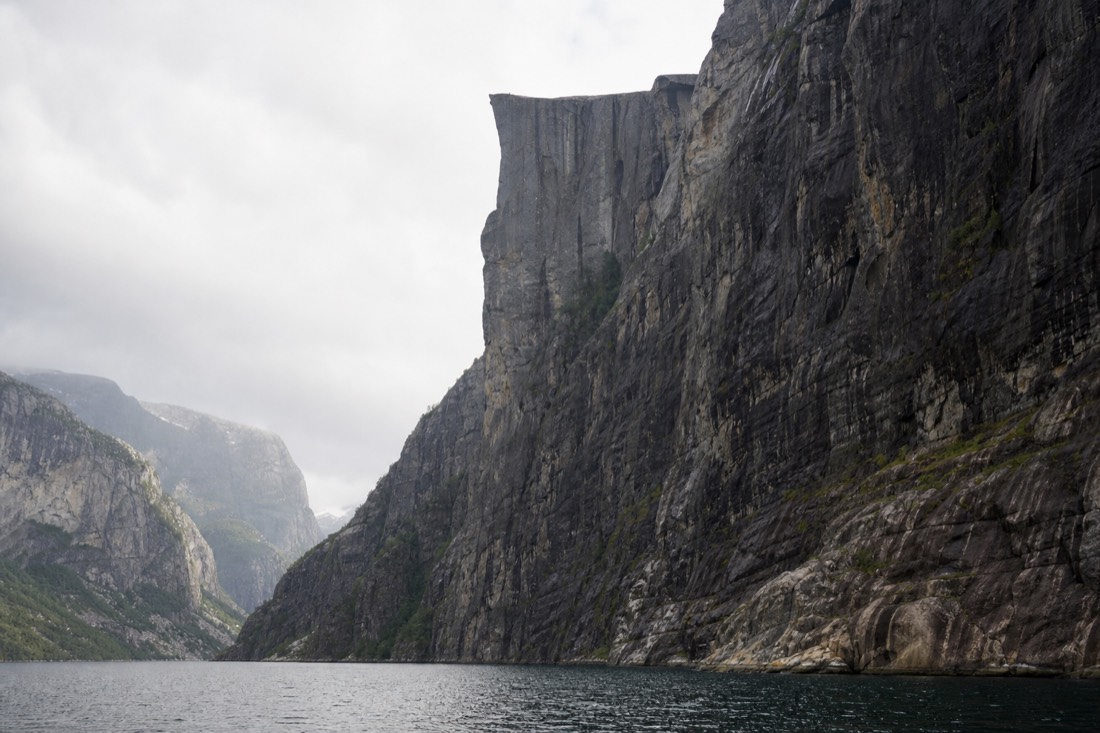
Stavanger's fjord is less famous than Geiranger or Nærøyfjord and considerably less crowded. It is also the only one of the three where the headline attraction is a cliff you can experience from either the top or the bottom.
| From the water | From the top |
|---|---|
| Preikestolen seen in full, with scale | The view out along the fjord |
| No hiking required | 2 to 3 hours of walking on rock |
| Runs in most weather | Needs the season and decent conditions |
| Waterfalls and cliff walls close up | Crowds on the rock platform at midday |
| Confirm boarding and on-board access | Requires reasonable fitness |
Weather is the other argument for allowing two days rather than one. The cliff is frequently in cloud, and a viewpoint that depends entirely on visibility is a poor thing to stake a single afternoon on. With two days you can take whichever one looks clearer and spend the other in the old town and the museums.
Doing both is entirely reasonable if you have two days, and the order matters less than the timing: hike early, cruise later, and you avoid the worst of the traffic in both directions.
For anyone travelling with mixed mobility in the group, this fjord solves a problem that Preikestolen alone creates. Everyone sees the same landmark, from opposite ends, and nobody spends the day waiting at the bottom of a trail.
Does Stavanger Work As A Family Destination?
Better than its oil-town reputation suggests. The old town is compact and walkable, the harbour is central, while the beaches require their own transport plan, and the Lysefjord cruise gives children the cliff scenery without the four-hour hike that rules Preikestolen out for many families.
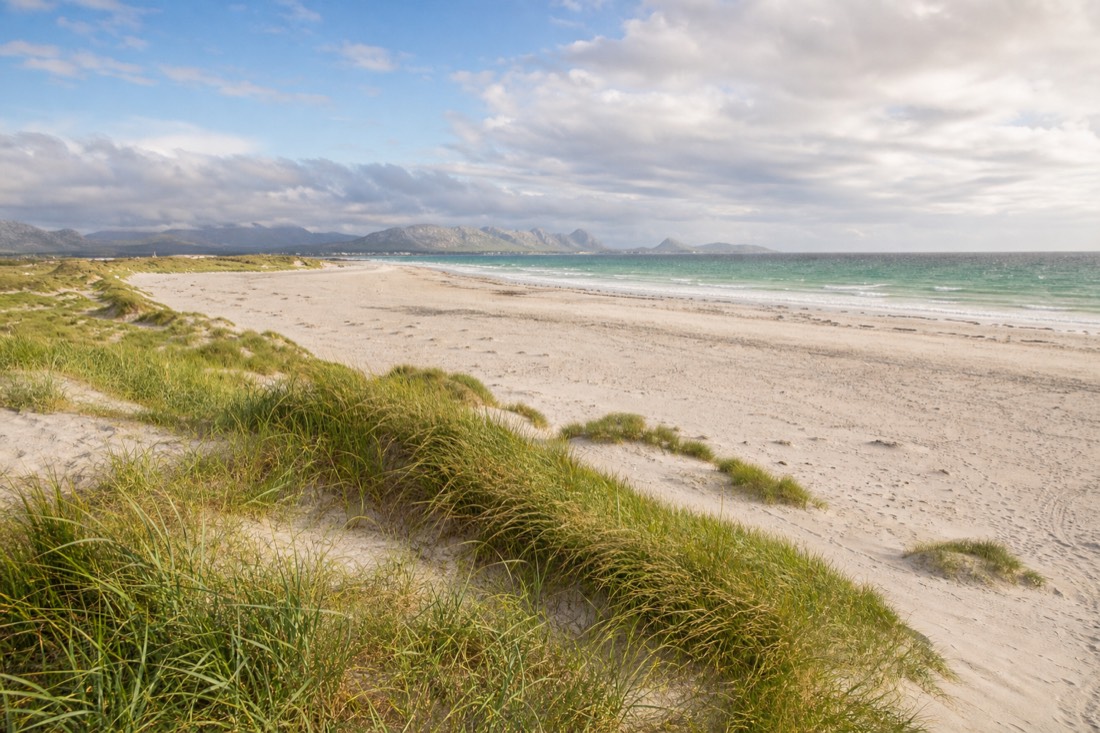
Stavanger's advantage for families is scale. Everything worth seeing sits within a short walk of the harbour, which removes the transport friction that makes larger Norwegian itineraries hard with children.
| With children | Why it works |
|---|---|
| Old town streets | Compact, car-light, walkable |
| Lysefjord cruise | The big landscape without the hike |
| Beaches near the city | Genuinely good in summer |
| Museums | Indoor options for wet days |
| Preikestolen | Only for older, fit children; it is a real hike |
The last row is the honest limit. Preikestolen is 2 to 3 hours of walking on uneven rock with unfenced drops at the top, and it is not a family stroll however many photographs suggest otherwise.
For a Bergen–Stavanger connection, check the actual dated service and route rather than treating a sightseeing cruise as intercity transport.
For families combining Stavanger with Bergen, the two make a comfortable pair on the same coast, and the travel between them is short enough to survive with children in a way that an inland transfer to Geiranger is not.
So Who Should Skip Stavanger?
Skip it if you are not hiking, if you have seven days or fewer, or if your trip is built around aurora season. Winter strips Stavanger of its main draw, since the Preikestolen trail is a guided proposition in snow, and the city alone does not justify the detour.
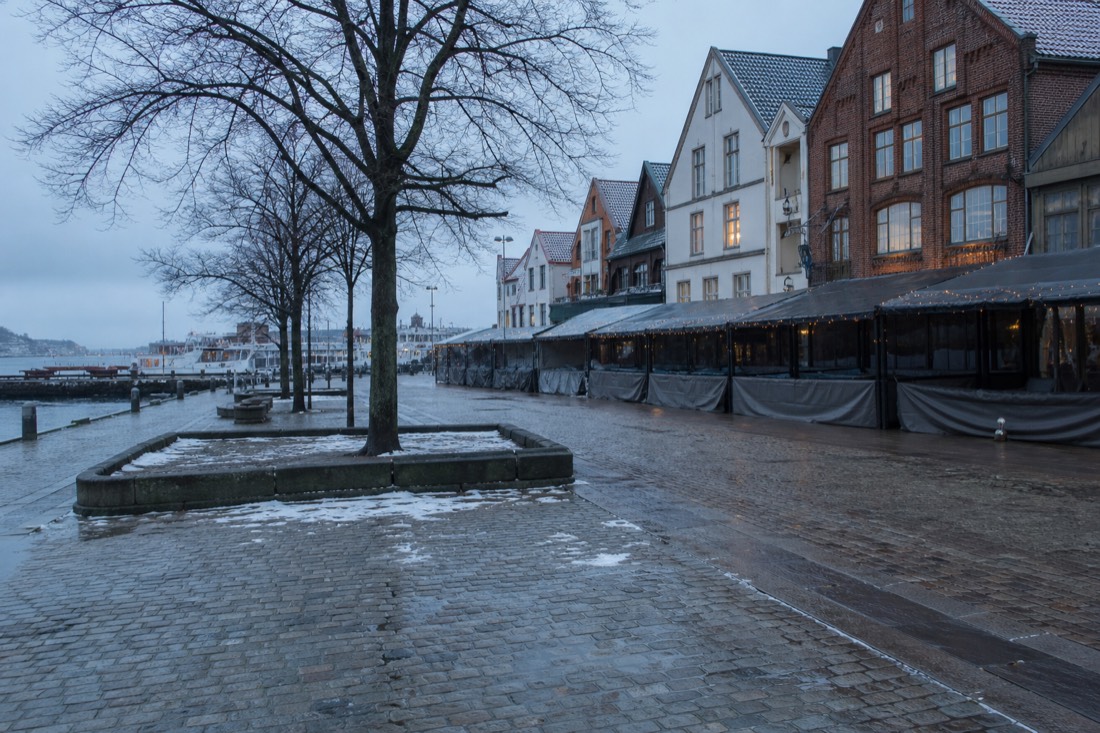
A short first trip to Norway is better spent on the Bergen to Flåm axis and, if you have the days, the Arctic. That is not a knock on Stavanger. It is a recognition that the country's headline landscapes cluster elsewhere, and that a first-timer with a week will get more from Nærøyfjord and the Flåm Railway than from a city whose best asset is a hike they may not have trained for.
Related planning: DIY or guided comparison.
The final verdict is unglamorous and, we think, correct. Stavanger is worth visiting on purpose if you want Preikestolen, worth a day if you happen to be passing, and worth skipping if your Norway is a fjords-and-Arctic trip on a tight calendar. Nothing about the city is disappointing. It is just that Norway's competition for your days is unusually strong, and Stavanger's best argument is standing 604 metres above the Lysefjord rather than anywhere inside the city limits.
Choose Your Norway Experience
Stavanger Silent Lysefjord and Pulpit Rock Cruise by Hybrid Boat. See Preikestolen from below and cruise past Lysefjord waterfalls with an English-speaking guide. Have a date in mind? Check it before arranging the rest of your Norway trip.
3 hours 30 minutes. 3.5 hours from Strandkaien near Stavanger tourist information; arrive 15 minutes early. Lunch is excluded. The cruise does not take you onto the Preikestolen plateau.
Choose a date to see scheduled departures. Final availability and price are confirmed on Viator.
No verified experience fits those requirements. Adjust your choices, or keep the independent plan described above.
Compare Options And Fit Your Plans
General recommendation until you choose. Choose the city where the activity starts, not your arrival airport. Month filters describe the experience’s season, not confirmed departures. Allow travel to the meeting point as well as the listed duration. Confirm your exact option and access needs when booking.
- Guided hike to Pulpit Rock Preikestolen: 9 hours. Walk to Preikestolen with a local guide and transfers from Stavanger. Nine hours including transport. Stavanger hotel or Airbnb pickup is listed. Moderate fitness is required; bring your own lunch, water and hiking gear. A child fare alone does not establish hiking suitability.
- Guided hike to Kjerag and Kjeragbolten: 11 hours. Hike to Kjerag with a guide and round-trip transport from Stavanger. Eleven hours. Moderate to high walking demands; food and drinks are excluded. Stavanger hotel and Airbnb pickup is listed. Standing on the boulder is optional and not a safety guarantee.