The Best Places To Visit In Norway, Ranked Honestly
Seven Norwegian places carry almost every itinerary, and they are not equally worth your days.
 Written with Lars Hansen, Norway Tour Packages Specialist & Experience Guide
Short answer
Bergen gives access to western fjords, Oslo to museums and city life, Tromsø to Arctic activities, and Lofoten to island villages and mountains. Geiranger, Ålesund and Stavanger need their own route planning. Pick a few bases rather than every region.
Bergen took 683,718 unique cruise visitors in 2025. Stavanger took 638,751 and Ålesund 594,510, three cities within a few hundred kilometres of each other, each absorbing more day visitors than they have residents by a wide margin. That is the useful lens for ranking Norwegian destinations. The question is not which places are beautiful, because most of them are. The question is which ones still feel like themselves once you arrive, and which ones repay the travel time it costs to reach them.
Choose your region before adding experiences: these departures begin in different parts of Norway.
Booking choice: For a first western-fjord visit based in Bergen, the full-day Nærøyfjord and Flåm Railway route joins the major sights. Explore Guided tour - Viking Village, Nærøyfjord Cruise and Flåm Railway
Which Places In Norway Are Actually Worth Your Limited Days?
Seven destinations carry almost every itinerary: Bergen, Tromsø, the Lofoten Islands, Geirangerfjord, Oslo, Ålesund and Stavanger. Bergen is the highest-value single base because the best fjord day trips leave from its harbour. Oslo ranks lower than its size suggests, since it is a good city rather than a landscape.
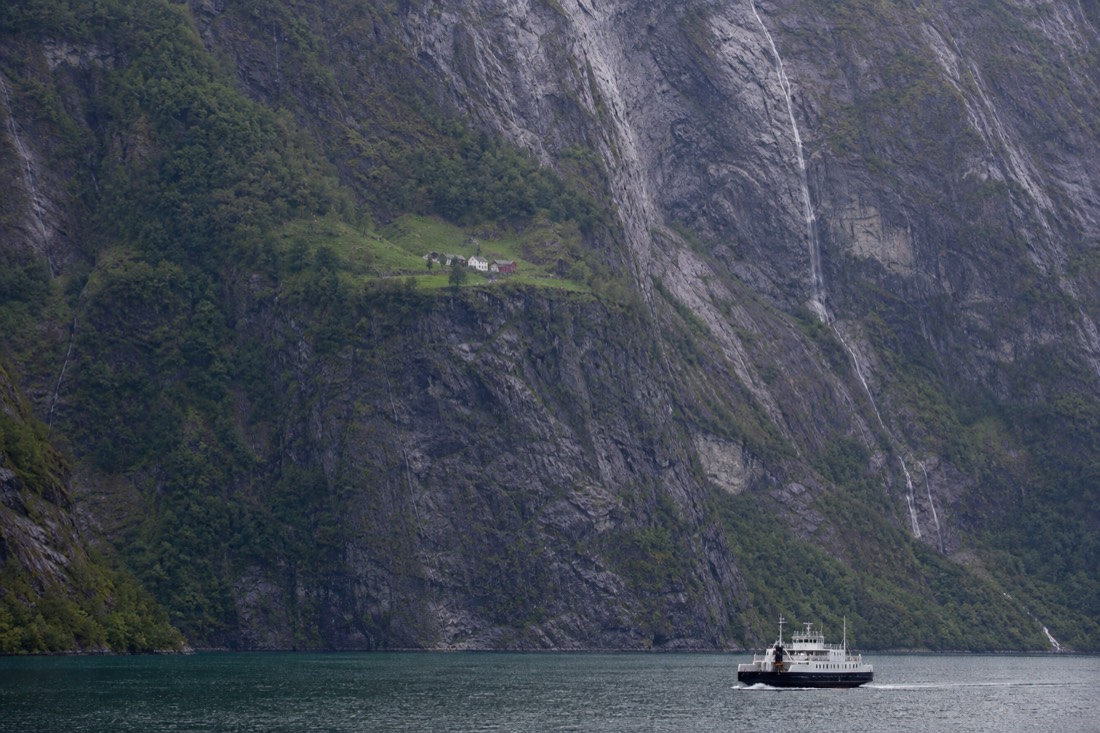
Ranking them honestly means separating fame from payoff. Geirangerfjord is genuinely extraordinary and genuinely crowded in July. Lofoten is the most photographed part of the country and also the most expensive in travel time. Oslo has the best museums and the least drama.
| Rank | Place | Best for | Honest drawback |
|---|---|---|---|
| 1 | Bergen | Fjord access, one-base trips | 200-240 rainy days a year |
| 2 | Tromsø | Aurora, whales, huskies | Limited daylight; winter activities still operate |
| 3 | Lofoten | Landscape density, photography | Long, costly detour from anywhere |
| 4 | Geirangerfjord | The single best fjord view | Short season, heavy cruise traffic |
| 5 | Ålesund | Art nouveau architecture, coastal base | Small; two days is plenty |
| 6 | Oslo | Museums, food, arrival logistics | Least Norwegian-feeling stop |
| 7 | Stavanger | Preikestolen gateway, old town | Sights are outside the city |
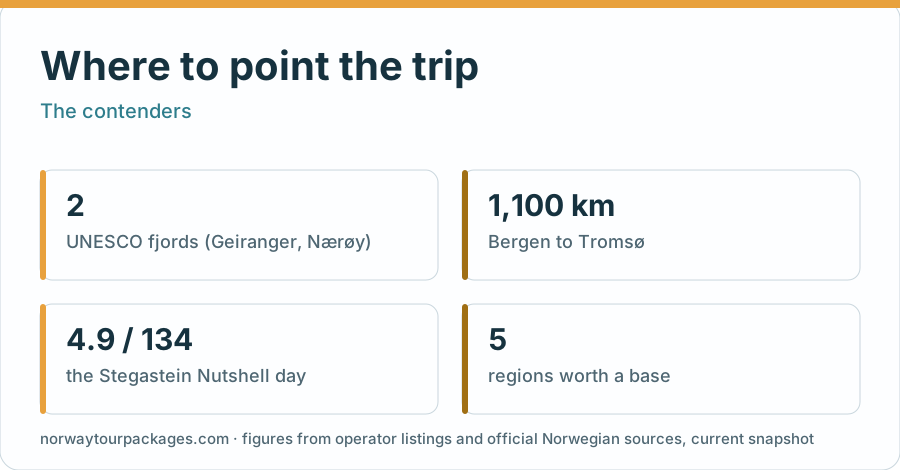
Two of those places sit inside a UNESCO listing. The West Norwegian Fjords inscription of 2005 covers exactly Geirangerfjord and Nærøyfjord and nothing else, which is worth knowing when a brochure implies the whole coast is protected.
What Makes Bergen The Default First Stop?
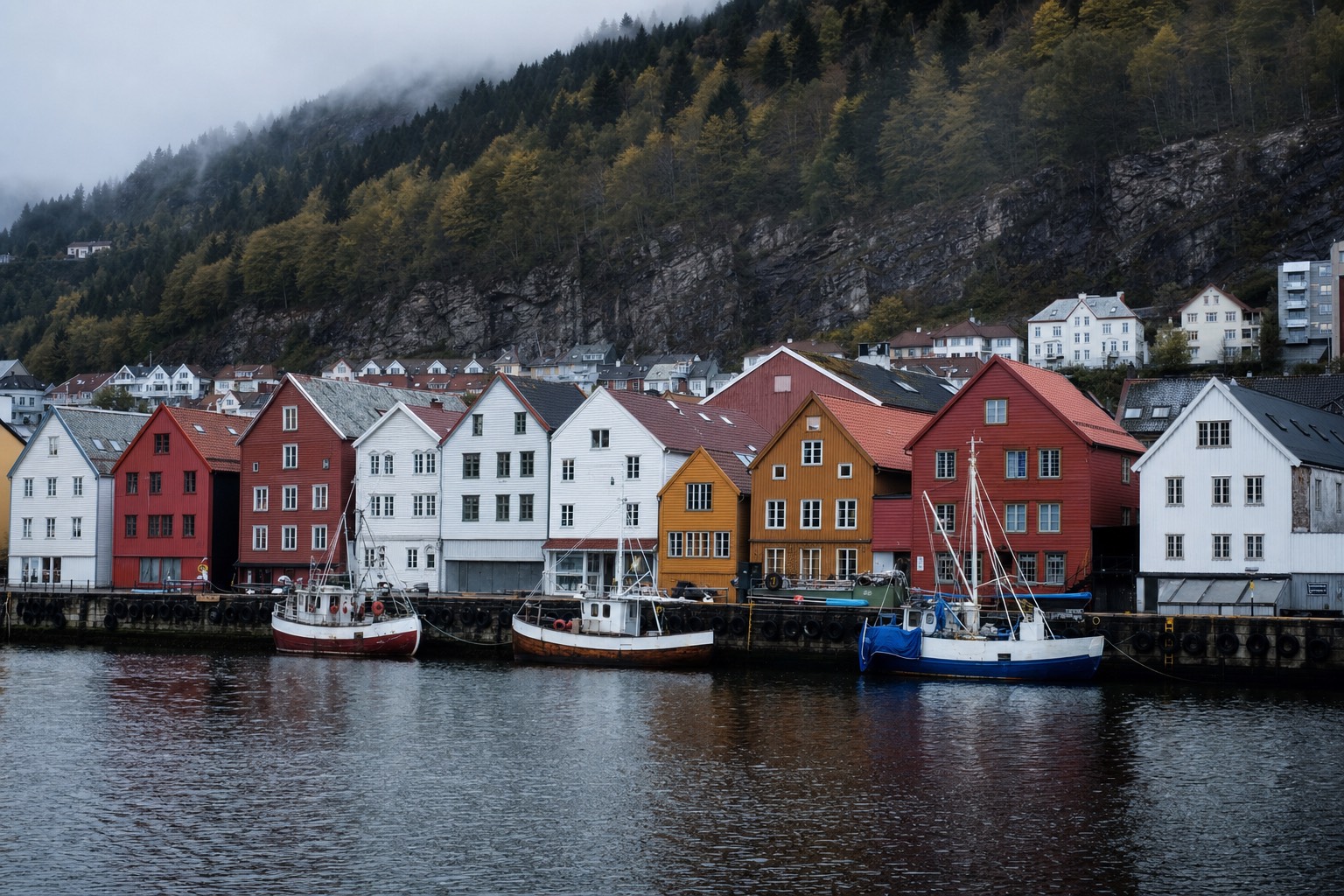
Bergen combines a UNESCO-listed wharf, a compact walkable centre and the country's densest cluster of fjord departures from one harbour. You can base there for four nights and reach Nærøyfjord, Mostraumen, Flåm and Hardanger without changing hotel, which no other Norwegian city allows.
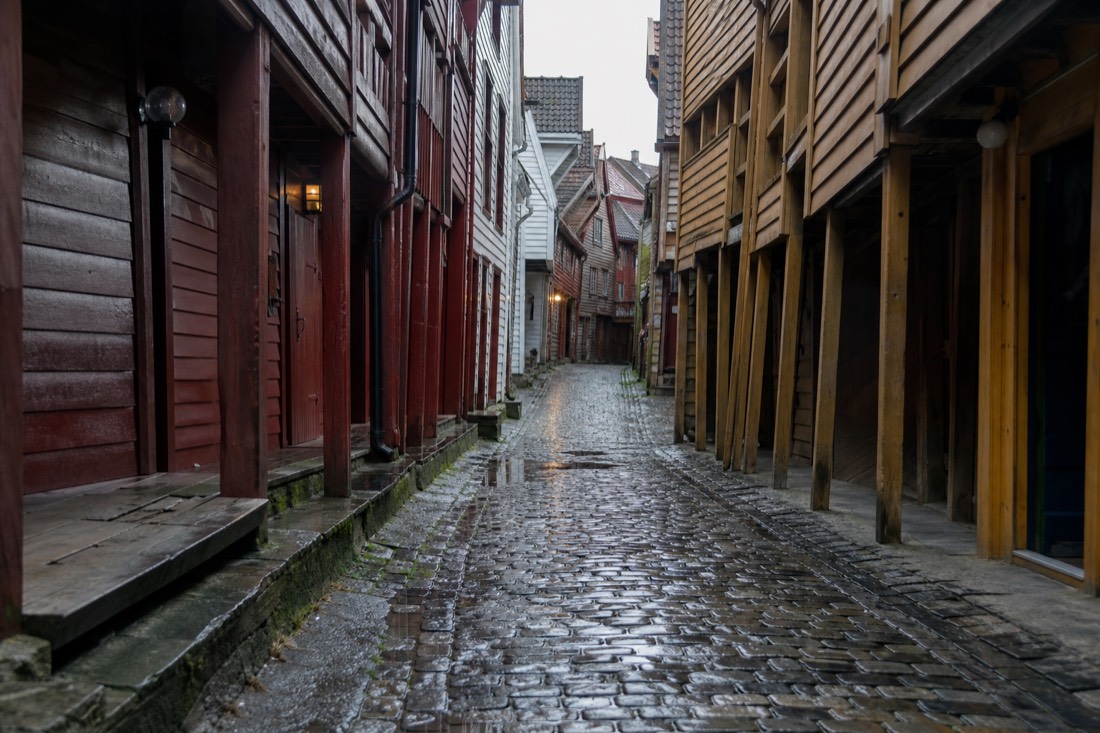
The Bryggen wharf buildings are the postcard, and they are also a working reminder of the Hanseatic trade that made the city. Behind them the alleys are narrow, tilted and mostly free of crowds by mid-afternoon once the cruise passengers have re-boarded.
Rain is the tax. Bergen sees roughly 200 to 240 rainy days a year and between 2,250 and 2,413 mm of precipitation, which locals treat as a personality trait rather than a problem. Plan indoor options and buy a real waterproof rather than a fashion one. The city's own visitor board publishes weather-independent itineraries, and our things to do in Bergen guide sorts them by how badly it is raining.
Where Bergen wins outright is the day-trip radius. The classic long day out combines the Flåm Railway, a Nærøyfjord cruise and the Stegastein viewing platform, which hangs 650 metres above the Aurlandsfjord on a curl of steel and pine. It runs May to September, takes 13 to 14 hours, and is distinct from the 10.5-hour Viking-village route recommended below.
Are The Lofoten Islands Worth The Extra Travel?
Yes, if you give them at least three nights. Lofoten packs granite peaks, white beaches and fishing villages into a chain you can drive in a day, and it now absorbs around a million visitors a year. Fly to Bodø or Evenes rather than attempting it overland from the fjords.
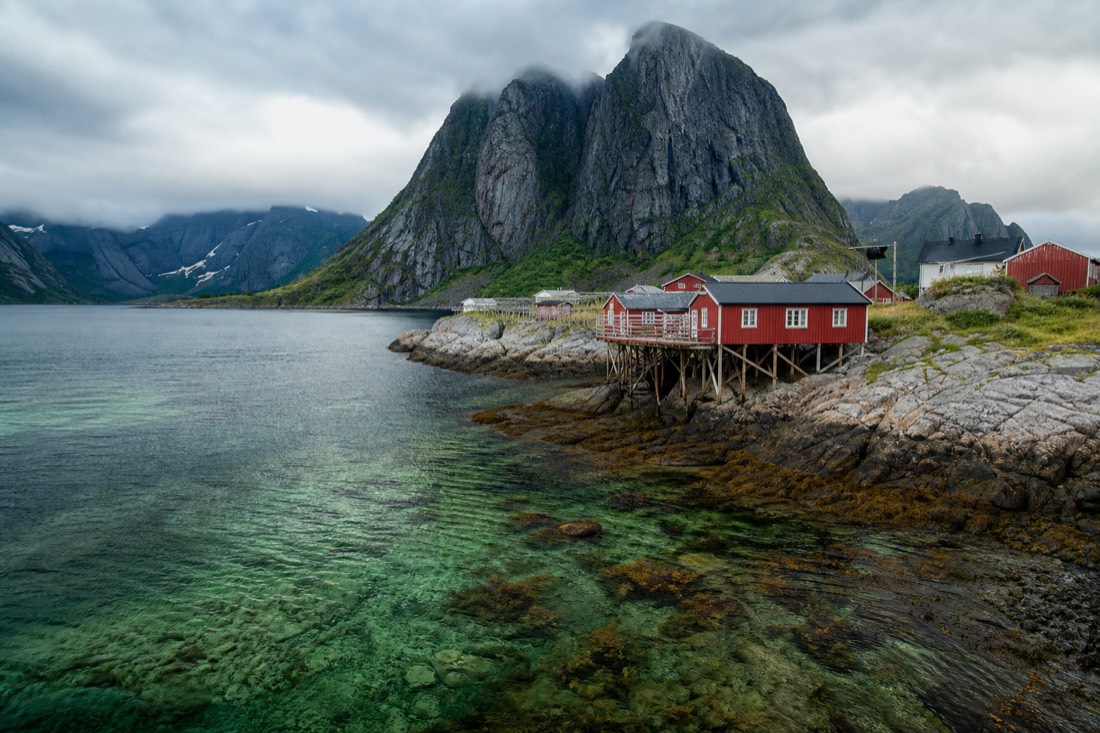
The travel cost is real. Lofoten is not a detour from Bergen, it is a separate leg, and travellers who bolt it onto a fjord week usually spend more time moving than looking. Three nights is the floor, five is better, and the islands work particularly well paired with Tromsø rather than with the south.
What you get in return is density. Nowhere else in Norway puts 1,000-metre peaks that close to the sea, and the light in late summer and early autumn does things to the water that photographs badly undersell. The trade-off is that a chain of villages built for a few thousand fishing families now handles roughly a million annual visitors, and the parking situation in Reine in July reflects that.
| Base | Nights | Suits |
|---|---|---|
| Svolvær | 2-3 | First-timers, sea eagle safaris, ferry links |
| Reine and Hamnøy | 2-4 | Photographers, hikers, the classic views |
| Henningsvær | 1-2 | Cafés, climbing, the football pitch on the rocks |
| Eggum and Unstad | 1-2 | Surf, beaches, quieter northern shore |
Our Lofoten Islands guide breaks down the driving distances, which are longer than the map implies because the road is a single lane in places.
Which Fjord Should You Pick If You Only See One?
Nærøyfjord if you want the narrow, cliff-walled version, Geirangerfjord if you want waterfalls and the postcard bend. Nærøyfjord is easier to reach from Bergen and runs year-round. Geirangerfjord is more dramatic and effectively summer-only, with a 75-minute sightseeing cruise as the standard visit.
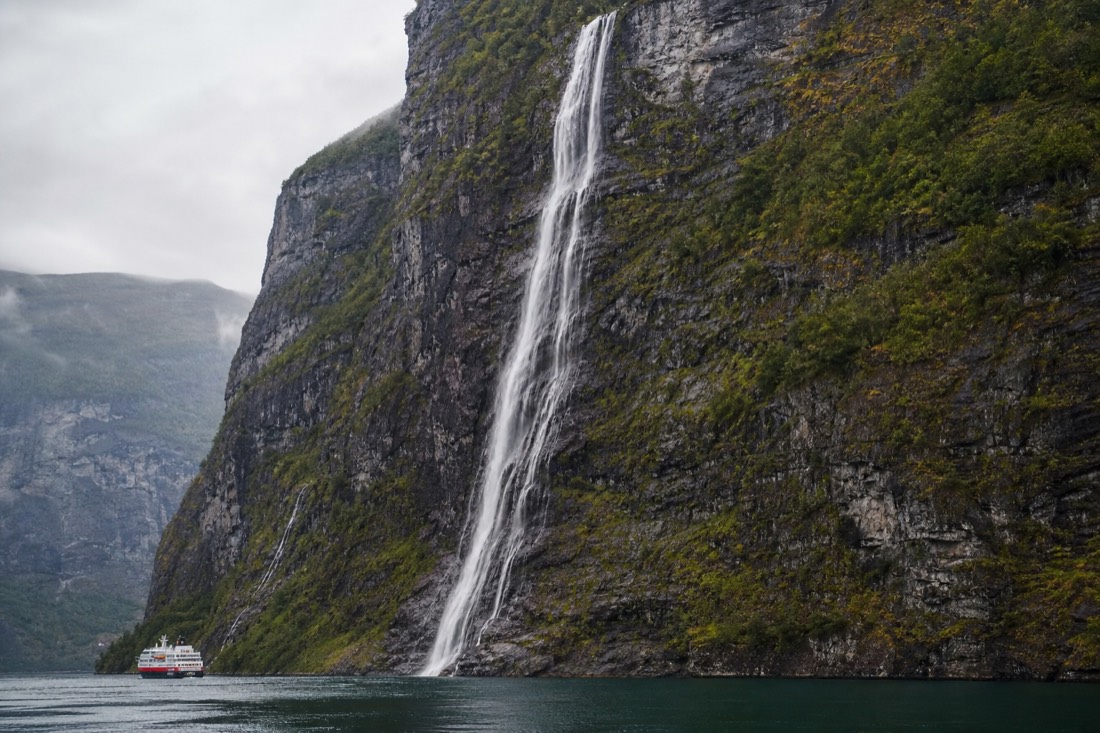
Both are the UNESCO pair, so neither is a downgrade. The practical difference is access and season. Nærøyfjord sits on the Bergen to Flåm axis and is served by scheduled express boats through the winter. Geiranger sits further north, is reached via Ålesund or the mountain roads, and its cruise season is short.
| Fjord | Season | Typical cruise | Reach it from |
|---|---|---|---|
| Nærøyfjord | Year-round | 2 h express boat | Bergen, Flåm |
| Geirangerfjord | Summer | 75 min sightseeing | Ålesund, Geiranger |
| Aurlandsfjord | Year-round | Stegastein by road | Flåm |
| Osterfjord to Mostraumen | Year-round | 3.5 h | Bergen harbour |
If you are choosing between them on looks alone, our prettiest fjord in Norway piece argues the case both ways. For the mechanics of getting to either, Fjord Norway keeps the current boat and road status.
Where Should You Go For The Arctic Half Of A Trip?
Tromsø, unless you have a week to spare. It has the flight connections, the operator density and the hotel stock that Alta, Bodø and Kirkenes lack, and many activities depart from the city, but pickup is product-specific and often a central meeting point.
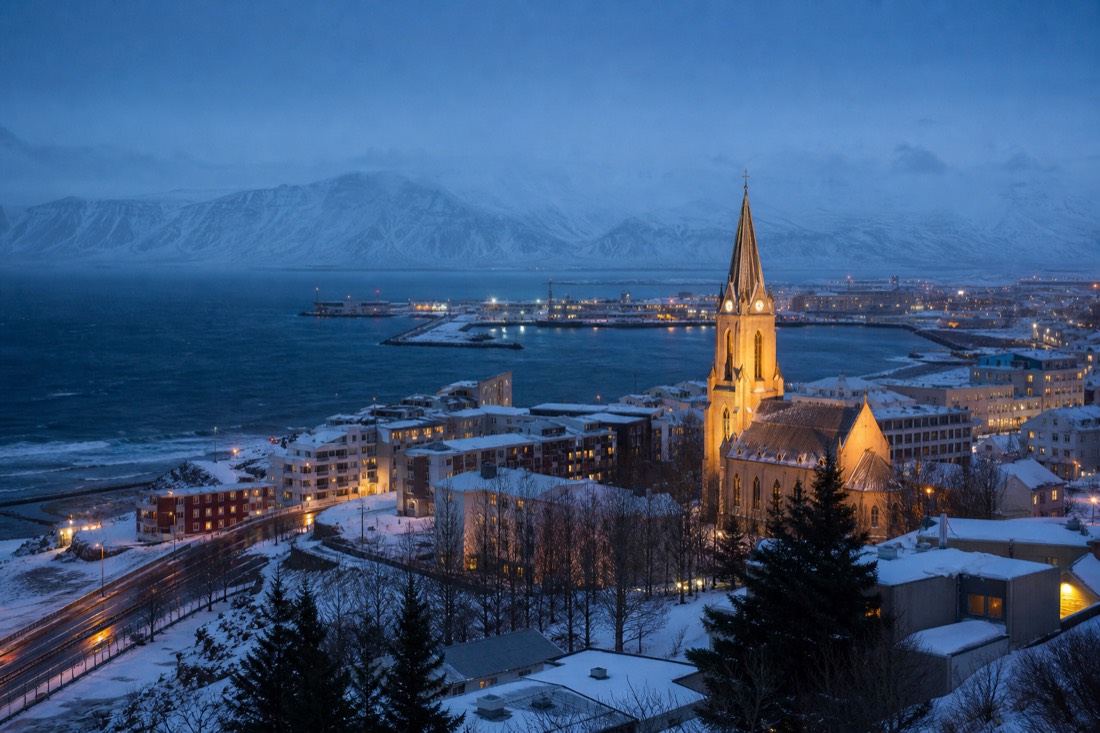
Tromsø's advantage is infrastructure rather than scenery. Plenty of Arctic Norway is prettier, but nowhere else lets you land at lunchtime and be on a chase bus by seven, which is why almost every aurora chase we track departs from here. Aurora season runs late September to late March or early April, with March, April, September and October statistically strongest. Whale season on the Tromsø and Skjervøy grounds is narrower, from mid or late October to the end of January, peaking November through January.
The polar night itself is the misunderstood part. Between roughly 27 November and 15 January the sun stays down, and the surrounding mountains extend that to about 21 November through 21 January. It is not black. It is a long blue twilight that photographers travel for deliberately.
Svalbard sits further out still, and it is a different trip rather than an extension. Visit Svalbard covers the practicalities, and our Svalbard tours guide explains when the flight north is justified.
How Should You Choose Between The Fjords, The Arctic And The Cities?
Pick by season first and interest second. The fjords are the safe answer from May to September, the Arctic is the reason to come between late September and March, and the cities are what you add around either rather than the trip itself.
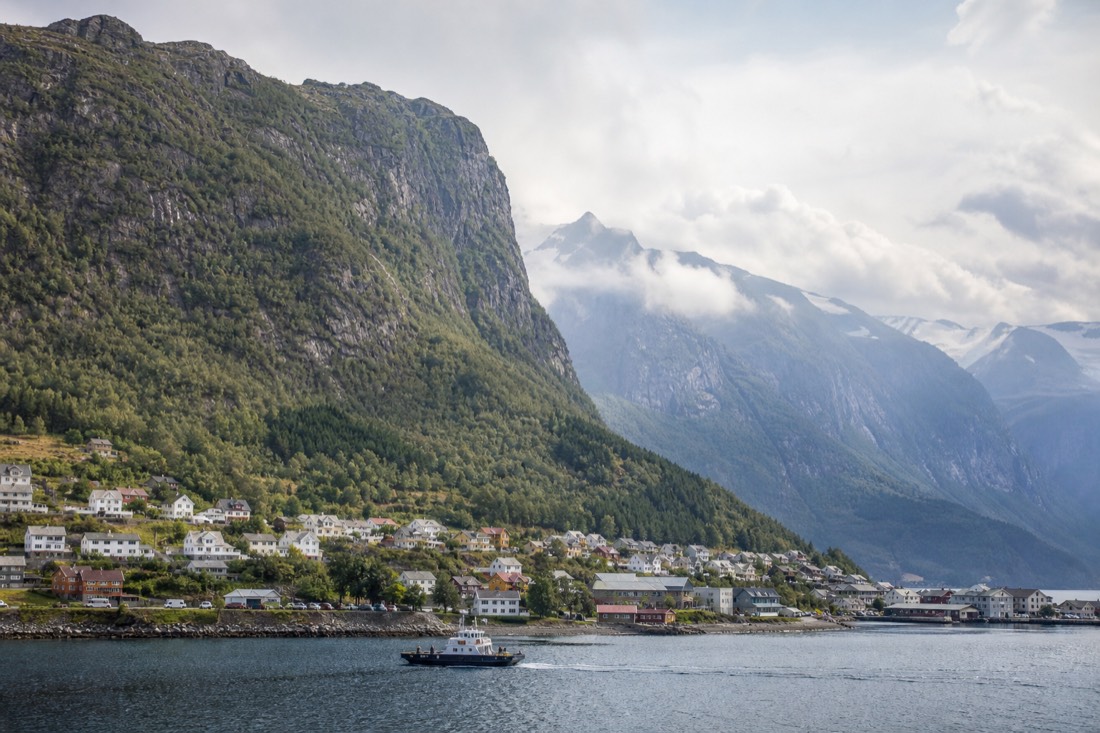
Norway's famous places do not compete evenly, because half of them are effectively closed or transformed by the calendar. Choosing a region before choosing a month is the most common planning error, and it produces trips where people fly north in June hoping for aurora.
| Region | Peak window | What it delivers | Weak season |
|---|---|---|---|
| Western fjords | May to September | Cruises, railways, waterfalls, scenic roads | Mountain roads shut in winter |
| The Arctic (Tromsø, Senja) | Late Sep to March | Aurora, whales, huskies, polar night | No aurora under the midnight sun |
| Lofoten | Summer for hiking, winter for aurora | Beaches, villages, peaks | Shoulder weather is unsettled |
| Oslo and Bergen | Year-round | Museums, food, harbour, easy logistics | Never actually bad |
| Svalbard | Varies by activity | True high Arctic | Expensive and remote in any season |
Worth adding: the regions are not equally forgiving of a bad forecast. A wet week in the fjords still delivers, because cruises sail and waterfalls run harder in rain. A cloudy week in the Arctic can take the aurora away entirely and leave you with short dark days and not much else. That asymmetry should push more of your buffer nights north than the map suggests.
One more filter is worth applying before a place earns a night: how much of it you can actually reach in your window. Several of Norway's most photographed locations sit at the end of a seasonal road or a demanding walk, and a destination you cannot physically get to is not really on the list. Check road status and trail season first, not after booking.
The bottom two rows are the reliable ones. Cities work whenever you arrive, which makes them the right shock absorber around a weather-dependent centrepiece rather than the centrepiece themselves.
Which Famous Places Underdeliver, And What Beats Them?
The most photographed spots are not always the best experiences. Preikestolen is crowded at midday, Geiranger fills when cruise ships dock, and Flåm can feel like a transit hub. Alternatives vary in distance; compare the route before substituting one destination for another.
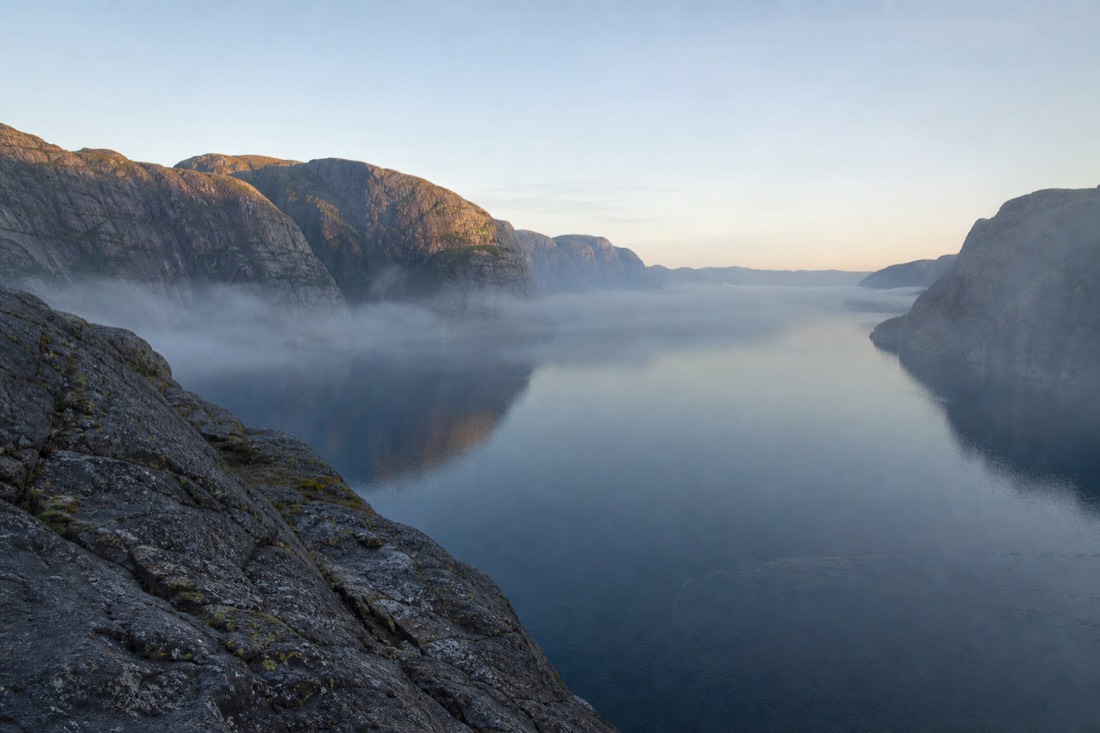
This is not an argument against the famous places, most of which earn their reputation. It is an argument about timing and substitution, because the difference between a viewpoint at 08:00 and the same viewpoint at 13:00 is the difference between two entirely different memories.
| The famous option | The problem | The alternative |
|---|---|---|
| Preikestolen at midday | Queues on the rock itself | Start at first light, or cruise the Lysefjord below |
| Geiranger on a cruise-ship day | The village fills completely | Check the cruise schedule, or visit Nærøyfjord |
| Flåm in peak season | Feels like a station, not a village | Stay overnight after the day crowds leave |
| Reine in July | Parking and viewpoints crowded | Nusfjord or Henningsvær, both quieter |
| Bryggen at midday | Tour groups shoulder to shoulder | Early morning, when the light is better anyway |
Weather resilience varies by region too, and it should influence the order you visit in.
Access is the other filter people skip. Several of Norway's most photographed places sit at the end of a seasonal road or a demanding walk, and a destination you cannot physically reach in your travel window is not really on the list. Check the road status and the trail season before a place earns a night in the itinerary, not after.
One practical trick works everywhere on this list: cruise ships and coach tours run to timetables, and those timetables are public. An hour's offset in either direction changes the experience more than any amount of choosing a different destination.
How Many Of These Places Fit In One Trip, Honestly?
Two regions on a week, three on ten days or more. Each region change costs most of a day, so a seven-day trip that visits the fjords, Lofoten and Tromsø spends roughly half its time in transit and none of it anywhere properly.
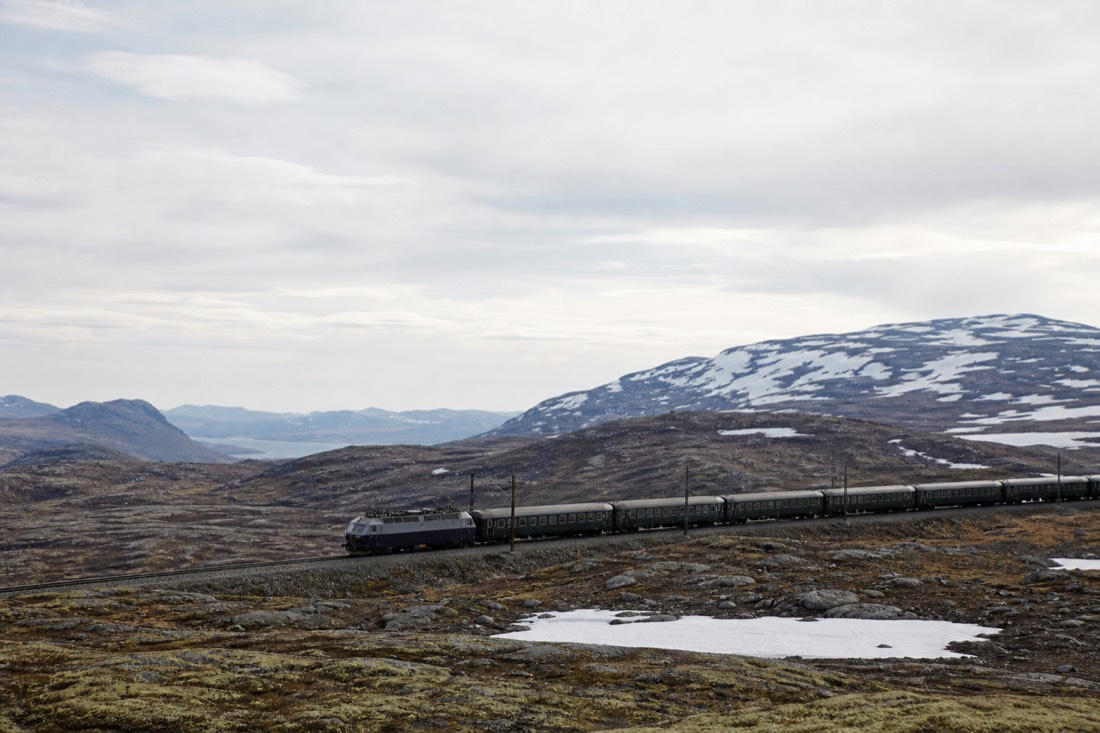
The arithmetic is unforgiving and worth confronting early. Norway is long: the distance from Oslo to Tromsø is comparable to Oslo to Rome, and the scenic transport that makes the country wonderful is also slow by design.
| Trip length | Regions that fit | Suggested shape |
|---|---|---|
| 5 days | One | Bergen and one fjord day |
| 7 days | Two | Oslo, the Bergen Line, the fjords |
| 10 days | Two, comfortably, or three at pace | Fjords plus one Arctic base |
| 14 days | Three | Fjords, Lofoten and Tromsø, unhurried |
If a place did not make your list this time, that is a sign the plan is working. Our guide on how many days Norway needs works through the same arithmetic in more detail.
What Does Lars Think Most Visitors Get Wrong About Choosing Destinations?
They pick places from photographs and then discover the photographs were taken in a season they are not travelling in. Half the images that sell Norway are midnight-sun summer or deep-winter aurora, and the two cannot be had on the same trip.
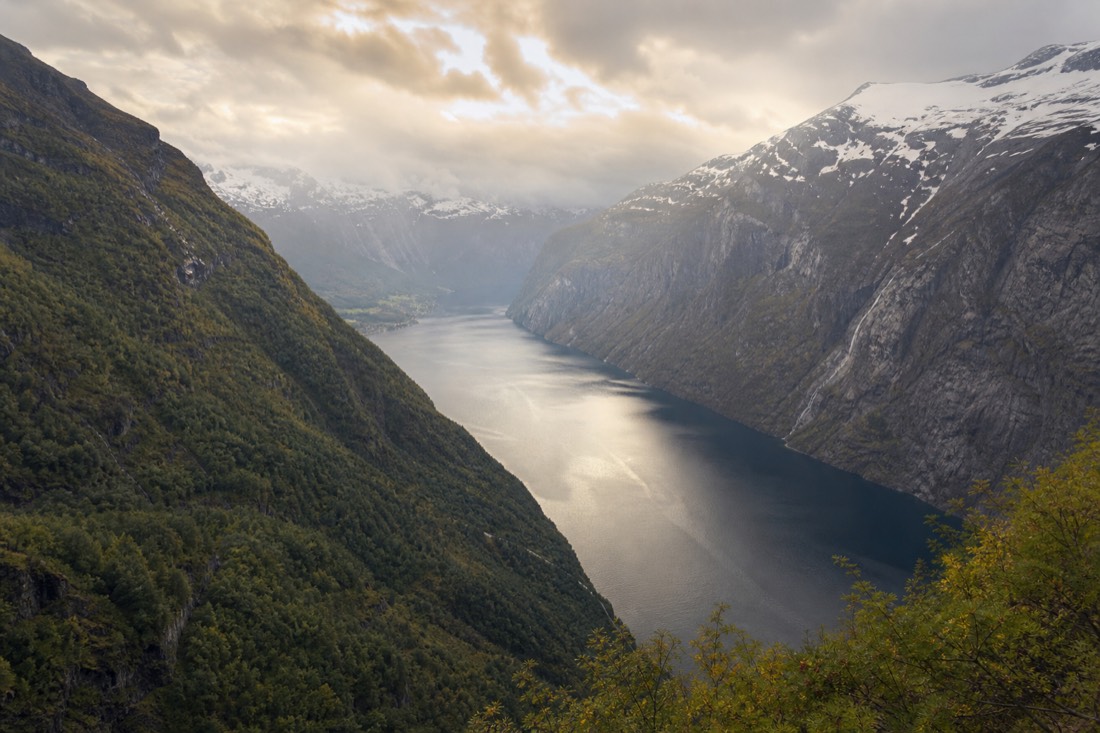
Lars Hansen has been planning Norwegian itineraries since 2015, and the single most common correction he makes is not about routing, it is about expectations formed by images. A saved photograph carries no date, so people arrive in July expecting a green fjord and northern lights in the same week, or in January expecting to hike Trolltunga.
| The photograph | When it was taken | What you get in the other season |
|---|---|---|
| Green fjord with a red cabin | June to August | Snow and closed mountain roads |
| Aurora over a Lofoten beach | Late Sep to March | Bright midnight-sun nights, no aurora |
| Trolltunga rock ledge | Mid-June to mid-September | Winter mountain conditions; specialist guided options exist |
| Geiranger from the Eagle Road | Late spring to autumn | Check current road conditions |
| Reine under low golden light | Either season, different character | Both work; the light differs |
| Bergen's Bryggen in sunshine | Any season, statistically rare | Rain, roughly 200-240 days a year |
The bottom row is a small joke with a serious point. Bergen photographs beautifully in the sun and is usually not sunny, so a trip built on that image is starting from a false premise about the west coast.
Season, access and distance together decide the shortlist far more reliably than any ranking does.
Distance is the other thing photographs hide. Two places that look adjacent in a gallery can sit a full travel day apart, and Norway's scenic transport is deliberately unhurried.
The practical fix costs nothing: decide the season first, then pick destinations that are actually at their best inside it. That single reordering removes most of the disappointment Lars sees, and it usually improves the trip rather than compromising it, because off-peak Norway is cheaper and emptier.
Which Places Suit Which Traveller And Season?
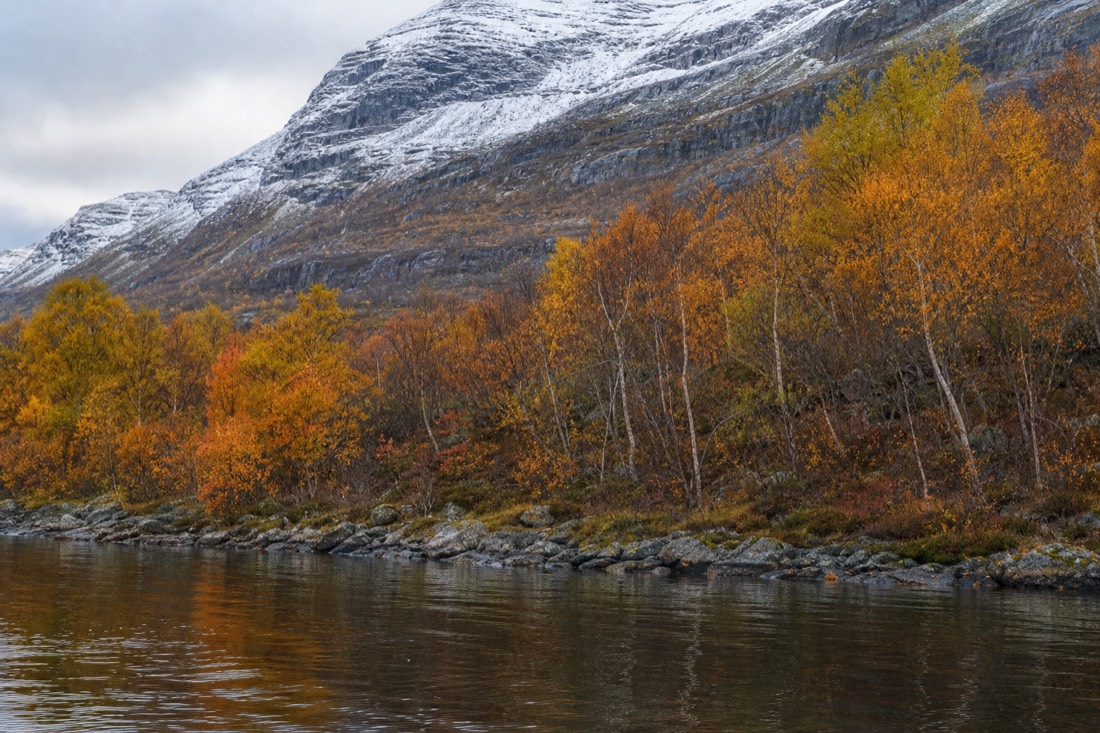
Match the destination to the month before anything else. Summer favours Geiranger, Lofoten and the hiking country around Stavanger. Winter collapses the useful map down to Tromsø, Bergen and Oslo. Shoulder season, late September and early October, is the only window where both halves work.
| Traveller | Go here | Skip |
|---|---|---|
| First-timer, one week | Bergen, Flåm, Oslo | Lofoten, Nordkapp |
| Photographer | Lofoten, Geiranger, Senja | Oslo |
| Aurora hunter | Tromsø, Alta | Anything south of Trondheim |
| Hiker | Stavanger, Odda, Jotunheimen | Winter dates entirely |
| Families with young kids | Oslo, Bergen, Flåm | Long Lofoten drives |
| Slow travellers | Ålesund, Sognefjord villages | Cruise-port day trips |
Related planning: Norway in a Nutshell comparison.
The ranking above will not survive contact with your own priorities, and it should not. What holds across almost every version of a Norway trip is the shape: one western base, one northern base, and fewer stops than you first planned. The travellers who come back disappointed are almost never the ones who saw too little. They are the ones who tried to see all seven. Our best time to visit Norway guide is the right next read, because in this country the month decides which half of the list is even open.
Choose Your Norway Experience
Guided tour - Viking Village, Nærøyfjord Cruise and Flåm Railway. Join the Nærøyfjord cruise, Flåm Railway and Viking village in one guided day. Have a date in mind? Check it before arranging the rest of your Norway trip.
10 hours 30 minutes. Round trip from Strandkaien 16, Bergen. Choose the English option. Food and drinks cost extra. This is a day trip, with no hotel night.
Choose a date to see scheduled departures. Final availability and price are confirmed on Viator.
No verified experience fits those requirements. Adjust your choices, or keep the independent plan described above.
Compare Options And Fit Your Plans
General recommendation until you choose. Choose the city where the activity starts, not your arrival airport. Month filters describe the experience’s season, not confirmed departures. Allow travel to the meeting point as well as the listed duration. Confirm your exact option and access needs when booking.
- Reine, Hamnøy, Sakrisøy Photo Tour from Svolvær: 7 hours. Visit Reine, Hamnøy and Sakrisøy with a guide and transport from Svolvær. Seven hours, ages 5–85. Selected hotel pickup or the Svinøya meeting point. Lunch and refreshments cost extra; at least two guests are needed for departure. This is sightseeing, not a summit hike.
- Geiranger Fjord Sightseeing Cruise : 75 min: 1 hour 15 minutes. See Geirangerfjord from the water on a 75-minute sightseeing cruise. Start and finish at Geiranger harbour. Arrive 15 minutes early. English audio guide; drinks cost extra. Allow separate travel time to Geiranger.
- Tromsø Northern Lights Chase We Go Where The Lights Appear: 9 hours. Follow a guide and photographer away from Tromsø in search of clearer northern-lights skies. Allow 6–9 hours and select English Guide. Meet at the stated Tromsø departure point. Thermal suits are a rental option; boots and full meals are not included. Sightings are not guaranteed.
- Oslo Discovery Tour: 5 hours 30 minutes. Combine Vigeland Park, the Fram Museum and Norwegian cultural history with a guided coach route. 5.5 hours from Haakon VIIs gate 1. Folk Museum may be replaced by Kon-Tiki on Mondays and selected October–April dates. Walking, steps and uneven ground are involved; food and hotel pickup are excluded.