Svalbard Tours: The Arctic Frontier Trip, Explained
Norway's high Arctic archipelago sits closer to the North Pole than to Oslo, and since 2025 the rules governing how you visit it have tightened sharply.
 Written with Lars Hansen, Norway Tour Packages Specialist & Experience Guide
Short answer
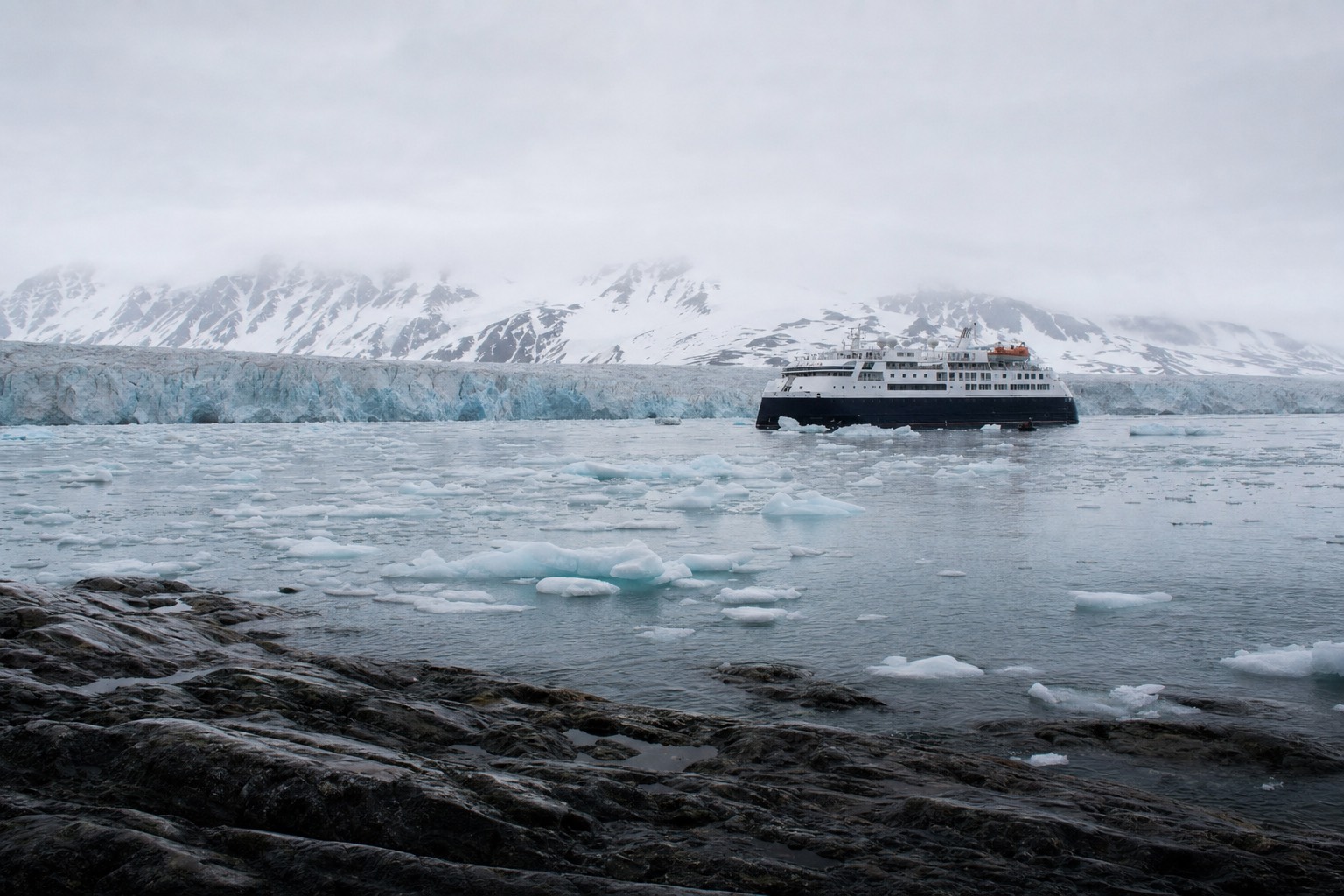
Choose Longyearbyen and the season for the activity you want. Summer boat trips and winter snow outings are different purchases. Wildlife-distance, passenger and landing rules apply; no guide or tour guarantees a polar-bear sighting.
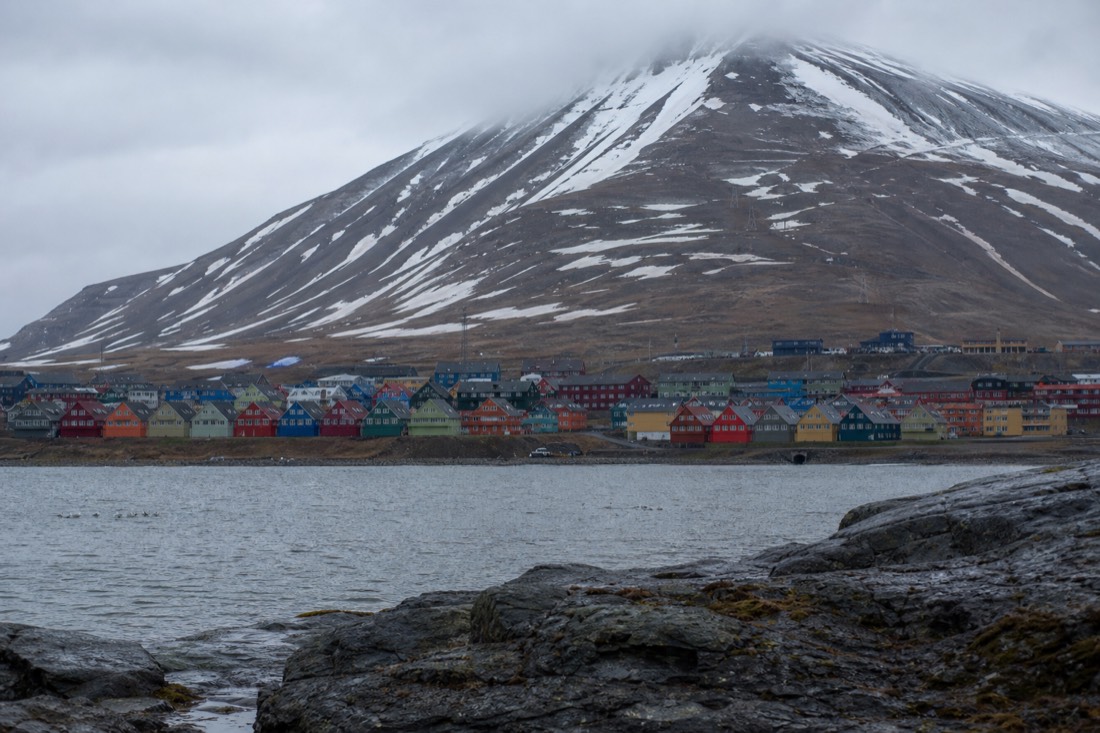
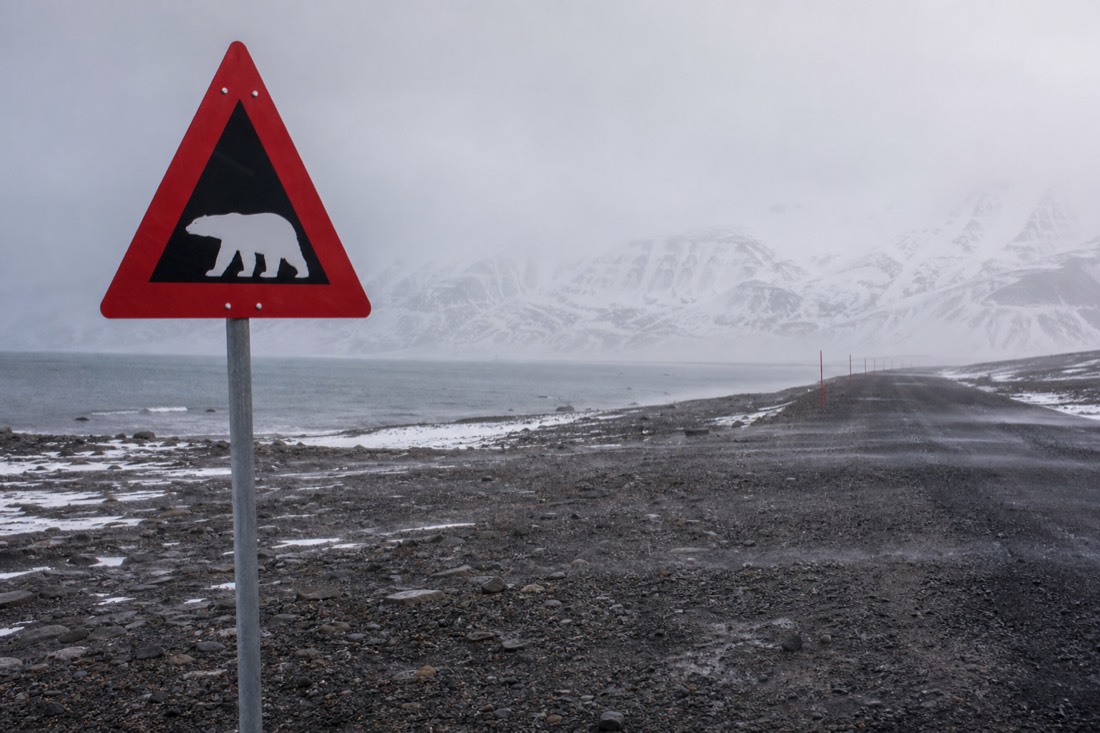
Longyearbyen is a compact settlement surrounded by Arctic terrain where polar-bear precautions matter. Suitable deterrents are required outside the settlements, and the Governor recommends firearms. For visitors without local experience, an organised excursion is a practical choice; it is not accurate to say that every independent outing is legally forbidden.
Choose a Longyearbyen base and season first. A town walk, day cruise and wilderness expedition are different commitments.
Booking choice: The Isfjorden icebreaker day is the starting summer choice. It includes soup lunch; optional floating has additional height and swimming requirements. Explore Svalbard Icebreaker Cruise and Arctic Floating Adventure
How Do You Actually Get To Svalbard?
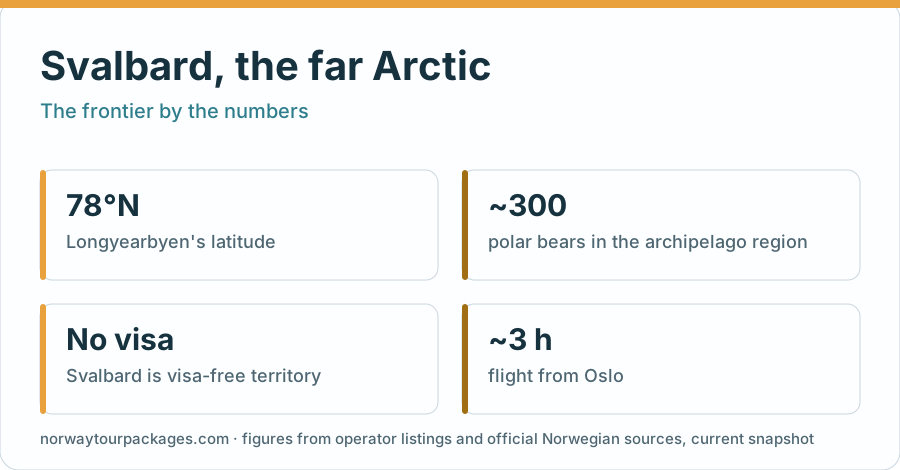
By scheduled flight to Longyearbyen from Oslo or Tromsø, roughly three hours from Oslo. There is no ferry and no road. Some travellers arrive on expedition cruises from mainland Norway or Iceland, but for independent visitors the plane is the only realistic route in and out.
The connection matters more than the flight. Svalbard sits outside the Schengen area under the terms of the Svalbard Treaty, but almost every route passes through mainland Norway, so your entry compliance happens at Oslo or Tromsø rather than at Longyearbyen. Build in a night on the mainland if your inbound long-haul lands late, because a missed Svalbard connection is not a same-day fix.
| Route in | How | Typical journey | Notes |
|---|---|---|---|
| Oslo to Longyearbyen | Scheduled flight | About 3 hours | The most frequent option year-round |
| Tromsø to Longyearbyen | Scheduled flight | Under 2 hours | Handy if you are already in the Arctic |
| Expedition cruise | Ship | Multiple days | Now capped in protected areas at 200 passengers |
| Overland | Not possible | n/a | No road or rail exists to the archipelago |
Related planning: Tromsø whale page.
What Kinds Of Tours Actually Run In Svalbard?
Two distinct families. From roughly June to September, ship-based expedition voyages work the fjords, glacier fronts and bird cliffs. From February to May, snowmobile safaris and dog sledding cross the frozen interior. Longyearbyen day tours, mine visits and dog yards operate in both.
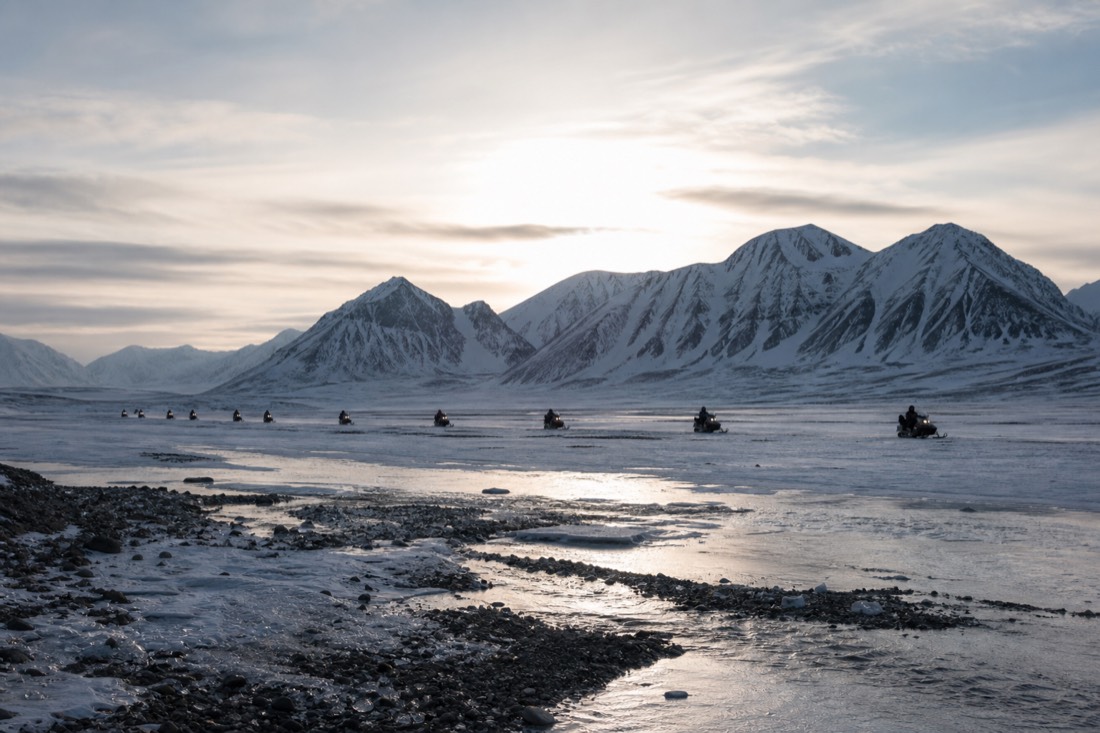
Season determines format absolutely. In summer the sea ice retreats and everything happens by boat, from half-day sailings to two-week circumnavigations. In late winter the fjords freeze and the same terrain becomes snowmobile country. The shoulder weeks in between, particularly May and October, offer the least and cost the most in disappointment.
| Tour type | Season | Typical length | What it delivers |
|---|---|---|---|
| Expedition voyage | June to September | 5 to 14 days | Glacier fronts, bird cliffs, wildlife from deck |
| Day boat from Longyearbyen | June to September | 6 to 10 hours | Barentsburg or Pyramiden, glacier viewing |
| Snowmobile safari | February to May | 6 to 10 hours | Frozen fjords, ice caves, east coast |
| Dog sledding | Winter and summer variants | 3 to 8 hours | Kennel visit plus valley run |
| Longyearbyen walking or mine tour | Year-round | 2 to 3 hours | Settlement history, coal era, museum |
Book operators through Visit Svalbard, which lists the licensed local companies rather than resellers. Unlike mainland Norway, this is not a market where a large aggregator carries every product, and the operator’s local knowledge, equipment and stated services are what you are purchasing.
What Changed In The 2025 Rules?
From 1 January 2025, ships in Svalbard's protected areas are limited to a maximum of 200 passengers, and shore landings inside those areas are restricted to 43 designated sites. Both rules push large cruise traffic out of the wilderness and concentrate visits into managed locations.
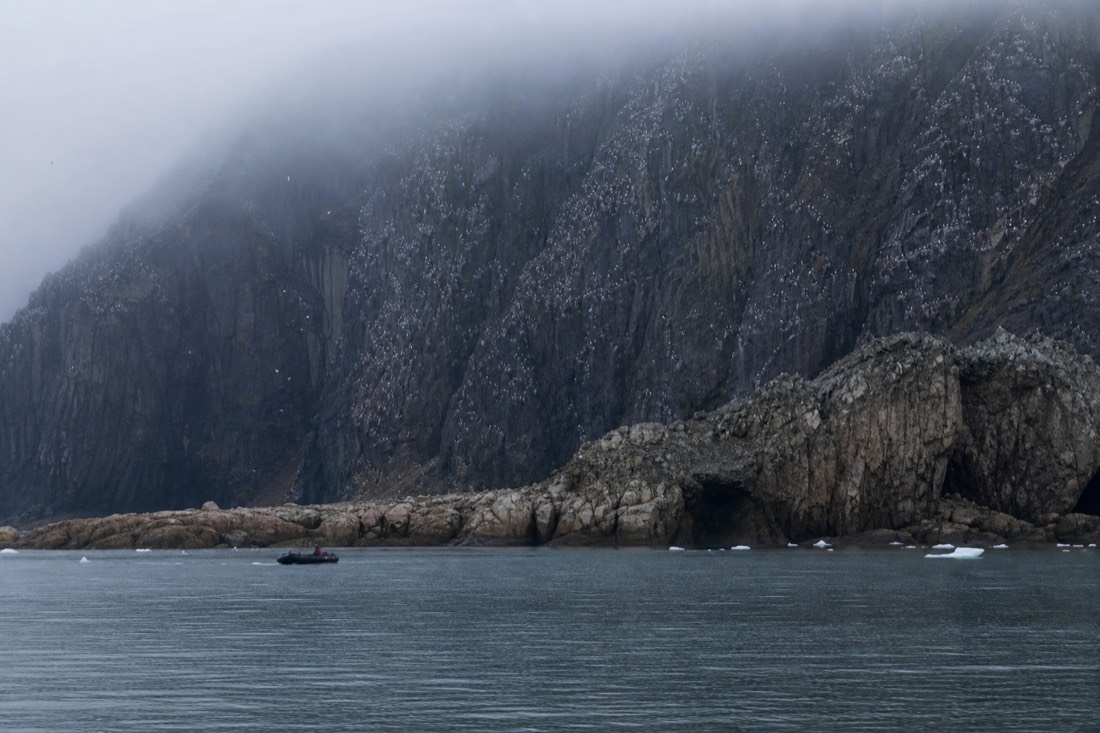
The context is volume. Around 70,000 ship-based visits were recorded in Svalbard in 2023, before the new framework took effect, on an archipelago whose entire permanent population is a couple of thousand people. The regulations reduce the number of hulls that can enter protected water and fix exactly where passengers may step ashore.
| Rule area | Position before 2025 | From 2025 |
|---|---|---|
| Ship size in protected areas | No passenger cap | Maximum 200 passengers |
| Shore landings in protected areas | Broad discretion by operator | 43 designated sites only |
| Polar bear distance, most of year | Guidance-based | 300 metres minimum |
| Polar bear distance, 1 March to 30 June | Guidance-based | 500 metres minimum |
For travellers the practical effect is that small-ship operators gained an advantage and big-ship itineraries were rewritten. If you are comparing a voyage sold in 2024 with the same voyage sold now, check the landing list rather than the marketing copy. Discover the World's summary of the new course for expedition voyages sets out how operators restructured around the site list.
How Close Can You Get To A Polar Bear?
Not close, and that is the point. From 2025 the minimum distance is 300 metres for most of the year and 500 metres from 1 March to 30 June, when bears are most vulnerable. The Governor distinguishes required deterrents from its recommendation to carry firearms.
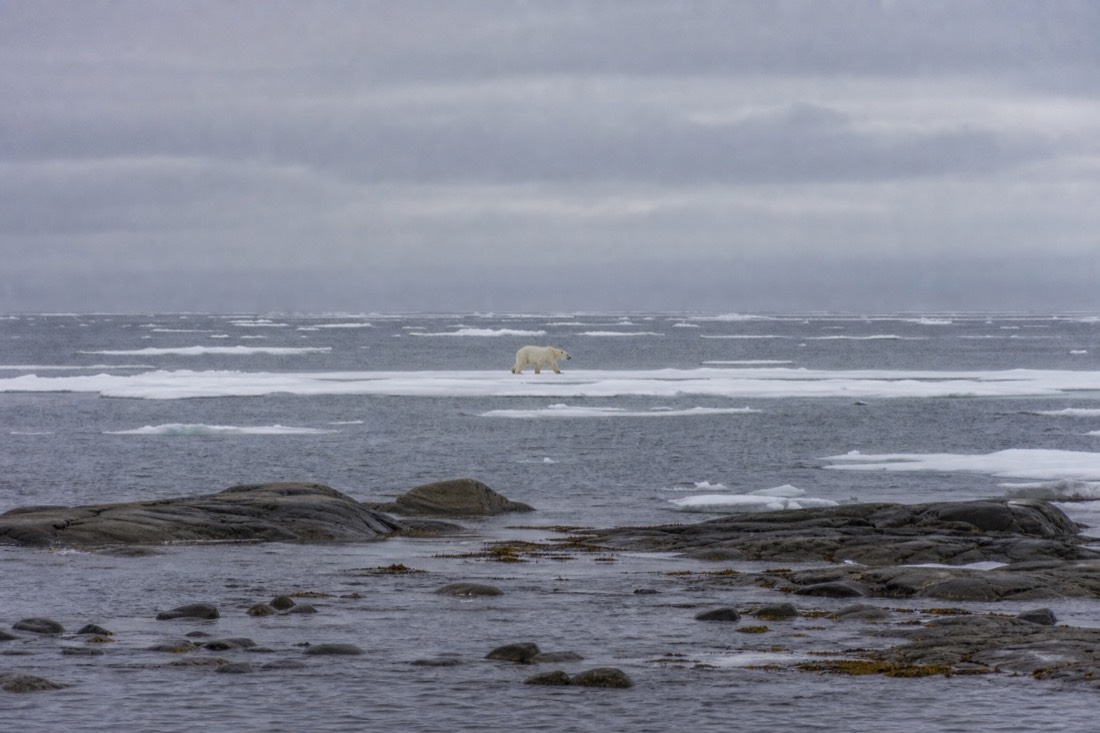
Every reputable operator treats a sighting as an incidental privilege rather than a deliverable. No Svalbard tour can promise a bear, and one that does is telling you something about itself. The rules and their reasoning are published by Visit Svalbard's polar bear guidance, which is the authority local guides work from.
Bring the longest lens you own. At 300 metres a phone camera produces a white speck, and travellers who arrive expecting frame-filling wildlife photography go home disappointed by physics rather than by luck.
When Is The Best Time To Visit Svalbard?
It depends entirely on the format. March offers returning light and possible dark-night aurora; April moves toward continuous daylight while snow activities may continue. June to August brings the midnight sun, open water and the expedition voyages. Deep winter, from late October to mid February, offers permanent dark and very few tours.
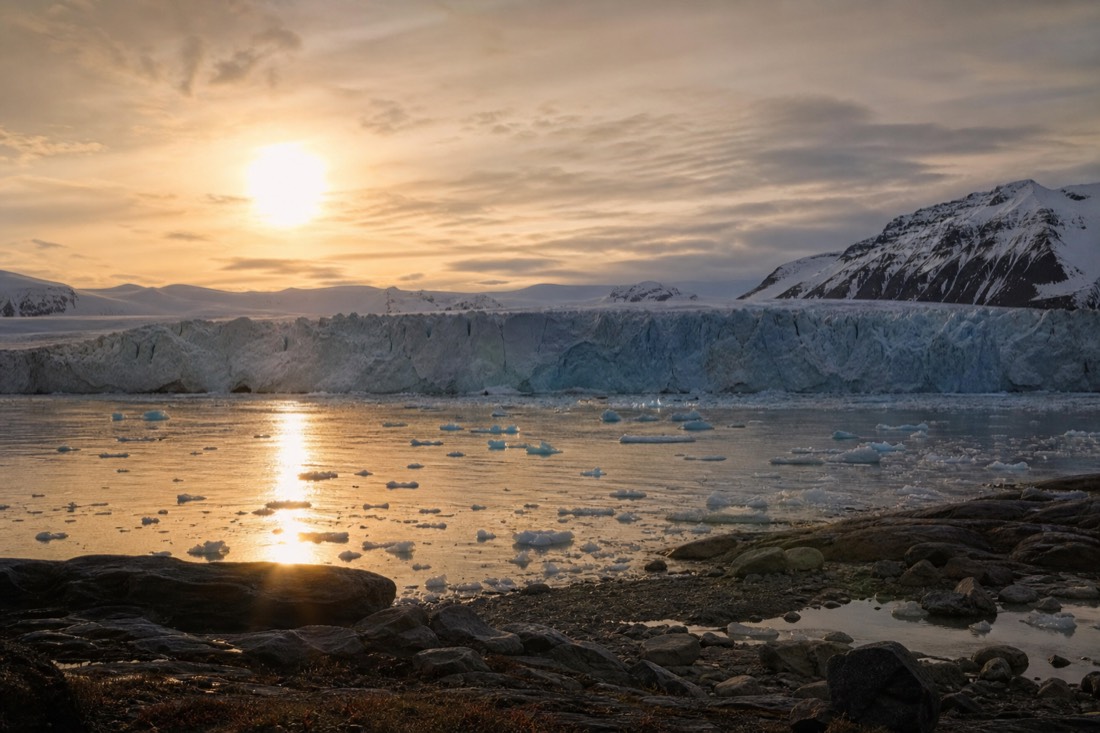
Longyearbyen's midnight sun runs from roughly 20 April to 23 August, and the sun stays below the horizon from around 26 October to 15 February. Those brackets are wider than Tromsø's, where polar night is confined to about 27 November to 15 January. The difference is latitude, and it is enough to make late February in Svalbard feel like a different planet from late February on the mainland.
| Window | Light | What runs | The catch |
|---|---|---|---|
| Late Oct to mid Feb | Polar night | Limited tours, aurora, ice caves | Very few operators active |
| Late Feb to April | Returning light, then long days | Snowmobile, dog sledding, aurora | Cold, wind chill on open terrain |
| May | Transition | Check dated boat and snow activities | Conditions determine routes |
| June to Aug | Midnight sun | Expedition voyages, day boats, hiking | The busiest and most expensive period |
| September | Fading light | Late voyages, first aurora | Weather turns quickly |
The forecast is not decoration up here. The Norwegian Meteorological Institute runs the models every Svalbard operator uses to decide whether a boat sails or a snowmobile route opens, and cancellations are common enough that a single-night visit is a gamble.
What Should You Budget Compared With Mainland Norway?
Assume Svalbard costs meaningfully more than Bergen or Tromsø for the same number of nights. Almost everything is flown or shipped in, guided excursions add to the budget beyond town, and the flight from mainland Norway is a separate cost. Multi-day expedition voyages sit in a different price bracket entirely.
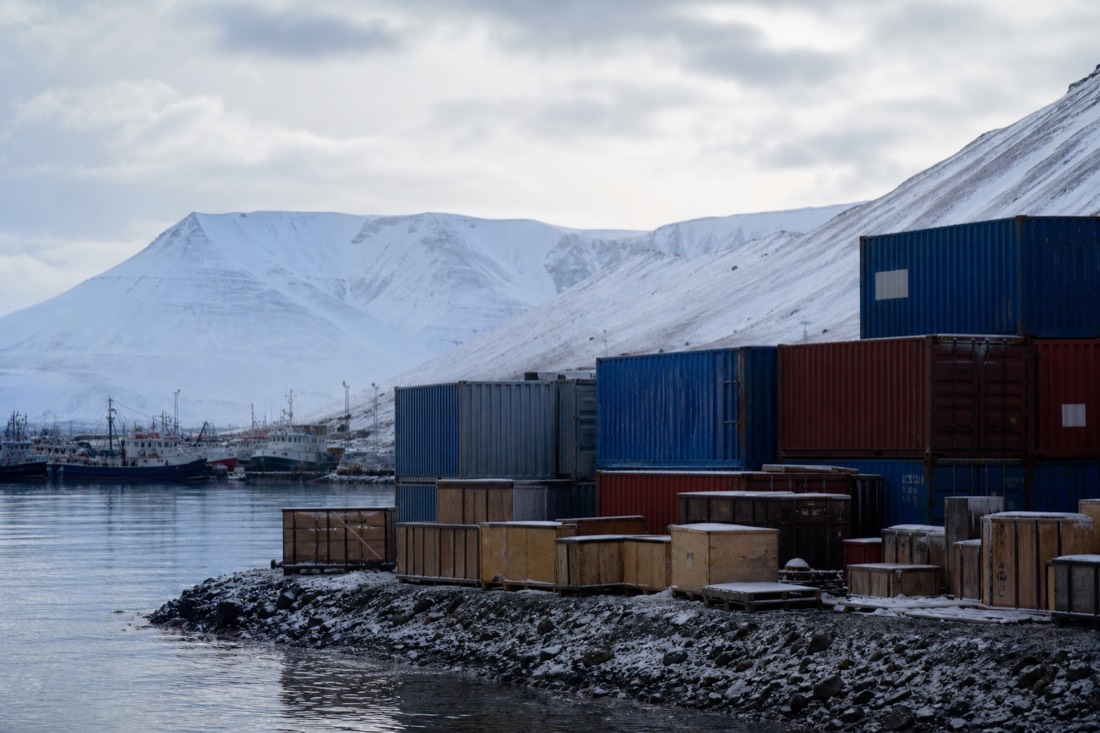
Trip insurance deserves particular attention for Svalbard. Standard policies frequently exclude the region outright or treat its excursions as specialist activities, and medical evacuation from the high Arctic is expensive enough that discovering a gap afterwards is a serious problem. Check the wording names Svalbard specifically.
Some mainland savings still apply. Tap water is excellent, cards and Apple Pay work almost everywhere, and tipping stays optional at 5 to 15% for good service. For visitors without local skills and equipment, budget for organised excursions beyond town.
Do not apply mainland municipal tax assumptions to Svalbard; check the final local accommodation and excursion quote. For a sense of how the Arctic premium compares with the fjord west, our Norway cost breakdown puts the regions side by side.
What Is Longyearbyen Actually Like As A Base?
A small, working Arctic town of a couple of thousand people, not a resort. It has hotels, restaurants, a supermarket and tour offices along a few streets, wrapped by mountains and marked by the boundary signs where the settlement, and ordinary town walking gives way to Arctic terrain.
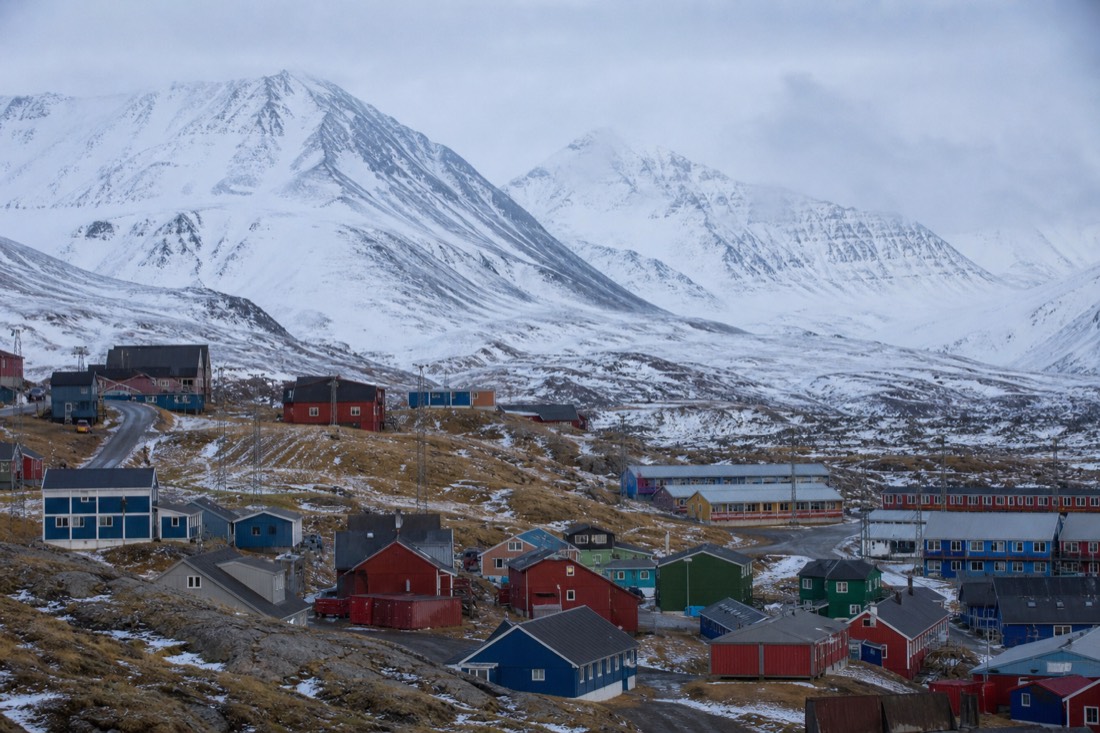
Visitors sometimes picture a research station and sometimes picture a resort, and it is neither. Longyearbyen is an ordinary settlement whose ordinariness is the surprising part: people commute, children go to school, and the supermarket sells what supermarkets sell, all at 78 degrees north.
| What is there | Detail |
|---|---|
| Size | A few thousand residents, walkable in an hour |
| Accommodation | Hotels and guesthouses, limited stock |
| Eating | Restaurants and a supermarket; quality is good |
| Tour offices | Clustered centrally; most excursions start here |
| The boundary | Marked; beyond it polar-bear precautions are required and a local guide is advisable for inexperienced visitors |
| Getting around | On foot in town; everything else is an excursion |
Everything else can then be arranged around that fixed point once you are there, since operators in Longyearbyen coordinate closely and last-minute availability does appear.
Operators publish their seasonal calendars well ahead, so the sequence to follow is straightforward: pick the season for the activity you want, confirm that activity is running on your dates, then book the flights around it rather than the other way round.
Building the trip around one anchor excursion, booked first, is the approach that works most consistently here.
Accommodation in Longyearbyen is similarly finite, and the better properties fill around the peak activity windows well before the flights do.
Flights are the other structural constraint. Longyearbyen is served by a limited schedule from mainland Norway, seats sell out around the popular activity seasons, and weather diversions genuinely happen this far north. Building a spare day at the mainland end of the trip is sensible insurance against a delayed return.
There is a regulatory dimension that shapes the whole visit as well. Svalbard operates under strict rules on wildlife distance, cultural heritage protection and where vehicles may travel, and operators enforce them closely. Travellers hoping to wander freely will find it constrained; those who accept the framework reach landscapes almost nobody sees.
The boundary row is the one that defines the whole visit. Walking out of the settlement unaccompanied is not a casual decision here, which means the free-outdoors logic that makes mainland Norway affordable does not apply.
Why Does Almost Everything Here Require A Guide?
Because the safety framework outside the settlement is real rather than decorative. Polar-bear precautions are required beyond the settlements. An experienced local operator can arrange a suitable outing for visitors who lack the equipment and local knowledge.
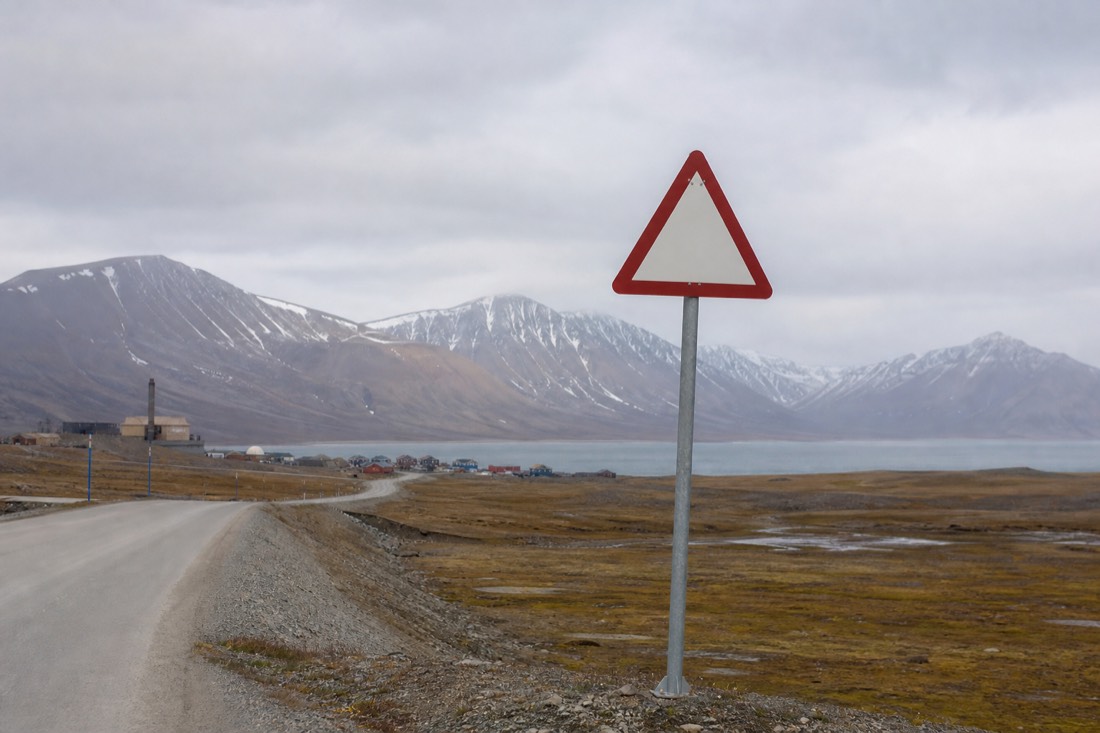
Svalbard has the strictest wildlife-safety framework of anywhere a tourist is likely to travel in Norway, and it is enforced. The rules exist because the bears are genuinely present, not as an atmosphere-setting detail.
| Situation | What applies |
|---|---|
| Inside Longyearbyen | Normal movement; signs mark the boundary |
| Outside the settlement | Protection required; guided trips in practice |
| Organised excursions | Operator carries the responsibility and equipment |
| Approaching wildlife | Prohibited; minimum distances enforced |
| Independent hiking | Only with the right equipment and experience |
| Camping | Requires planning and, usually, a guide |
The practical upshot for most visitors: book excursions rather than plan independent walks. It is the difference between a straightforward trip and one that requires equipment and permissions you cannot arrange on arrival.
Which Arctic Trip Are You Actually Choosing Between?
Between an accessible Arctic and an extreme one. Tromsø sits above the Arctic Circle with full tourism infrastructure and a wide activity range. Svalbard sits far beyond it, with glaciers, polar desert and constraints that shape every hour of the visit. Neither substitutes for the other.
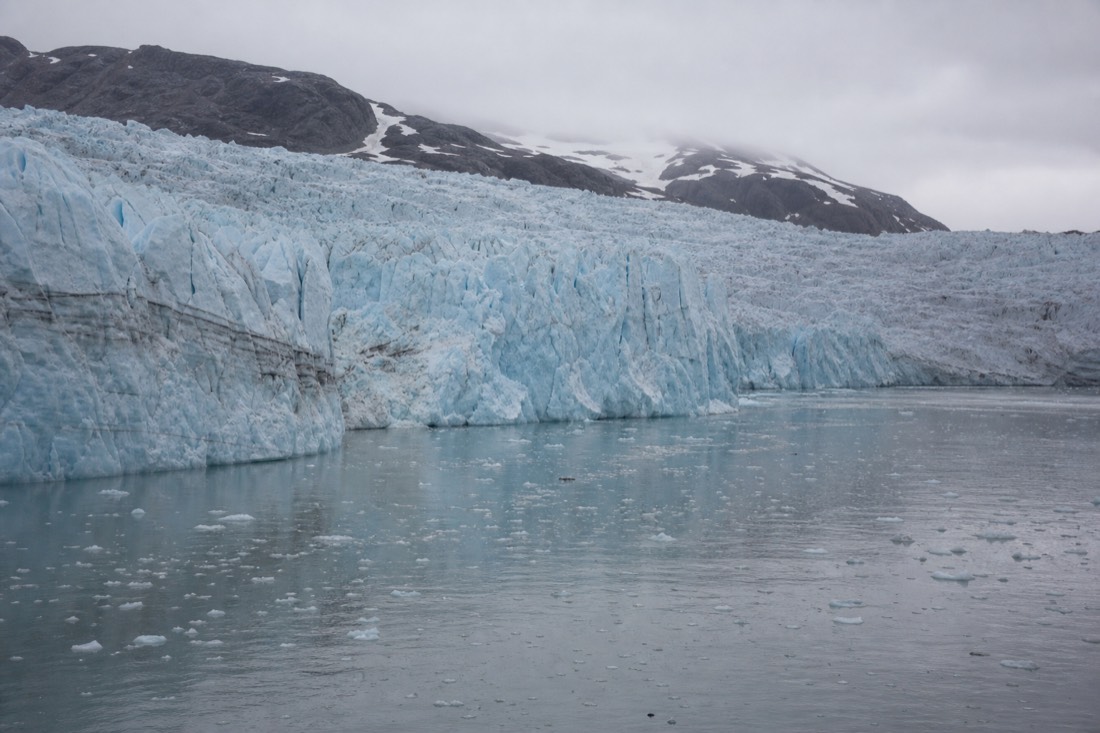
Travellers often frame this as an upgrade decision and it is closer to a different destination. Tromsø sits above the Arctic Circle with a full tourism infrastructure; Svalbard sits far beyond it, with correspondingly different scenery and constraints.
| You want | Go to |
|---|---|
| Northern lights, reliably and affordably | Tromsø |
| Whales in season | Tromsø |
| Husky sledding | Either; Tromsø is cheaper |
| Glaciers and polar desert | Svalbard |
| Midnight sun at extreme latitude | Svalbard |
| A first Arctic trip | Tromsø |
| A second, more committed Arctic trip | Svalbard |
For most people building a first Norway itinerary, the honest answer is Tromsø. Svalbard rewards a trip planned around it, and it competes poorly as a three-day add-on to a fjord holiday.
How Different Are Svalbard's Three Seasons From Each Other?
More different than anywhere on the mainland. Polar night, bright winter and midnight sun are effectively three separate destinations sharing an address, and the activity that defines a trip changes completely between them rather than merely shifting emphasis.
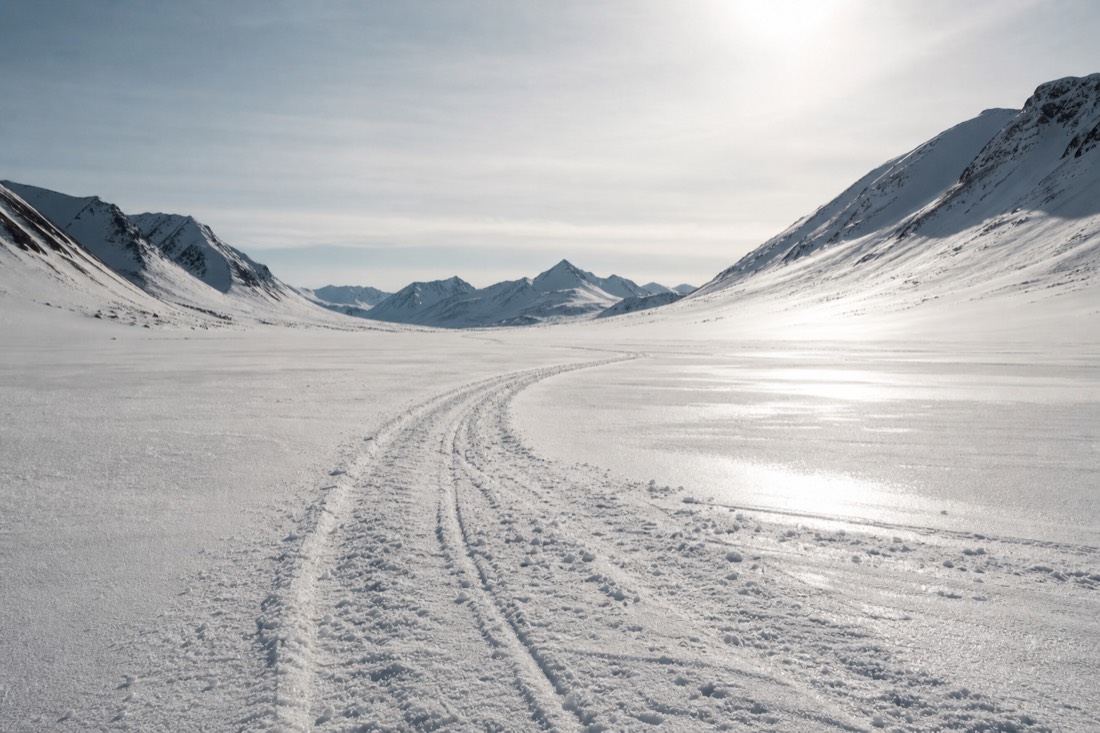
Svalbard's seasons are more sharply divided than mainland Norway's, and the activity that defines a trip changes completely between them. Choosing the wrong window for your intended activity is the main planning error here.
| Season | Roughly | What runs | Character |
|---|---|---|---|
| Polar night | Nov to Feb | Aurora, limited excursions | Dark, quiet, atmospheric |
| Bright winter | Mar to Apr | Snowmobiling, dog sledding, ski touring | Returning light on snow; the classic window |
| Midnight sun | May to Aug | Boat trips, glaciers, wildlife, hiking | Bright around the clock |
| Shoulder | Late Apr, Sep to Oct | Transitional; fewer operators | Unsettled, cheaper |
Daylight changes faster here than almost anywhere, so a two-week difference in dates produces a noticeably different trip.
March and April are the window most repeat visitors pick, because you get full snow cover with enough daylight to see the landscape you are travelling across. Polar night is remarkable but limits what can safely be run.
Whichever season you choose, book the excursions before the flights are non-refundable. Operator capacity is genuinely small here, and a trip built around one specific activity can fail on availability rather than weather.
Is Svalbard Worth Adding To A Norway Trip?
Only as its own trip. A Svalbard visit needs three to five nights minimum plus the flight legs, so bolting it onto a week in the fjords means cutting the fjords entirely. Pair it with Tromsø instead, where the connection is short and the seasons overlap.
Packing is genuinely different here too. Operators typically supply the heavy outer layers, boots and, where relevant, safety equipment for excursions, so the useful thing to bring is a strong base and mid layer system rather than a bulky coat. Confirm what is issued before you buy anything specialised for the trip.
The Tromsø pairing is the one that works. The flight is under two hours, the Arctic infrastructure is already familiar by the time you land, and winter visitors can stack aurora, whales and huskies into the mainland half of the trip. Our Tromsø city guide covers what fits into those nights, and the daylight budget shrinks fast the further north you push.
If you are still deciding whether the high Arctic belongs in this trip at all, look at the alternative first. Visit Norway keeps regional seasonal information current, and our roundup of the best places to visit in Norway sets Svalbard against Lofoten and the fjords in plain terms of cost, effort and payoff.
For the current distinction between deterrents and recommended firearms, see the Governor’s safety guidance.
Choose Your Norway Experience
Svalbard Icebreaker Cruise and Arctic Floating Adventure. Explore Isfjorden on an icebreaker cruise with a vegetarian soup lunch and optional Arctic floating. Have a date in mind? Check it before arranging the rest of your Norway trip.
7 hours. Seven hours including logistics. Selected Longyearbyen hotel pickup is listed. Not suitable for reduced mobility. Floating needs basic swimming skills and height over 140 cm; sightings are not guaranteed.
Choose a date to see scheduled departures. Final availability and price are confirmed on Viator.
No verified experience fits those requirements. Adjust your choices, or keep the independent plan described above.
Compare Options And Fit Your Plans
General recommendation until you choose. Choose the city where the activity starts, not your arrival airport. Month filters describe the experience’s season, not confirmed departures. Allow travel to the meeting point as well as the listed duration. Confirm your exact option and access needs when booking.
- Explore the Legendary Town of Longyearbyen: 3 hours. Explore Longyearbyen with a private guide who helps you find photography subjects around town. Ages 15–65; moderate fitness required. Arrange the exact pickup in advance. Bring your camera; lunch and photography equipment are excluded. No wilderness expedition is included.