Which Is The Prettiest Fjord In Norway? Geiranger Vs Nærøyfjord Vs The Rest
The prettiest fjord in Norway, settled: Geirangerfjord and Naeroyfjord compared with Sognefjord and Hardangerfjord, the best month to sail, and how to reach each one.
 By Lars Hansen, Norway Tour Packages Specialist & Experience Guide
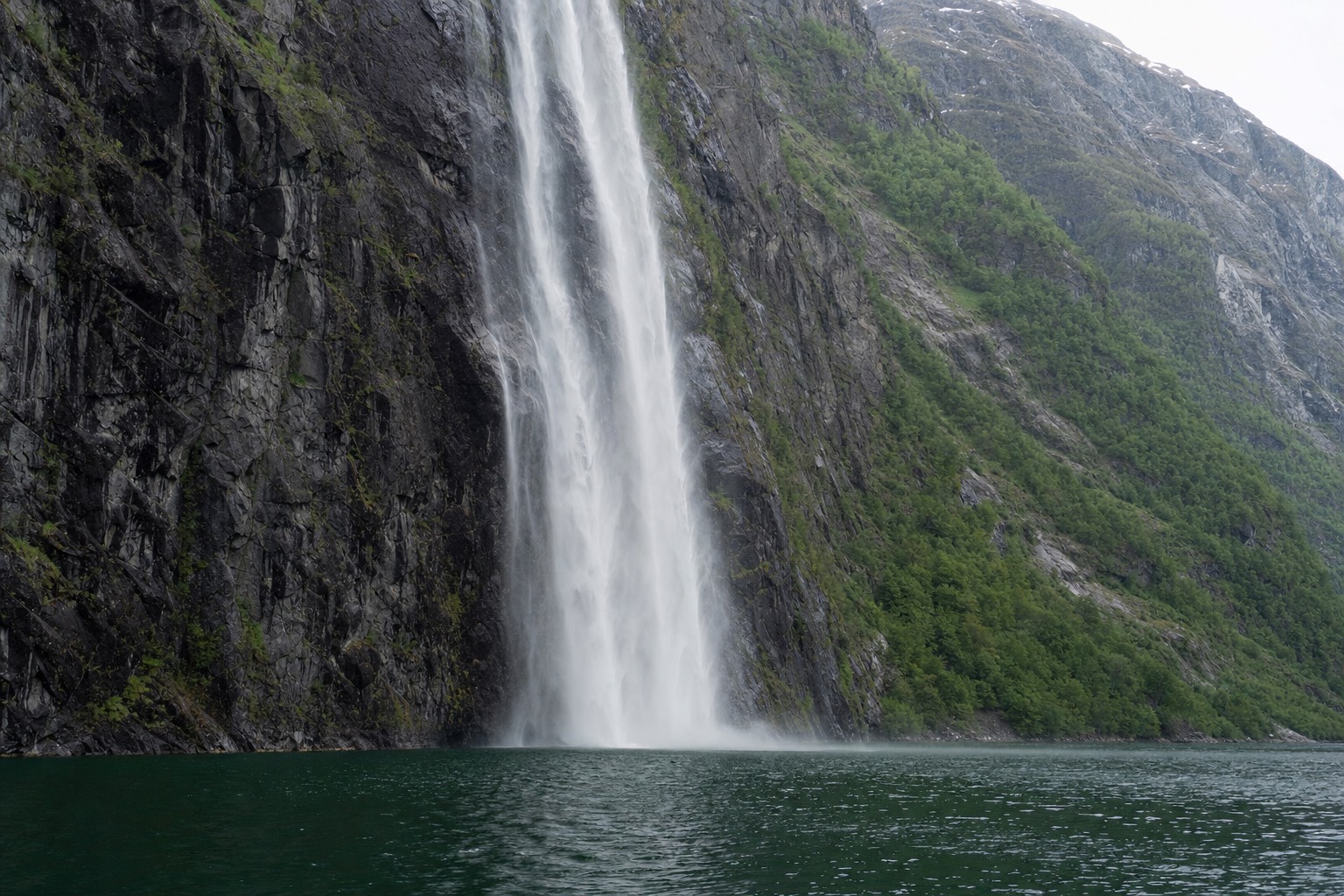
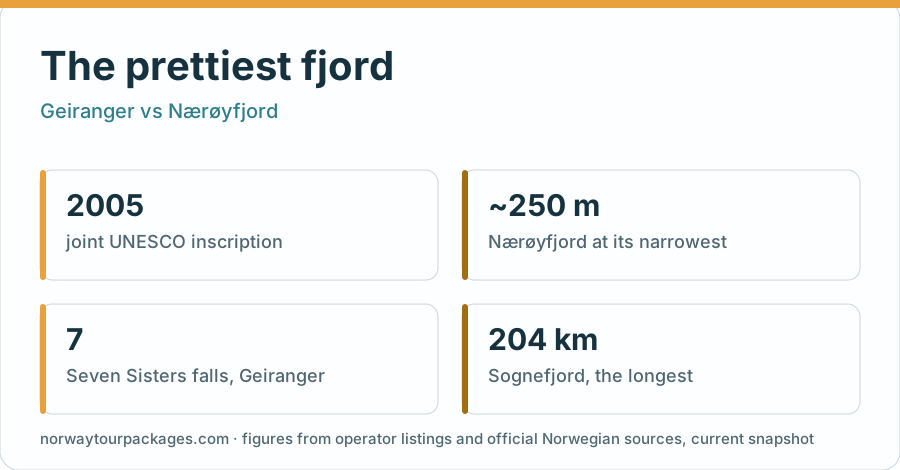
Norway has more than a thousand fjords, and exactly two of them are on the UNESCO World Heritage list. That single fact narrows the argument faster than any ranking could. Geirangerfjord and Nærøyfjord were inscribed together in 2005 as the West Norwegian Fjords, chosen because their cliff walls rise to around 1,400 metres above the water and drop as much as 500 metres below it. Everything else on the shortlist is competing for third place, which does not make the others worse, only less officially remarkable.
Choose a fjord you can actually reach from your overnight base. The cruises below leave from different towns.
Booking choice: Geiranger’s 75-minute cruise is the starting choice for its classic scenery; the Bergen railway-and-fjord day is the route to Nærøyfjord. Explore Geiranger Fjord Sightseeing Cruise : 75 min
Which Fjord Is The Prettiest In Norway?
Geirangerfjord takes it by a narrow margin. Its combination of waterfalls dropping straight into the water, abandoned cliff farms and a tight winding channel is the most concentrated scenery in the country. Nærøyfjord is the quieter, narrower, more atmospheric alternative and wins for anyone who dislikes crowds.
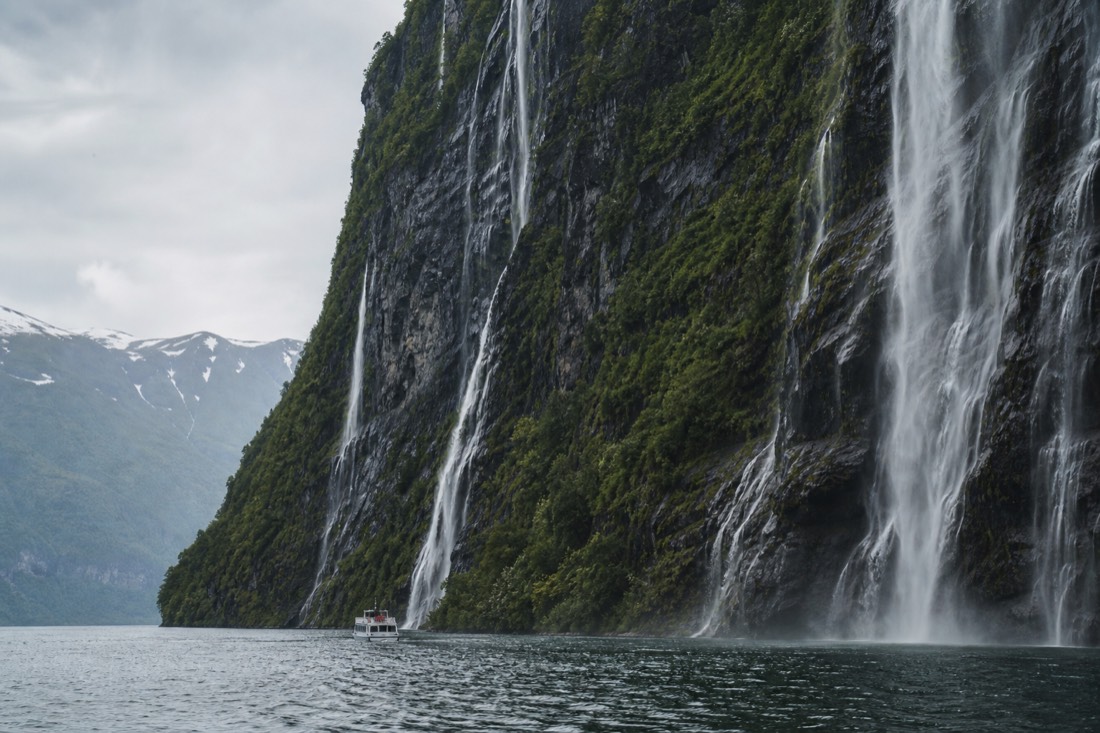
The two UNESCO fjords are not rivals so much as variations. Geiranger is theatrical: everything happens at once, waterfalls on both sides, a road switchbacking down to the village, cruise ships anchored in the middle. Nærøyfjord is restrained: a long narrow arm where the walls close in and the boat traffic is smaller and quieter. Which one reads as prettier depends almost entirely on whether spectacle or stillness moves you more.
One thing to get right from the start, because plenty of travel writing gets it wrong: the Norwegian fjords as a whole are not a UNESCO site. Only these two are, under the single West Norwegian Fjords inscription, and the UNESCO listing itself sets out exactly what is covered.
| Fjord | UNESCO listed | Verified scale | Signature sight | Boat season |
|---|---|---|---|---|
| Geirangerfjord | Yes, 2005 | Walls to ~1,400 m above, 500 m below water | Waterfalls and cliff farms | Summer |
| Nærøyfjord | Yes, 2005 | Part of the same inscription | Narrow walls, tiny villages | Year-round; check dated sailings |
| Sognefjord | No | 205 km long, up to 1,308 m deep | Norway's longest and deepest | Year-round in parts |
| Hardangerfjord | No | Broader and gentler | Orchards in blossom | Spring to autumn |
| Osterfjord and Mostraumen | No | Narrow tidal channel | Waterfalls close to Bergen | Year-round |
What Makes Geirangerfjord The Postcard Fjord?
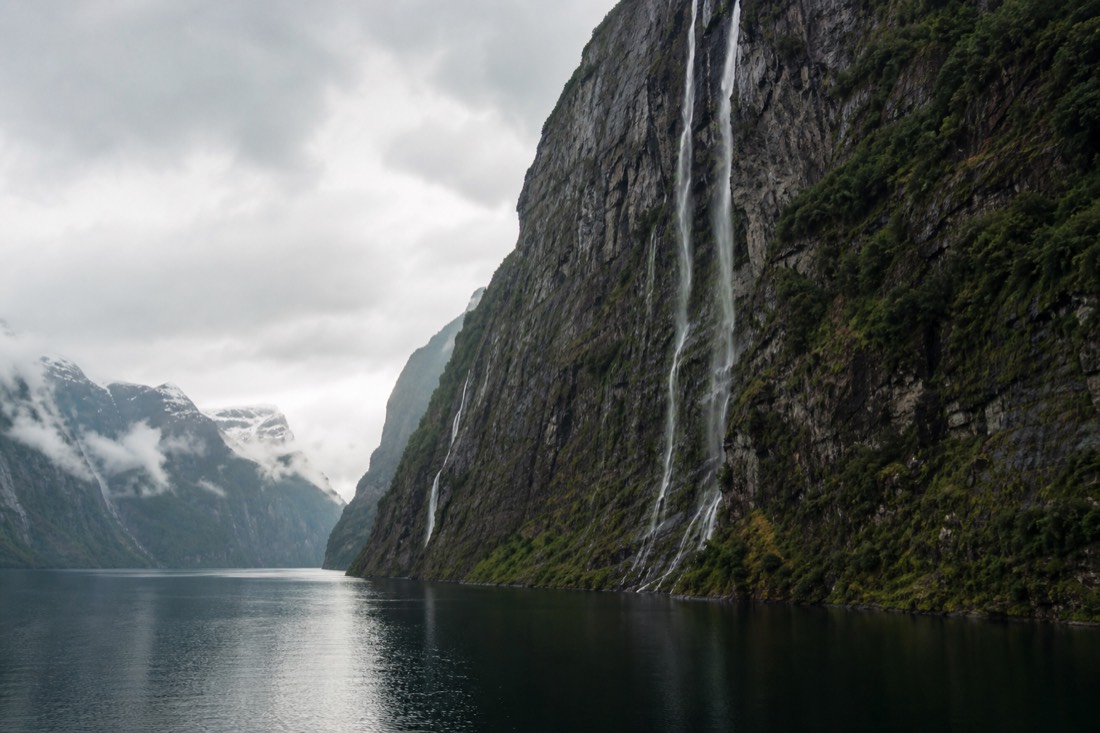
Density. Geiranger packs the Seven Sisters waterfall, the Suitor opposite it, and a set of abandoned mountain farms perched on ledges into a short stretch of water. It is a branch of the larger Storfjord system, and its narrowness is what makes the cliffs feel so close from a boat.
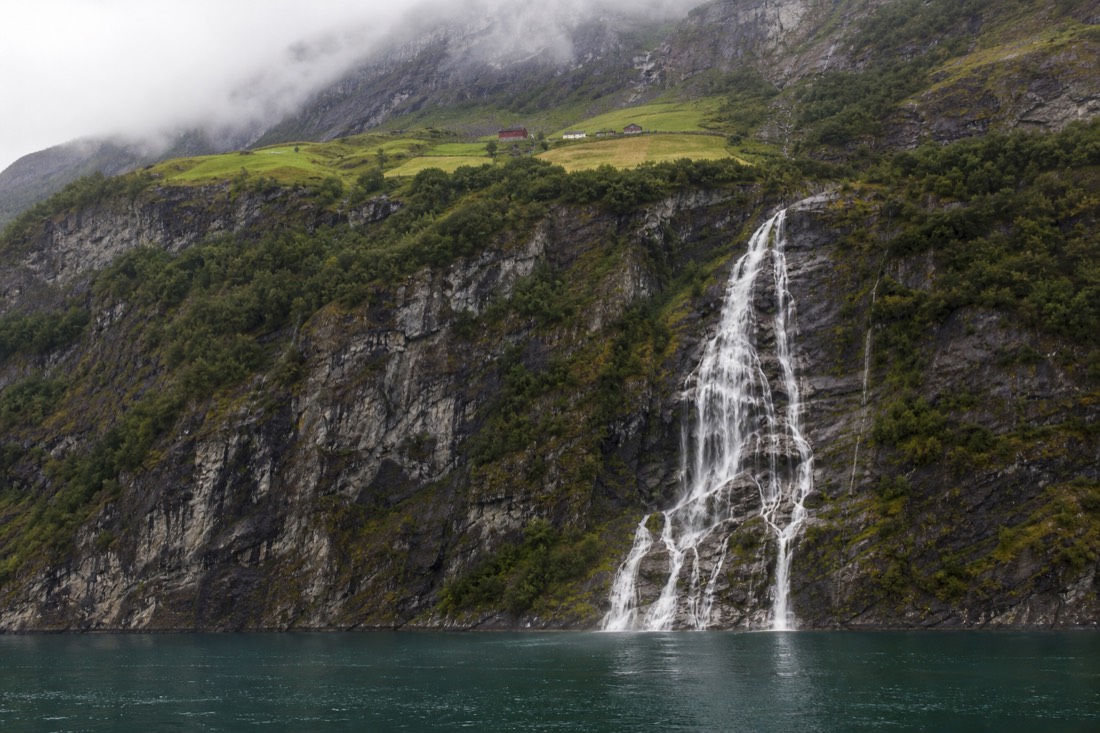
The cliff farms are the detail that changes how the place feels. These were real working holdings, reached by ladder, worked until the early twentieth century, and now visible as green shelves halfway up a rock face. They convert the view from scenery into history, and they are the thing local guides talk about most.
The trade-off is traffic. Geiranger is one of the most visited points in Norway, and on a day with two cruise ships in, the village at the head of the fjord is busy in a way that the water itself is not. The boats solve that problem: fifteen minutes out from the quay and the crowd is behind you. Access is seasonal, since the road approaches over mountain passes and the sightseeing fleet runs in summer.
How Is Nærøyfjord Different?
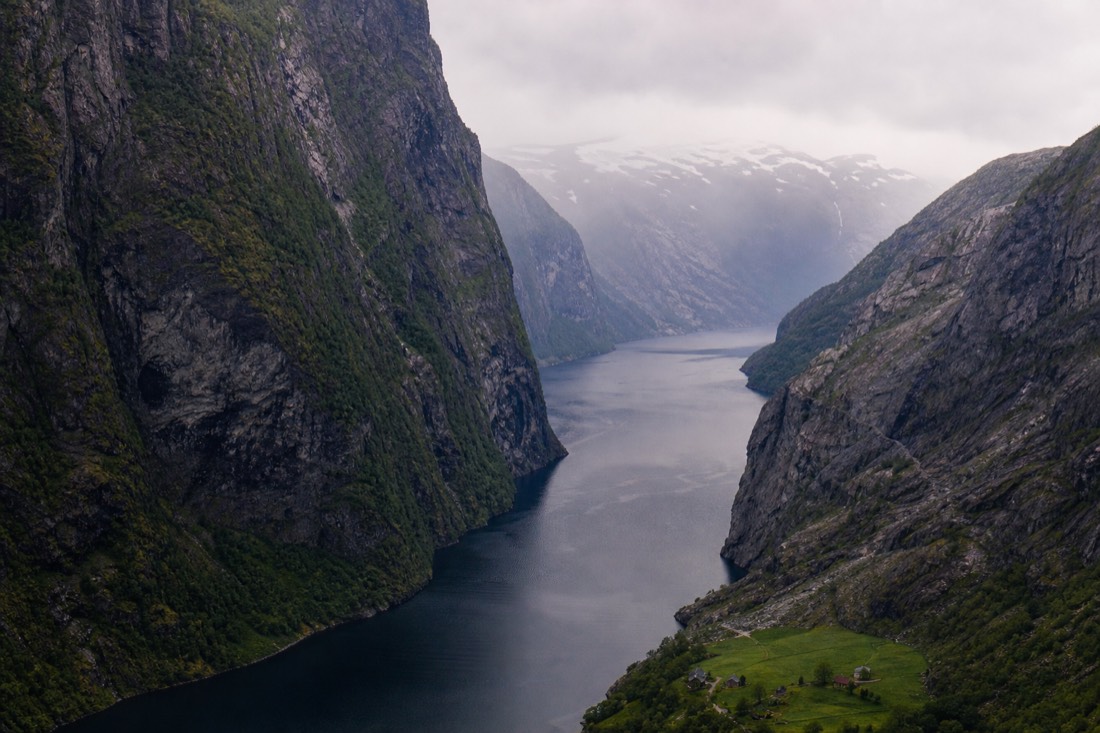
Nærøyfjord is an arm of the Sognefjord system and among the narrowest navigable fjords in the world. The walls come closer, the water is often glass-flat, and the settlements along it are measured in dozens of residents rather than thousands. It feels older and emptier than Geiranger.
Nærøyfjord is also the more practical of the two for most itineraries, because it plugs directly into the classic rail and boat route from Bergen. That route pairs the fjord cruise with the Flåm Railway, operated by Flåm Utvikling under Vy, which climbs 20.2 kilometres and 866 metres from Flåm to Myrdal in about an hour at a maximum gradient of 5.5%. The railway runs year-round even where the fjord sailings thin out in winter.
The self-guided ticket bundle that stitches all this together is sold by Fjord Tours, and it can be assembled independently instead if you prefer to control the timings. We compare the two approaches, including where the do-it-yourself version saves real money, in our guide to doing the classic route yourself or with a guide.
Where Do Sognefjord And Hardangerfjord Fit In?
Sognefjord is the giant, 205 kilometres long and 1,308 metres deep, holding Nærøyfjord and Aurlandsfjord as branches. Hardangerfjord is the soft one: wider, lower, lined with fruit orchards that flower in May. Neither is UNESCO listed, and neither needs to be.
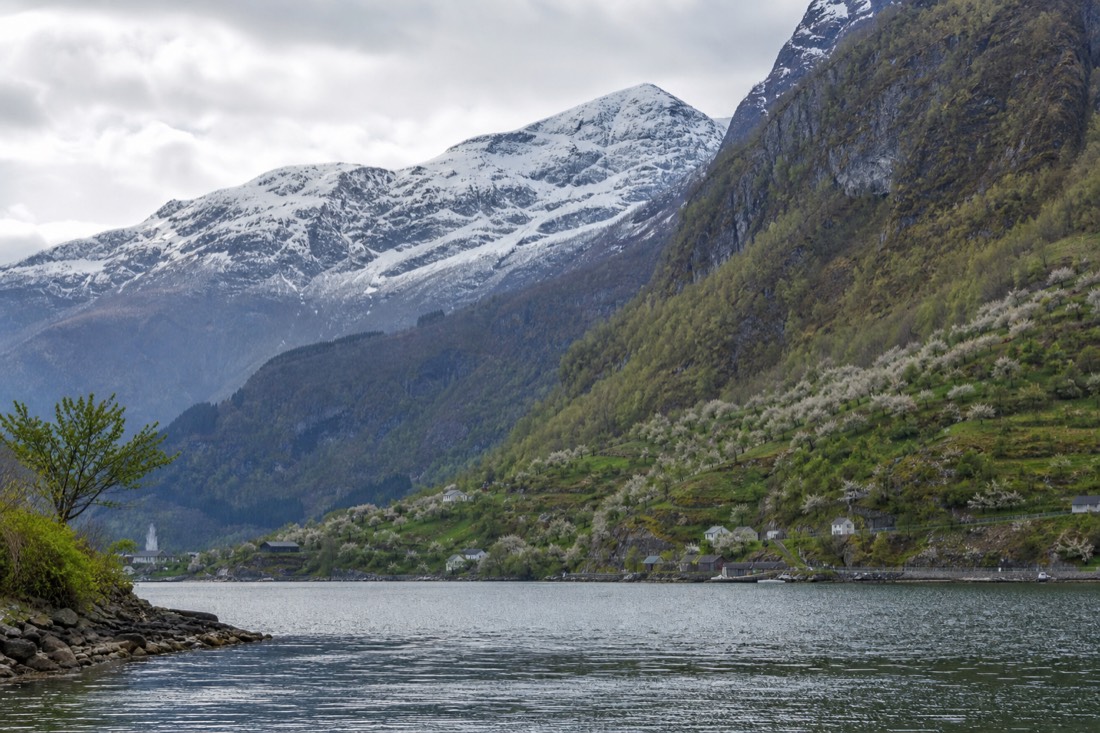
Thinking of Sognefjord as a competitor to Nærøyfjord is the common mistake. It is the system that contains it. The main trunk is broad and open, more sea than canyon, and the tight photogenic scenery sits in its side arms. So "we sailed the Sognefjord" can mean anything from a wide grey crossing to the narrowest water in the country.
Hardangerfjord is the one to pick if you are travelling in May. The orchards along the shore blossom while snow is still on the plateau above, and the contrast is the single best reason to visit western Norway in spring rather than summer. It is also close enough to Bergen for a long day out, alongside the other options in our day trips from Bergen. Visit Norway keeps the measured figures for each fjord on its fjord facts page.
What Is The Best Month To See A Fjord By Boat?
June and September. Both give you full sailing schedules and decent light with far fewer passengers than July, and September adds autumn colour on the lower slopes. May is good for waterfalls at full melt. The year-round Bergen sailings work even in January.
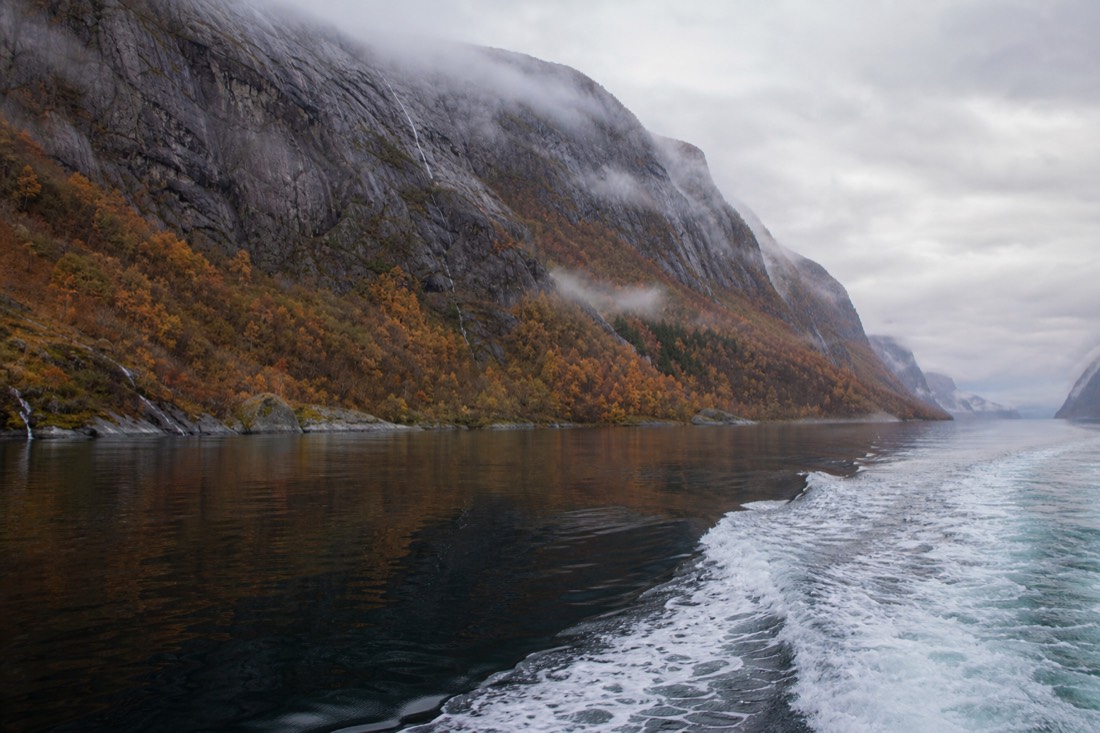
Waterfall volume is the seasonal variable nobody mentions in advance. Late spring runs on snowmelt, so May and June give you the fullest falls, while by late August some of the smaller ones have thinned to streaks on the rock. Autumn rain brings them back. If waterfalls are the reason you are going, aim early rather than late.
| Month | Sailing availability | What you get | Watch out for |
|---|---|---|---|
| Jan to Apr | Check each route’s winter timetable | Empty water, snow on the walls | Geiranger has more limited winter transport |
| May | Most routes opening | Peak snowmelt waterfalls, orchard blossom | Some mountain roads still shut |
| June | Full | Long light, full falls, pre-peak crowds | Weather and sailing changes remain possible |
| July | Full | Warmest weather, everything running | Highest prices and crowd levels |
| August | Full | Warm water, late summer light | Smaller waterfalls thinning |
| September | Full into late month | Autumn colour, calm, thinning crowds | Shortening days |
| Oct to Dec | Winding down to year-round routes only | Cheapest travel, moody light | Seasonal sailings ending |
How Do You Actually Get On The Water At Each One?
Geiranger runs short summer sightseeing cruises from the village quay. Nærøyfjord is usually reached by combining a train to Flåm with a fjord boat. Bergen has year-round sailings up its own narrow fjord arms, with Nærøyfjord winter sailings also available on dated timetables.
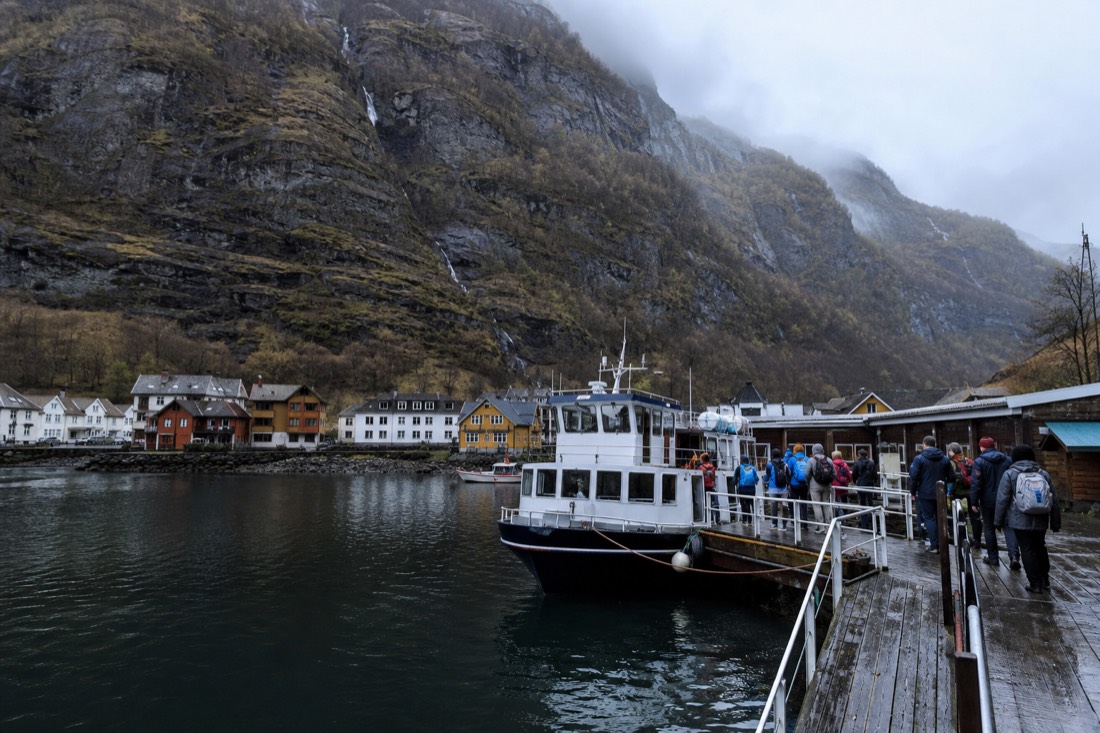
The practical differences are large, and they matter more than the ranking does:
| Sailing | Platform | Rating | Length | Season |
|---|---|---|---|---|
| Geiranger Fjord sightseeing cruise | Viator | Check current listing | 75 minutes | Summer |
| Viking village, Nærøyfjord cruise and Flåm Railway from Bergen | Viator | Check current listing | 10.5 hours | Guided day trip |
| Flåm Railway, Nærøyfjord and Stegastein viewpoint | GetYourGuide | Check current listing | 13 to 14 hours | May to September, no under-4s |
| Mostraumen cruise from Bergen | GetYourGuide | Check current listing | 3.5 hours | Year-round |
| Mostraumen with local guides | Viator | Check current listing | 3.5 hours | Year-round |
Related planning: sailings we track.
What Does The UNESCO Listing Actually Cover?
Two fjords, not the fjords in general. The West Norwegian Fjords World Heritage site, inscribed in 2005, covers Geirangerfjord and Nærøyfjord specifically. Every other Norwegian fjord, including Sognefjord and Hardangerfjord, sits outside the listing.
It is a distinction worth carrying into how you read tour listings generally.
Marketing language blurs this constantly, and travellers reasonably come away believing Norway's fjord country is uniformly World Heritage. The inscription is narrow and precise, which is worth knowing when a listing claims UNESCO status for a trip that visits neither.
| Fjord | UNESCO inscribed |
|---|---|
| Geirangerfjord | Yes, 2005 |
| Nærøyfjord | Yes, 2005 |
| Sognefjord | No; Nærøyfjord is an arm of the wider system |
| Hardangerfjord | No |
| Lysefjord | No |
| Trollfjord | No |
The inscription is also worth reading for what it actually recognises: a glacial landscape of exceptional scale and preservation, including the waterfalls, the abandoned farms clinging to the walls and the underwater topography. It is a geological citation rather than a beauty contest, which is why it covers two specific fjords rather than the region.
None of this makes the others lesser. Lysefjord carries Preikestolen and Hardanger has the orchards and Vøringsfossen; the listing recognises a specific glacial landscape rather than ranking beauty.
How Do The Fjords Change In Winter?
They get quieter, snowier and harder to reach by road, but ice can affect narrow passages, and each route has its own winter timetable. Winter fjord cruising is one of the more underrated experiences in Norway.
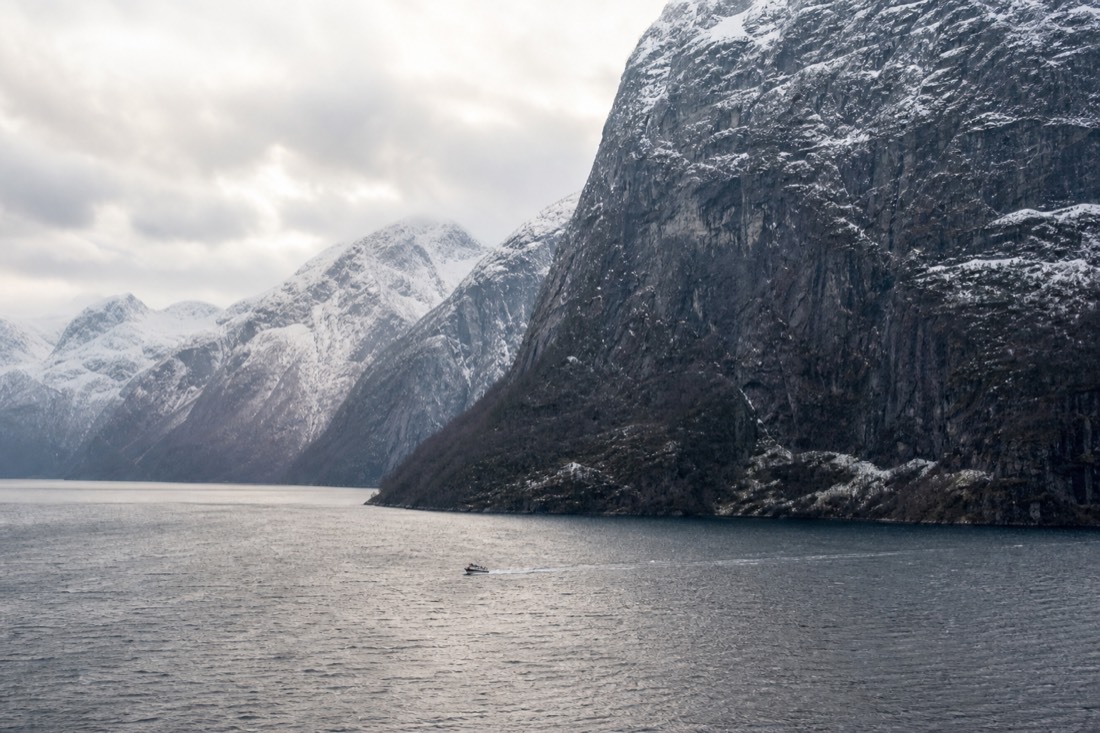
Visitors assume the fjords close for winter and largely stay away, which is exactly what makes the season attractive. The Bergen cruises offer scheduled year-round sailings, and the fjord walls with snow on them are arguably better than in summer haze.
| Element | Summer | Winter |
|---|---|---|
| Cruises from Bergen | Daily | Daily; year-round operation |
| Fjord water | Ice-free | Ice can affect some passages |
| Mountain access roads | Open | Many closed; Geiranger harder to reach |
| Waterfalls | Full flow | Partly frozen, spectacular |
| Crowds | Heavy in July | Very light |
| Daylight | Long | Short; take an early sailing |
Winter sailings also run to a reduced timetable, which is worth checking rather than assuming. Daily departures in July can become a handful a week in January on the smaller routes, and the last sailing of the day may leave in what is effectively darkness.
The access row is what shapes a winter fjord trip. Bergen and its fjord arms stay easy; Geiranger and the high scenic roads do not, so the western coast is the winter choice.
Which Fjord Suits Photographers, And Which Suits First-timers?
First-timers do best on Nærøyfjord for sheer narrowness and easy access from the Bergen railway. Photographers often prefer Geirangerfjord for its waterfalls and the elevated road viewpoints that let you shoot down onto the water.
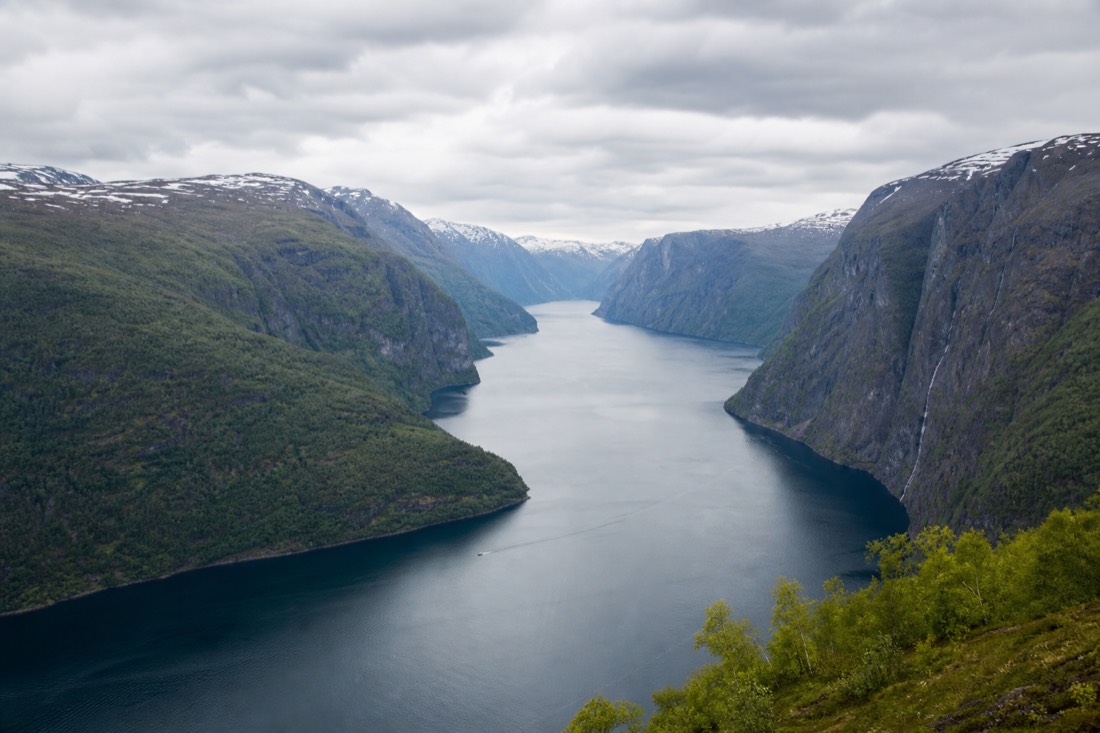
The two most famous fjords are strong in different ways, and the split falls roughly along whether you want to be on the water or above it. Nærøyfjord is best experienced from a boat; Geirangerfjord rewards height.
| Nærøyfjord | Geirangerfjord | |
|---|---|---|
| Best viewpoint | From the water, walls close on both sides | From above, on the Eagle Road |
| Access | Easy via the Bergen railway and Flåm | Road-dependent; seasonal |
| Signature feature | Extreme narrowness | Waterfalls including the Seven Sisters |
| Crowding | Managed by boat capacity | Heavy on cruise-ship days |
| Winter access | Straightforward from Bergen | Difficult |
| Suits | First-time visitors, rail travellers | Photographers, road trips |
If you only have one fjord day and are basing yourself in Bergen, the answer is Nærøyfjord and it is not particularly close. Geiranger rewards a trip built around it.
How Long Do You Actually Need At Each Fjord?
A few hours on the water covers any single fjord properly. Nærøyfjord fits inside a day trip from Bergen, Geirangerfjord realistically needs an overnight because of how remote it is, and Lysefjord works as a half day from Stavanger.
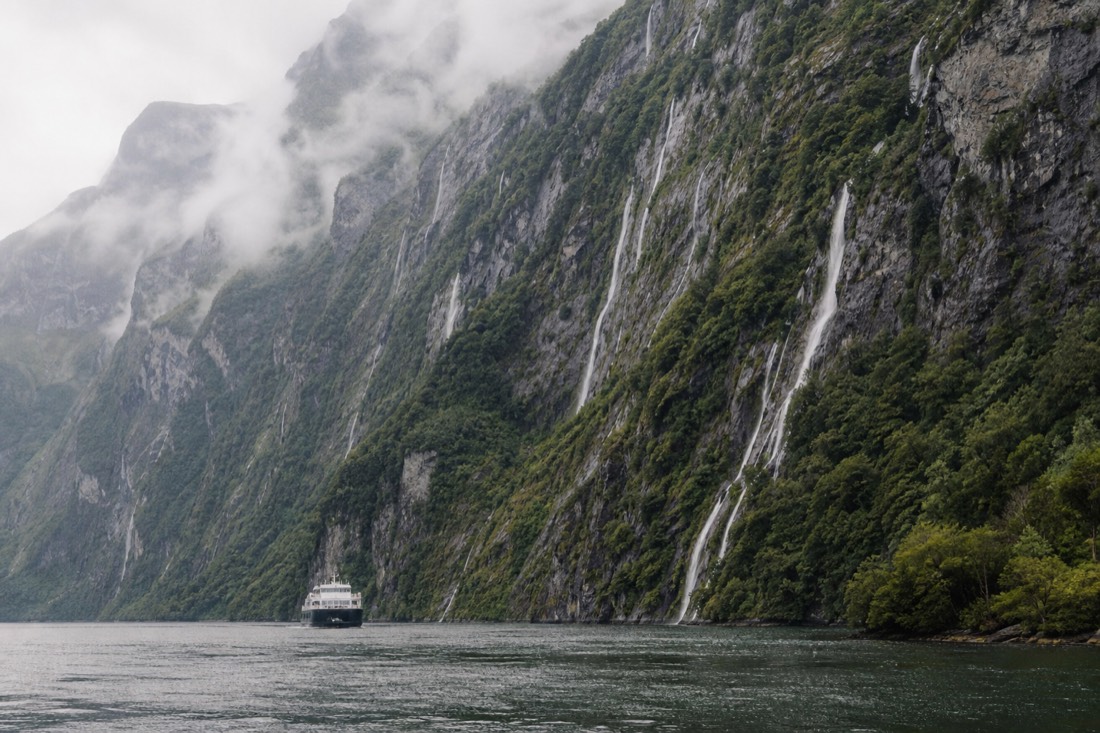
Fjord visits are shorter than most itineraries assume. The sailing itself rarely exceeds a few hours, and the time cost is almost entirely in reaching the departure point, which is what should drive the planning.
| Fjord | Time on the water | Realistic total | Base |
|---|---|---|---|
| Mostraumen, from Bergen | About 3.5 hours | Half a day | Bergen |
| Nærøyfjord | Around 2 hours | A full day with the railway | Bergen or Flåm |
| Geirangerfjord | About 75 minutes | Overnight; access is the constraint | Geiranger or Ålesund |
| Lysefjord | Around 3 hours | Half a day | Stavanger |
| Hardangerfjord | Varies | A full day by road | Bergen |
The access column is the one that decides itineraries. Geiranger's short cruise sits at the end of a long journey, which is why it belongs on a road trip or a coastal voyage rather than a day trip from a city.
If you have one fjord day on the whole trip and you are staying in Bergen, take the Nærøyfjord option with the railway. It packs the most distinct landscape into a single day of anything in the country.
Which Fjord Looks Best If You Never Get On A Boat?
Geirangerfjord, decisively. Its road viewpoints, the Eagle Road and the Flydalsjuvet overlook, deliver the postcard composition from above. Nærøyfjord is the opposite: extraordinary from the water and largely hidden from any road.
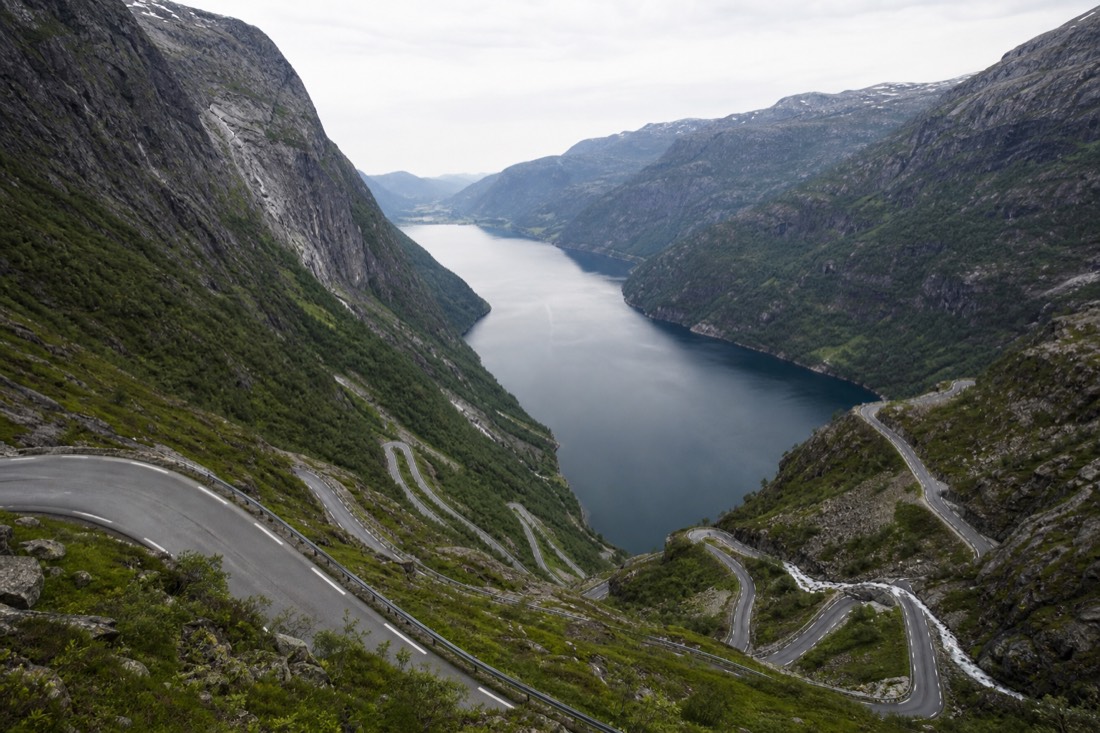
Not every traveller wants a boat trip, and the fjords differ enormously in how well they present themselves from land. This is worth knowing before choosing which one to build a day around.
| Fjord | From the road | From the water |
|---|---|---|
| Geirangerfjord | Excellent; famous elevated viewpoints | Good |
| Nærøyfjord | Limited road access | Exceptional; the walls close in |
| Lysefjord | Preikestolen, if you hike | Excellent, looking up |
| Hardangerfjord | Very good; the road follows the shore | Good |
| Sognefjord | Good in places | Good |
Its blossom season in late spring is a genuine event locally, and it is one of the few times a Norwegian landscape is celebrated for something other than rock, water or ice.
Hardangerfjord deserves more attention from drivers than it gets. The road runs along the water for long stretches, past orchards and waterfalls, which makes it the most rewarding fjord in the country to simply drive.
Both need a route-specific travel calculation; Geiranger in particular can involve a substantial detour.
If you are travelling by car and short on time, Geiranger and Hardanger give the most per hour without a ticket. If you are on the Bergen railway, Nærøyfjord by boat is the one to take.
Which One Should You Pick With Limited Time?
If you are based in Bergen with one free day, take Nærøyfjord via Flåm or a short Mostraumen sailing. If you are driving the west coast, take Geiranger. If you are in Norway in winter, compare dated winter sailings and travel connections for each fjord.
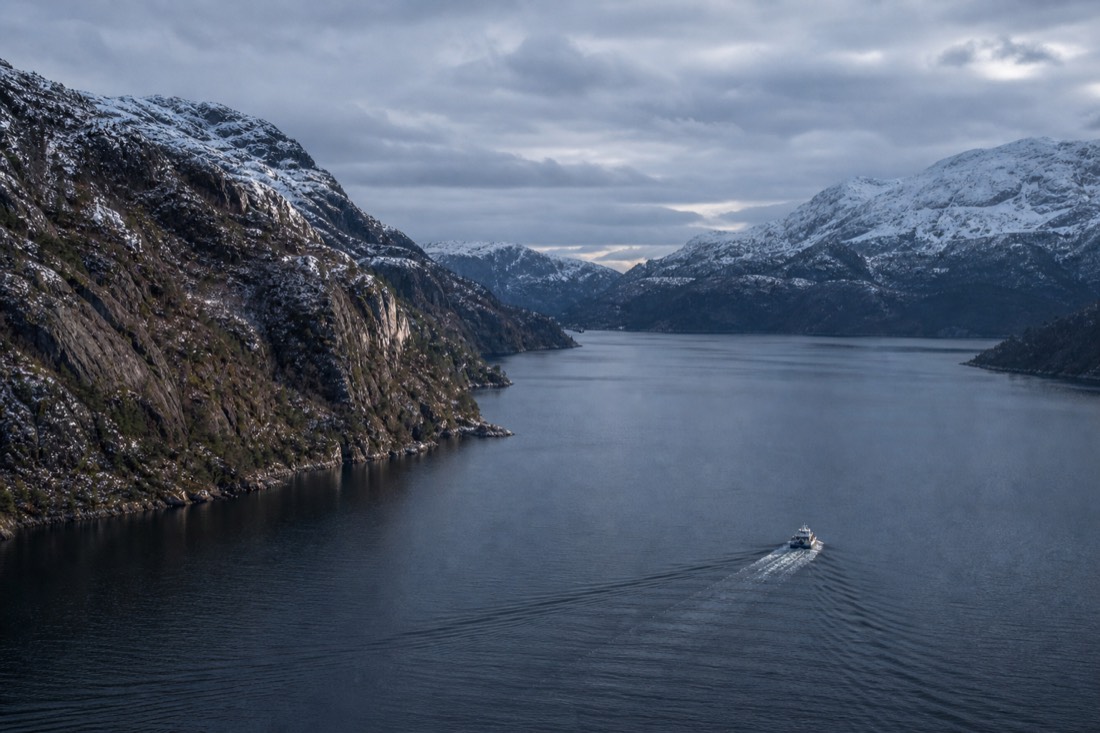
Base location decides this more than beauty does. Geiranger sits far up the west coast and belongs to a road trip or a coastal voyage, not to a Bergen weekend. Nærøyfjord attaches cleanly to the Bergen and Oslo rail corridor, which is why it appears in nearly every packaged itinerary. Bergen's own fjord arms are the fallback that works in multiple seasons, subject to weather, and they are genuinely good rather than a consolation prize.
Whichever you choose, the village at the end of the water is often the memory people keep, and we ranked those separately in our look at Norway's prettiest towns. Timings, ferry seasons and current sailing schedules are published on visitnorway.com, and they change enough between years that checking beats assuming.
Choose Your Norway Experience
Geiranger Fjord Sightseeing Cruise : 75 min. See Geirangerfjord from the water on a 75-minute sightseeing cruise. Have a date in mind? Check it before arranging the rest of your Norway trip.
1 hour 15 minutes. Start and finish at Geiranger harbour. Arrive 15 minutes early. English audio guide; drinks cost extra. Allow separate travel time to Geiranger.
Choose a date to see scheduled departures. Final availability and price are confirmed on Viator.
No verified experience fits those requirements. Adjust your choices, or keep the independent plan described above.
Compare Options And Fit Your Plans
General recommendation until you choose. Choose the city where the activity starts, not your arrival airport. Month filters describe the experience’s season, not confirmed departures. Allow travel to the meeting point as well as the listed duration. Confirm your exact option and access needs when booking.
- Guided tour - Viking Village, Nærøyfjord Cruise and Flåm Railway: 10 hours 30 minutes. Join the Nærøyfjord cruise, Flåm Railway and Viking village in one guided day. Round trip from Strandkaien 16, Bergen. Choose the English option. Food and drinks cost extra. This is a day trip, with no hotel night.
- Guided tour to Hardangerfjord with Waterfalls and Ferry Crossing: 8 hours 30 minutes. Visit Hardangerfjord waterfalls with a guide, minibus transport and a ferry crossing. 8.5 hours from Strandkaien 1, outside tourist information. Ages 4+. Ferry tickets are included; meals are not. Meet 10 minutes before departure.
- Mostraumen Fjord Cruise : Operated & Guided by Locals: 3 hours 30 minutes. Cruise from Bergen into Osterfjord and the narrow Mostraumen passage. Meet at the pier between Strandkaien Terminal and Mathallen. English audio commentary. Winter ice can require an alternative route.
- Stavanger Silent Lysefjord and Pulpit Rock Cruise by Hybrid Boat: 3 hours 30 minutes. See Preikestolen from below and cruise past Lysefjord waterfalls with an English-speaking guide. 3.5 hours from Strandkaien near Stavanger tourist information; arrive 15 minutes early. Lunch is excluded. The cruise does not take you onto the Preikestolen plateau.