The Lofoten Islands: Worth The Detour Or A Tourist Trap?
Around a million people a year now visit an archipelago whose villages were built for fishermen, and the strain shows in the parking rules.
 Written with Lars Hansen, Norway Tour Packages Specialist & Experience Guide
Short answer
Lofoten rewards time for villages, coast and changing weather. Summer roads and lodging can be busy; use designated parking. A car, planned buses or guided days can work. Choose your season and base before adding activities.
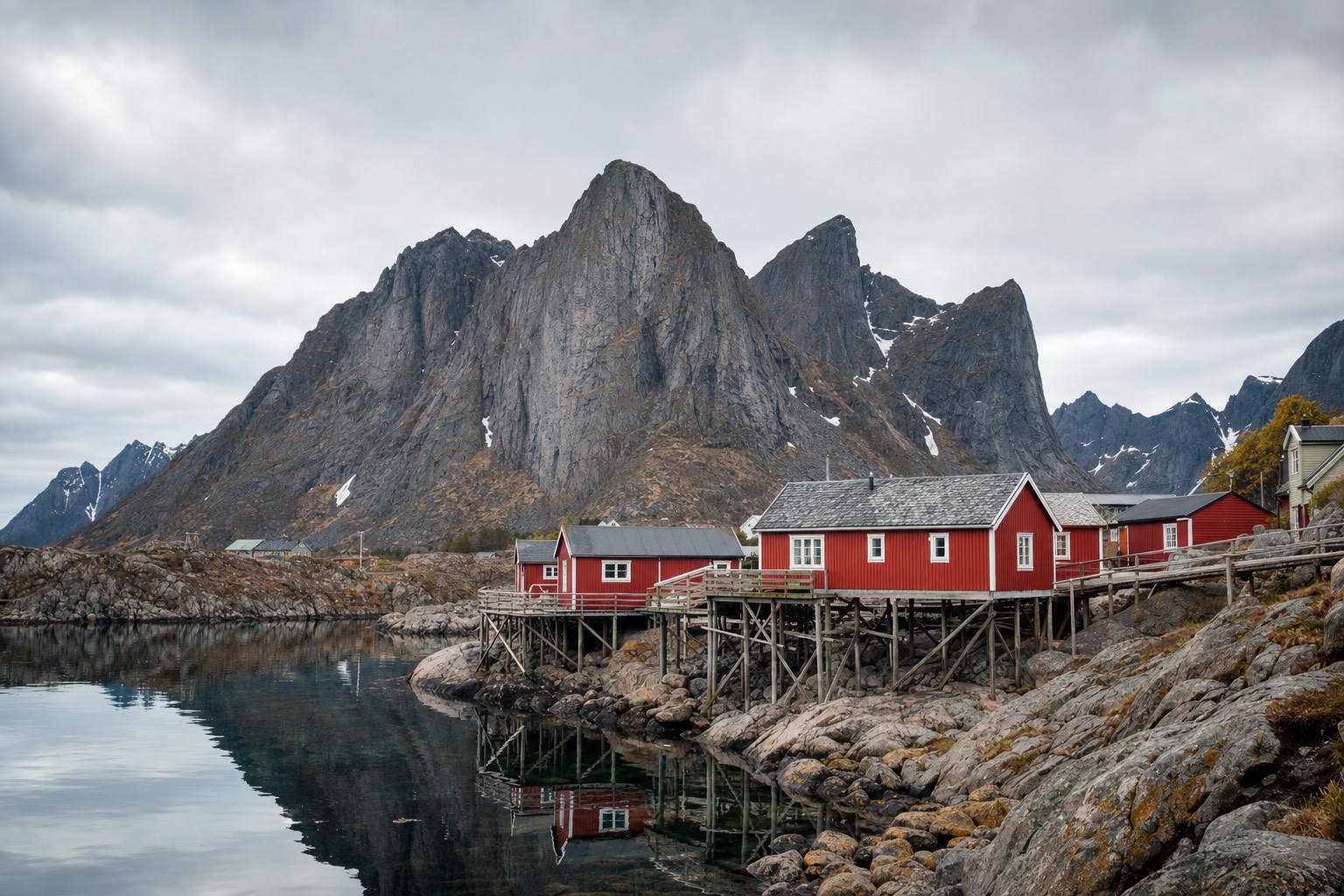
The peaks in Lofoten do something unusual. They rise straight out of the sea to around a thousand metres with almost no foothills in between, which is why photographs of Reine look manipulated and are not. This is an archipelago of fishing villages strung along a single highway above the Arctic Circle, and for most of its history nobody came here to look at it. That changed fast, and the questions people now type into search boxes are about crowds and cost rather than beauty.
Choose a Svolvær base first, then compare a village day by road with a separate Trollfjord sailing.
Booking choice: The guided Reine, Hamnøy and Sakrisøy day reaches the photographed villages without requiring you to drive. It does not include accommodation. Explore Reine, Hamnøy, Sakrisøy Photo Tour from Svolvær
What Exactly Are The Lofoten Islands?
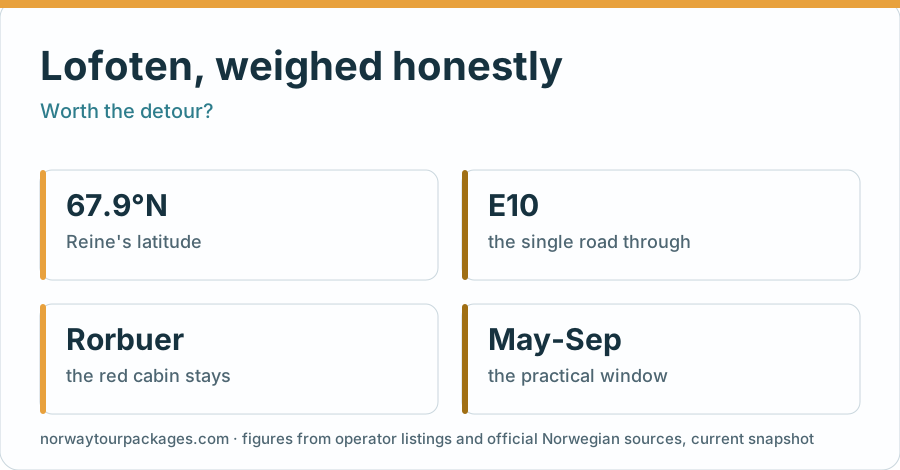
Lofoten is a chain of islands off northern Norway, linked by bridges and tunnels along the E10 highway, which runs 175 km through the archipelago. The villages, Å, Reine, Hamnøy, Nusfjord, Henningsvær and Svolvær, were built around cod fishing. The red cabins on stilts are working fishermen's huts, not decoration.
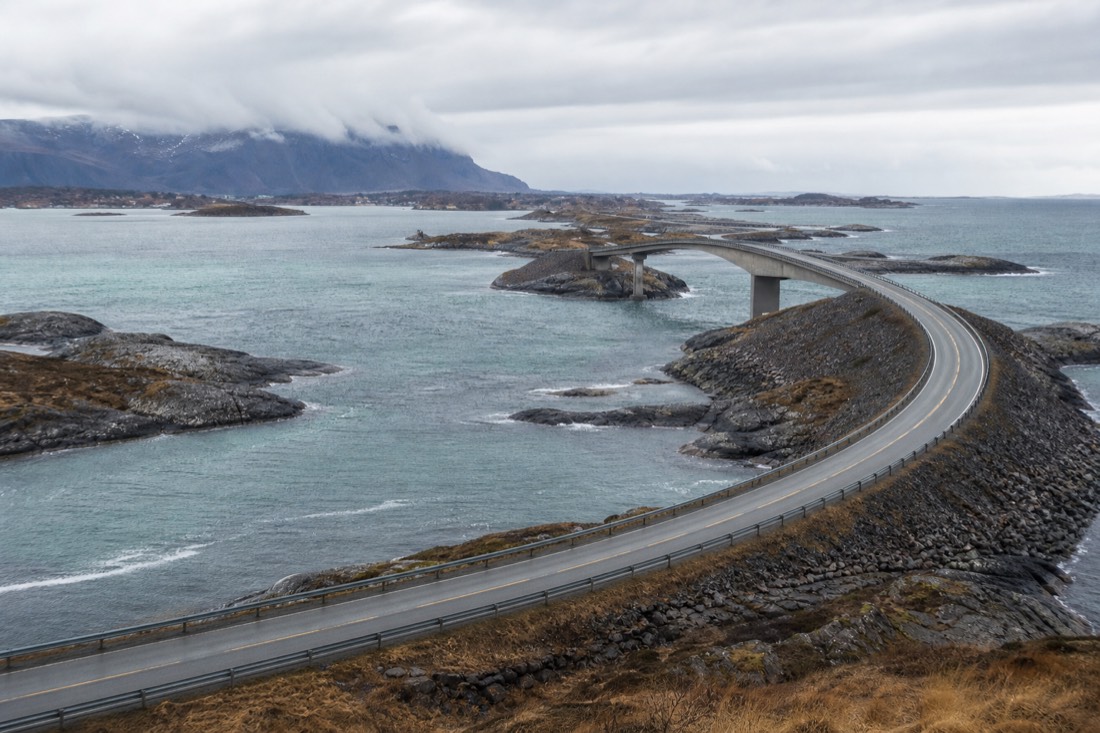
The scale surprises people. You can drive the length of the archipelago in a long afternoon, which makes Lofoten feel compact on a map and slow in practice, because the road is single carriageway, the passing places are small, and every second bend is a photograph. Improvements to the E10 have been planned for rollout from 2026, which tells you how much traffic the route now carries.
The fishing is not a museum piece either. Winter cod, the skrei, still drives the local economy, and the wooden drying racks you pass in February are in active use. That working layer is what separates Lofoten from a resort coastline, and it is worth understanding before you judge the crowds. Visit Norway treats the region as one of the country's headline destinations, and the traffic figures back that up.
Are The Lofoten Islands A Tourist Trap?
No, but the pressure is real. Lofoten now takes an estimated one million visitors a year against a resident population in the tens of thousands, arriving by cruise ship, car, bus and plane. Use designated parking and follow the local signs around Reine; do not stop on the roadside for a photograph. The landscape is not overhyped. The infrastructure is simply outnumbered.
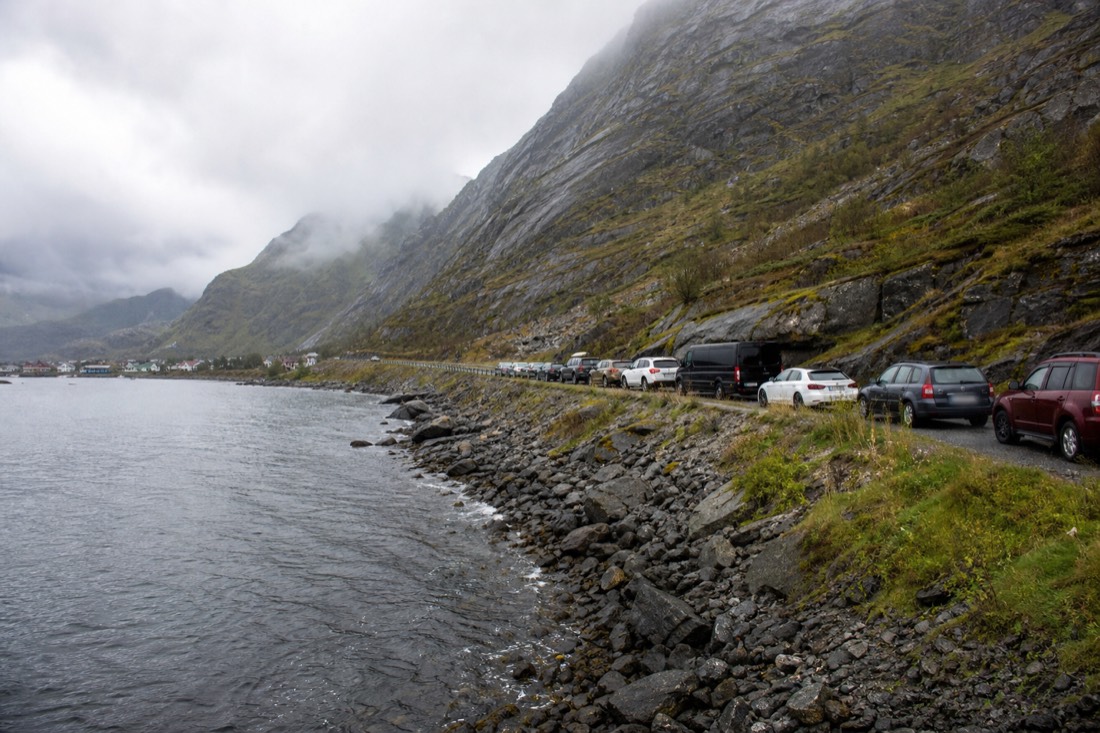
"Tourist trap" usually means the thing is worse than the pictures. That is not the complaint here. The complaint is logistical: too many vehicles on a road with nowhere to leave them, hiking trails eroding faster than they are repaired, and villages of a few hundred residents absorbing coach parties. Research by Nordregio on Nordic tourism pressure frames it as locals and nature being outnumbered, which is a fair description of a July afternoon in Hamnøy.
What that means for you is practical rather than moral. Do not plan to park at Reine. Use designated lots, pay them, walk further than you expected, and shift your trip out of the peak fortnight if you can. The BBC's reporting on pressure in the world's most photographed islands covers the same ground without concluding that anyone should stay away.
How Do You Actually Get To Lofoten?
There are three realistic routes. Fly to Harstad or Narvik Evenes and drive west onto the E10. Fly domestically into Leknes or Svolvær inside the archipelago. Or take the car ferry from Bodø across to Moskenes at the southern tip. Most independent visitors combine a flight with a rental car.
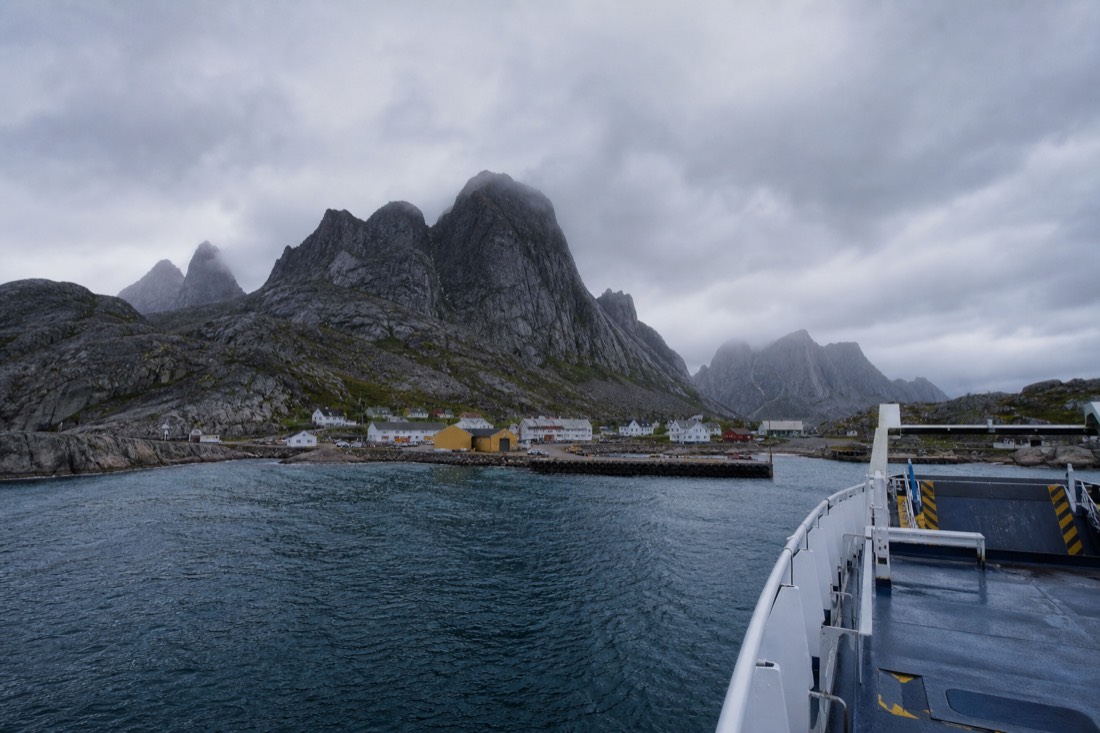
The route you pick decides the shape of your trip. Coming in via Evenes puts you at the eastern end and lets you drive the whole archipelago in one direction, ending at Å. The Bodø ferry drops you at the far southwestern tip and reverses that. Flying into Leknes lands you in the middle, which suits a short stay without a long transfer.
Car ferry space in summer is the thing people underestimate. Vehicle capacity sells out, and turning up on spec in July with a rental car is a gamble. Book the crossing when you book the car, not after.
| Route in | Lands you at | Onward transport | Best for |
|---|---|---|---|
| Fly to Harstad or Narvik Evenes | Eastern approach to the E10 | Rental car, airport bus | Driving the full chain one way |
| Fly to Leknes | Central Lofoten | Rental car, local bus | Short stays, three days or fewer |
| Fly to Svolvær | Eastern Lofoten | Rental car, local bus | Svolvær and Henningsvær base |
| Ferry from Bodø to Moskenes | Southwestern tip, near Å | Drive north along the E10 | Combining with a Bodø or coastal trip |
| Guided multi-day route | Varies, transfers included | Coach and coastal ship | Skipping the rental and ferry planning |
Which Months Are Best In Lofoten?
February and September are the sweet spots. The aurora season runs from late September to late March or early April, and solar activity and cloud vary on each night. Midsummer brings the midnight sun and the crowds together. July is the most beautiful and the most congested month at once.
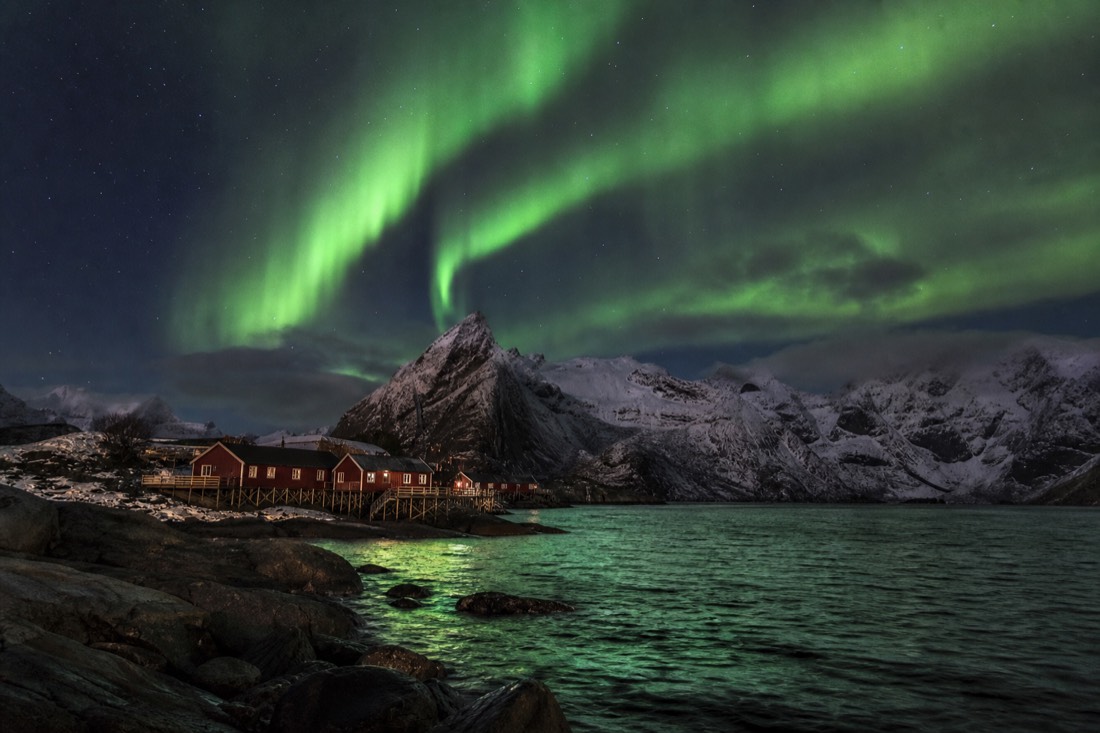
Lofoten sits well above the Arctic Circle, south of Tromsø, with its own late-May-to-mid-July midnight-sun window. That gives you weeks of continuous light for hiking and driving, which is spectacular and slightly disorienting until you get blackout curtains. Winter reverses it into a long blue twilight with strong aurora odds.
Neither season is a compromise. They are different trips. Our midnight sun guide covers the summer version, and Norway in winter sets out what the cold months look like across the country.
| Window | What you get | Crowd level | Watch out for |
|---|---|---|---|
| Late Sep to Oct | Autumn colour, aurora season opens | Low | Shorter opening hours in villages |
| Nov to Jan | Deep winter, blue light, skrei season begins | Low | Limited daylight, icy roads |
| Feb to Mar | Best aurora and snow combination | Moderate | Winter tyres and weather closures |
| Late May to Jul | Midnight sun; check snow and individual trail conditions | Highest in Jul | Parking, ferry space, peak pricing |
| Aug to mid Sep | Long days easing off, warmest water | Moderate | Rain and wind returning |
What Does It Cost, And Is A Rorbu Worth Booking?
Lofoten is expensive even by Norwegian standards, because supply is fixed. A three-bedroom house near Reine can run about 6,000 NOK a night in peak season. A rorbu, the converted fishermen's cabin, is the accommodation worth paying for, and those book out months ahead for summer and February.
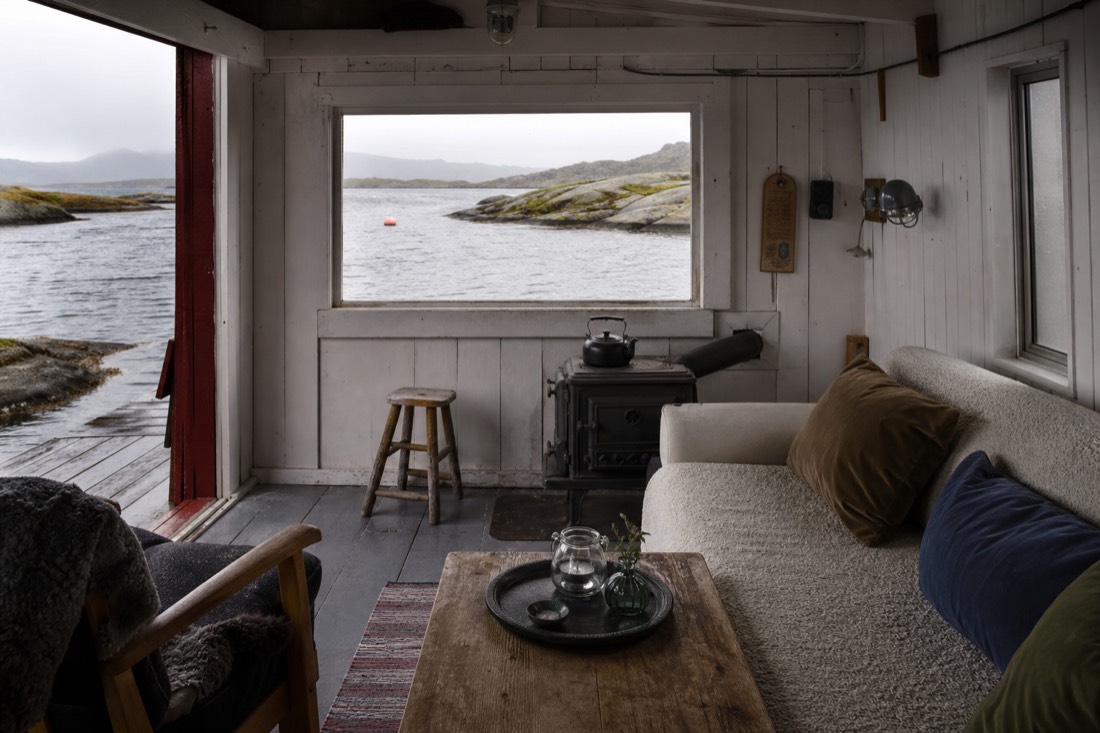
The rorbuer are not a themed hotel concept. They are the actual cabins that housed seasonal fishermen, mostly rebuilt or restored, standing on stilts over the water. Staying in one puts you on the harbour where the boats work, and the good ones near Reine and Hamnøy are the first beds to disappear from the calendar.
Costs stack up in a specific order here: accommodation first, car rental second, ferries and fuel third, food last, since supermarkets are reasonable and restaurants are few. Local coverage such as Guide to Lofoten's look at overtourism is candid about how the pricing has moved. If you want that budget mapped across a whole trip rather than one archipelago, our cost breakdown for Norway does the arithmetic.
What Does A Realistic Lofoten Week Cost And Require?
Lofoten is a self-drive destination with limited public transport, so a car, a planned bus itinerary or guided day transport can work. Accommodation clusters in rorbuer cabins, and the islands' scale is deceptive: Svolvær to Reine is a slow two-hour drive with stops that will take you all day.
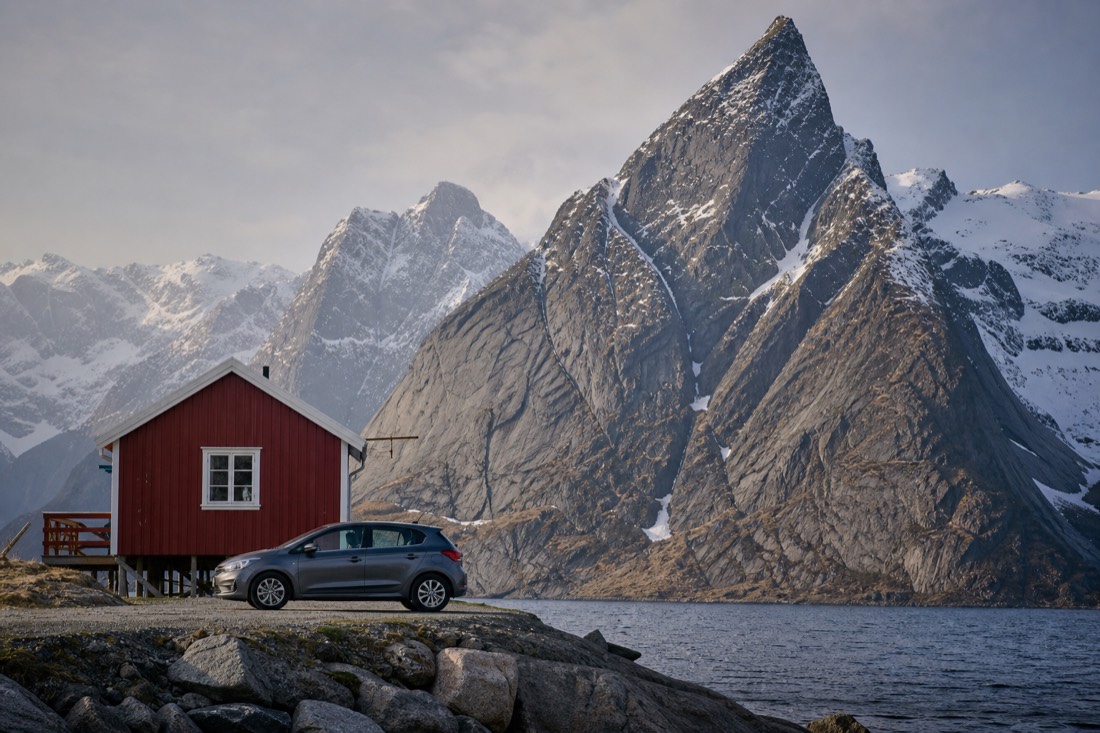
The mistake visitors make is treating Lofoten as one place. It is a 150-kilometre chain, and the E10 road that threads it is single-carriageway with weather, tunnels and photographers stopping abruptly. Distances that look trivial on a map become half-day commitments in practice, which is exactly why the self-guided packages that pre-book lodging along the chain work well here.
| Practicality | The reality |
|---|---|
| Getting there | Fly to Bodø then ferry, fly into Svolvær or Leknes, or drive from Narvik |
| Getting around | Rental car realistically required; buses are sparse |
| Where you sleep | Rorbuer cabins, small hotels, boutique stays; book far ahead in summer |
| Svolvær to Reine | About two hours driving, a full day with stops |
| Peak crowding | July and August, especially Reine and Hamnøy |
| Best light | Midnight sun in summer, aurora from late September |
A self-guided package may arrange lodging but does not remove the driving. If you want someone else at the wheel, the guided Svolvær day below provides transport on its stated village route.
Which Lofoten Viewpoints Are Worth The Effort, And Which Are Overrated?
Reinebringen delivers the archipelago's defining view and demands a punishing stone staircase. Ryten and Kvalvika reward moderate effort with far fewer people. The most photographed spots, Hamnøy bridge and Reine harbour, need no hiking at all, which is why they are crowded.
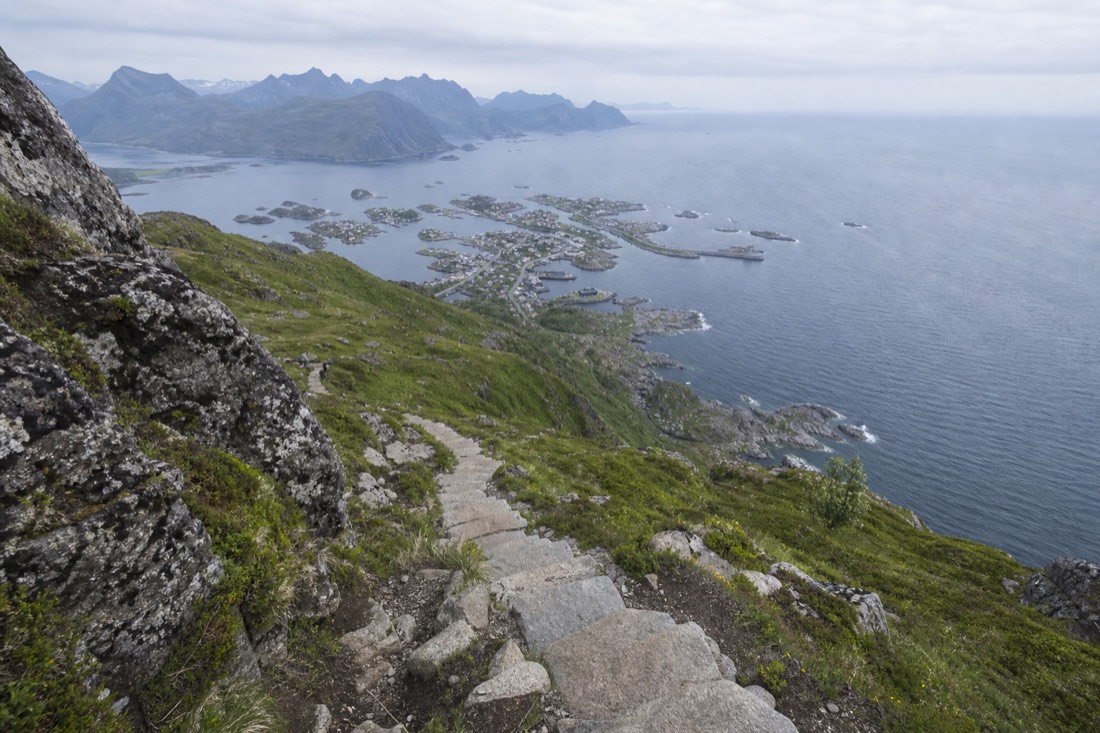
Lofoten's photographic reputation was built on about six compositions, and several of them are roadside. Knowing which is which saves you either a wasted climb or a missed one.
| Viewpoint | Effort | What you get | Verdict |
|---|---|---|---|
| Reinebringen | Steep stone staircase, strenuous | The classic Reine panorama | Worth it if your knees agree |
| Ryten and Kvalvika Beach | Moderate hike | Beach from above, far quieter | The best effort-to-reward ratio |
| Hamnøy bridge | None, roadside | The most-photographed shot in Lofoten | Go early or late for the light |
| Haukland and Uttakleiv beaches | None to short | Turquoise water, aurora foregrounds | Excellent, and underrated in winter |
| Henningsvær | None | Working fishing village, harbour football pitch | Worth a half day |
| Nusfjord | None | Preserved historic fishing village | Quieter than Reine, more atmospheric |
Winter changes this list. The beaches become the strongest aurora foregrounds in the country, while the steep hikes become genuinely dangerous with ice on the stone. Judge the season, not just the map.
What Does Lars Warn People About Before They Book Lofoten?
Two things: the driving takes far longer than the map suggests, and summer accommodation sells out months ahead. Lofoten punishes late booking harder than anywhere else in Norway, because the villages are tiny and the demand is not.
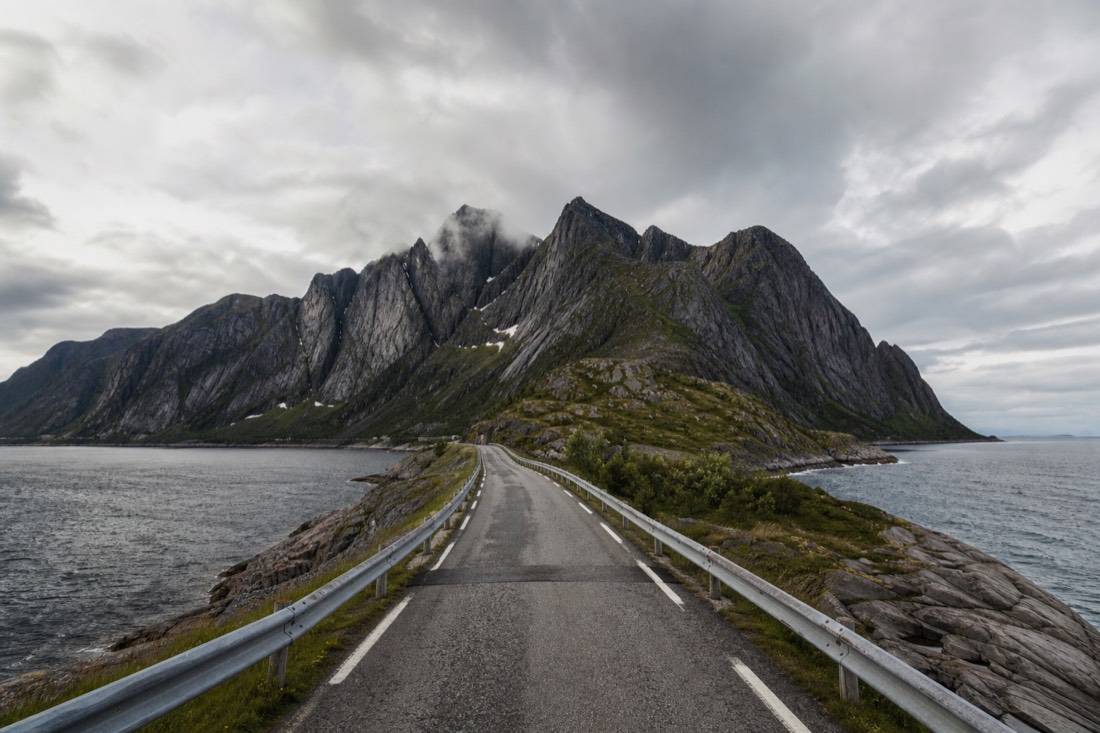
Lofoten has gone from a specialist destination to a photography pilgrimage in about a decade, and the infrastructure has not grown at the same rate. Lars sees the consequences most often as people trying to book Reine in June, six weeks out, and discovering there is nothing left at any price.
| The assumption | The reality | What to do |
|---|---|---|
| It is a compact island group | 150 km chain on a single-carriageway road | Budget days, not hours, per section |
| We will find somewhere to stay | Villages have dozens of beds, not hundreds | Book months ahead for June to August |
| Summer is the only season | Winter has aurora over the beaches | Consider late September to March |
| We can do it without a car | Buses are sparse and slow | Rent, or take a package with lodging booked |
| Reinebringen is a walk | A steep, punishing stone staircase | Judge honestly; Ryten is gentler |
| One day is enough | You will see the road, not the islands | Four days minimum, a week is better |
The self-guided package this site tracks exists precisely for the accommodation problem: the lodging along the chain is booked in advance and the days stay open. It is the middle path between organising eight nights of scarce cabins yourself and surrendering the week to a coach schedule.
Is Lofoten Better In Summer Or Winter?
Summer for hiking, beaches and the midnight sun; winter for aurora over the beaches and empty villages. Winter is the stronger photographic season and the harder logistical one, because the steep hikes ice over and daylight is brief.
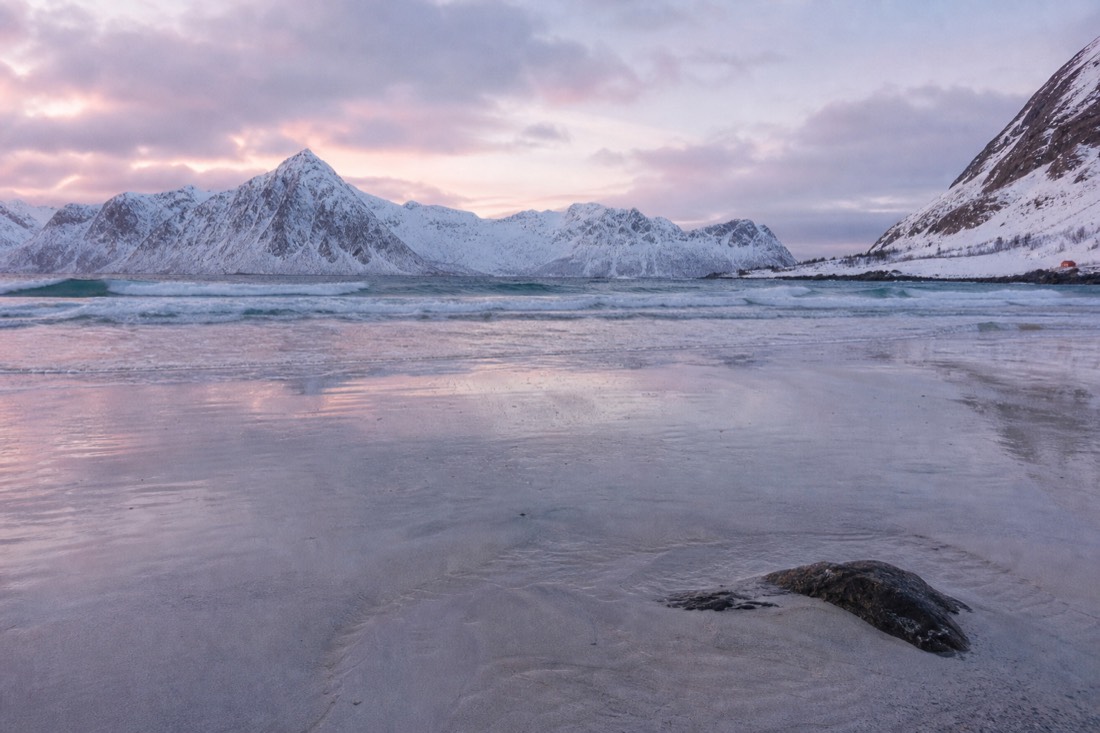
Lofoten is one of the few places in Norway where the two seasons produce genuinely different trips rather than a better and worse version of the same one. The choice depends on whether you want to walk or to photograph.
| Factor | Summer | Winter |
|---|---|---|
| Light | Midnight sun, endless shooting hours | Brief blue daylight plus aurora |
| Hiking | Full access to Reinebringen, Ryten, Kvalvika | Steep routes icy and often unsafe |
| Crowds | Heavy in July and August | Very quiet |
| Accommodation | Books out months ahead | Easier, though some places close |
| Driving | Straightforward | Winter tyres, short days, care needed |
| The beaches | Turquoise water, swimmable if brave | The best aurora foregrounds in Norway |
Shoulder season splits the difference in a way few people consider. Late September and early October still allow the hikes in most conditions, the summer crowds have gone, accommodation loosens up, and the aurora season has already opened over those same beaches. The trade is unsettled weather and a real chance of a washed-out day, which is why it suits travellers with four or five nights rather than two.
For a first visit where walking matters, take summer and book early. For photography, winter on the Haukland and Uttakleiv beaches is the reason many people come back.
What Is The Food And Supply Situation Across The Islands?
Thinner than most visitors expect. Villages have small supermarkets with limited hours, restaurants cluster in Svolvær, Henningsvær and Reine, and many close outside season. Self-catering is normal here, and stocking up in a larger town is standard practice.
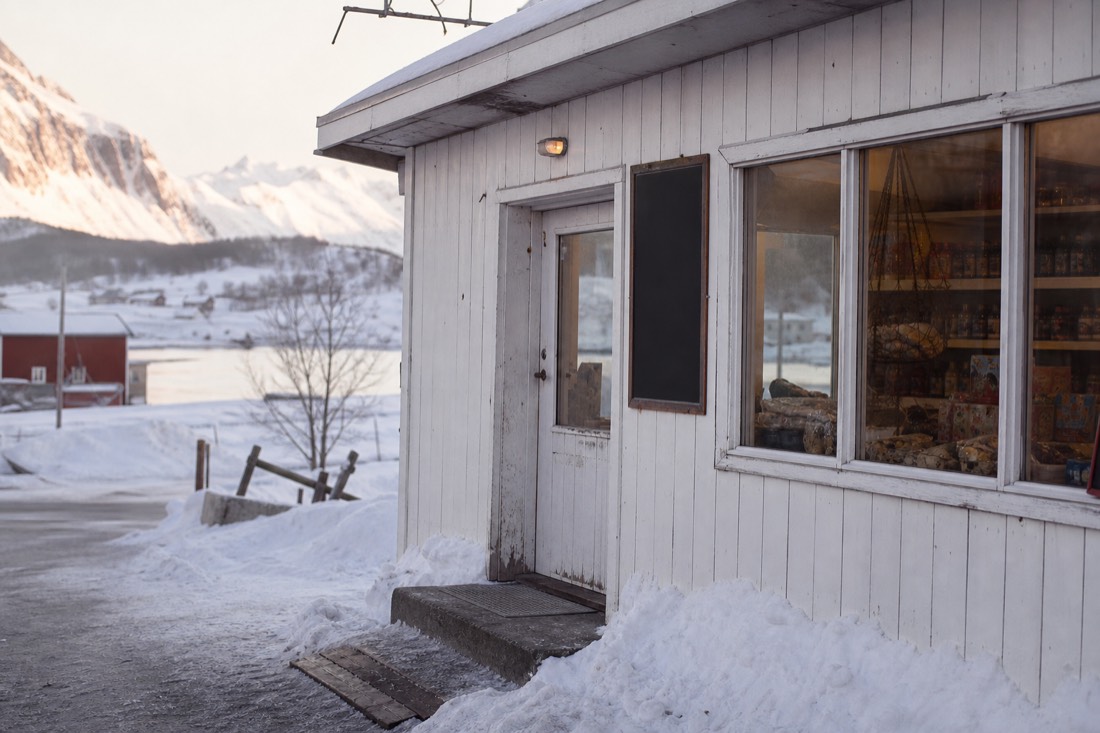
This catches out travellers who assume a famous destination implies a developed hospitality strip. Lofoten's permanent population is small, and much of the visitor accommodation is self-catering rorbuer cabins precisely because eating out every night is not always an option.
| Practicality | The reality |
|---|---|
| Supermarkets | Present in the larger villages; limited opening hours |
| Restaurants | Concentrated in Svolvær, Henningsvær and Reine |
| Off-season | Many places close; check before relying on one |
| Alcohol | Beer in supermarkets, spirits and wine at Vinmonopolet only |
| Fuel | Stations are sparse; do not run the tank low |
| Cabins | Usually have a kitchen, and you will use it |
Weather adds a second supply consideration. Storms can close sections of the E10 or suspend ferry crossings at short notice, occasionally for a full day, and when that happens the village you are in becomes the village you stay in. Keeping a day of food in the cabin is ordinary practice here rather than over-preparation, and locals treat it as unremarkable.
The fuel line deserves attention on a self-drive trip. Distances between stations on the E10 are long enough that arriving in a small village on a quarter tank in winter is an avoidable mistake.
How Many Days Do You Need, And Should You Go Guided?
Three full days is the working minimum, four or five is better, and anything under two is mostly driving. Independent travel gives you dawn light at Hamnøy and total flexibility. A guided day provides transport only on its stated route; check ferry travel, accommodation and transfers separately.
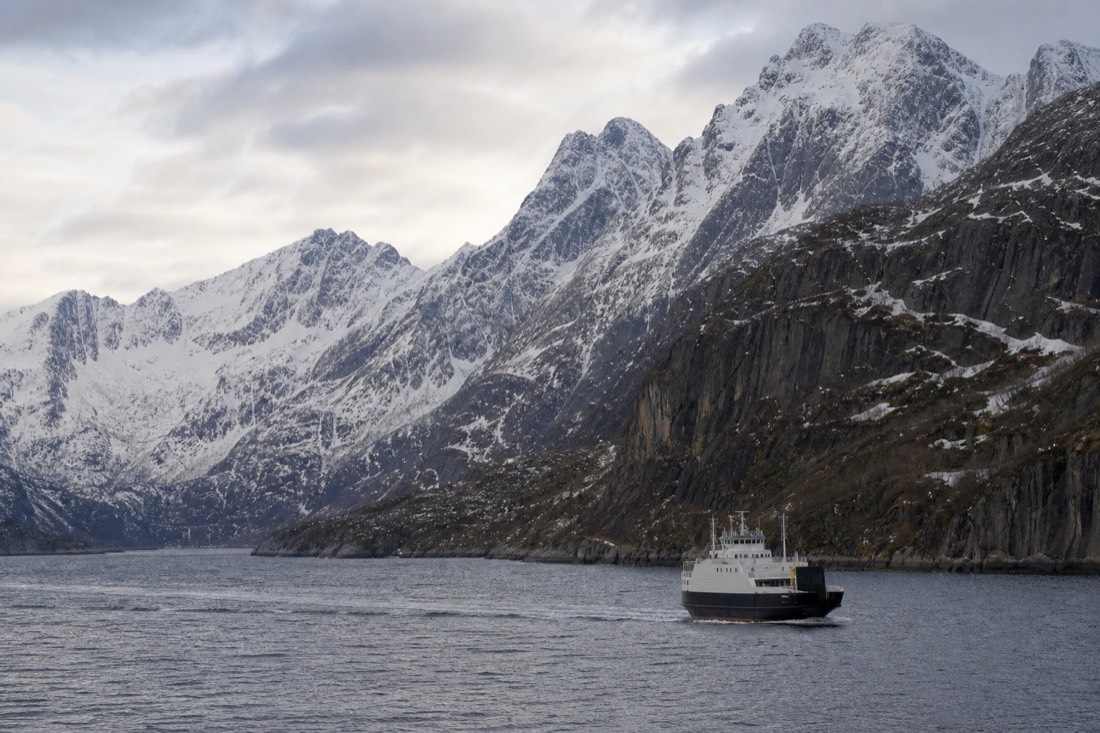
The self-drive case is strong in summer and weaker in deep winter, when a snow-covered single carriageway above the Arctic Circle asks a lot of a visiting driver.
Related planning: multi-day options.
| Local experience | Starting point | Duration | What it covers |
|---|---|---|---|
| Reine, Hamnøy and Sakrisøy guided photo day | Svolvær | 7 hours | Road transport and village stops; no lodging |
| Silent Trollfjord cruise | Svolvær | 3.5 hours | Fjord scenery by boat; no Reine land visit |
Whichever way you travel, decide early whether Lofoten is the trip or a piece of one. Slotting it onto the end of a fjord itinerary usually means two travel days for two nights, and that is the version people come home disappointed by. Give it its own block of days or leave it for the next trip.
Choose Your Norway Experience
Reine, Hamnøy, Sakrisøy Photo Tour from Svolvær. Visit Reine, Hamnøy and Sakrisøy with a guide and transport from Svolvær. Have a date in mind? Check it before arranging the rest of your Norway trip.
7 hours. Seven hours, ages 5–85. Selected hotel pickup or the Svinøya meeting point. Lunch and refreshments cost extra; at least two guests are needed for departure. This is sightseeing, not a summit hike.
Choose a date to see scheduled departures. Final availability and price are confirmed on Viator.
No verified experience fits those requirements. Adjust your choices, or keep the independent plan described above.
Compare Options And Fit Your Plans
General recommendation until you choose. Choose the city where the activity starts, not your arrival airport. Month filters describe the experience’s season, not confirmed departures. Allow travel to the meeting point as well as the listed duration. Confirm your exact option and access needs when booking.
- Lofoten Island: Silent Trollfjord Cruise from Svolvær: 3 hours 30 minutes. Sail from Svolvær to Trollfjord with an English-speaking guide and indoor viewing space. Meet at the main-square pier beside Paleo Arctic, Torget 22, 15 minutes early. Underwater-drone use depends on conditions. No land tour of Reine is included.