Norway In Winter 2026-2027: What Actually Works From November To March
Winter splits Norway into two countries, a mild wet south and a dark Arctic north, and the trip you book should match the one you land in.
 Written with Lars Hansen, Norway Tour Packages Specialist & Experience Guide
Short answer
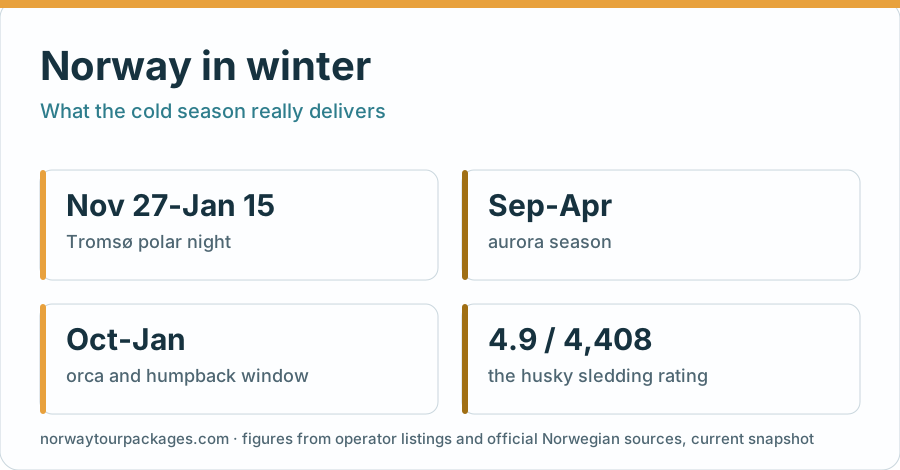
Winter conditions vary between the wet coast, cold inland areas and Arctic north. Tromsø’s polar night runs roughly late November to mid-January. Aurora searches, whale trips and snow activities have different seasonal windows and remain weather dependent.
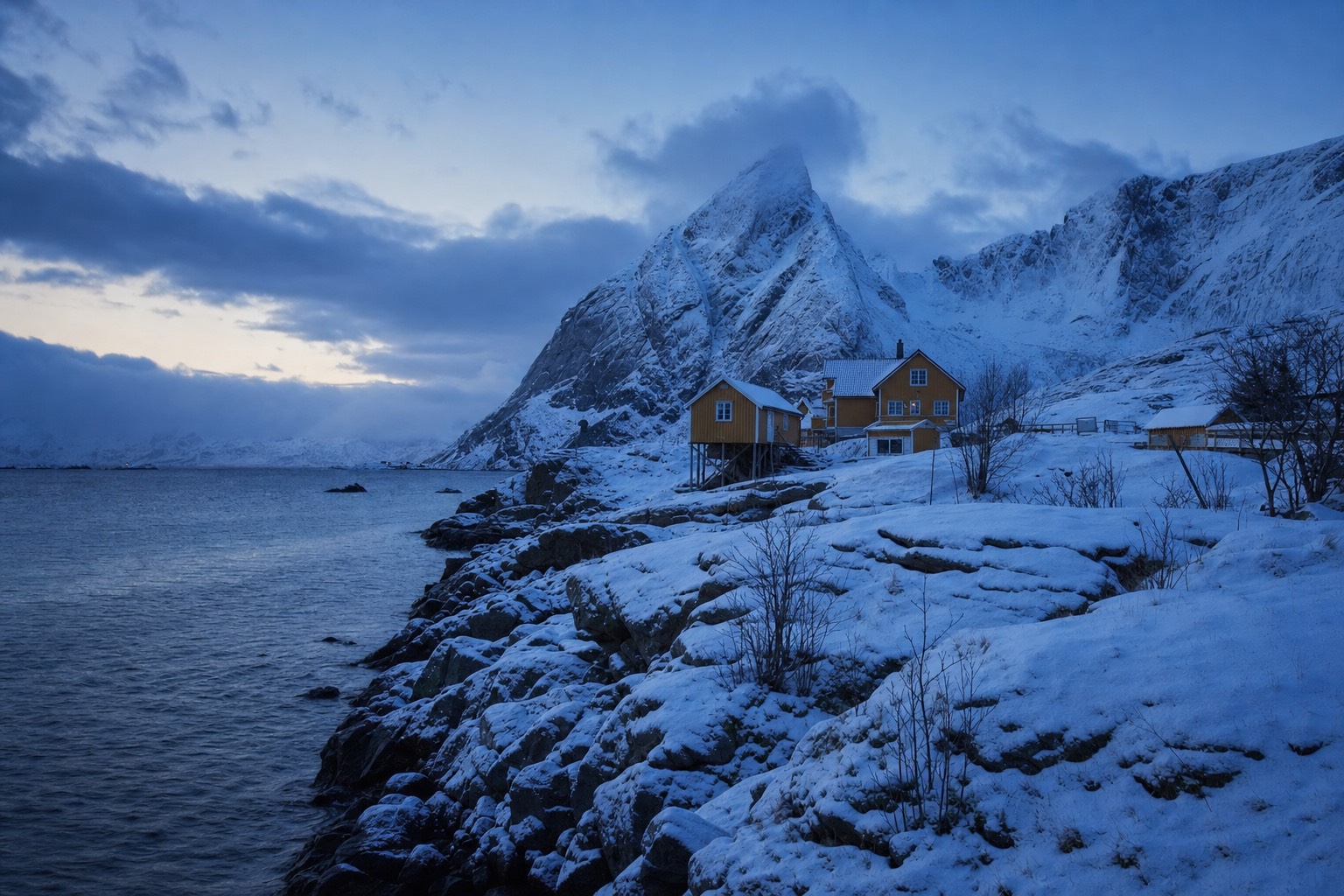
On the first of January, Oslo has only a short daylight window. It rises at 09:18 and drops back below the horizon at 15:22. Go north to Tromsø on that same date and the sun does not come up at all, because the city sits inside polar night. Winter in Norway is not one climate and not one trip. It splits hard between a wet, grey, surprisingly mild coast and an Arctic north where the darkness is the product people fly in to buy.
Winter choices depend on darkness, snow and the city where your activity begins.
Booking choice: For Tromsø, an aurora safari is the starting evening choice. Ski lessons and whale cruises are separate daytime plans with their own seasons. Explore Tromsø Northern Lights Chase We Go Where The Lights Appear
How Cold Does Norway Actually Get In Winter?
Coastal Norway is far milder than the latitude suggests. Bergen, the west coast and even Tromsø hover close to 0°C for much of the winter because warm Atlantic water moderates the whole seaboard. Inland valleys and mountain plateaus are the cold ones, dropping to -10°C or -20°C, with rare snaps reaching -40°C.
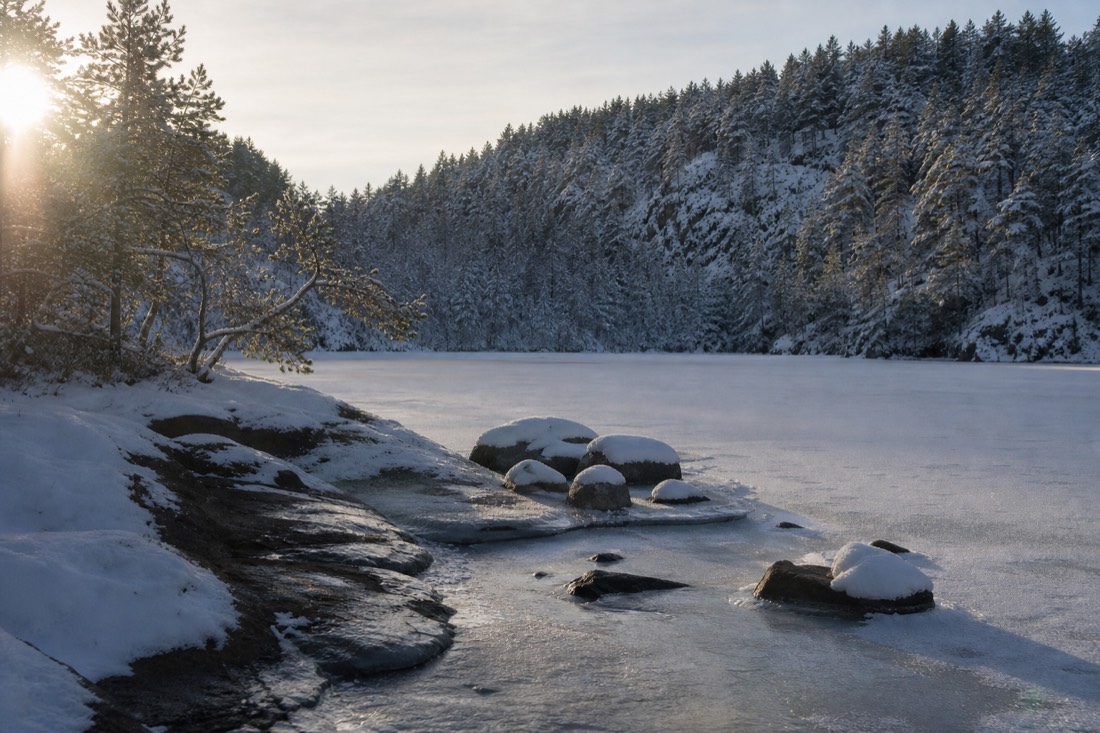
The number that surprises people is Tromsø. It sits roughly 350 km inside the Arctic Circle, yet its winter temperatures often read warmer than Oslo's, and much warmer than a Finnmark plateau on the same night. Wind and damp do more damage than the thermometer does. A still -15°C inland morning feels manageable in the right layers, while 1°C with horizontal rain in Bergen soaks you through in twenty minutes.
That difference should shape where you go. If you want reliable snow underfoot, head inland or north. If you want fjords, waterfalls and dark green water without ice, the west coast delivers that all winter. Visit Norway's winter overview is blunt about the split, and the forecast side is worth checking on the Norwegian Meteorological Institute rather than a generic app, since coastal weather here turns inside a couple of hours.
| Region | Typical winter conditions | Snow underfoot? | What it suits |
|---|---|---|---|
| Bergen and the west coast | Around 0°C, wet, windy | Rarely at sea level | Fjord boats, city time, waterfalls |
| Oslo and the southeast | Cold spells with thaws between | Often, not guaranteed | City breaks, cross-country skiing nearby |
| Tromsø and the northern coast | Around 0°C, moderated by the sea | Yes, most of the season | Aurora, whales, husky trips |
| Inland valleys and plateaus | -10°C to -20°C, extremes to -40°C | Deep and dependable | Skiing, sledding, proper Arctic cold |
How Much Daylight Do You Get, And What Is Polar Night?
Southern Norway keeps six to eight hours of daylight through the winter months, enough for a full city day if you start early. Tromsø runs a polar night from roughly 27 November to 15 January, when the sun never clears the horizon, though a long blue twilight still lights the middle of the day.
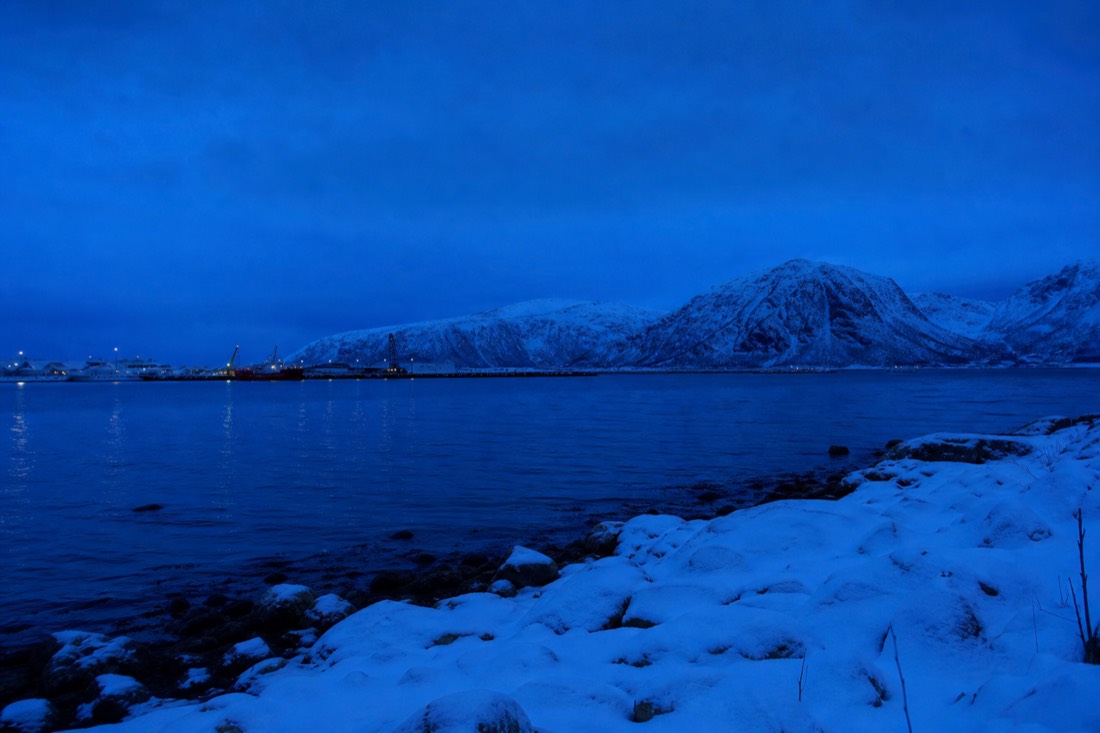
Polar night is misunderstood constantly. It is not black for seven weeks. Around late morning the sky over Tromsø turns a saturated blue that photographs like a long dusk, and it holds for several hours before fading. Locals call the returning sun in late January a genuine event. In the mountains around the city, the terrain blocks direct sun for a slightly longer window, roughly 21 November to 21 January.
Practically, the darkness works in your favour for aurora hunting and against you for sightseeing. Plan one outdoor daylight activity per day in the north, not three. In the south you can run a normal itinerary as long as you accept that photographs taken after three in the afternoon will be night shots.
| Place | 1 January daylight | Notable dates | Practical effect |
|---|---|---|---|
| Oslo | Sunrise 09:18, sunset 15:22 | Around six hours of usable light | Normal city days, early start needed |
| Southern Norway generally | Six to eight hours | Shortest weeks in December | Sightseeing fine, plan indoor evenings |
| Tromsø | Sun does not rise | Polar night about 27 Nov to 15 Jan | Long blue twilight, aurora-friendly |
| Tromsø mountains | No direct sun | Blocked roughly 21 Nov to 21 Jan | Ski light stays flat and soft |
Which Winter Activities Actually Run From November To March?
Almost all of the north's signature trips are winter-only, and their windows do not line up. Aurora hunting runs from late September to late March or early April. Whale trips out of Tromsø run mid to late October until the end of January. Husky sledding runs through the snow season, and the Flåm Railway runs year-round.
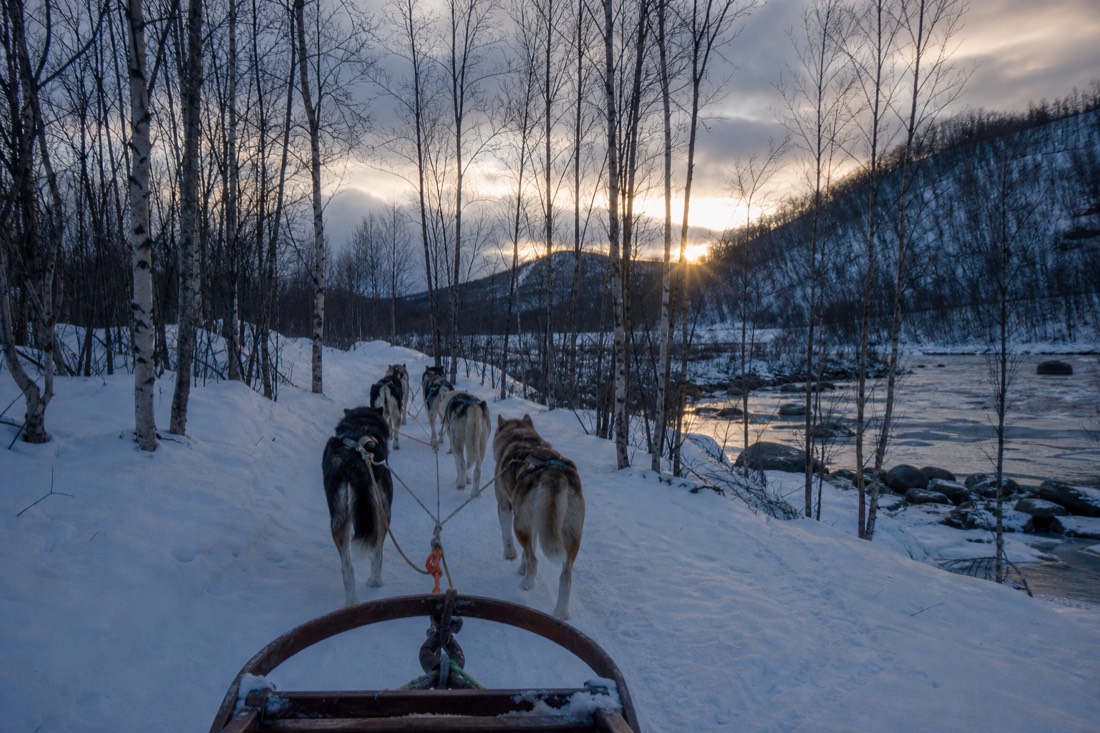
The mismatch matters more than most itineraries admit. A late March trip gives you strong aurora statistics and returning daylight, but the whales left two months earlier. A late November trip catches whales, husky season and polar night together, so compare dated departures rather than assuming the activities share a season. Nobody can promise you the lights themselves. What a good operator sells is mobility, the willingness to drive several hours to find a clear patch of sky, plus the equipment and photography services stated in that exact listing.
One seasonal note for road trippers: the mountain routes are shut. Trollstigen opened on 29 April in 2026 and remains subject to seasonal and temporary closures depending on weather, which tells you plainly that it is not a winter option. For the aurora side of the calendar, our 2026 northern lights timing breakdown goes month by month.
| Activity | Season window | Where it runs from | Notes |
|---|---|---|---|
| Aurora hunting | Late Sep to late Mar or early Apr | Tromsø, Alta, Lofoten | Best odds statistically in Mar and Sep to Oct |
| Whale watching | Mid or late Oct to end of Jan | Tromsø and Skjervøy | Peak November to January |
| Husky sledding | Snow season, deep winter | Tromsø and inland north | Self-drive and passenger formats differ |
| Flåm Railway | Year-round | Flåm to Myrdal | Operated by Flåm Utvikling under Vy |
| Trollstigen road | Closed in winter | Møre og Romsdal | Opened 29 April in 2026 |
Should You Drive Or Take The Train In Winter?
For most winter visitors the trains win. The Oslo to Bergen line takes roughly six and a half to seven and a half hours across the mountains and runs through snow that would stop a rental car. Driving is realistic in the north only with winter tyres, daylight discipline and a willingness to change plans when a pass closes.
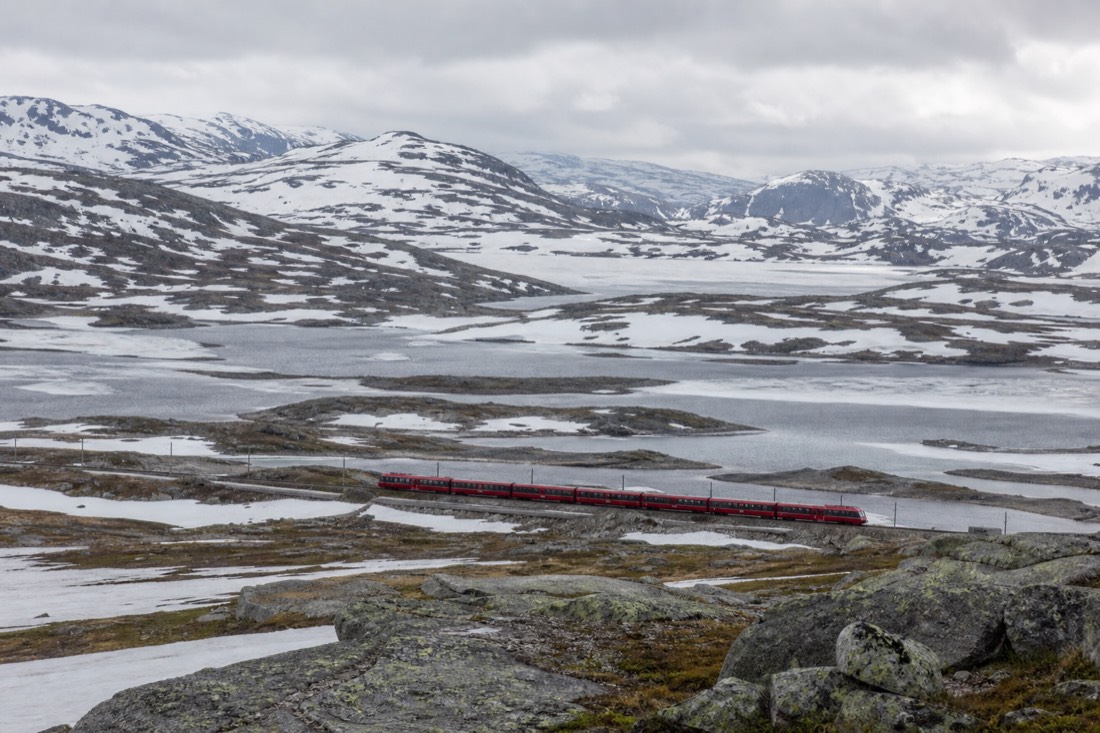
The Bergensbanen is the strongest argument for going by rail. It climbs onto a high plateau, crosses it in white silence, and drops down towards the fjords, all without you touching a steering wheel in the dark. Booking is straightforward through Vy, and cheap tickets appear early rather than late.
If you do drive, know the rules before you land. A US licence is valid for tourists for up to three months, so no international permit paperwork is needed for a normal holiday. Winter tyres are the real requirement, and a rental agency in Tromsø will fit them as standard while a southern branch may not. Add margin to every estimated drive time. Four hours in the Arctic dark with snow blowing across the road is not four hours.
What Do You Need To Pack For A Norwegian Winter?
Layers beat thickness. A wool base layer, a wool or fleece mid layer, and a windproof waterproof shell will cover almost every winter day here. Bring real boots with grip, and pack for wet at 1°C on the coast rather than only for dry cold, because damp is what actually ends a day outdoors.
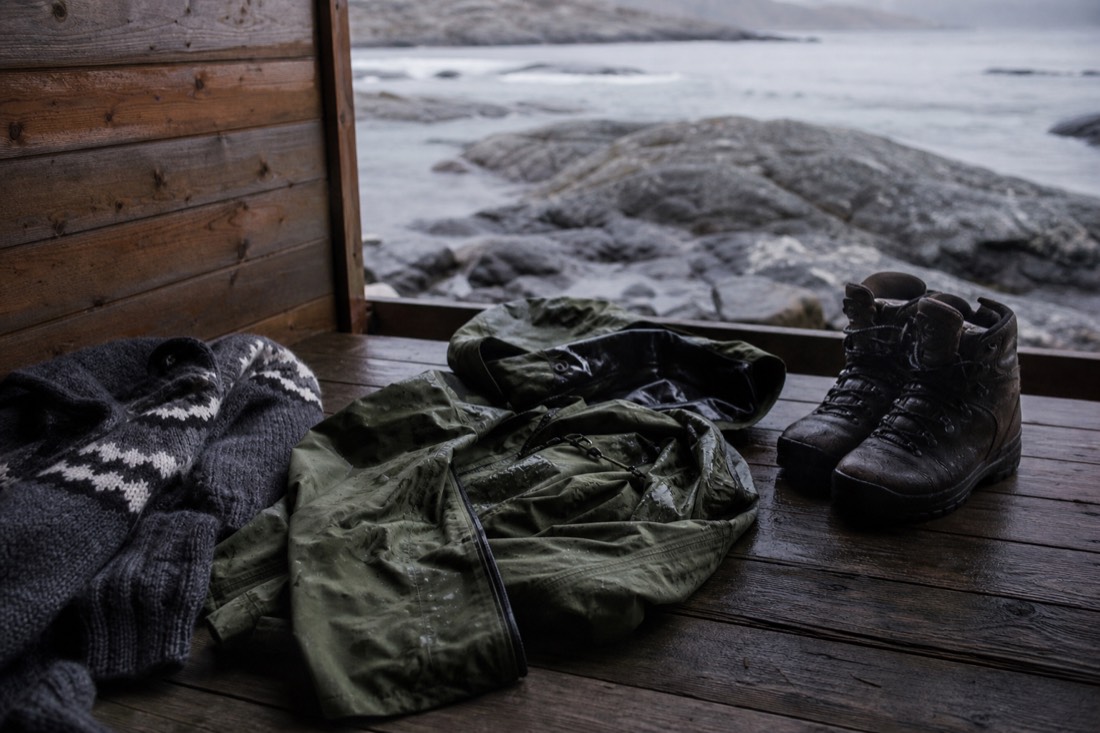
Cotton is the mistake tourists make. It holds sweat against the skin and turns a mild day miserable, which is why Norwegian shops sell wool in quantities that look excessive until you spend a February week here. Grippers that strap over boot soles cost very little and save ankles on iced pavements in Oslo and Bergen.
The good news for winter tours: clothing inclusions vary by operator. The aurora safari below rents thermal suits and excludes boots; arrange the layers and footwear you need. Our full Norway packing list breaks this down item by item, right down to whether the jeans in your bag are worth bringing.
What Does Winter Actually Close, And What Keeps Running?
Mountain passes and high scenic roads close, some seasonal hotels shut, and hiking above the treeline stops being casual. Many trains, cruises, museums and Arctic activities operate in winter, with seasonal timetables and possible disruption. Trollstigen is the clearest example: closed through winter, reopened 29 April in 2026.
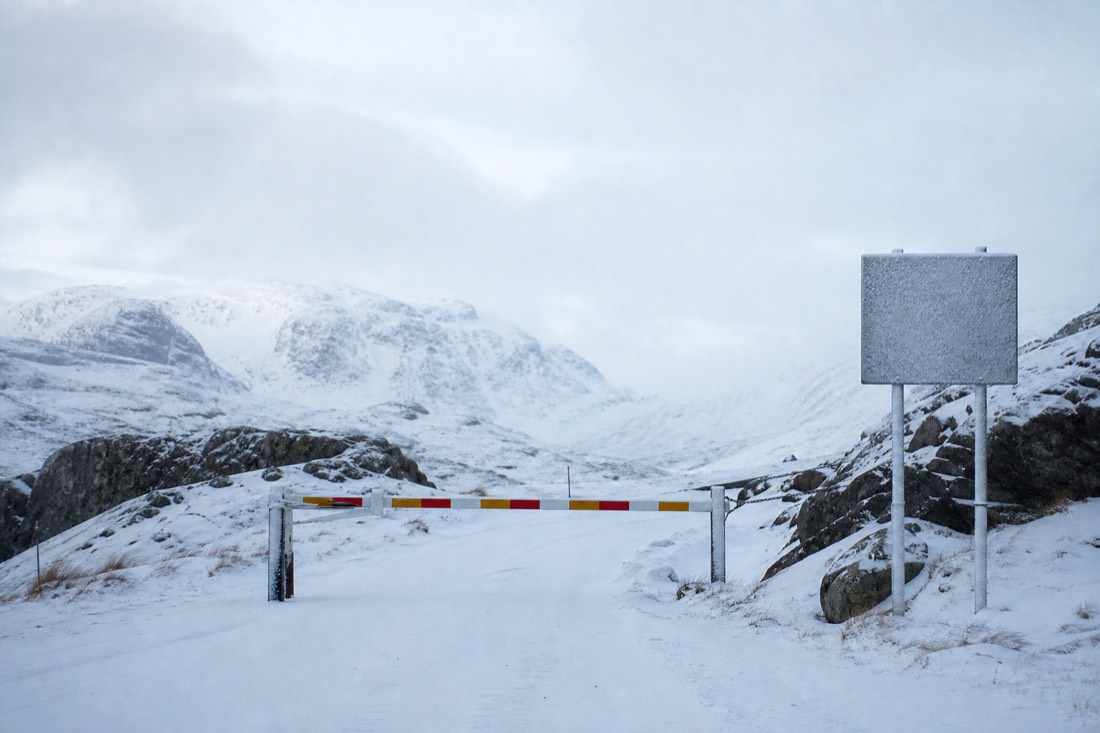
Winter in Norway removes a specific category, the high-altitude scenic drive, and leaves almost everything else intact. Visitors who plan a summer itinerary and then move it to January are usually blindsided by the roads rather than by the cold.
| What | Winter status |
|---|---|
| Trollstigen and similar high passes | Closed; 2026 reopening was 29 April |
| Bergen Line and Flåmsbana | Running year-round |
| Bergen fjord cruises | Sailing every day of the year |
| Aurora, whale and husky tours | This is their season |
| Coastal towns and city museums | Open, quieter, cheaper |
| Above-treeline hiking | Requires winter skills and gear |
The practical planning move is to stop thinking about driving loops and start thinking about rail and boat spines with activities hung off them. That is how the country moves itself in winter.
How Cold Is It Really, And What Does That Mean For Gear?
Coastal Norway is milder than its latitude suggests because of the Gulf Stream: Bergen is wet rather than frozen. The Arctic interior is the cold one. In both, wind and damp matter more than the thermometer, which is why wool and a windproof shell beat a thick coat.
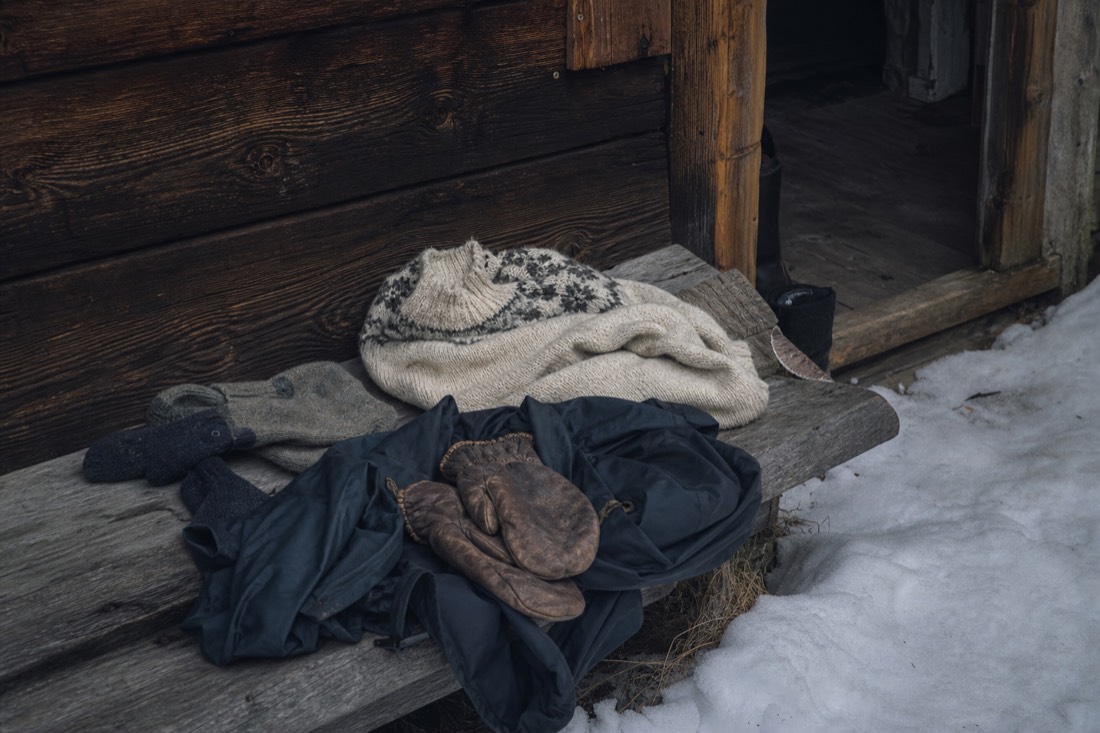
The single most useful mental adjustment is to stop packing for a temperature and start packing for a condition. A damp 2 degrees with wind off the water in Bergen is more uncomfortable than a dry minus 12 in Tromsø, and it defeats the wrong clothing much faster.
| Condition | Where | What actually works |
|---|---|---|
| Wet and mild | Bergen and the west coast | Waterproof shell, wool base, no umbrella |
| Dry and cold | Tromsø, inland Arctic | Layered wool, insulated outer, mittens |
| Wind chill on water | Any fjord or whale boat | Windproof outer, hat, neck cover |
| Standing still at night | Aurora chases | Check whether thermal suits are included or rented |
| Icy pavements | Every town | Grippy boots, or clip-on spikes |
| Polar night dark | North of the Arctic Circle | Head torch, reflective detail |
Some operators supply thermal clothing; others charge for it or expect you to bring your own. Confirm it on the listing rather than assuming, and see our packing guide for the layer-by-layer version.
What Does Lars Tell People Who Are Nervous About A Norwegian Winter?
That the cold is the manageable part. Clothing inclusions vary between outdoor activities, buildings are heated properly, and the coast is milder than the latitude suggests. The genuine adjustment is the darkness, not the temperature.
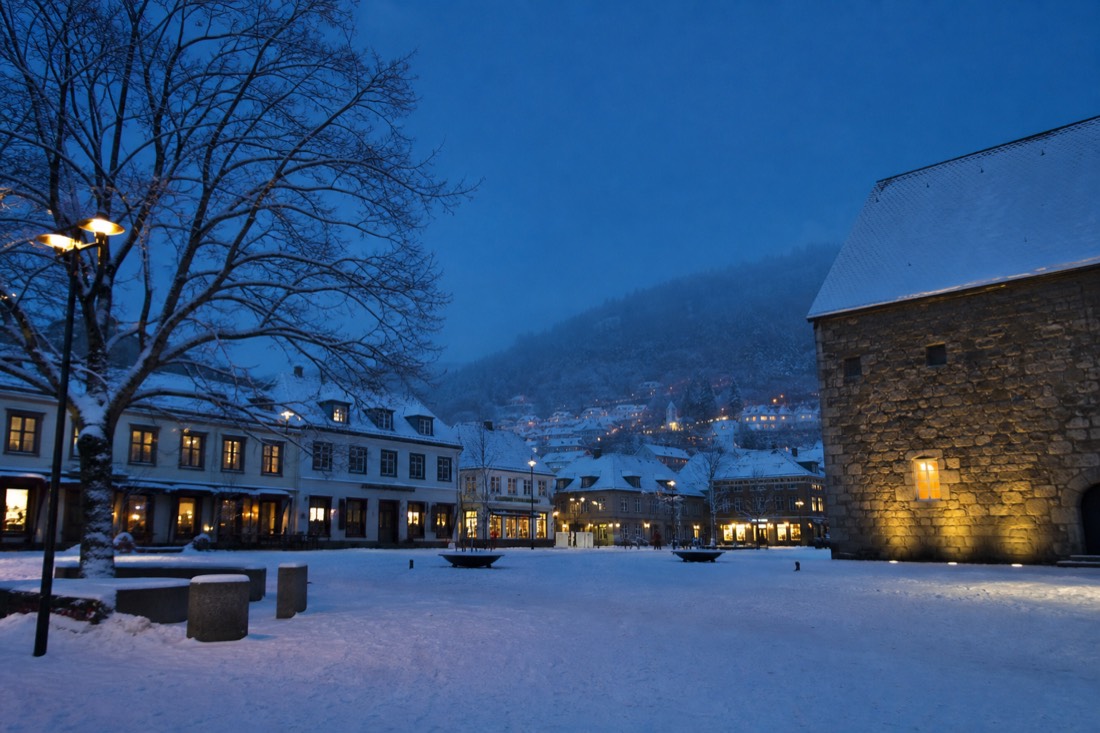
Most first-time winter visitors arrive braced for cold and are surprised by how well the country handles it. Norway has organised itself around this season for a very long time. What catches people out is the light: a few hours of usable daylight in the south, and none at all north of the Arctic Circle in December and January.
| The worry | The reality | What actually helps |
|---|---|---|
| It will be unbearably cold | Coastal Norway is wet and mild; the Arctic is dry cold | Wool and a windproof shell, not bulk |
| We will not have the right gear | Aurora and husky operators issue thermal suits | Confirm on the listing before booking |
| Everything will be closed | Trains, cruises, museums and Arctic tours all run | Only high mountain roads close |
| The dark will be depressing | Blue midday twilight is genuinely beautiful | Plan outdoor time around midday light |
| Roads will be dangerous | Main routes are cleared and maintained | Do not plan mountain-pass driving |
| We will not see the aurora | It is never guaranteed | Multiple nights and mobile chase tours |
The one thing worth taking seriously is planning activity around the light rather than the clock. In polar night the usable hours cluster around midday, and an itinerary written on southern European assumptions will schedule a walk into total darkness.
Which Winter Activity Should You Book First If You Can Only Do One?
The aurora chase, if you are north of the Arctic Circle between late September and March. It is the only winter activity that both defines the trip and can fail on weather, so it deserves your first booking and your spare nights.
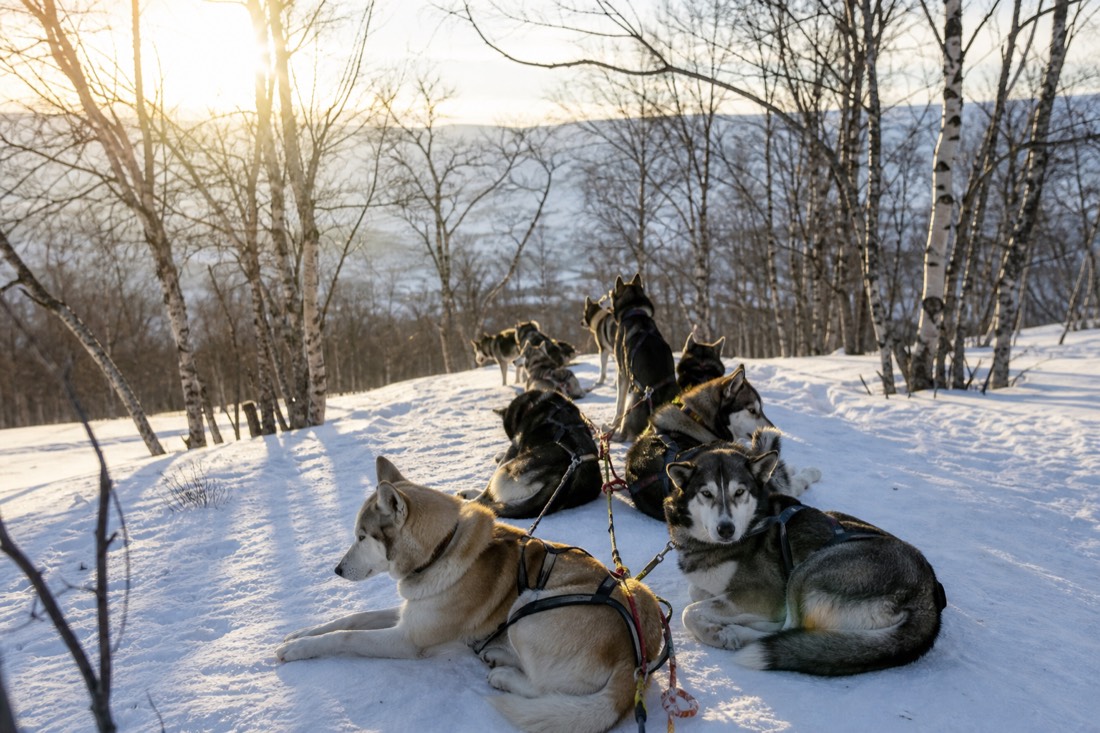
Snow activities, boats and cable cars can also be changed or cancelled by weather and operating conditions. The aurora is the single element that can be taken away from you, which makes it the one to build the schedule around rather than fit in afterwards.
| Activity | Weather dependent? | Booking priority |
|---|---|---|
| Aurora chase | Completely | First, with free cancellation, on an early night |
| Whale watching, late Oct to Jan | Partly; sea state can cancel | Second, with a spare day if possible |
| Husky sledding | Snow and weather can affect it | Third; runs in most conditions |
| Fjord cruise | Weather and route changes possible | Any day |
| Cable cars and museums | Wind can stop cable cars; check museum hours | Fill the gaps |
| Snowmobiling and ice fishing | Snow, ice and weather dependent | Fill the gaps |
Booked in that order, a winter week degrades gracefully. Booked in the reverse order, one cloudy stretch takes the centrepiece and there is nothing left to move.
What Are The Daylight Hours Actually Like Month By Month?
In Oslo, December gives roughly six hours of usable light and March gives twelve. In Tromsø the sun does not rise at all from about 27 November to 15 January, then daylight returns fast, reaching near-equal day and night by late March.
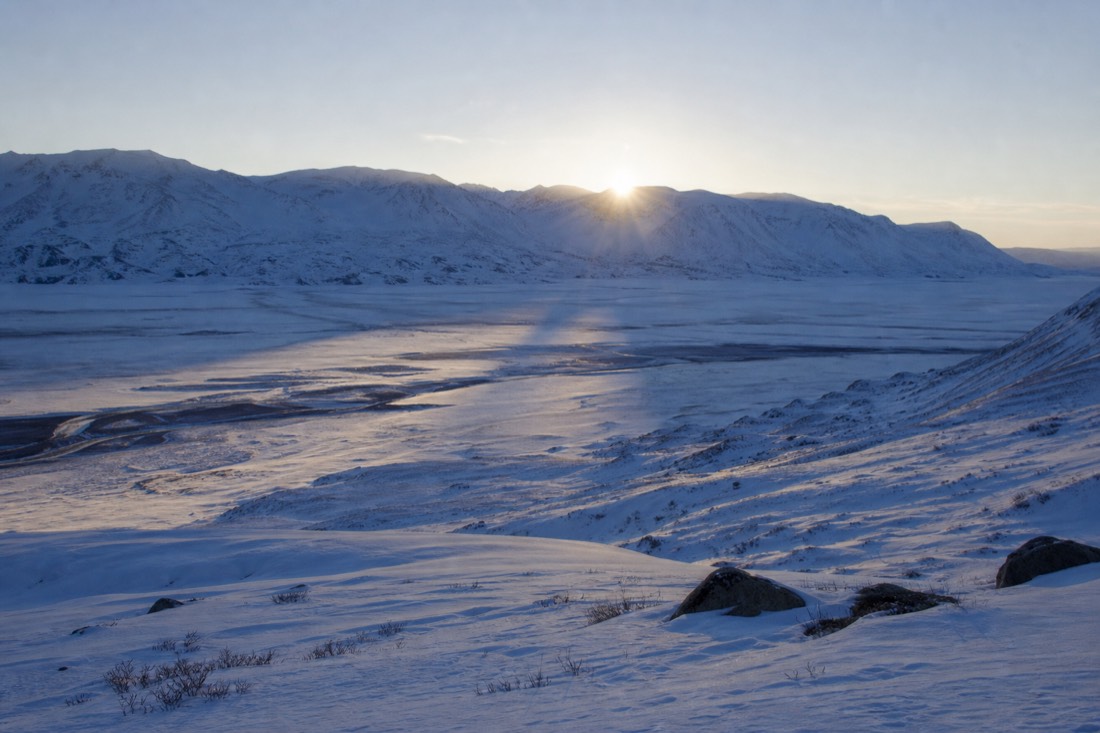
Daylight is the variable that reshapes a winter itinerary, and it changes far more quickly in the north than visitors expect. The return of light in the Arctic is dramatic: Tromsø gains daylight at a rate southern Europe never experiences.
| Month | Oslo, usable daylight | Tromsø |
|---|---|---|
| November | Shortening quickly | Polar night begins around 27 November |
| December | About six hours | No sunrise; blue twilight near midday |
| January | Slowly lengthening | Sun returns around 15 January |
| February | Noticeably longer | Rapid gain; good aurora with real daylight |
| March | About twelve hours | Near-equal day and night; strong aurora month |
February and March are the practical sweet spot for anyone who wants both aurora nights and enough daylight to actually see the landscape they travelled to, which is why they appear repeatedly in the recommendations above.
Which Winter Month Is The Best One To Book?
December buys you Christmas markets, polar night and whales. January is the coldest and darkest, with the strongest Arctic feel. February and March bring back daylight without losing snow, and March carries some of the best aurora statistics of the season. Check current geomagnetic and local weather forecasts for your travel dates.
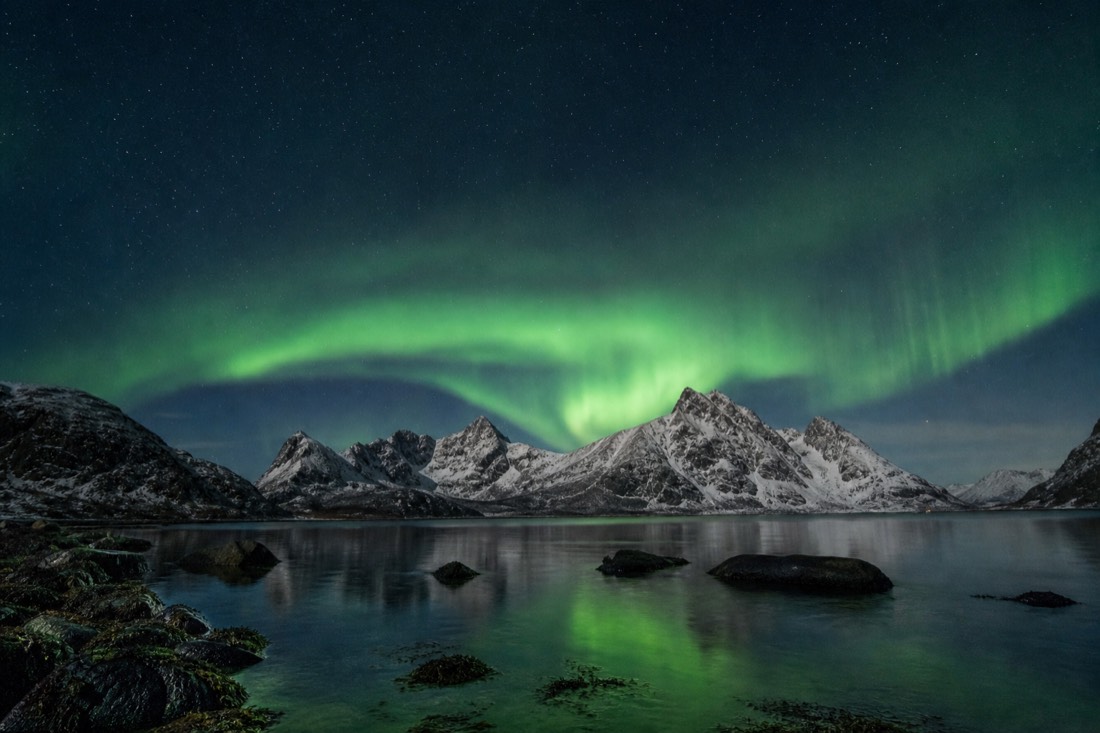
If we had to pick one month for a first winter trip, it would be March. You get workable daylight for fjords and mountains, full snow cover in the north, and an aurora season still running at strength. If the northern lights are the entire reason for the trip, the format matters more than the month: a chase tour that drives to clear sky beats a fixed camp under cloud every time. Compare the season shape against our best time to visit Norway guide before you commit to dates.
Related planning: northern lights tour options.
| Reviewed experience | Duration | Inclusions and limits |
|---|---|---|
| Tromsø aurora safari | 6–9 hours | Guide, photographer and warm drinks; thermal suits rented, boots excluded; no sighting guarantee |
| Silent whale cruise | 7–9 hours | Tromsø sea outing; food and drinks cost extra; seasonal and weather dependent |
| Arctic fjord cruise | 4 hours | Daytime scenery from Tromsø; not a whale or aurora guarantee |
Book the season-limited things first. Compare actual tour departures, accommodation and flight quotes for the same dates. Get the tour dates fixed, then build the rest of the week around them.
Choose Your Norway Experience
Tromsø Northern Lights Chase We Go Where The Lights Appear. Follow a guide and photographer away from Tromsø in search of clearer northern-lights skies. Have a date in mind? Check it before arranging the rest of your Norway trip.
9 hours. Allow 6–9 hours and select English Guide. Meet at the stated Tromsø departure point. Thermal suits are a rental option; boots and full meals are not included. Sightings are not guaranteed.
Choose a date to see scheduled departures. Final availability and price are confirmed on Viator.
No verified experience fits those requirements. Adjust your choices, or keep the independent plan described above.
Compare Options And Fit Your Plans
General recommendation until you choose. Choose the city where the activity starts, not your arrival airport. Month filters describe the experience’s season, not confirmed departures. Allow travel to the meeting point as well as the listed duration. Confirm your exact option and access needs when booking.
- Cross-Country Ski Lesson for Beginners in Tromso: 3 hours. Learn cross-country skiing with an instructor, ski equipment and transport from central Tromsø. Ages 12+. Meet at Tromsø Outdoor, Fredrik Langes gate 14. Send your EU shoe size when booking. Winter clothing and hotel pickup are not included; inadequate snow may mean an alternative or refund.
- Tromsø Cross-Country Ski Adventure: 2 hours 30 minutes. Try cross-country skiing with a guide, skis, boots and poles at Charlottenlund. Ages 8+. Meet at Charlottenlund activity-park parking area. Hotel pickup is not included. Bring winter clothing and confirm snow conditions for your date.
- Silent Whale Watching by Hybrid-Electric Boat from Tromsø: 9 hours. Watch for whales from a hybrid-electric boat with indoor viewing lounges and an English-speaking guide. Allow 7–9 hours from Tromsø harbour. Food and drinks are sold on board. Wildlife sightings and the route depend on conditions.
- Guided tour - Viking Village, Nærøyfjord Cruise and Flåm Railway: 10 hours 30 minutes. Join the Nærøyfjord cruise, Flåm Railway and Viking village in one guided day. Round trip from Strandkaien 16, Bergen. Choose the English option. Food and drinks cost extra. This is a day trip, with no hotel night.