The Best Time To Visit Norway In 2026, Month By Month
Norway runs two high seasons that barely overlap, and picking the wrong one costs you the thing you came for.
 Written with Lars Hansen, Norway Tour Packages Specialist & Experience Guide
Short answer
Summer offers long daylight, fjord journeys and better mountain access; midnight-sun dates depend on latitude. Autumn to early spring offers dark-night aurora opportunities in the north. Choose by the activities you want and verify their dated operation.
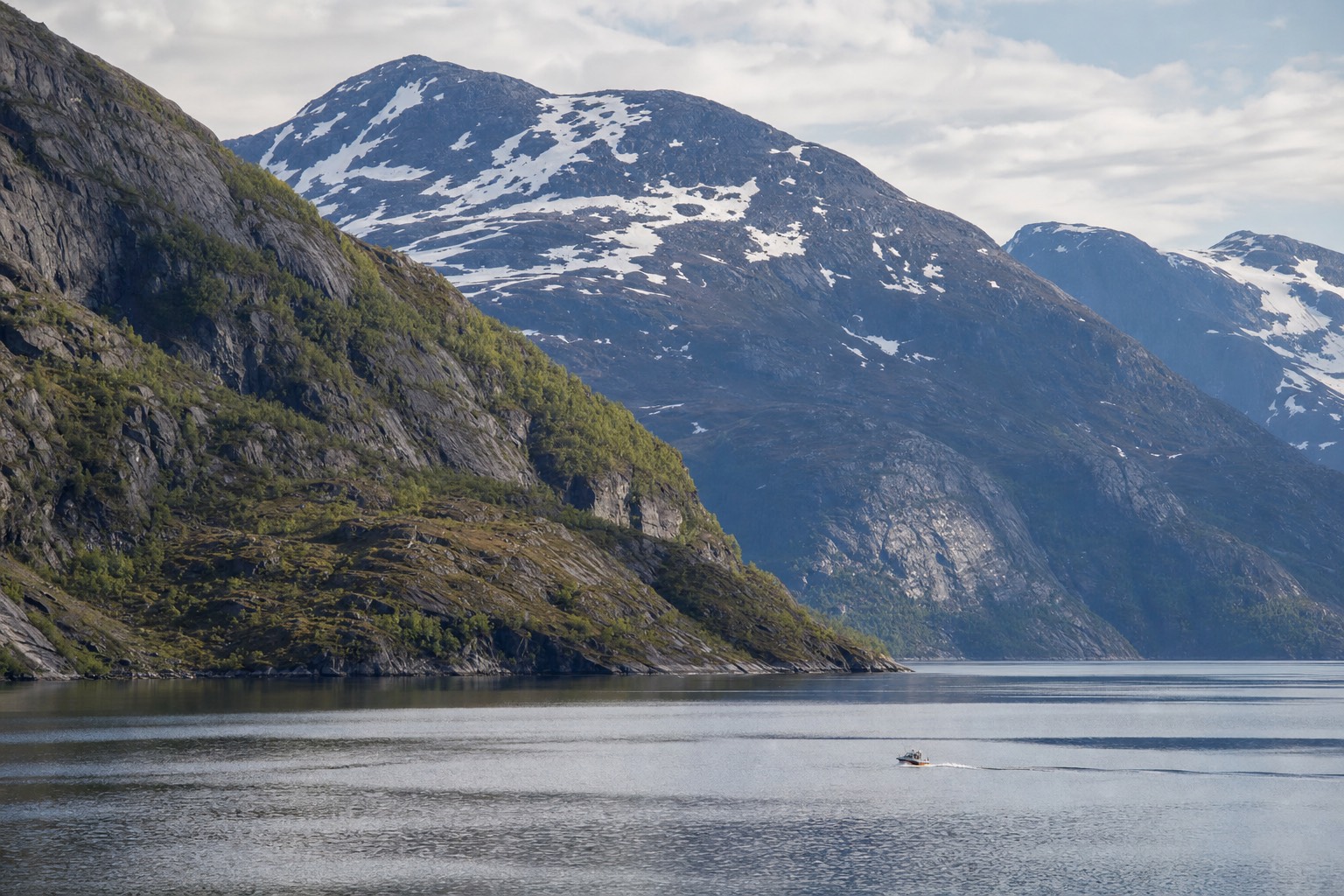
Snow sits in the gullies above the fjords well into June, while the water below is calm enough for a boat to leave every hour. That single image explains most of Norway's timing problem. The country does not have one season with a shoulder either side of it. It has two proper high seasons, summer and winter, running at opposite ends of the calendar, each selling a completely different product. Get the month right and Norway is generous. Get it wrong and you arrive in Tromsø in July hoping for aurora, or drive toward a mountain pass in April that will not open for weeks.
Your main experience should set the season. Fjord rail trips, summer evening cruises and aurora nights need different dates.
Booking choice: The Bergen railway-and-fjord day is a broad starting choice; switch to a Tromsø activity when Arctic light or wildlife is the purpose. Explore Guided tour - Viking Village, Nærøyfjord Cruise and Flåm Railway
When Is The Best Overall Time To Visit Norway?
For long days, open mountain roads and full fjord sailings, aim for late May through early September. For aurora, snow and sled dogs, aim for late September through March. June and September sit in the sweet spot: nearly everything is running, crowds are thinner than July, and prices have not peaked.
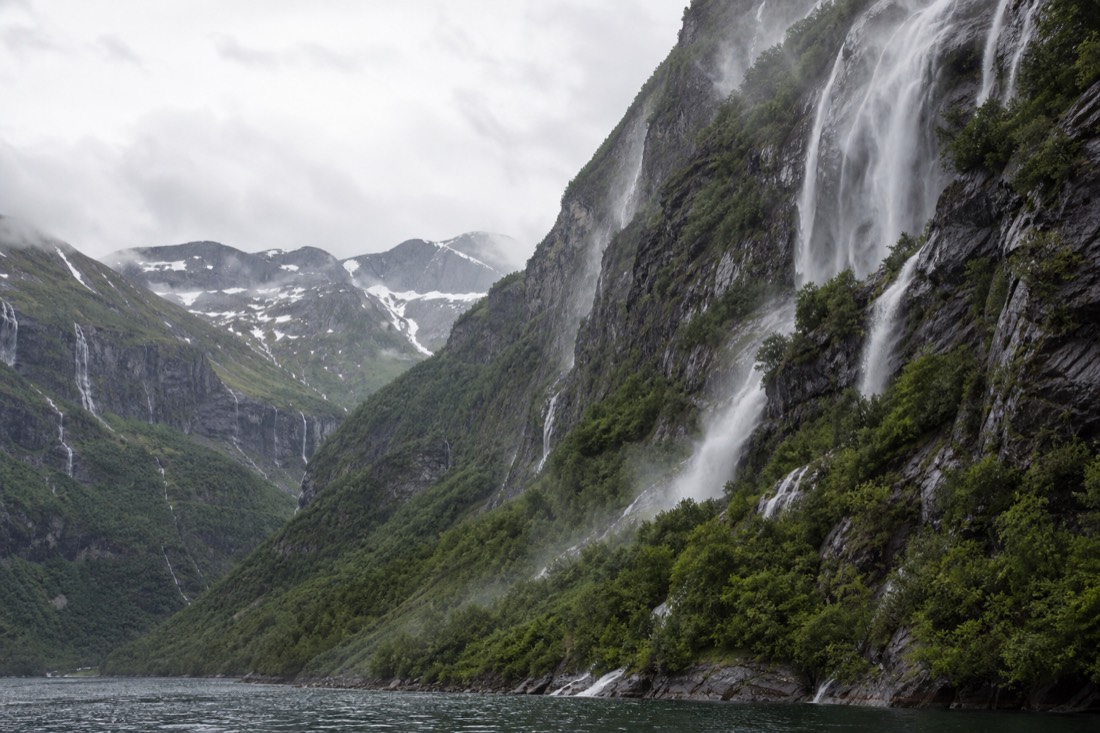
The split matters more than most first-time visitors expect. Summer Norway is a landscape country: hiking, scenic drives, ferries, villages with every café open. Winter Norway is a sky country, and the far north sells that sky. Neither substitutes for the other, and no month gives you both. The midnight sun and the aurora are mutually exclusive by definition, because one needs the sun above the horizon and the other needs darkness.
Within summer, the practical constraint is road and trail access. Trollstigen, the switchback road that features on half of Norway's postcards, is seasonal: it opened on 29 April 2026 and remains subject to seasonal and temporary closures depending on weather. High hiking trails hold snow later than people assume, which makes the strenuous cliff routes at Preikestolen and Trolltunga effectively a late-June-to-September proposition.
When Does The Aurora Season Actually Start And End?
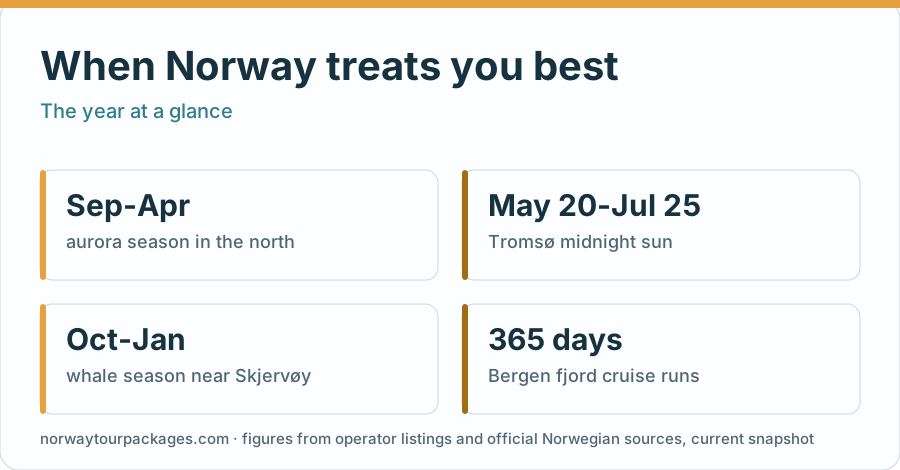
Aurora season in Norway runs from late September to late March or early April. Statistically the strongest displays cluster around the equinoxes, so March, April, September and October outperform midwinter. Nothing is ever guaranteed. Solar activity varies; current geomagnetic and local cloud forecasts matter more than a promise about a whole season.
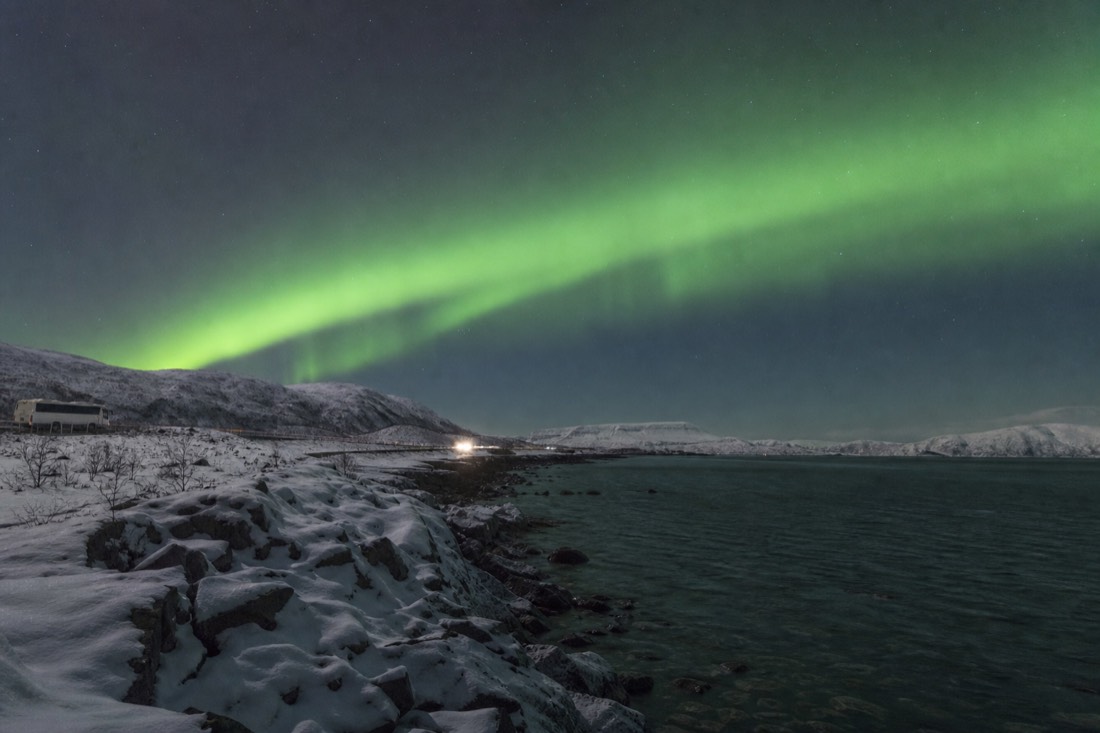
Two things decide whether you see anything: geomagnetic activity, which nobody controls, and clear sky, which you can chase. That second point is the whole argument for a guided chase rather than standing outside your hotel.
Related planning: Tromsø aurora trips we track.
Darkness itself is not the limiting factor people imagine. Tromsø's polar night runs roughly 27 November to 15 January, with the mountains blocking the sun from about 21 November to 21 January, but you do not need polar night to see aurora. You need a dark sky after about 6pm, which you have from late September. The Norwegian Meteorological Institute publishes the forecasting data most operators work from at met.no, and the public forecast at yr.no is what locals actually check before deciding whether tonight is worth the drive.
When Is The Midnight Sun, And Where Does It Last Longest?
The further north you go, the longer the sun stays up. Tromsø's midnight sun runs 20 May to 22 July in 2026. At North Cape it runs 14 May to 29 July, seventy-seven days with no real darkness at all. Southern Norway never gets true midnight sun, only very long, very pale nights.
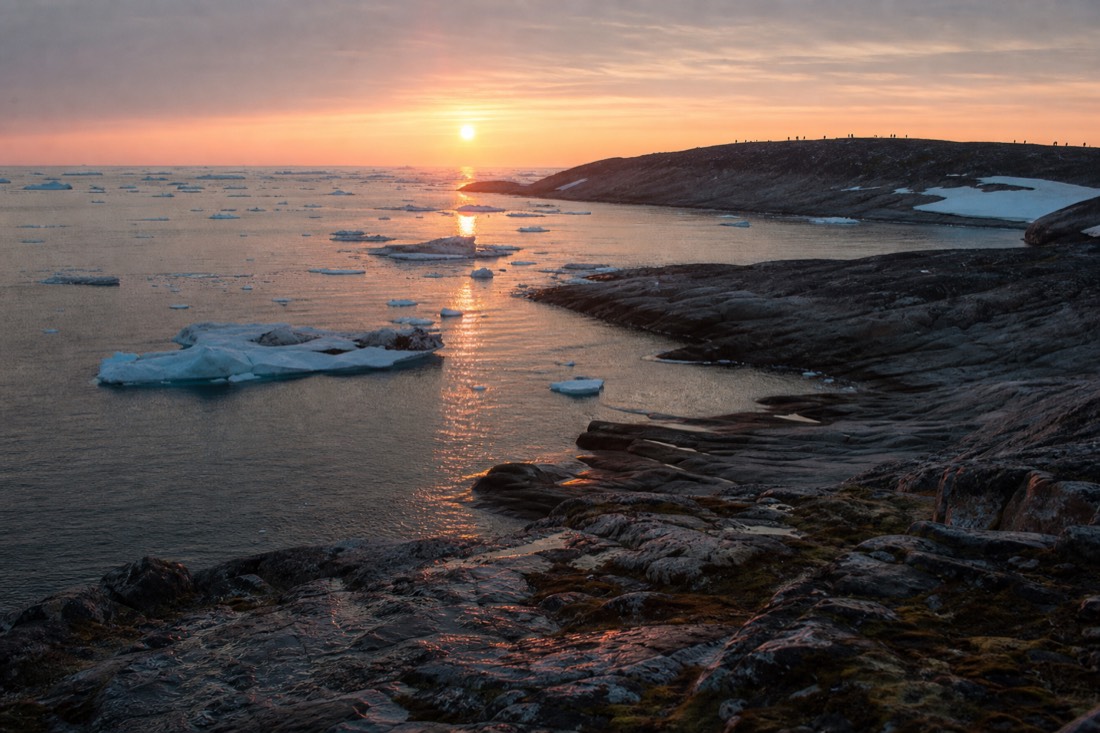
Midnight sun changes how you plan a day rather than what you see. Hikes start at 9pm because the light is better and the trail is empty. Check ferry timetables and viewpoint access; continuous daylight does not mean continuous service. The trade-off is sleep, and the fix is an eye mask, since most Norwegian hotels have curtains that were designed for winter. Visit Norway's midnight sun page lists the window for each town, and the difference between Bodø and Nordkapp is several weeks in each direction.
| Place | Midnight sun 2026 | Polar night | Aurora window |
|---|---|---|---|
| North Cape | 14 May to 29 Jul | Late Nov to mid Jan | Late Sep to early Apr |
| Tromsø | 20 May to 22 Jul | ~27 Nov to 15 Jan | Late Sep to early Apr |
| Lofoten | Late May to mid Jul | Early Dec to early Jan | Late Sep to early Apr |
| Bergen | None, but very long dusk | None | Rare, needs strong activity |
| Oslo | None | None | Rare, needs strong activity |
Which Months Are Wettest, And Which Are Cheapest?
Bergen is the wet one: roughly 200 to 240 rainy days a year and around 2,250 to 2,413 mm of precipitation, with autumn heaviest. The cheapest months are the deep shoulders, late October, November and January, when summer demand has collapsed and the Christmas rush has not started or has finished.
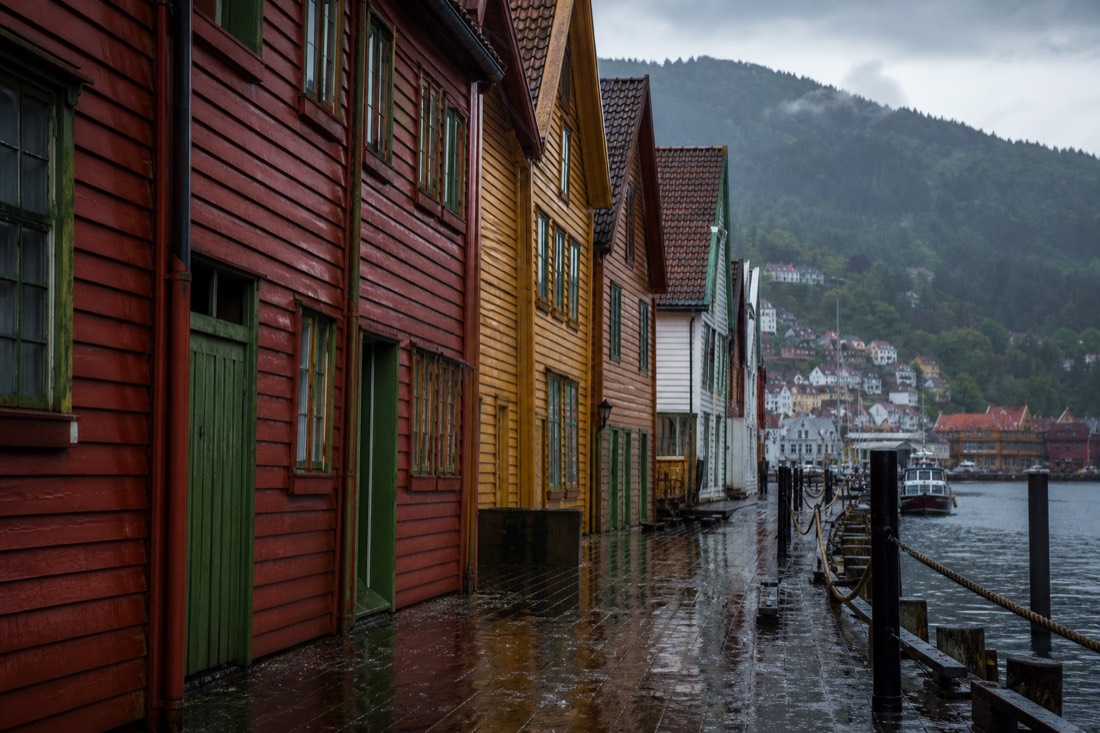
Rain in western Norway is a scheduling issue, not a trip-ruining one. Fjord cruises sail in it, the boats have indoor saloons, and low cloud on the cliff walls is arguably the more dramatic look. What rain does kill is the high hikes, so a west-coast trip in October wants a boat-and-train plan rather than a summit plan. We go deeper into the wettest stretch of the year in our piece on Norway's rainiest month.
Price behaves differently from weather. Airfare and hotels track demand, not sunshine, so the same week can be wet and expensive (September in Bergen) or dark and cheap (November in Oslo). If flights are the biggest line in your budget, start with the cheapest months to fly to Norway and build the rest of the trip around what you find.
| Season | Months | Cost level | What you get | What you lose |
|---|---|---|---|---|
| Deep winter | Dec to Feb | Mid, spikes at Christmas | Aurora, husky, snow towns | Daylight, mountain roads |
| Late winter | Mar to mid Apr | Mid | Best aurora odds with returning daylight | Some summer routes still shut |
| Spring | Late Apr to May | Low to mid | Waterfalls at full force, passes reopening | Cold water, patchy trail access |
| Peak summer | Late Jun to mid Aug | Highest | Everything open, midnight sun | Crowds, booked-out sailings |
| Early autumn | Sep to mid Oct | Mid, falling | Colour, calm, aurora begins | Shorter days, some closures |
| Late autumn | Late Oct to Nov | Lowest | Cheapest flights, whale season starts | Dark, wet, many trails shut |
What Does Each Month Actually Look Like?
January and February are the darkest and snowiest. March and April deliver aurora with usable daylight. May reopens the roads. June and July bring midnight sun and crowds. August stays warm but fills up. September turns golden and quiet. October starts whale season. November and December go dark and cheap.
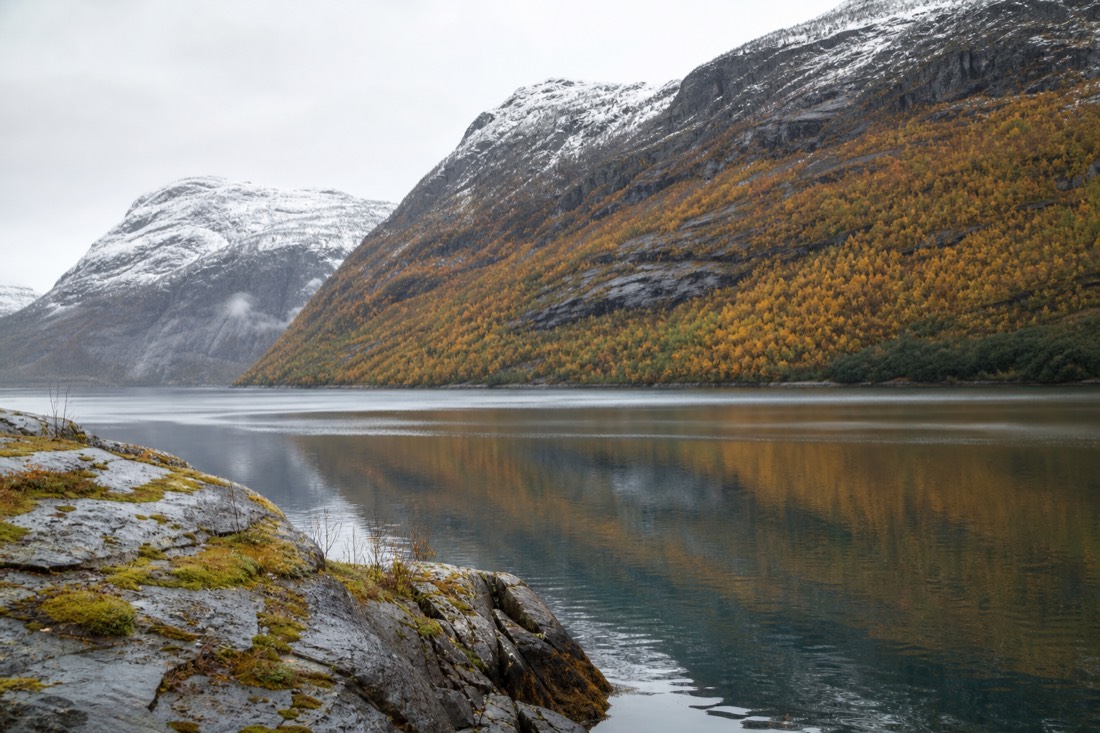
The month table below is built around what is actually running rather than average temperatures, which vary wildly between the coast and the interior anyway.
| Month | Light in the far north | Season status | Best for |
|---|---|---|---|
| January | Polar night ends ~15 Jan, sun back over mountains ~21 Jan | Full winter | Aurora, husky, low prices, whale season ends |
| February | Fast-returning daylight | Full winter | Snow activities with more usable hours |
| March | Balanced day and night | Winter into shoulder | Statistically strong aurora, ski touring |
| April | Long light, dark nights fading | Aurora season closes late Mar to early Apr | Last aurora chances, Trollstigen reopens late Apr |
| May | Approaching midnight sun from ~20 May | Spring | Waterfalls, reopening passes, few crowds |
| June | Midnight sun | Full summer | Hiking, fjords, long evenings |
| July | Midnight sun to ~22 Jul | Peak | Everything open, highest prices and crowds |
| August | Dusk returns | Late summer | Warmest water, berries, still busy |
| September | Real darkness returns | Shoulder | Colour, quiet, aurora restarts late month |
| October | Long nights | Autumn | Whale season opens mid to late month, strong aurora |
| November | Polar night begins ~27 Nov | Winter | Whale peak, cheapest travel, dark |
| December | Polar night | Winter | Christmas markets, aurora, very short days |
What Is The Best Month To See The Fjords By Boat?
June and September are the strongest months on the water. Both give you full sailing schedules, decent light and fewer passengers than July. Short Bergen sailings run year-round, while the summer-only Geiranger boats and the long Flåm combinations concentrate between May and September.
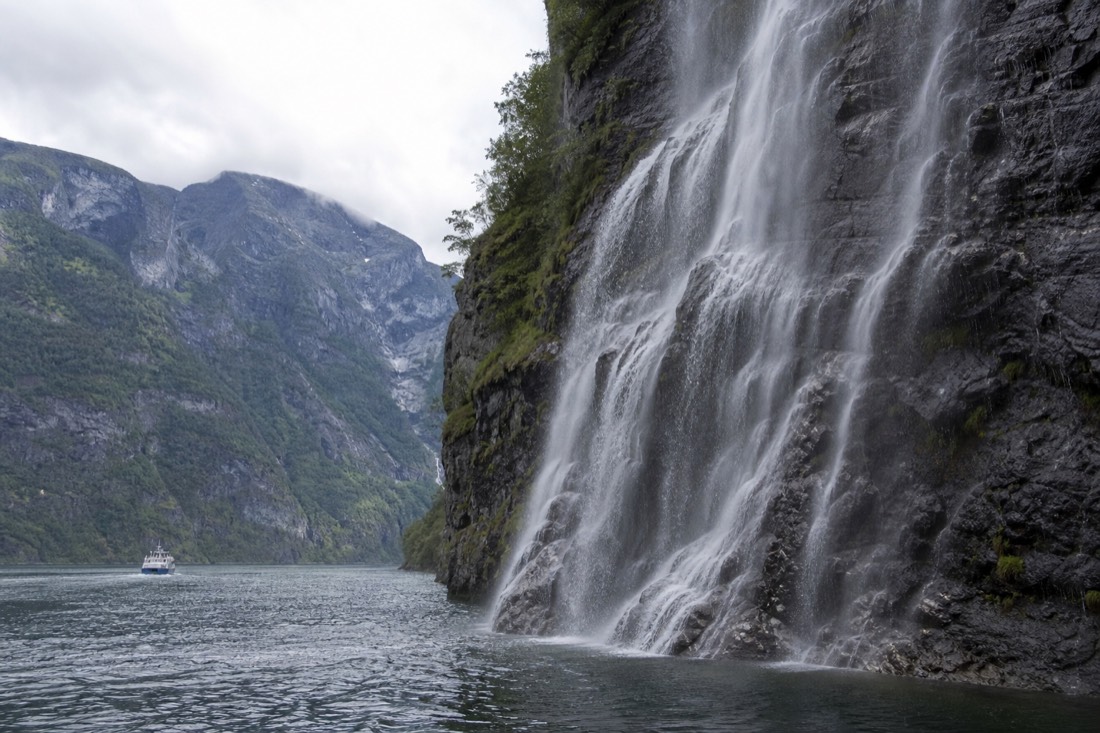
Only two Norwegian fjords carry UNESCO World Heritage status, Geirangerfjord and Nærøyfjord, listed together as the West Norwegian Fjords in 2005. That listing is worth knowing because it explains why those two get the traffic and the seasonal boat fleet, while the surrounding water is quieter. UNESCO's own entry for the site is the primary record.
Access differs by fjord, and so does season length:
| Sailing | Platform | Rating | Length | Season |
|---|---|---|---|---|
| Mostraumen cruise from Bergen | GetYourGuide | Check current listing | 3.5 hours | Year-round |
| Mostraumen with local guides | Viator | Check current listing | 3.5 hours | Year-round |
| Geiranger sightseeing cruise | Viator | Check current listing | 75 minutes | Summer |
| Flåm Railway, Nærøyfjord and Stegastein | GetYourGuide | Check current listing | 13 to 14 hours | May to September |
| Oslofjord silent electric cruise | GetYourGuide | Check current listing | 2 hours | Year-round |
The year-round options matter for winter visitors. Bergen's Mostraumen sailing runs through the dark months, which means a February aurora trip can still include real fjord time. If you want the classic combination of train, boat and mountain road, compare your options across our fjord sailing roundup before you commit to dates.
Which Month Should You Pick For Your Specific Priority?
Match the month to the one thing you most want. March and October carry the best aurora odds against tolerable weather, late June has the midnight sun at full strength, September gives autumn colour with thin crowds, and July has the warmest water and the worst prices.
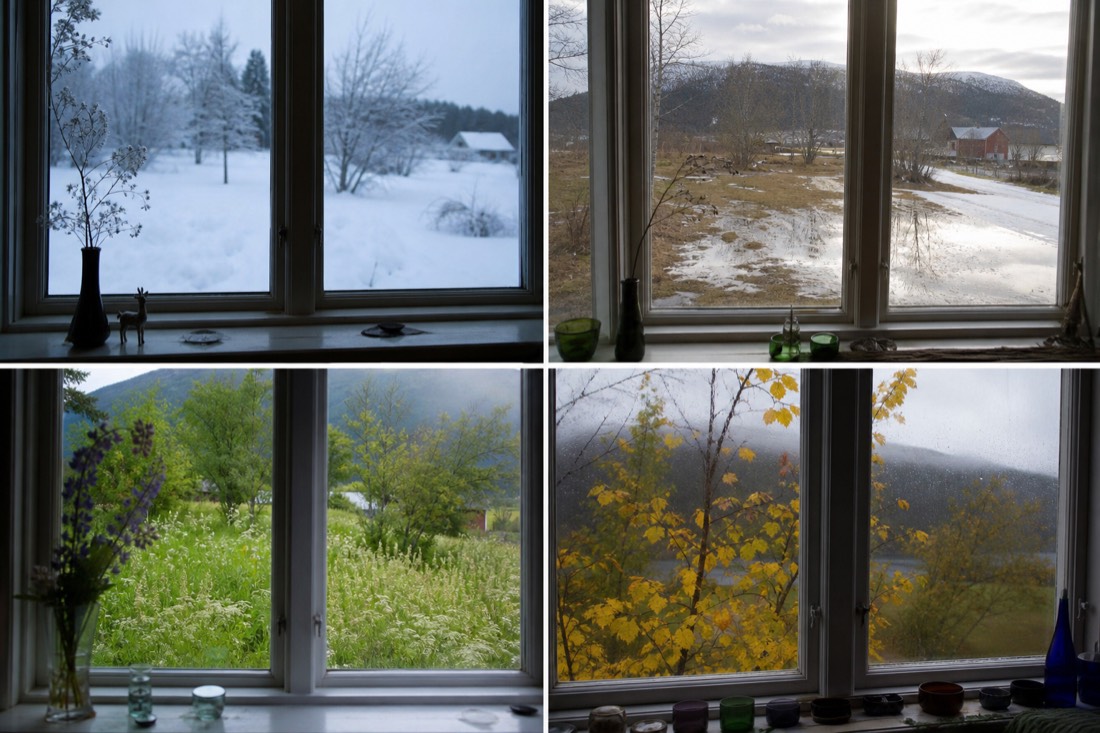
Most month-by-month guides average everything into a single verdict and end up recommending July to everyone. That is only right if warmth is your priority. Once you rank what you actually came for, the answer usually moves off peak season, which is convenient because that is also where the hotel rates fall.
| Your priority | Best months | Why | The trade |
|---|---|---|---|
| Northern lights | Late Sep to Oct, and March | Dark nights without deep-winter cold; conditions still vary by night | Roads and trails may still be wet or icy |
| Midnight sun | Late May to late July | Tromsø runs 20 May to 22 July in 2026; North Cape 14 May to 29 July | Peak prices and peak crowds |
| Fjord scenery with colour | September | Autumn colour, waterfalls still running, cruises still sailing | Shorter days, changeable weather |
| Hiking the big three rock hikes | July to early September | Usually better trail access; check actual conditions | Preikestolen gets genuinely busy |
| Lowest prices | January to February, and November | Off-peak lodging, cheapest flights | Very short days, much closed |
| Whale watching | Late October to January | Orcas and humpbacks follow the herring | Cold, dark, boat days are long |
More than half of Norway's tourists arrive between May and August, which tells you where the queues are more reliably than any crowd forecast.
How Differently Do The Seasons Arrive In The North And The South?
Weeks apart, and sometimes more. Late April is spring in Bergen and still winter in Tromsø; September is autumn in the south while the aurora season has already opened in the north. Treating Norway as one climate is what makes shoulder-season dates go wrong.
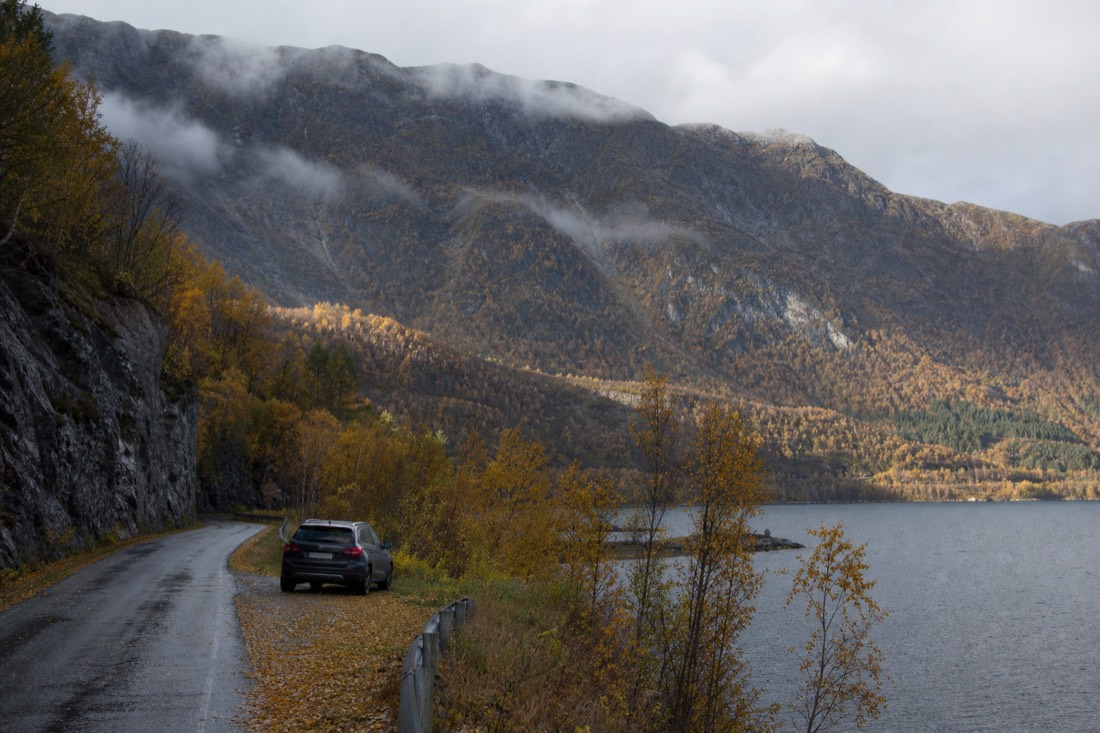
Seasons in Norway are not evenly spaced. The country runs roughly five months of winter conditions in the north, a compressed and dramatic spring, a short intense summer and an autumn that arrives earlier than visitors expect. What that means practically is that the shoulder months behave differently depending on latitude: late April is spring in Bergen and still winter in Tromsø.
| Season | Bergen and the fjords | Tromsø and the Arctic | What opens or closes |
|---|---|---|---|
| Dec to Feb | Wet, mild, dark, few crowds | Polar night around 27 Nov to 15 Jan, aurora season | Mountain roads including Trollstigen closed |
| Mar to Apr | Waterfalls building, changeable | Strong aurora odds with more daylight | Trollstigen opened 29 April in 2026 |
| May to Jul | Long days, everything running | Midnight sun from about 20 May | Full ferry and cruise schedules |
| Aug to Oct | Colour, quieter, cruises still sailing | Aurora returns from late September | Trollstigen usually holds to Oct or Nov |
A practical planning note that catches people out: the seasonal mountain roads are not a footnote if you are driving. Our Norway road trip guide covers which passes gate which routes and when they realistically open.
Which Month Does Lars Steer Most First-time Visitors Toward?
Late September. The fjord cruises still sail, autumn colour is on the mountainsides, hotel rates have come off their July peak, and the aurora season has already opened in the north. It is the one month that does not force a trade between scenery and darkness.
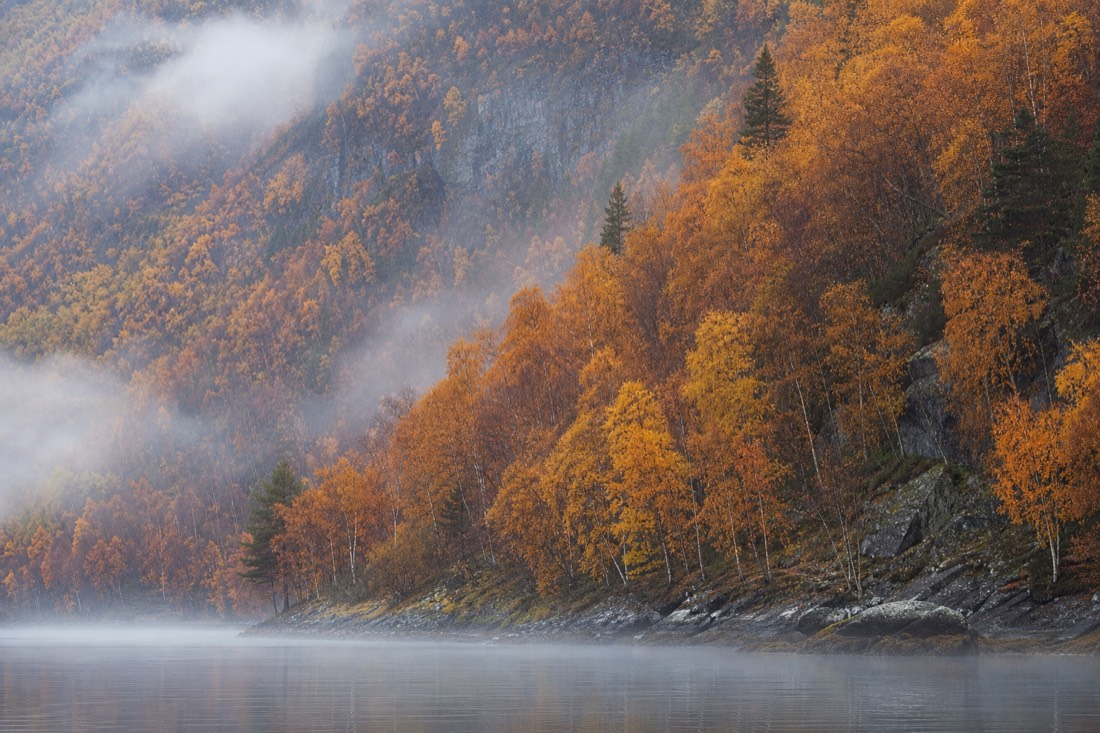
Working with visitors since 2015 has made one thing obvious to Lars: people ask for July and are usually happier in September. July delivers warmth and light, and it also delivers the highest prices, the fullest hotels and the busiest viewpoints, because more than half of Norway's tourists arrive between May and August.
| What people ask for | What they usually want | Where Lars points them |
|---|---|---|
| July, for the weather | Long days and open roads | Late June or early September, same access, fewer people |
| December, for Christmas | Snow and atmosphere | Late January or February for better aurora odds |
| A summer aurora trip | The northern lights | Any month from late September; summer nights are too bright |
| One night in Tromsø | To see the aurora | Three nights, or accept it may not happen |
| The warmest possible water | Swimming | Manage the expectation; this is not that trip |
The middle row is the one that saves trips. There is no aurora in a midnight-sun sky, and no amount of booking fixes it, so the season has to come first and the dates second.
How Do The Fjords And The Arctic Peak In Different Months?
They peak nearly opposite each other. Fjord country is at its best from May to September when the roads, waterfalls and cruises all align. The Arctic peaks from late September to March for aurora and from late October to January for whales.
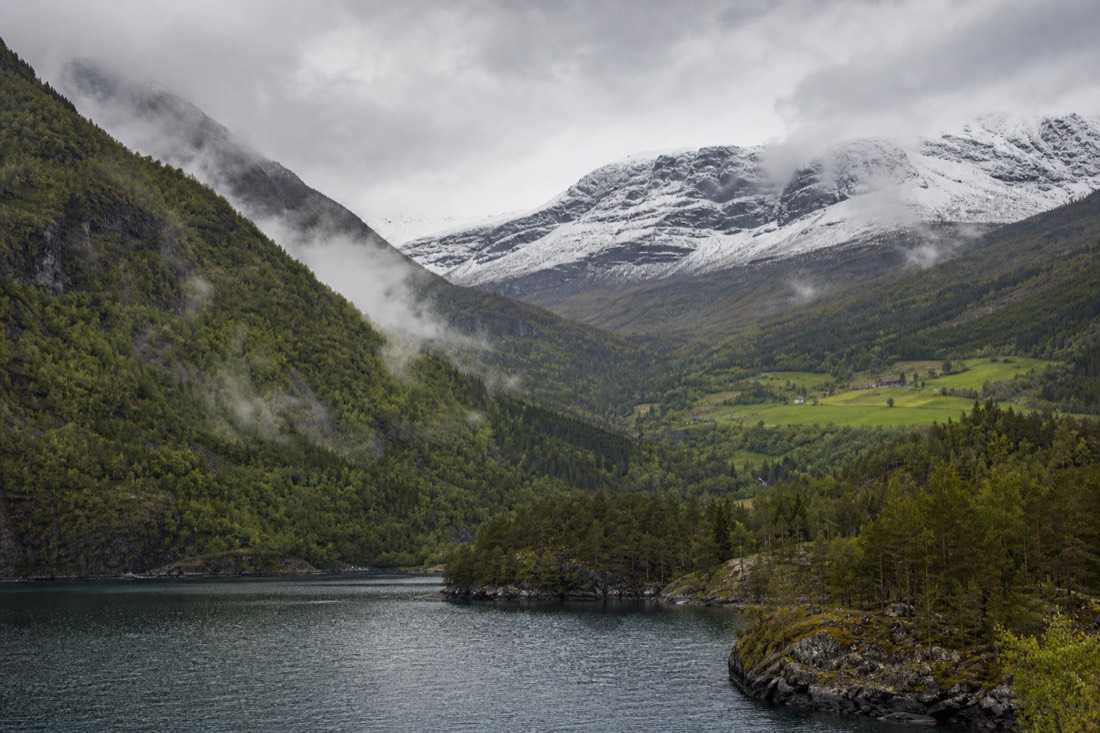
Treating Norway as one climate is the root of most bad date decisions. The country spans thirteen degrees of latitude, and a month that is ideal in Bergen can be the wrong month entirely in Tromsø.
| Month | Fjord country | The Arctic |
|---|---|---|
| Jan to Feb | Wet, mild, quiet | Polar night ends; strong aurora, whales to end Jan |
| Mar to Apr | Waterfalls building; passes still shut | Excellent aurora with returning daylight |
| May to Jun | Peak scenery, passes reopening | Midnight sun begins about 20 May |
| Jul to Aug | Warmest, busiest, most expensive | Midnight sun; no aurora possible |
| Sep | The sweet spot: colour, space, cruises | Aurora season reopens late in the month |
| Oct to Dec | Quiet, wet, cheap | Aurora strong; whales from late Oct |
If you want both halves of the country at something close to their best, late September is the only month that genuinely delivers, which is why it keeps appearing as the answer on this page.
How Far Ahead Should You Book?
Book summer fjord travel and any July accommodation four to six months out. Aurora departures in Tromsø for December and March fill two to three months ahead. Deep-shoulder trips in November or late January can often be arranged inside a month, sometimes at half the summer rate.
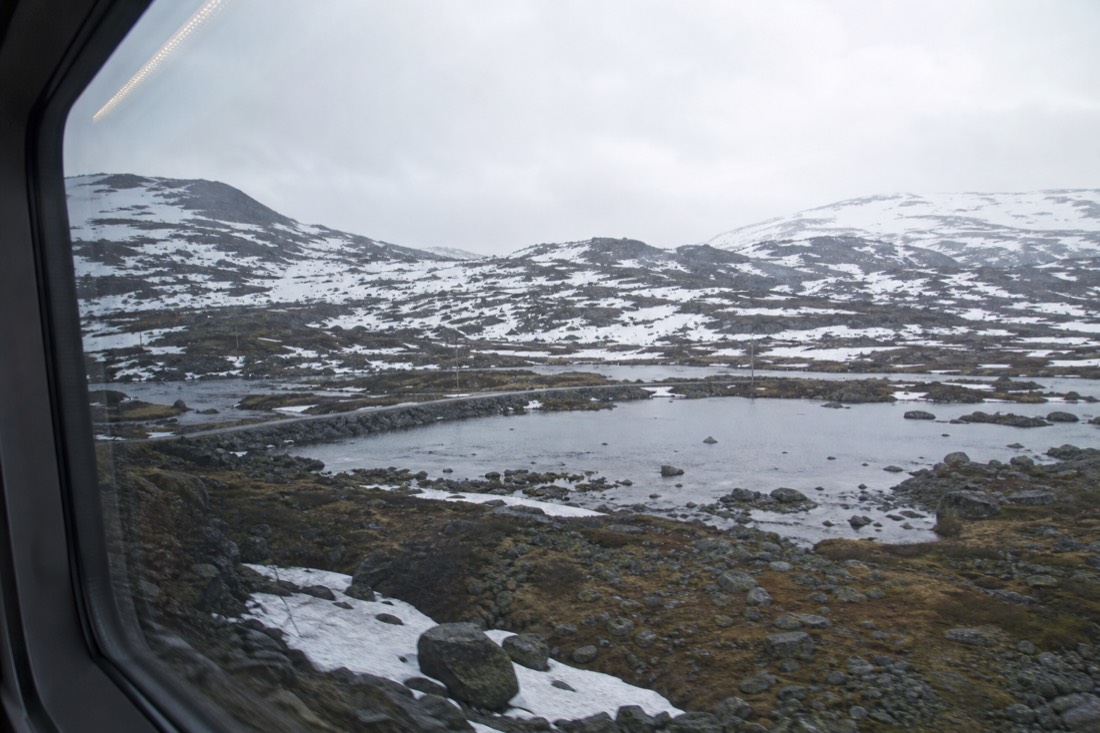
Trains are the exception that rewards early booking most sharply. The Bergensbanen between Oslo and Bergen takes roughly six and a half to seven and a half hours, and Vy releases cheap advance fares that vanish as the date approaches. Book that leg first, then hang the rest of the itinerary on it.
For winter trips, one more piece of timing advice: leave yourself three clear nights in the north rather than one. A single night leaves no weather buffer. Three nights turns the same odds into something close to a reasonable bet, which is the same logic behind the pacing in our winter Norway guide. Whatever month you land on, decide first whether you are chasing light or darkness. Everything else follows from that.
Choose Your Norway Experience
Guided tour - Viking Village, Nærøyfjord Cruise and Flåm Railway. Join the Nærøyfjord cruise, Flåm Railway and Viking village in one guided day. Have a date in mind? Check it before arranging the rest of your Norway trip.
10 hours 30 minutes. Round trip from Strandkaien 16, Bergen. Choose the English option. Food and drinks cost extra. This is a day trip, with no hotel night.
Choose a date to see scheduled departures. Final availability and price are confirmed on Viator.
No verified experience fits those requirements. Adjust your choices, or keep the independent plan described above.
Compare Options And Fit Your Plans
General recommendation until you choose. Choose the city where the activity starts, not your arrival airport. Month filters describe the experience’s season, not confirmed departures. Allow travel to the meeting point as well as the listed duration. Confirm your exact option and access needs when booking.
- Tromsø Northern Lights Chase We Go Where The Lights Appear: 9 hours. Follow a guide and photographer away from Tromsø in search of clearer northern-lights skies. Allow 6–9 hours and select English Guide. Meet at the stated Tromsø departure point. Thermal suits are a rental option; boots and full meals are not included. Sightings are not guaranteed.
- Tromsø: Summer Evening Cruise with Activities: 5 hours. Sail through Tromsø’s fjords in the summer evening with a local guide and warm drinks. Five hours. Meet outside Polar Adventures 15 minutes early; hotel pickup is excluded. Midnight sun depends on the exact date and weather. Published age bands omit ages 13–16, so those ages need operator confirmation.
- Silent Whale Watching by Hybrid-Electric Boat from Tromsø: 9 hours. Watch for whales from a hybrid-electric boat with indoor viewing lounges and an English-speaking guide. Allow 7–9 hours from Tromsø harbour. Food and drinks are sold on board. Wildlife sightings and the route depend on conditions.
- Geiranger Fjord Sightseeing Cruise : 75 min: 1 hour 15 minutes. See Geirangerfjord from the water on a 75-minute sightseeing cruise. Start and finish at Geiranger harbour. Arrive 15 minutes early. English audio guide; drinks cost extra. Allow separate travel time to Geiranger.