How Many Days Are Enough For Norway?
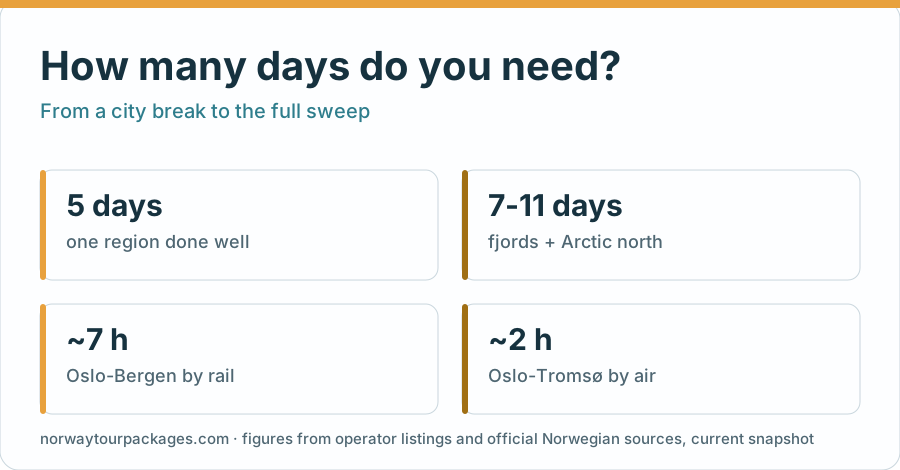
Five days buys one region done properly, ten buys fjords plus the Arctic without a week of transfers.
 Written with Lars Hansen, Norway Tour Packages Specialist & Experience Guide
Short answer
Five days can cover one region; a week can combine a city and western fjords. Around ten days can add an Arctic stay if the connections fit. Two weeks allows slower travel or another region with weather margin.
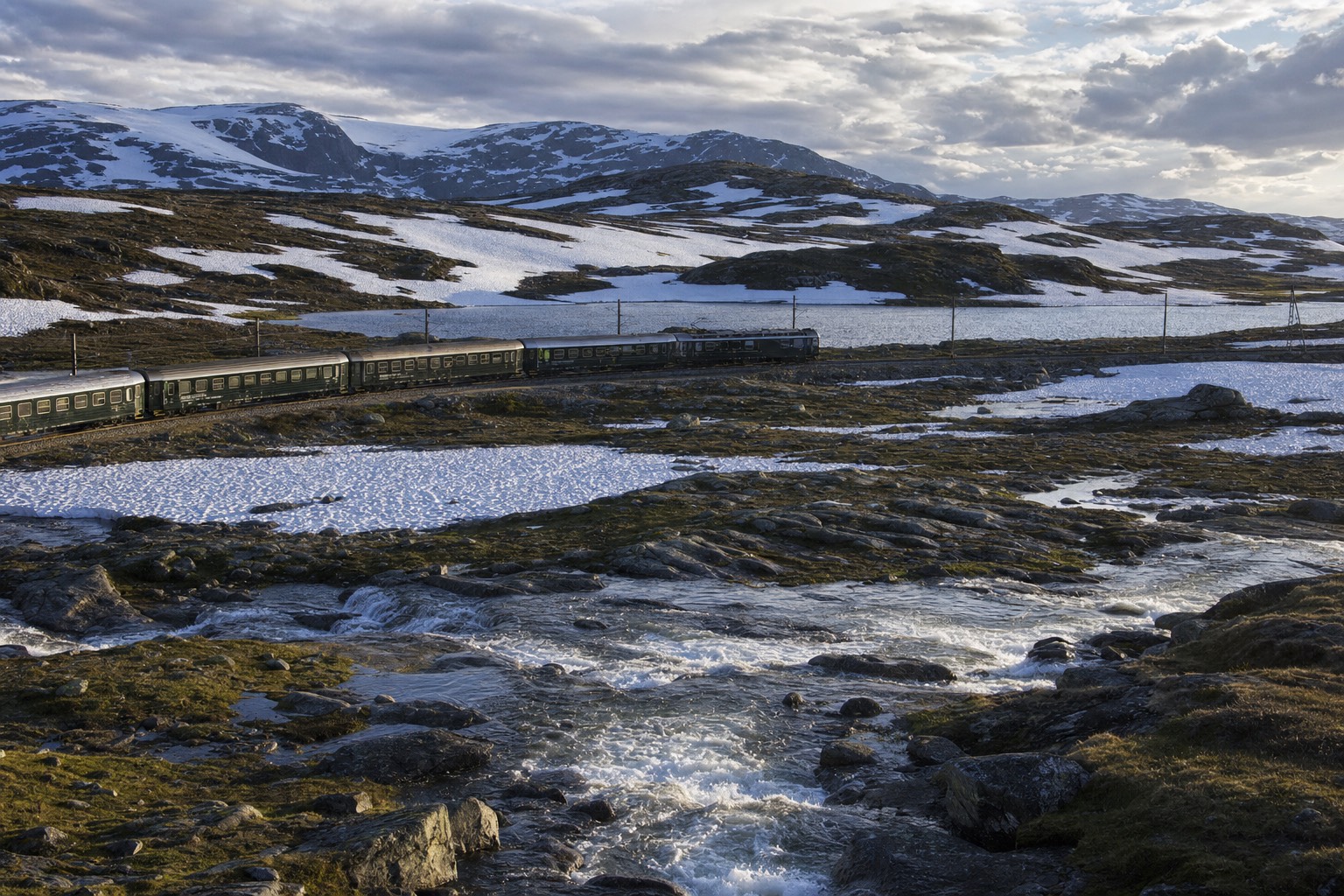
Oslo to Tromsø is a two-hour flight. That single number decides more Norway itineraries than any list of sights, because the country is shaped like a stretched arm and the two things most visitors fly in for, fjords and the Arctic, sit at opposite ends of it. The Bergen line crosses the Hardangervidda plateau in six and a half to seven and a half hours, past snow fences that stay standing into June. Nothing on a phone map prepares you for that scale.
Count travel days before adding regions. Compare a day experience with a whole guided trip only when the start, finish and duration fit.
Booking choice: A Bergen railway-and-fjord day can anchor a short western trip; the multi-day alternatives require ten or eleven days of their own. Explore Guided tour - Viking Village, Nærøyfjord Cruise and Flåm Railway
So the real question is rarely "how many days". It is how many regions, because Norway charges you a transfer day for every extra one, and a transfer day is not a sightseeing day however good the window seat is. We built this comparison around published timetables and the way tour operators actually pace their trips.
Is Five Days In Norway Enough?
Five days works for one region done properly: Bergen with a fjord cruise, Oslo with a single big day trip, or Tromsø in winter. Try to combine two of those and you are left with about two usable days after flights, check-ins and transfers. Depth beats coverage at this length.
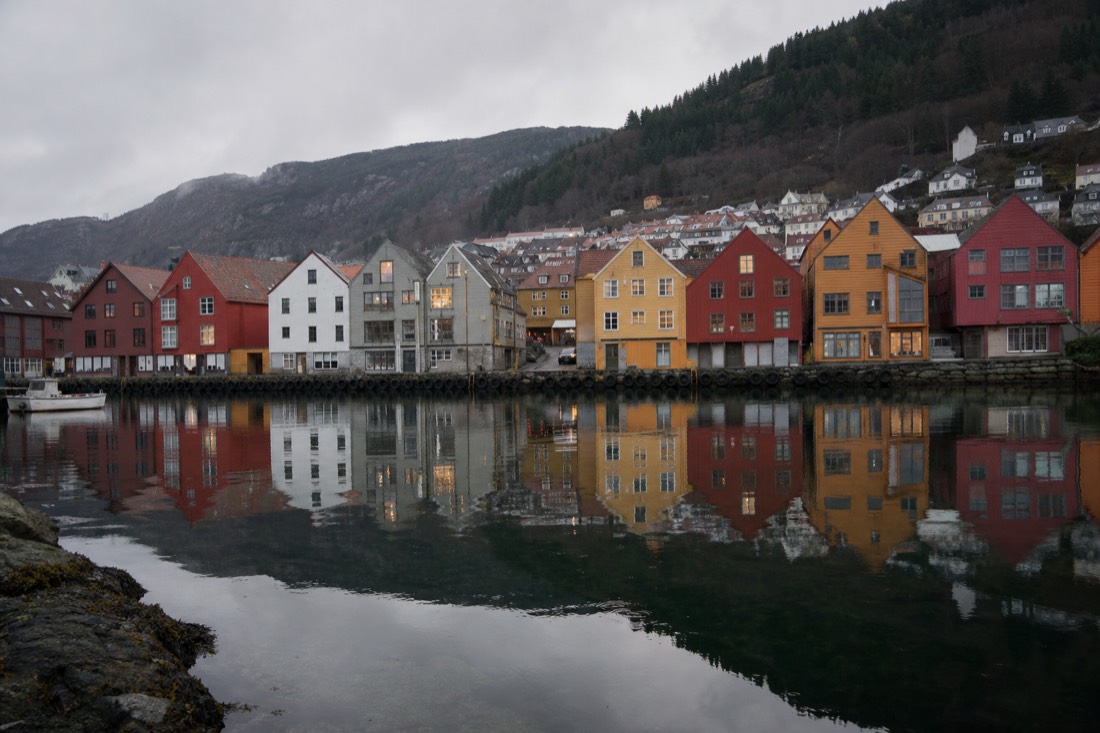
Count honestly. Day one is an evening arrival, day five is a morning departure with a bag drop, and you are down to three full days before anything goes wrong. That is enough for Bergen: the harbour, the funicular, a half-day cruise up the fjord and a proper meal. It is also enough for a first winter trip to Tromsø, where three nights gives you three separate chances at clear sky, which matters more than any single itinerary decision.
What five days will not do is give you both fjords and the Arctic. People try, and the trip becomes an airport tour. If your dates are fixed and short, we would rather see you pick the season first and let that choose the region, which is the logic behind our guide to the best time to visit Norway.
What Fits Into Seven Days In Norway?
Seven days is the first length where a two-part trip stops feeling rushed. The standard shape is Oslo, the Bergen railway, a fjord night at Flåm or Balestrand, then Bergen. Alternatively fly north and split the week between Tromsø and the Lofoten Islands in summer.
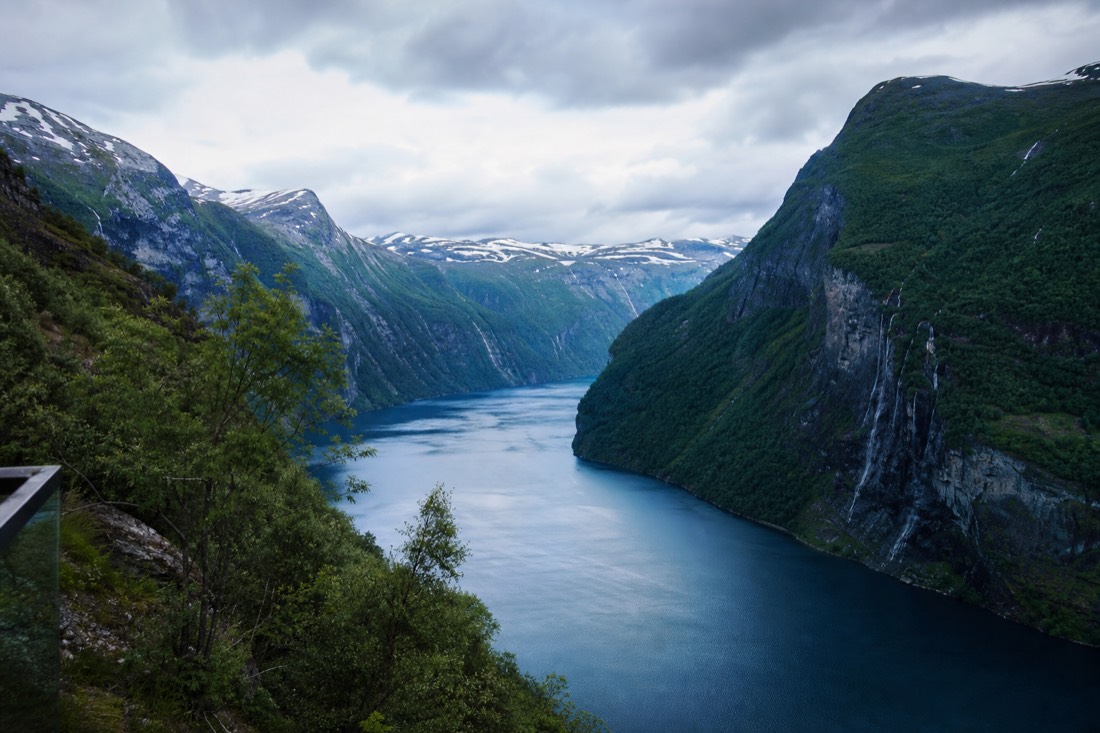
A week gives you five workable days plus travel. That is exactly the budget a classic Oslo to Bergen crossing needs, with one night in the fjord so you are not doing the whole rail, boat and bus sequence inside a single day. The self-guided Fjord Tours bundle known as Norway in a Nutshell is designed around that pattern and is bookable year round, and you can also assemble the same legs yourself through Vy and the Flåm Railway operator.
| Trip length | Realistic scope | What you give up | Best season fit |
|---|---|---|---|
| 5 days | One region: Bergen, Oslo or Tromsø | Any second region; long hikes | Winter city break or a summer fjord base |
| 7 days | Oslo plus fjords, or Tromsø plus Lofoten | The Arctic if you start in the south | Late May to September, or February to March |
| 10 days | Fjords plus one Arctic stay, or a full west-coast loop | Spare days if weather closes a road | May to September for roads, January to March for aurora |
| 14 days | Two regions plus Lofoten or a slow road trip | Very little, other than budget | Any season, with margin for cancellations |
Seven days also survives one bad weather day, which five does not. If you want the hour-by-hour version, our seven-day Norway itinerary lays out where each night should fall.
Why Do Most Fjord And Arctic Trips Land On Ten Days?
Ten days is the shortest length that carries a domestic flight north without wrecking the fjord half. It typically means Oslo, the Bergen line, two fjord nights, Bergen, then a flight to Tromsø for three nights. Operators build their fjord and northern lights packages to roughly this length for the same reason.
The internal flight is the pivot. Once you accept one two-hour hop, the whole country opens up, and ten days absorbs the two half-days that flight costs you. Below is how the days usually break down on a southern-plus-northern trip.
| Days | Base | What those days are for |
|---|---|---|
| 1-2 | Oslo | Arrival, the harbour museums, one full day before you move |
| 3 | On the Bergen line | The rail crossing itself, arriving in the fjords by evening |
| 4-5 | Flåm or a fjord village | Nærøyfjord cruise, the Stegastein viewpoint, one slow day |
| 6-7 | Bergen | Bryggen, Fløibanen, a harbour fjord cruise, a rain plan |
| 8-10 | Tromsø | Flight north, two or three aurora or whale nights, departure |
Aurora chasing is the strongest argument for ten days rather than seven. The season runs from late September to late March or early April, and it is never guaranteed on any single night, so three or four nights in the north is a probability decision rather than a comfort one. Our ten-day Norway itinerary follows this same skeleton with the bookings named.
Is Fourteen Days In Norway Too Much?
Two weeks is not too much if you add a third element rather than stretching the first two. Lofoten, a Nordic scenic route drive, Svalbard or a Hurtigruten coastal leg all fit into the extra days. What fails is spreading ten days of plans across fourteen with no new region.
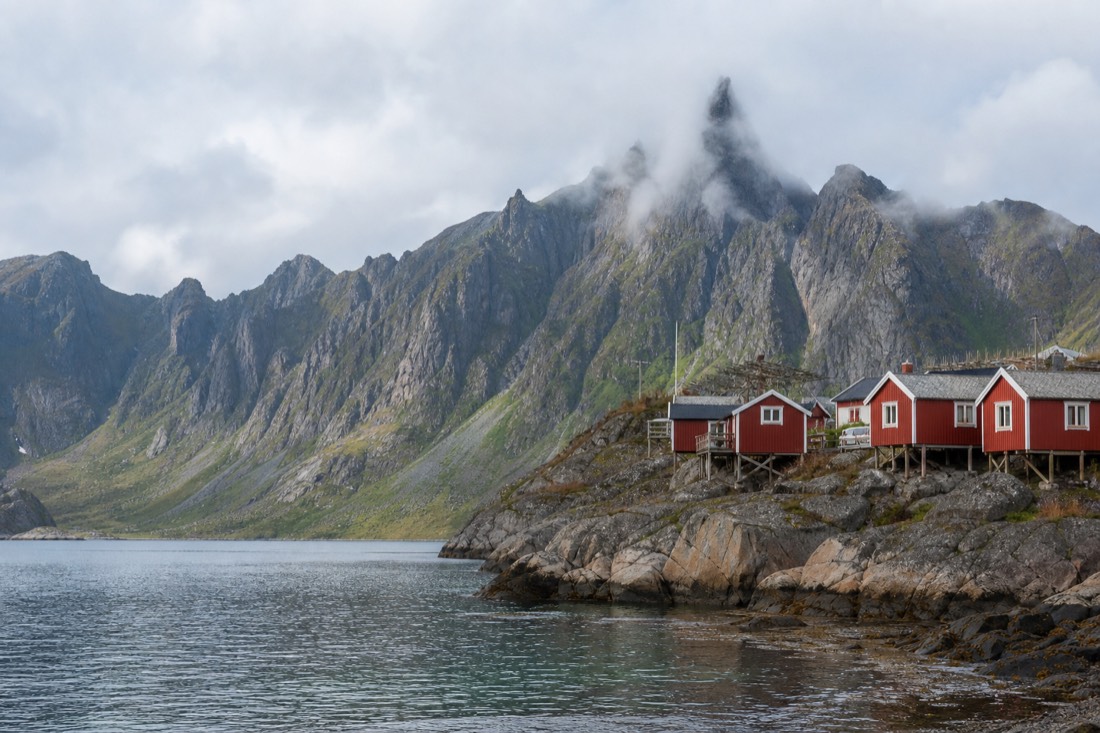
Fourteen days is also the length that makes a self-drive worthwhile. The national tourist routes are seasonal and the mountain passes are the first thing to close, Trollstigen being the obvious example: it reopened on 29 April 2026 and remains subject to seasonal and temporary closures, weather permitting. Check the pass status on Nasjonale turistveger before committing a driving day to it.
The other honest use of two weeks is margin. Ferries get cancelled, flights north get fogged out, and hikes wait for weather. Fourteen days lets you move a plan by a day instead of losing it.
How Far Apart Are Oslo, Bergen And Tromsø?
Oslo to Bergen is six and a half to seven and a half hours by train or about an hour by air. Oslo to Tromsø is a direct flight of roughly one hour fifty to two hours twenty-five. There is no quick surface route north, which is why almost every itinerary flies that leg.
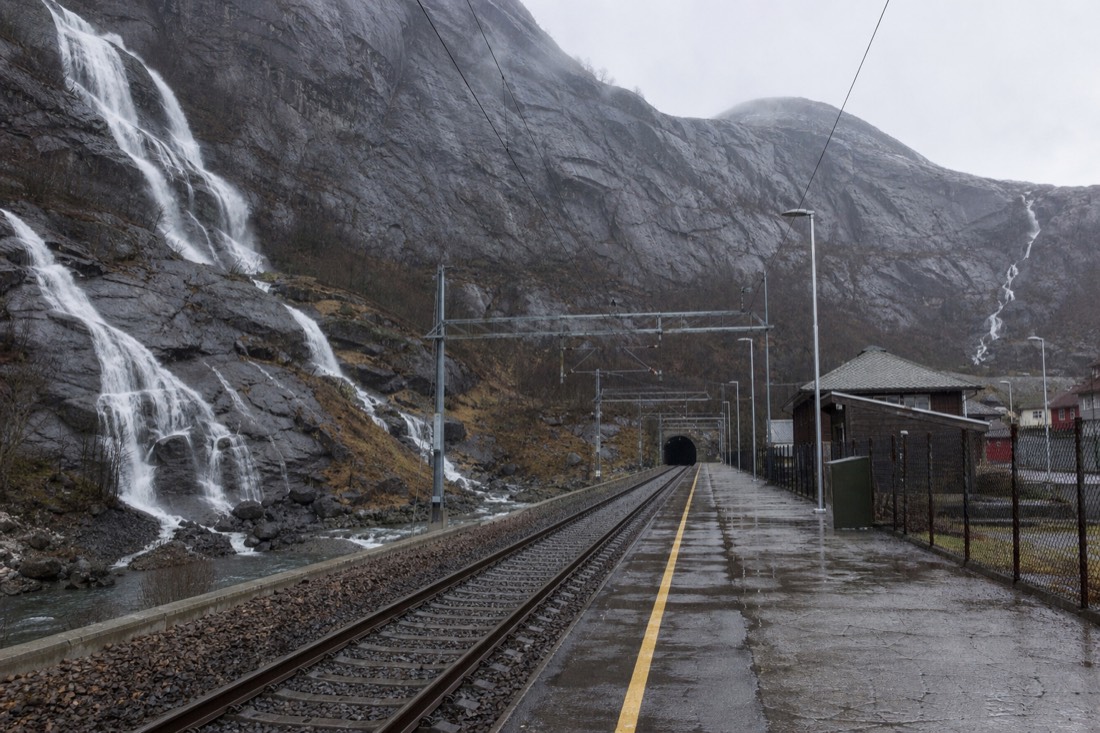
| Route | Mode | Typical duration | Notes |
|---|---|---|---|
| Oslo to Bergen | Train, Vy Bergensbanen | 6.5 to 7.5 hours | 6 to 7 departures a day, roughly NOK 900 to 1,400 one way |
| Oslo to Bergen | Flight | About an hour in the air | Fast, but you lose the plateau crossing that people book Norway for |
| Oslo to Tromsø | Direct flight | 1h50 to 2h25 | The standard link between the south and the Arctic |
| Bergen to Flåm and back | Guided day tour | 10.5 to 14 hours | Long but single-day; some versions run May to September only |
| Bergen to the inner fjord arm | Boat, round trip | 3.5 hours | Year-round cruising from the city quay |
Should You Cover One Region Or Two?
Cover one region under seven days and two regions from seven upward. The split that works is south plus north, not two neighbouring fjords, because the sights repeat. Only stretch to three regions at fourteen days, and let one of them be somewhere you stay put, such as Lofoten.
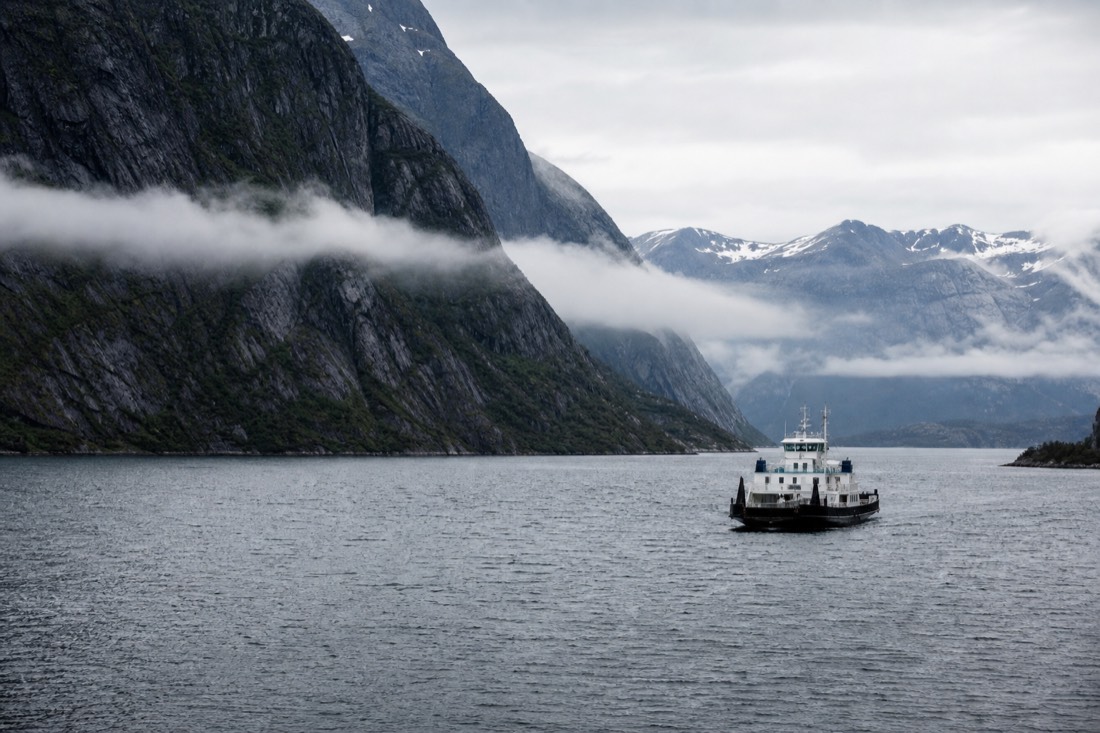
Repetition is the trap nobody warns you about. Geirangerfjord and Nærøyfjord are both listed on the UNESCO World Heritage List as the West Norwegian Fjords, inscribed in 2005, and they are genuinely different in feel, but a traveller with six days who visits both will spend most of the difference on the E39 and its ferries. The official UNESCO listing covers only those two fjord systems, which is a useful filter when a marketing page implies every inlet is protected.
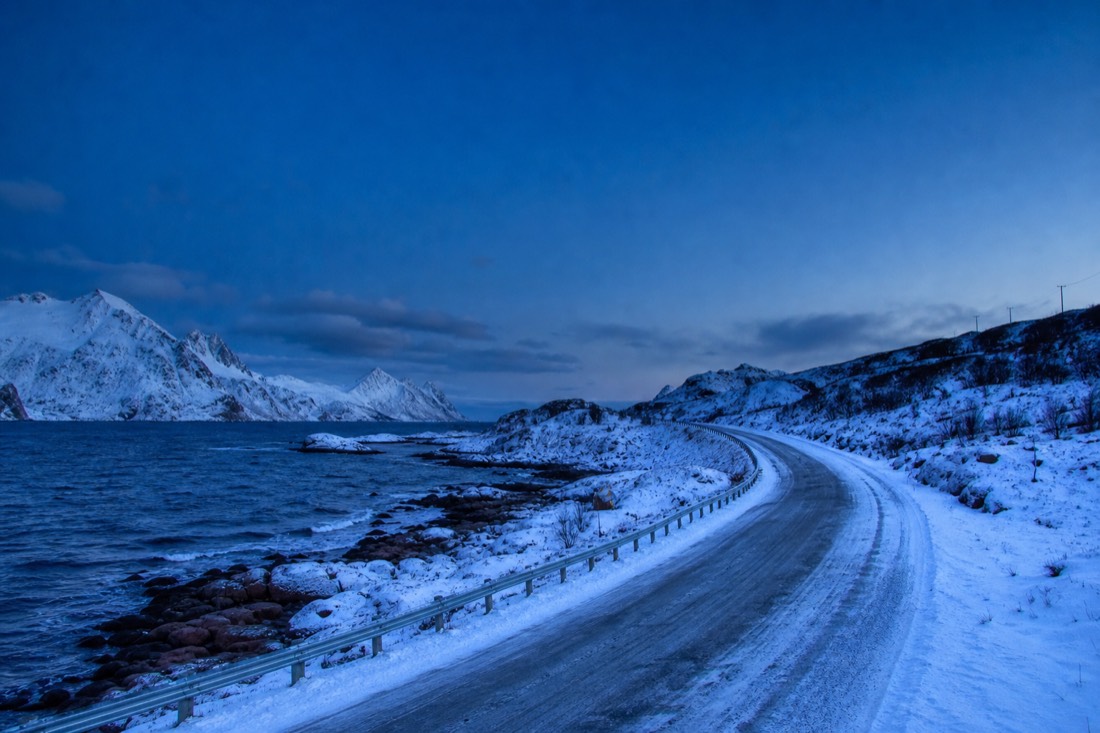
Contrast, not quantity, is what makes a Norway trip feel long. A rainy Bergen quay and a frozen Tromsø ridge are the same country doing two unrelated things, and that is what people remember.
When Does A Guided Package Beat Planning It Yourself?
A package wins when your trip crosses regions, runs in winter, or has no slack. You are buying pre-booked transfers, hotel positioning and a driver who knows which pass is shut. Independent planning wins for a single-region trip, or when you want to choose every hotel yourself.
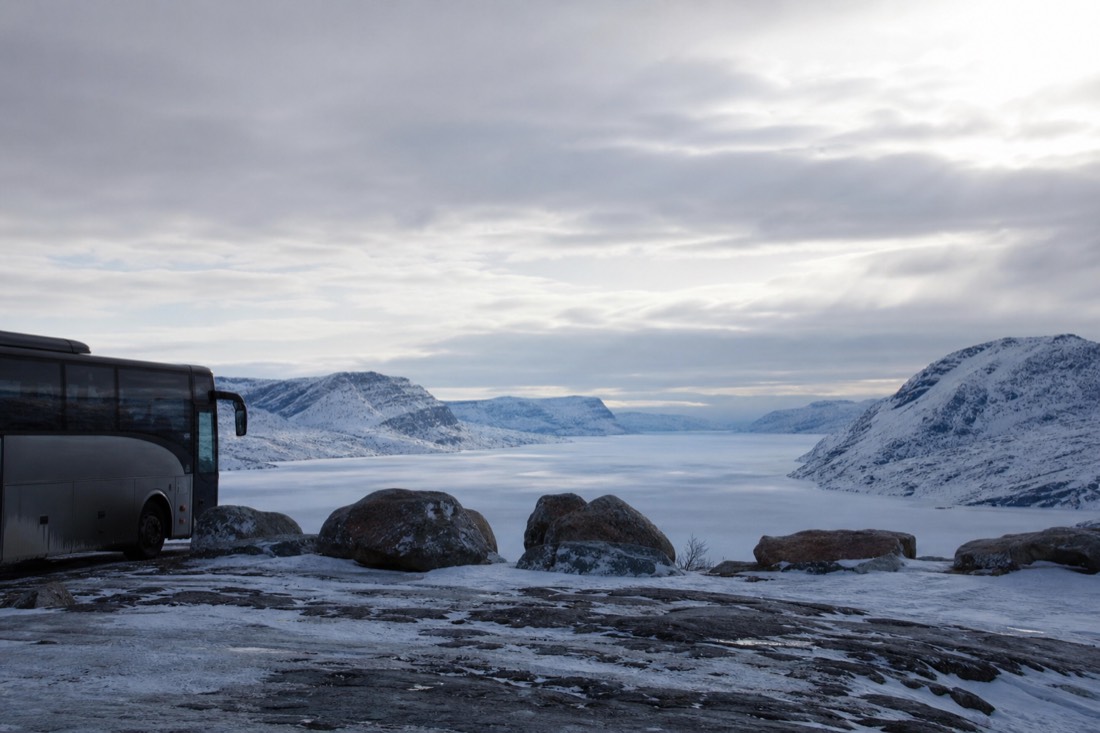
The maths is simple. On a ten-day southern-plus-northern route you are booking two flights, one long rail leg, at least one boat, four or five hotels and a set of local tours. Every one of those is a point of failure with a cancellation policy attached. Guided operators coordinate the booked itinerary under their own disruption and cancellation terms, which is why their fjord and aurora trips cluster at nine to eleven days.
Related planning: multi-day Norway packages.
Doing it yourself is entirely reasonable at five to seven days in one region. Norway makes independent travel easy: cards and Apple Pay work almost everywhere, the tap water is excellent so you can skip bottled water entirely, and the rail and bus timetables are published in English. The moment the itinerary includes a domestic flight and a winter road, the calculation changes.
How Do Travel Days Eat Into A Short Norway Trip?
Plan on losing most of two days to arrival and departure, and roughly half a day to each internal move. Oslo to Bergen takes 6.5 to 7.5 hours by train, Oslo to Tromsø flies in about 1 hour 50 minutes plus airport time. On a five-day trip that leaves about three usable days.

This is the arithmetic most itineraries skip, and it is why a "seven-day Norway trip" often delivers four days of Norway. The Bergen Line is genuinely one of the trip's highlights rather than dead time, but it still consumes a day. Flights to the Arctic are quick in the air and slow around it.
| Move | Time in transit | Realistic day cost |
|---|---|---|
| International arrival into Oslo | Varies | Most of one day |
| Oslo to Bergen by train, 6-7 departures daily | 6.5-7.5 hours | A full day, but a scenic one |
| Bergen to the Nutshell fjord loop and back | Full day | One day |
| Oslo to Tromsø by air | 1h50m to 2h25m in the air | Half a day with transfers |
| Tromsø aurora chase | Evening into night | Costs the next morning |
| Departure day | Varies | Half to a full day |
The aurora line matters more than it looks. Chases run late and return in the small hours, so an early flight the next morning is a mistake people make once.
Does Adding Days Keep Improving The Trip?
Beyond ten days, decide whether you want another region or more depth and weather margin. Days 1 to 7 add whole new landscapes, days 8 to 10 add the Arctic, and beyond that you are mostly adding depth in places you have already seen, which suits some travellers and bores others.
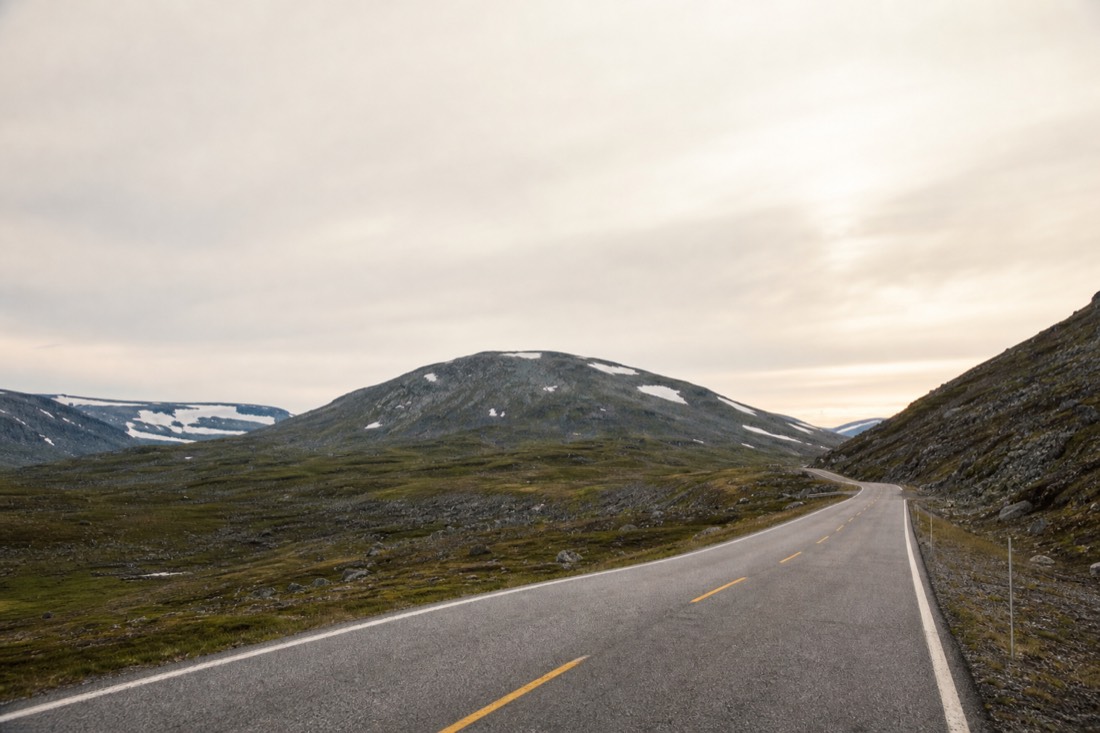
Norway rewards a second week differently from, say, Italy. The marginal day does not hand you another famous city; it hands you slower travel, smaller villages and weather margin. Whether that is worth it depends on whether you would rather see one more thing or understand one place properly.
| Trip length | What it realistically covers | Who it suits |
|---|---|---|
| 3-4 days | One base: Oslo, or Bergen with one fjord day | A city break with a view |
| 5-6 days | Oslo, the Bergen Line, one fjord day | First-timers on a tight window |
| 7-8 days | The above plus a second fjord or a coastal leg | The standard first Norway trip |
| 9-11 days | Fjords plus the Arctic, aurora or midnight sun | Anyone flying long-haul to get here |
| 12+ days | Lofoten, Senja, slower villages, weather buffer | Repeat visitors and photographers |
If you are flying from North America or Asia, the 9-to-11-day band is usually the honest minimum for including the Arctic, and it is the shape our 10-day Norway itinerary follows.
What Does Lars Tell People To Cut When The Days Do Not Fit?
Cut a region before you cut a night, and cut a city before you cut the fjords. The trips that disappoint are the ones that keep every destination and shave the time in each, arriving everywhere and seeing nothing properly.

The hardest conversation in itinerary planning is not about money, it is about subtraction. Since 2015 Lars has watched the same instinct play out: faced with a week, people try to keep Oslo, Bergen, the fjords, Lofoten and Tromsø, then compress each to a day and spend the trip on trains and in airports.
| Days available | Keep | Cut |
|---|---|---|
| 5 | Bergen and one fjord day | The Arctic entirely; it does not fit |
| 7 | Oslo, the Bergen Line, the fjords | Lofoten, or Tromsø, not both |
| 10 | Fjords plus one Arctic base | The second Arctic destination |
| 12+ | Add Lofoten or slow the fjords | Nothing; this is where it all fits |
| Any length | Buffer nights where weather decides | Never cut these first |
The bottom row is the one people resist. Weather buffer looks like wasted time on a spreadsheet and behaves like insurance in reality, particularly anywhere north of the Arctic Circle.
Does Norway Work As A Stopover Of Two Or Three Days?
Yes, but only as a city trip with one scenic day attached. Two or three days is enough for Oslo plus its fjord, or Bergen plus one cruise. It is not enough to combine the southern fjord loop with an Arctic stay, and pretending otherwise produces a day of travel and a photograph.

Plenty of people reach Norway on a layover or a short add-on to a longer European trip, and that version can work well as long as the ambition matches the clock. The failure mode is trying to compress the classic route into it.
| Length | Realistic shape | What to avoid |
|---|---|---|
| 2 days | Oslo, its museums and a fjord cruise | Any attempt to reach Bergen and back |
| 3 days | Bergen, Bryggen, one full fjord day | The Arctic; the flights eat the trip |
| 3 days, winter | Tromsø with two aurora attempts | Adding the fjords as well |
| 4 days | Bergen plus the Nutshell loop | Three destinations |
The winter row is the interesting one. A short trip built entirely around Tromsø actually works, because the activities are concentrated and the transfers are short, which is rarely true of a compressed fjord itinerary.
How Should Season Change Your Day Count?
Winter needs more nights, summer needs more daylight hours than days. Aurora trips want three or four Arctic nights minimum because clear sky is a probability. Summer fjord trips can move faster, since the light stretches past 11pm and you can sightsee after dinner.
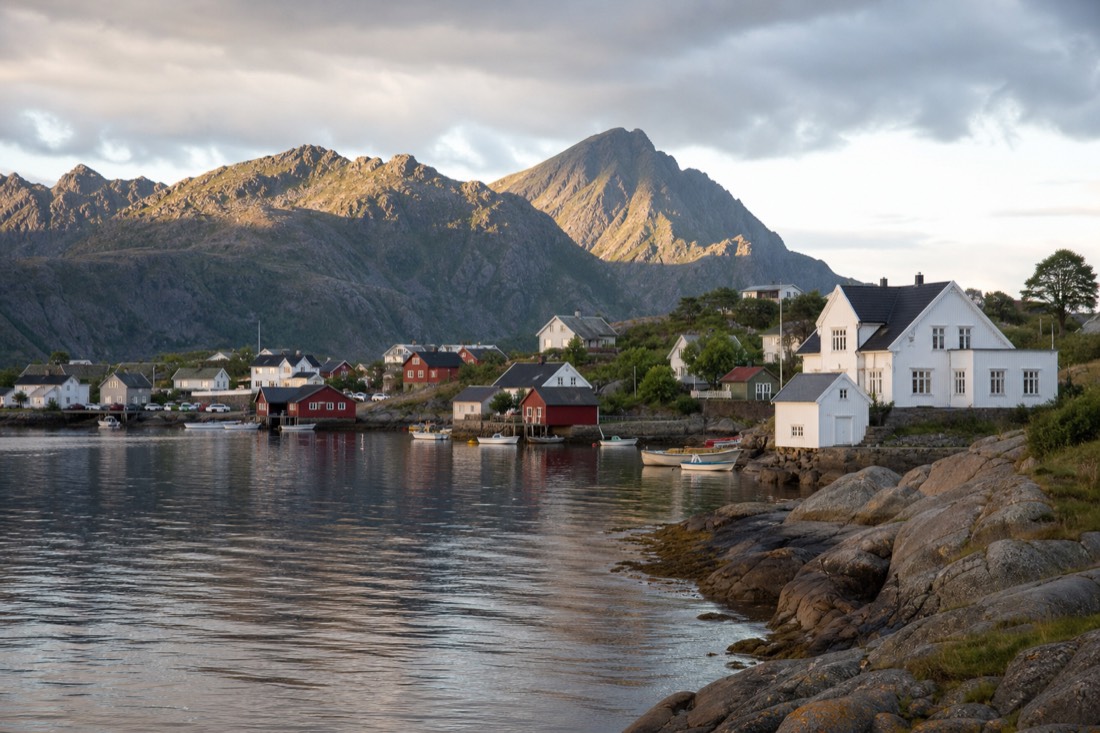
In Tromsø the polar night runs from about 27 November to 15 January, with the mountains blocking direct sun from roughly 21 November to 21 January, and the midnight sun runs from late May to late July. Those two facts change the useful length of a day more than any itinerary decision you make. Check the forecast pattern on yr.no before you fix your northern nights, since coastal cloud, not aurora activity, is usually what ruins a viewing.
One more seasonal note that catches people out. Norway's visitor-contribution law has passed, allowing municipalities to add an optional levy of up to 3 percent, but realistic collection is expected from 2027 and each municipality has to apply it, so it should not affect a 2026 budget. Read Visit Norway for the current national position before you plan around it.
Choose Your Norway Experience
Guided tour - Viking Village, Nærøyfjord Cruise and Flåm Railway. Join the Nærøyfjord cruise, Flåm Railway and Viking village in one guided day. Have a date in mind? Check it before arranging the rest of your Norway trip.
10 hours 30 minutes. Round trip from Strandkaien 16, Bergen. Choose the English option. Food and drinks cost extra. This is a day trip, with no hotel night.
Choose a date to see scheduled departures. Final availability and price are confirmed on Viator.
No verified experience fits those requirements. Adjust your choices, or keep the independent plan described above.
Compare Options And Fit Your Plans
General recommendation until you choose. Choose the city where the activity starts, not your arrival airport. Month filters describe the experience’s season, not confirmed departures. Allow travel to the meeting point as well as the listed duration. Confirm your exact option and access needs when booking.
- Cosmos Norwegian Fjords: 11 days. Travel from Oslo through southern Norway, Bergen and the western fjords on an 11-day guided circuit. Oslo round trip with accommodation and English guiding. Check the dated itinerary, room arrangement and included meals. Geiranger cruising is an optional extra; low intensity does not establish wheelchair access.
- Globus Norwegian Fjords Escape With Northern Lights: 10 days. Follow a guided 10-day route from Oslo through Flåm and Bergen to Tromsø. Ends in Tromsø, not Oslo. Accommodation and English guiding are listed. Internal airfare is charged separately from the displayed base price; confirm the exact connection. The aurora excursion and fjord cruise are optional extras; sightings are not guaranteed.
- Mostraumen Fjord Cruise : Operated & Guided by Locals: 3 hours 30 minutes. Cruise from Bergen into Osterfjord and the narrow Mostraumen passage. Meet at the pier between Strandkaien Terminal and Mathallen. English audio commentary. Winter ice can require an alternative route.
- Central Oslo Guided Walking Tour with Local Guide: 2 hours. Get oriented in central Oslo on a two-hour walk with an English-speaking local guide. Two hours from the tiger statue outside Oslo Central Station to the Royal Palace. Select the English time option. Outdoor walking only; no admission inside buildings. Not recommended for poor cardiovascular health.
- Tromsø Northern Lights Chase We Go Where The Lights Appear: 9 hours. Follow a guide and photographer away from Tromsø in search of clearer northern-lights skies. Allow 6–9 hours and select English Guide. Meet at the stated Tromsø departure point. Thermal suits are a rental option; boots and full meals are not included. Sightings are not guaranteed.