What Is The Number One Tourist Attraction In Norway?
Norway's number one tourist attraction, argued from real evidence: UNESCO fjord status, 2025 visitor records, Bergen's cruise numbers, and how to see the winner properly.
 By Lars Hansen, Norway Tour Packages Specialist & Experience Guide
The question gets asked constantly and answered badly. Search it and you will be told the fjords, or Bryggen, or the Flåm Railway, or the northern lights, usually with no evidence attached and often with a made-up visitor count. Norway does not publish a single national attendance table, so nobody can settle this with one number. What exists instead is a set of real, checkable signals: UNESCO inscriptions, national accommodation statistics, cruise port arrivals, and the review volumes piling up on booking platforms. Put those together and one answer separates from the rest.
Visitor rankings vary, but you can still choose the fjord experience that fits your route and time.
Booking choice: For a first Bergen-based visit, the Nærøyfjord and Flåm Railway day combines two major attractions rather than promising a definitive popularity winner. Explore Guided tour - Viking Village, Nærøyfjord Cruise and Flåm Railway
What Is The Number One Tourist Attraction In Norway?
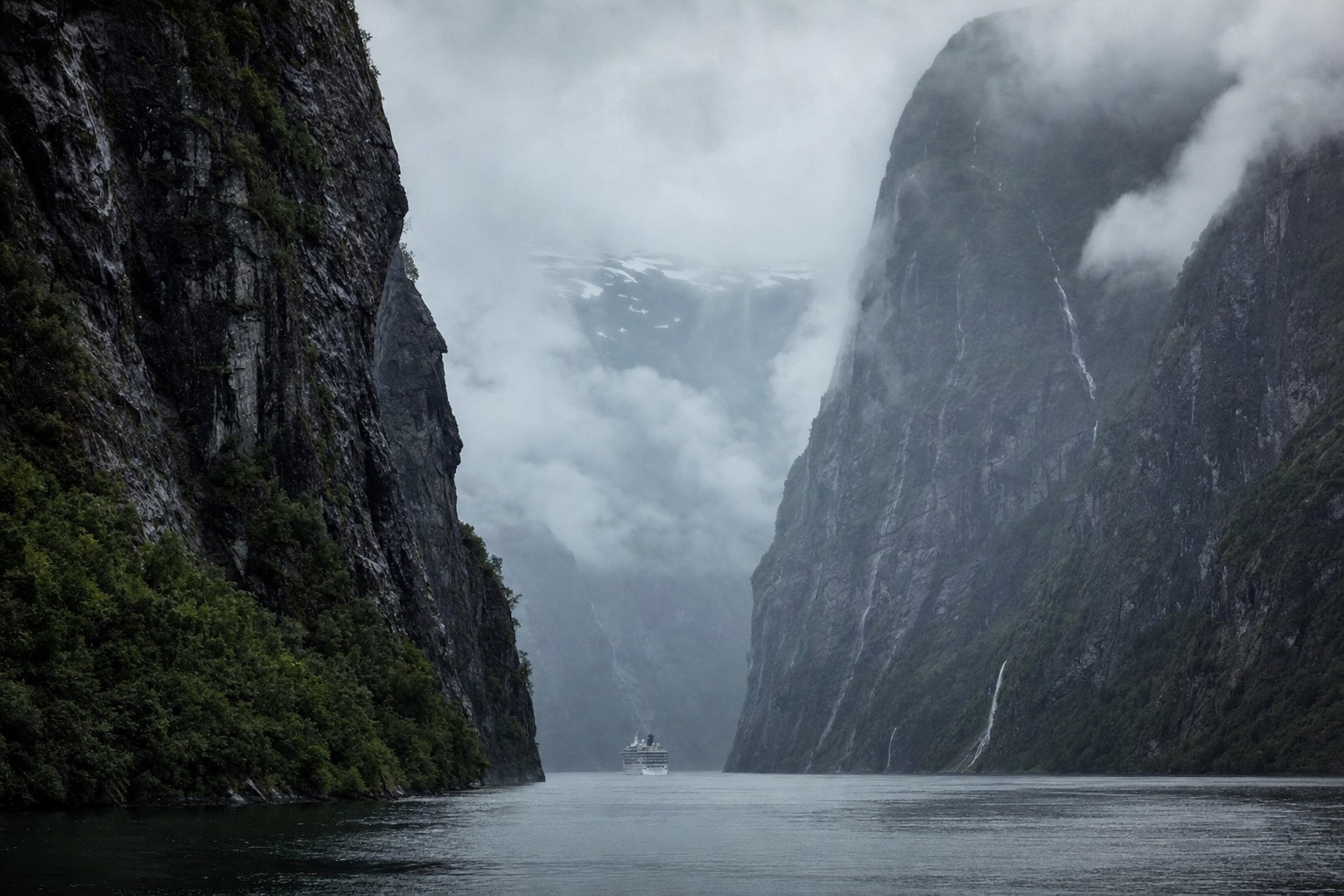
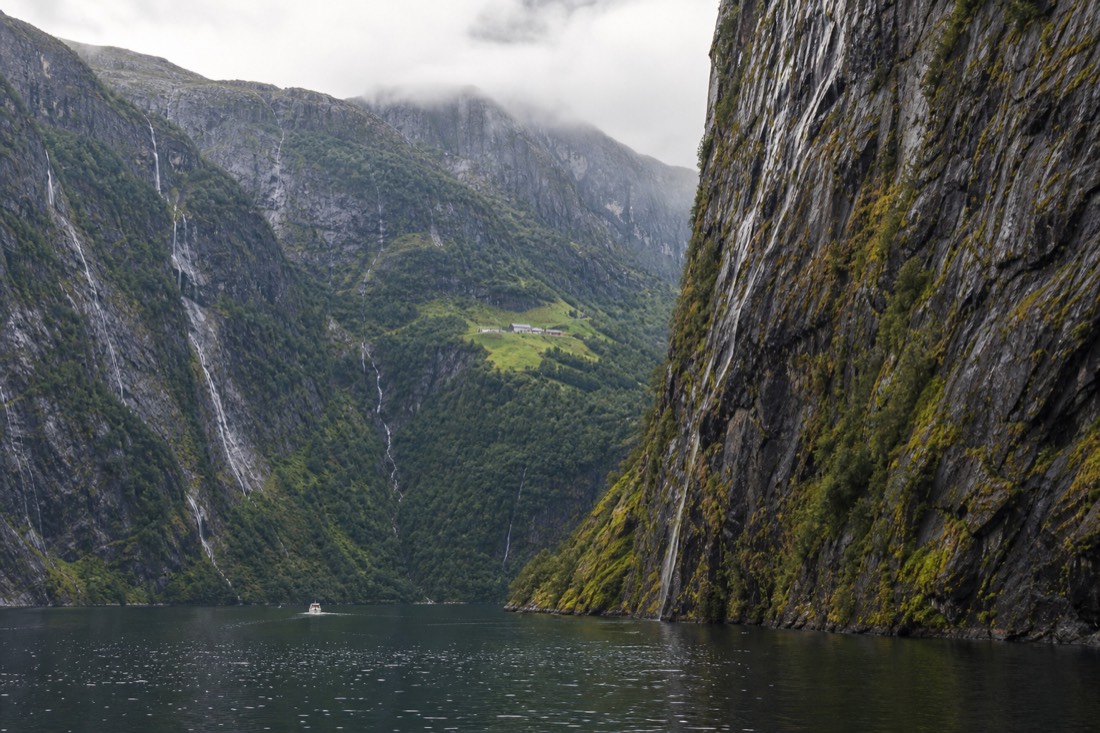
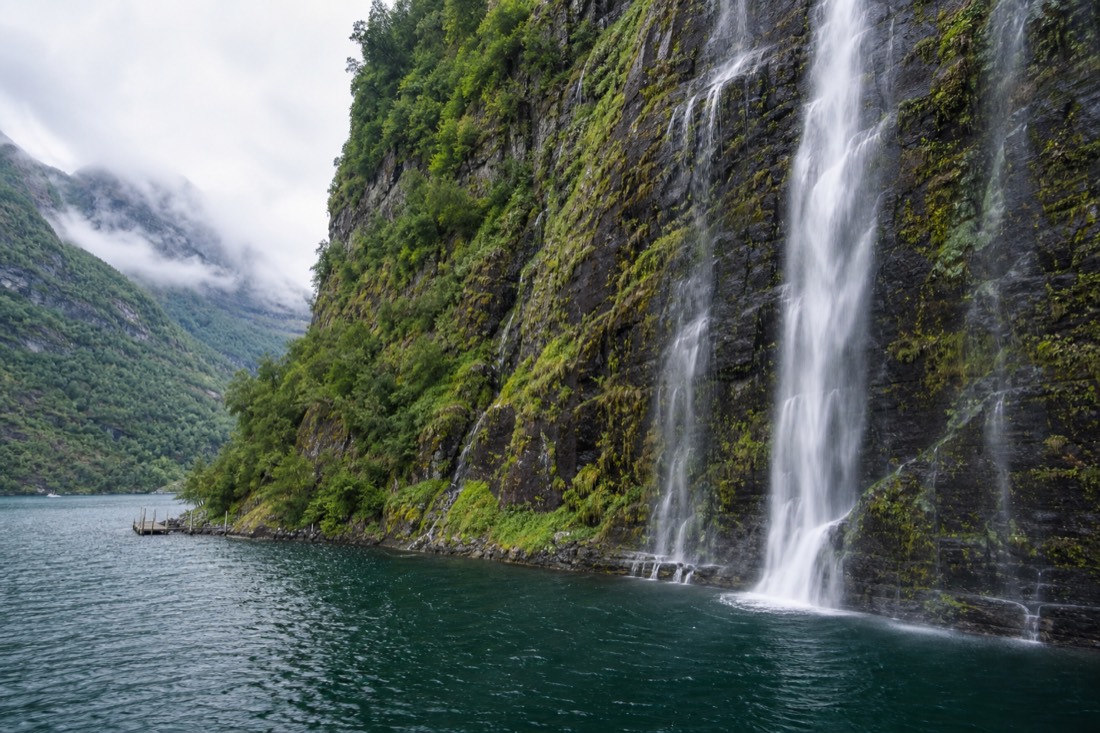
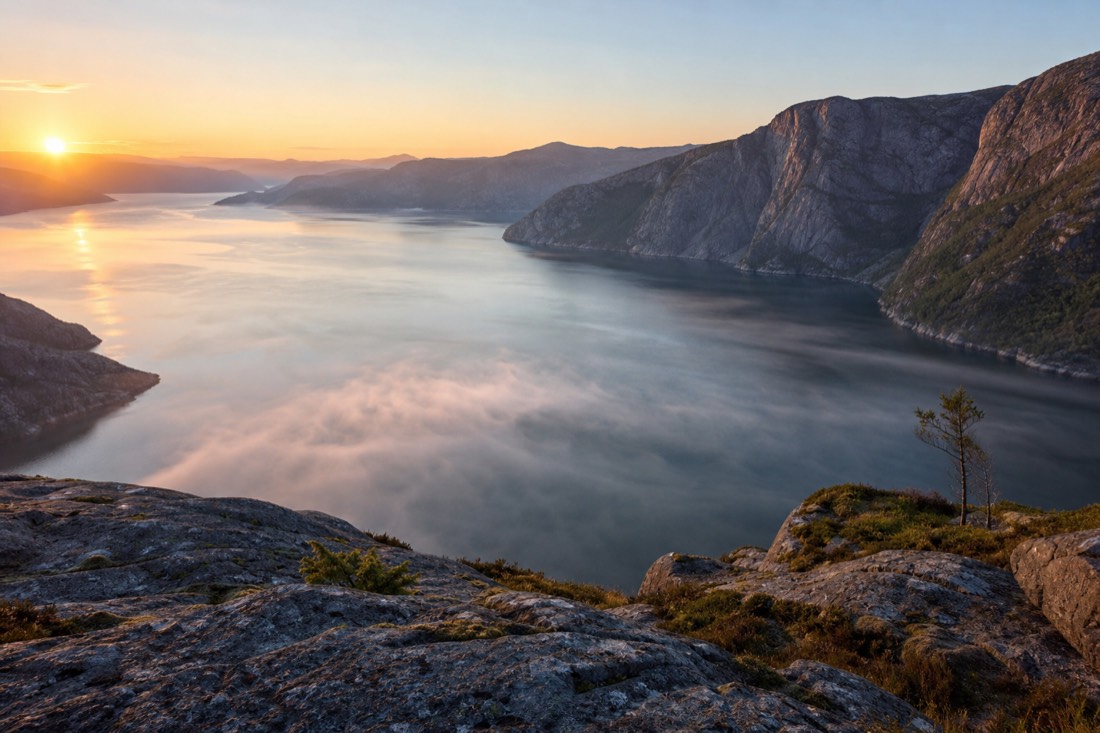
The fjords, and Nærøyfjord above all. It is one of only two Norwegian fjords inscribed on the UNESCO World Heritage list, alongside Geirangerfjord, as the West Norwegian Fjords in 2005. It sits within a day of Bergen, and it is the landscape that anchors a widely offered scenic itinerary.
This is an editorial recommendation, not a measured national popularity winner. Norway recorded 40.6 million commercial guest nights in 2025, crossing 40 million for the first time, and the geographic distribution of those nights follows the western fjord corridor and the Arctic north rather than the capital.
The UNESCO listing at whc.unesco.org matters here for a reason beyond prestige. The World Heritage inscription recognises this specific fjord landscape; it does not rank visitor popularity. The common claim that "the Norwegian fjords are a UNESCO site" is simply false, and correcting it narrows the field usefully.
Which Places Actually Draw The Biggest Numbers?
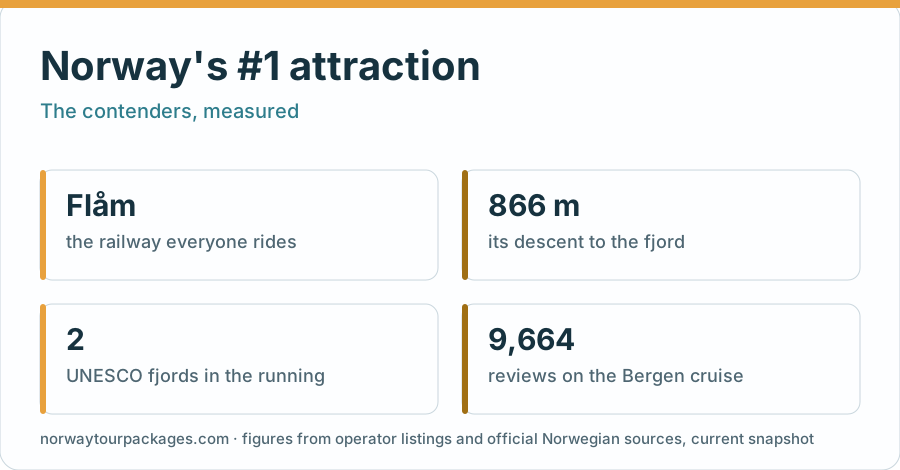
Norway has no official attraction attendance ranking, so the honest comparison uses what is measured: 40.6 million commercial guest nights nationally in 2025, up 5.2 percent, and 683,718 cruise visitors through Bergen's port in the same year. Both figures point at the western fjord region rather than at any single building.
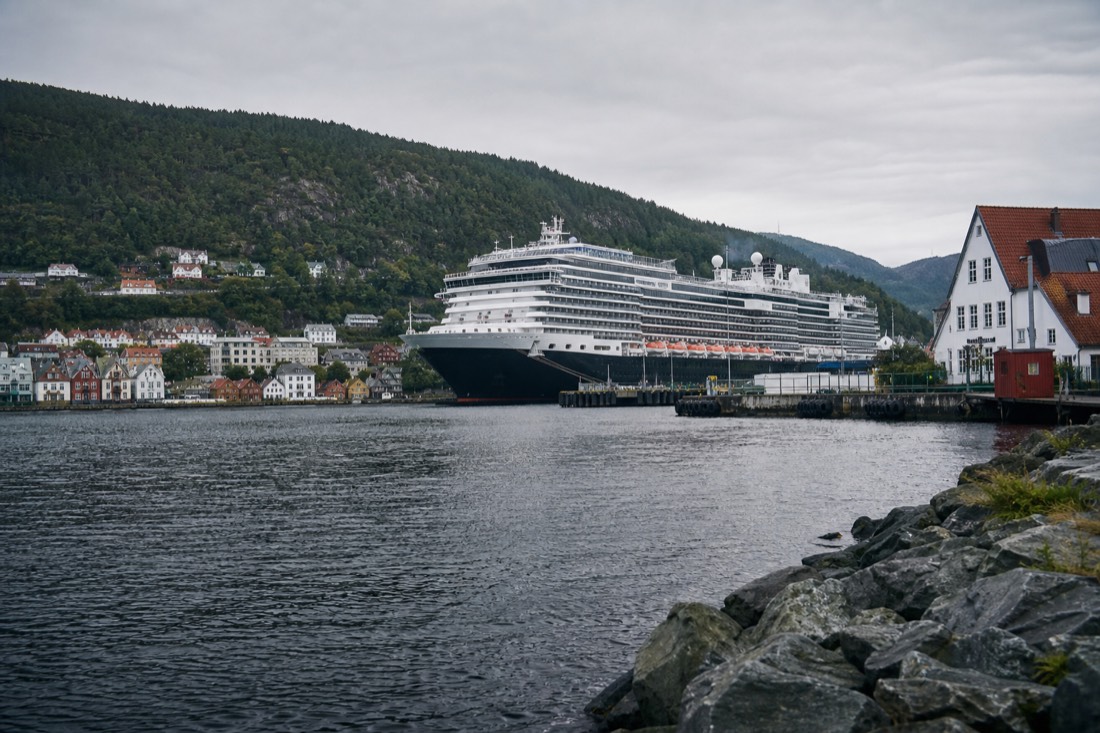
Bergen's cruise figure is instructive because those passengers are not there for Bergen alone. The port functions as the gateway to the fjord network, and a large share of arrivals move straight onto fjord excursions. Statistics Norway publishes the underlying accommodation and tourism series at ssb.no, and it is the closest thing the country has to a scoreboard.
| Measured figure | Value | Year |
|---|---|---|
| Commercial guest nights, all Norway | 40.6 million, up 5.2 percent | 2025 |
| Bergen cruise port visitors | 683,718 | 2025 |
| Norwegian fjords with UNESCO inscription | 2 (Geirangerfjord, Nærøyfjord) | Since 2005 |
What none of that gives you is a turnstile count for a waterfall. Anyone quoting one should be asked where it came from.
Why Do The Fjords Beat The Cities On This Question?
Because Norway's cities are stops on fjord itineraries rather than destinations that generate them. Bergen's own draw is heavily tied to onward fjord access, and Oslo functions as an arrival point. The figures cited here do not establish how many visits any single attraction causes.
That is not a slight on Bryggen, which is genuinely remarkable and is itself UNESCO-listed as a cultural site. It is an editorial judgement rather than a demonstrated causal finding. People book Norway to see a landscape that a photograph cannot really convey, then add a city day around the flights.
The other contenders fail on availability rather than quality. The northern lights are extraordinary and entirely conditional: the season runs from late September to late March or early April, and clear sky decides everything. Preikestolen is seasonal and requires a roughly four-hour round-trip hike. Nærøyfjord accepts anyone who can board a boat, in any month.
| Contender | Status | Season | Barrier to entry |
|---|---|---|---|
| Nærøyfjord | UNESCO natural site since 2005 | Year-round | Low, boat access |
| Geirangerfjord | UNESCO natural site since 2005 | Mainly summer | Medium, remote |
| Northern lights | Natural phenomenon | Late Sep to late Mar or early Apr | High, needs clear sky |
| Flåm Railway | Working railway, Flåm Utvikling | Year-round | Low, one hour ride |
| Bryggen, Bergen | UNESCO cultural site | Year-round | None |
| Preikestolen | Hiking destination | Roughly May to October | Medium, About 4 hours round trip |
If you want the aesthetic argument rather than the statistical one, we make it separately in the prettiest fjord in Norway.
How Do You Do The Winner Properly?
Combine the Nærøyfjord cruise with the Flåm Railway in a single day from Bergen. The railway runs 20.2 kilometres between Flåm and Myrdal in about an hour, dropping 866 metres at gradients up to 5.5 percent. Guided days run around 10.5 hours; self-guided ticket bundles cover the same route.
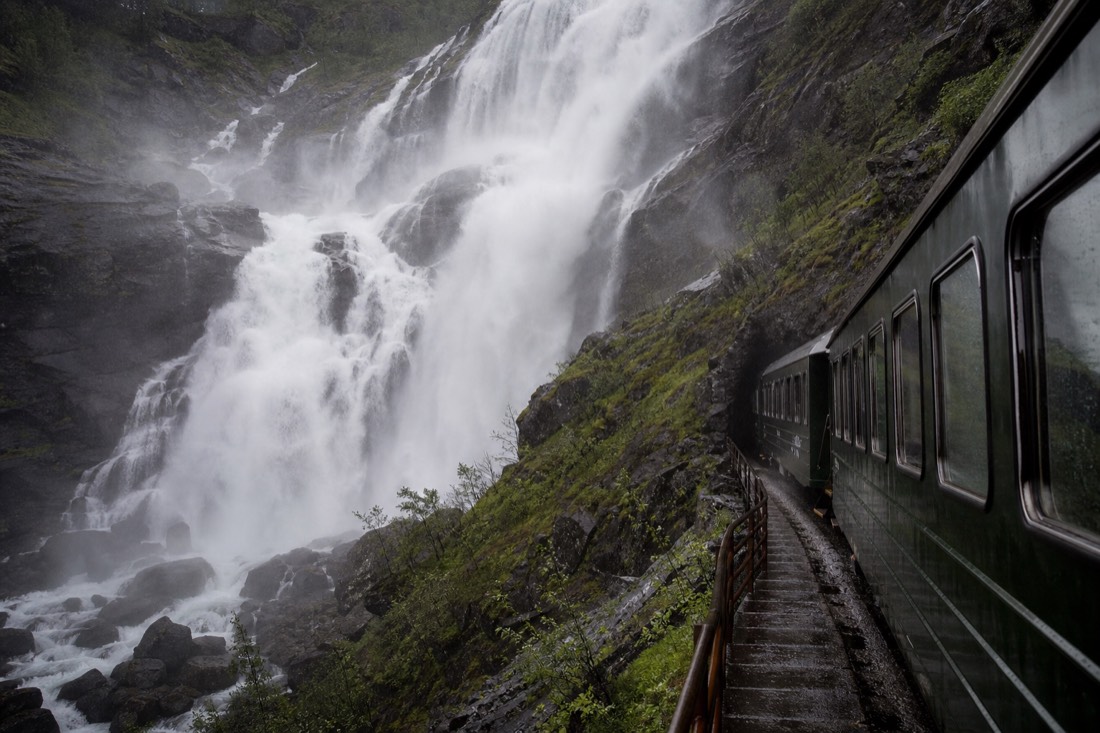
There are two honest ways to do it. The self-guided route is a ticket bundle from Fjord Tours, combining the Bergen line, the Flåm Railway, the Nærøyfjord cruise and the Voss–Gudvangen bus, bookable year-round and also assemblable yourself through norwaysbest.com or Vy. The guided route puts a driver and a guide on it, removes the connection anxiety, and adds stops the self-guided version does not reach.
Related planning: full route options.
| Approach | What it includes | Best for |
|---|---|---|
| Self-guided ticket bundle | Bergen line, Flåm Railway, Nærøyfjord cruise, Voss–Gudvangen bus | Confident independent travelers |
| Fully DIY, tickets bought separately | Same components, your own timings | Budget travelers with flexible dates |
| Guided day from Bergen, 10.5 hours | Viking village, fjord cruise, Flåm Railway, transport | First-timers and short trips |
We compare the self-guided and guided versions in detail, including where the price difference actually sits, in our guide to doing the route DIY or guided.
What Should You Add Around It?
Give the fjord day a Bergen day either side of it. The harbour, the funicular and the fish market fill a morning, and a short Mostraumen cruise adds a second, narrower fjord for half the time commitment. For an Arctic winter addition, allow separate flights and several Tromsø nights; it is not a one-day swap from Bergen.
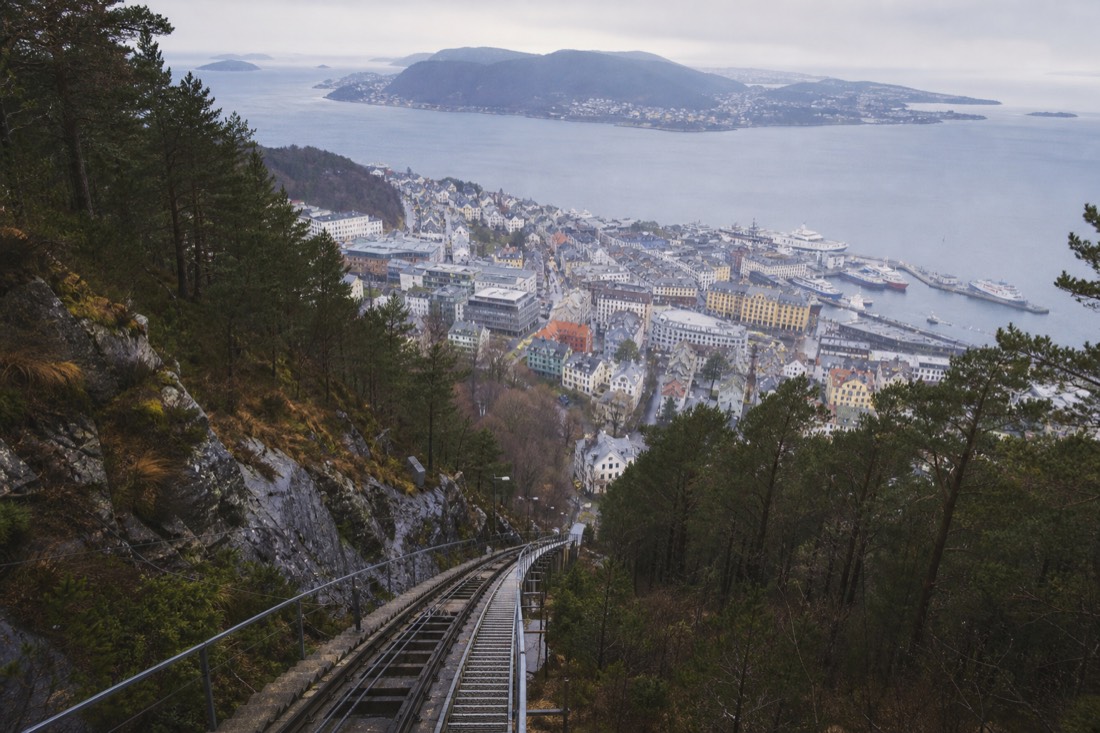
Bergen rewards a full day and rarely more, which makes it an ideal bracket rather than a base to sit in. The regional tourist board at fjordnorway.com maps the surrounding routes well, and our own list of day trips from Bergen picks the ones that hold up in rain.
How Crowded Does The Top Attraction Actually Get?
Concentrated rather than constant. The pressure clusters in July and August, on cruise-ship arrival days, and in a roughly six-hour midday band. Outside that pattern the same places are quiet, which is why timing beats destination-swapping.
Cruise itineraries in particular are published months ahead, which makes the busiest days of the summer entirely foreseeable for anyone willing to look them up before fixing a date.
Norway's headline sites are busy in a very predictable way, and the schedules that drive it are published. That makes the crowding unusually easy to plan around compared with, say, a city attraction that is simply full all day.
| Pressure source | When | How to avoid it |
|---|---|---|
| Cruise-ship calls | Published arrival days | Check the port schedule |
| Coach tour arrivals | Mid-morning to mid-afternoon | Go early or late |
| Peak season | July and August | Shift to September or May |
| Midday light | Also the worst light | Early is better photographically too |
| Weekends near cities | Domestic day trips | Weekdays where possible |
There is also a straightforward substitution available at almost every pressure point. The famous fjord has a quieter neighbour, the famous viewpoint has a lesser-known one on the same road, and the famous village has an equivalent an hour further along the coast. Norway's density of comparable scenery is unusually high, which means avoiding a crowd rarely costs you the experience.
The second and fourth rows reinforce each other neatly. The hours when the crowds arrive are also the hours when the light is flattest, so leaving early improves the photographs and the experience at once.
What Do Visitor Numbers Miss About Norwegian Attractions?
That most of the country's best experiences are not ticketed and therefore not counted. Hiking trails, viewpoints, beaches and roads carry no turnstile, so the official rankings measure paid access rather than what visitors actually value.
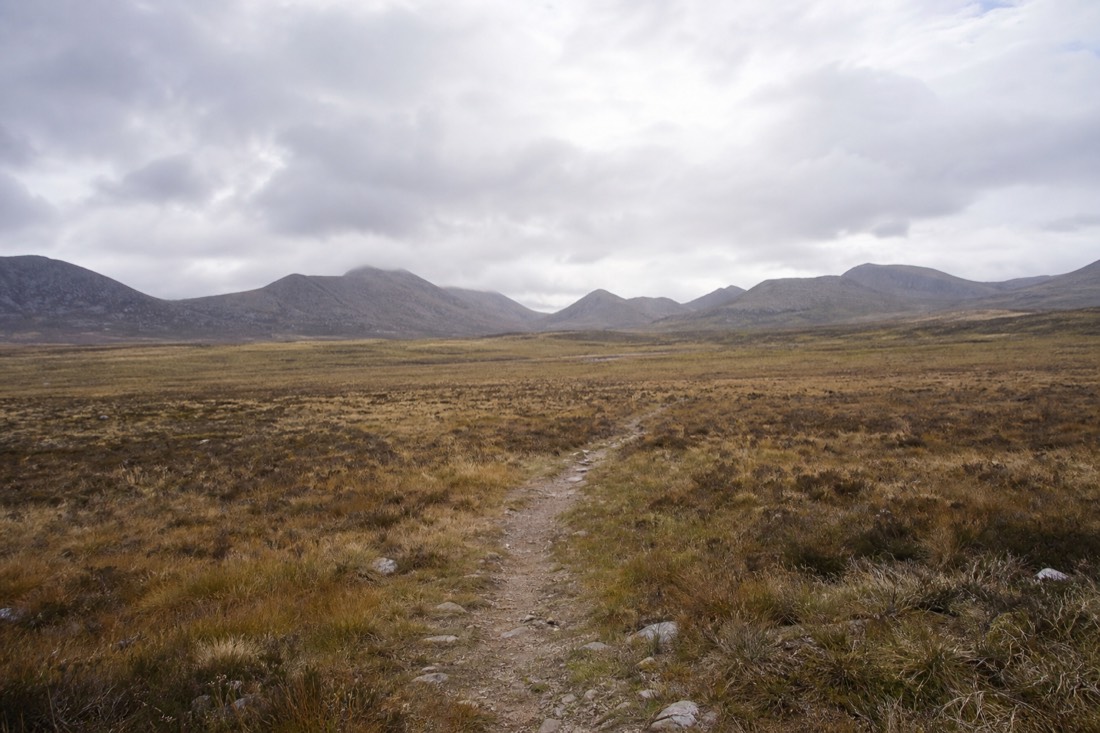
Norway is an extreme case of this because so much of its appeal is landscape that nobody charges for. A country whose signature experience is a view from a road, a walk on open ground or a light in the sky will always be undercounted by any method that requires a turnstile.
Any ranking of attractions is really a ranking of things that sell tickets. In a country where the right to roam opens the landscape to everyone at no cost, that method systematically undercounts the main draw.
| Counted | Uncounted |
|---|---|
| Museums and paid sites | Hiking trails and viewpoints |
| Railway and cruise tickets | Scenic roads and passes |
| Guided tours | Beaches and coastline |
| Cable cars | City parks and open sculpture parks |
| Ticketed viewpoints | The aurora, seen from anywhere dark |
It also explains why the same handful of places appear on every list. Ticketed access creates data, data creates rankings, and rankings send more visitors to the places that already had the infrastructure to count them.
Treat them as a starting point rather than a verdict.
Read the rankings as a guide to infrastructure rather than to beauty. The fjords top most lists because you can buy a boat ticket to them, not because the country agrees they beat everything else.
How Do The Paid Attractions Compare With The Free Ones?
The paid ones mostly buy access rather than the sight itself. A cruise gets you into a fjord arm no road reaches and a railway climbs terrain you could not walk in a day, but the viewpoint, the beach and the aurora cost nothing.
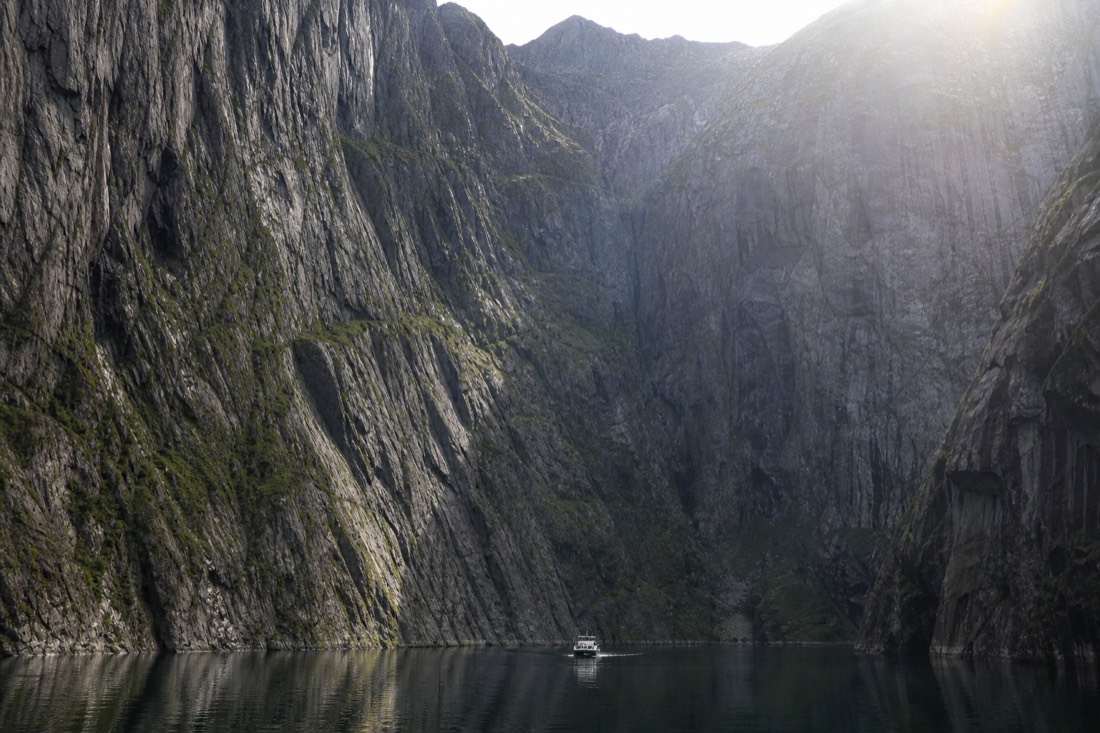
This is the useful frame for allocating a Norwegian budget. Ask what the ticket actually delivers: transport into somewhere otherwise unreachable, or a paid version of something available for free a short walk away.
| Paid | What the money buys | Free alternative |
|---|---|---|
| Fjord cruise | Access to narrow arms with no road | Shoreline viewpoints |
| Flåm Railway | An 866-metre climb in an hour | Hiking the valley, far slower |
| Cable cars | Height without the walk | Walking up the same hill |
| Aurora chase | Mobility to find clear sky | Standing outside and hoping |
| Museums | Interpretation and shelter | The landscape itself |
Both buy access to something the landscape will not give you for free: a fjord arm with no road, and the mobility to get out from under a cloud bank.
The first and fourth rows are the ones genuinely worth paying for, because neither has a real free substitute. The middle rows are conveniences, valuable but optional depending on your legs and your schedule.
How Does Norway Compare With Its Nordic Neighbours?
Norway wins on landscape drama, Iceland on geothermal spectacle and accessibility from North America, Sweden and Finland on forest, lakes and cost. For fjords specifically Norway has no real competitor in the region.
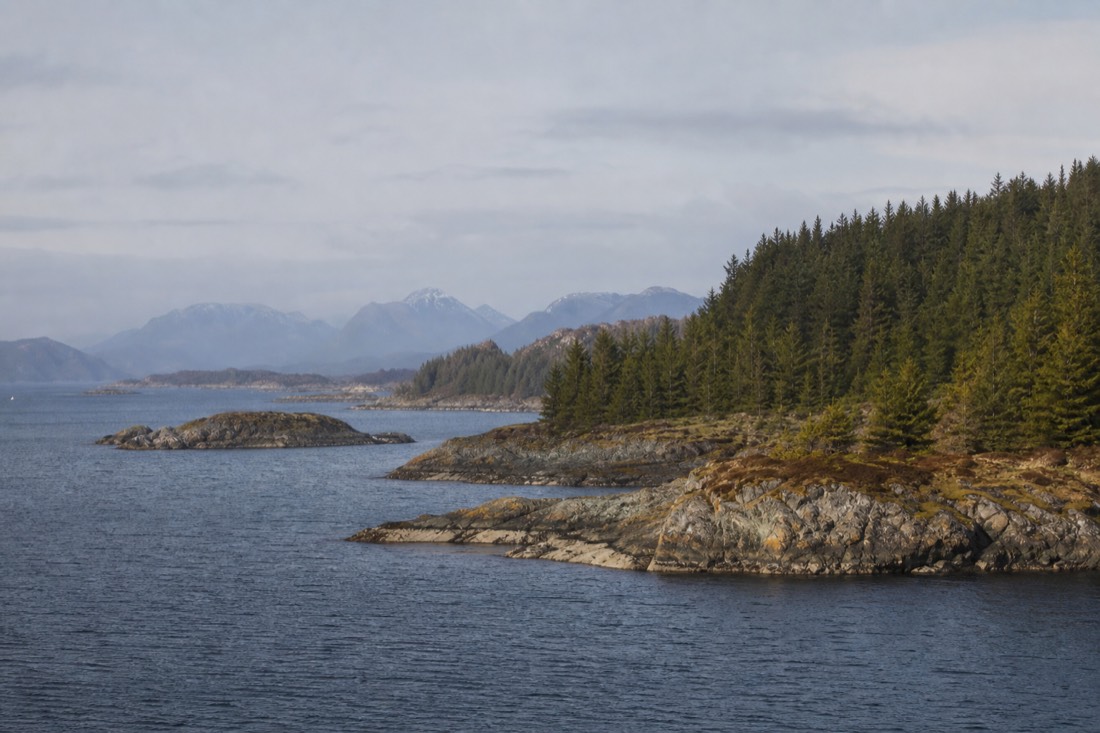
Distance and cost push most people toward choosing one rather than combining several, so it is worth being clear about what each actually offers before committing a trip to it. The landscapes are genuinely different rather than regional variations on a theme, and the aurora is the only headline experience that several of them share equally.
Travellers choosing a Nordic trip often treat the countries as variations on one theme, and the differences are sharper than that. Each has a signature landscape that the others cannot really offer.
| Country | Signature draw | Where it beats Norway |
|---|---|---|
| Norway | Fjords, Arctic coast, scenic rail | Nothing in the region matches the fjords |
| Iceland | Volcanic and geothermal landscapes | Shorter flights from North America |
| Sweden | Forest, lakes, archipelago, design | Cost, and city variety |
| Finland | Lakes, Lapland, sauna culture | Cost, and winter activity value |
| Denmark | Cities, food, cycling | Ease and compactness |
Norway's particular advantage for aurora is infrastructure rather than sky. Tromsø has direct flights, a large fleet of chase operators willing to drive for hours, hotels at every price point, and whales and huskies to fill the daylight. That combination is harder to assemble in the alternatives, even where the statistical cloud cover is more favourable.
Iceland is the usual alternative considered alongside Norway, and the honest comparison is that it offers a more concentrated set of sights in a much smaller area, reachable on a shorter flight from North America, with its own fjords, but without Norway’s scenic rail network.
The aurora is the one draw all the northern countries share, and it is genuinely comparable across Norway, Sweden and Finland. Choosing between them for aurora alone is a decision about weather patterns and logistics, not about the phenomenon itself.
If you want fjords, the choice is made. If you want an Arctic winter with northern lights, huskies and snow, three countries can deliver it and cost should probably decide.
Does The Answer Change In Winter?
Completely. The fjord cruises still sail, but the northern lights become the thing most visitors travel for, and the ranking reorganises around Tromsø and the Arctic rather than the western fjords.
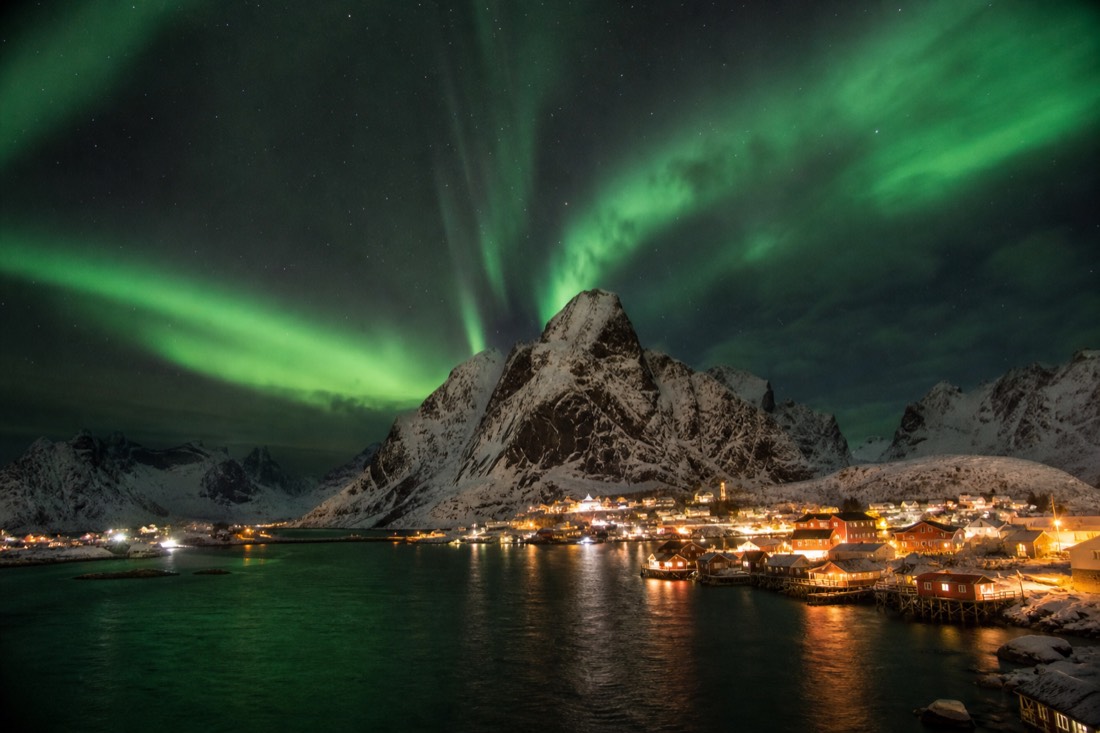
Any list of Norway's top attractions implicitly assumes summer. Half the country's signature experiences are seasonal, and the winter set is almost entirely different from the summer one.
| Summer headline | Winter headline | |
|---|---|---|
| The main draw | Fjords, midnight sun, hiking | Northern lights |
| Where visitors go | Bergen and the western fjords | Tromsø and the Arctic |
| Signature activity | Fjord cruise and scenic rail | Aurora chase, huskies, whales |
| Still running | Everything | Cruises, railways, cities |
| Not available | Aurora | Midnight sun, high mountain roads |
It is also why winter visitor numbers have risen so sharply while summer ones have plateaued in places. The fjord product was always there; the aurora product was built recently, and it added a second season to a country that used to have one.
The fourth row is the useful one. The fjord infrastructure does not shut down for winter, so a cold-season trip can still include the country's summer headline; the reverse is not true, because there is no aurora under a midnight sun.
There is a caveat worth stating plainly: winter days in the north are very short, and in the deepest part of the season the sun does not rise at all above the Arctic Circle. Visitors who want to see landscape as well as sky are usually better served by February and March than by December.
That asymmetry is a decent argument for a winter visit if you can only make one trip. You can have the fjords in either season, and the lights in only one of them.
Is Any Of This Settled, Or Is It A Matter Of Taste?
Partly settled. The evidence supports the fjords, and Nærøyfjord specifically, on UNESCO status, accessibility and year-round availability. Taste decides the runner-up, since anyone who has stood under a strong aurora will argue for the northern lights, and they will not be wrong about the experience.
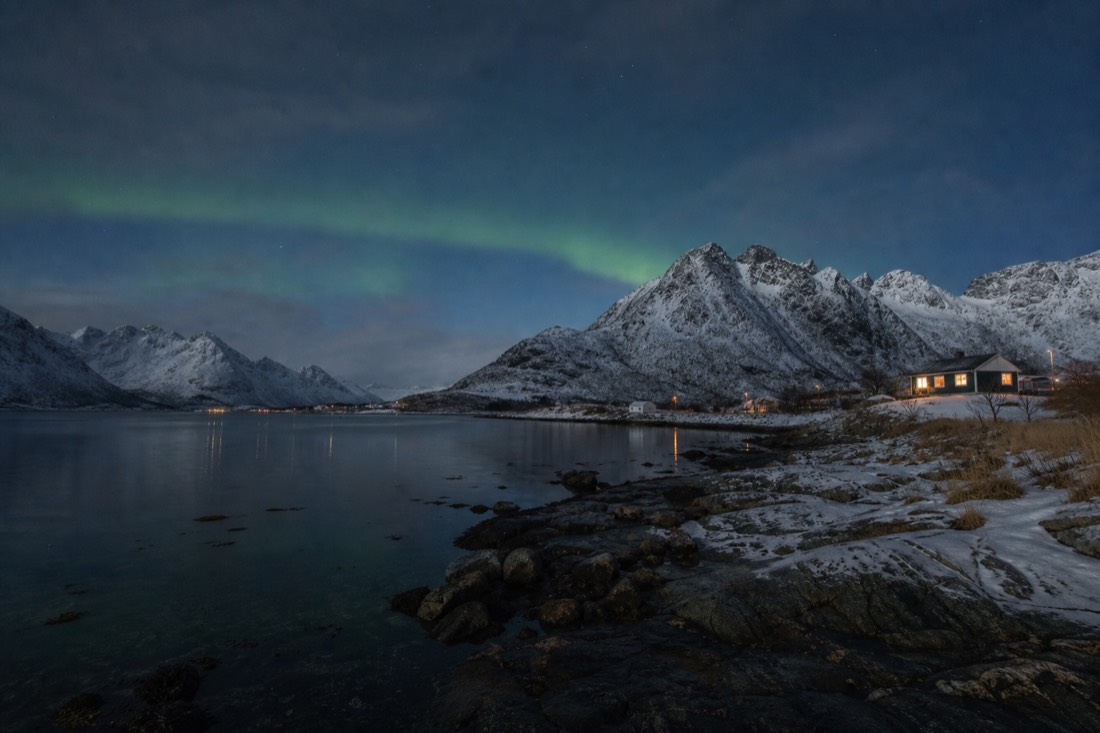
The difference between the two is risk. A fjord cruise can also face restricted visibility or route changes. An aurora night delivers spectacularly or not at all, and no operator on earth can promise otherwise. Solar activity varies and cannot establish your sighting probability.
So book the fjord as the certainty and the aurora as the gamble, in that order. That is how we would spend a first week in Norway, and it is why the answer to the title question is a stretch of water rather than a building.
Choose Your Norway Experience
Guided tour - Viking Village, Nærøyfjord Cruise and Flåm Railway. Join the Nærøyfjord cruise, Flåm Railway and Viking village in one guided day. Have a date in mind? Check it before arranging the rest of your Norway trip.
10 hours 30 minutes. Round trip from Strandkaien 16, Bergen. Choose the English option. Food and drinks cost extra. This is a day trip, with no hotel night.
Choose a date to see scheduled departures. Final availability and price are confirmed on Viator.
No verified experience fits those requirements. Adjust your choices, or keep the independent plan described above.
Compare Options And Fit Your Plans
General recommendation until you choose. Choose the city where the activity starts, not your arrival airport. Month filters describe the experience’s season, not confirmed departures. Allow travel to the meeting point as well as the listed duration. Confirm your exact option and access needs when booking.
- Geiranger Fjord Sightseeing Cruise : 75 min: 1 hour 15 minutes. See Geirangerfjord from the water on a 75-minute sightseeing cruise. Start and finish at Geiranger harbour. Arrive 15 minutes early. English audio guide; drinks cost extra. Allow separate travel time to Geiranger.
- Mostraumen Fjord Cruise : Operated & Guided by Locals: 3 hours 30 minutes. Cruise from Bergen into Osterfjord and the narrow Mostraumen passage. Meet at the pier between Strandkaien Terminal and Mathallen. English audio commentary. Winter ice can require an alternative route.
- Oslo Discovery Tour: 5 hours 30 minutes. Combine Vigeland Park, the Fram Museum and Norwegian cultural history with a guided coach route. 5.5 hours from Haakon VIIs gate 1. Folk Museum may be replaced by Kon-Tiki on Mondays and selected October–April dates. Walking, steps and uneven ground are involved; food and hotel pickup are excluded.