Can You Wear Jeans In Norway? What Locals Actually Wear
Can I wear jeans in Norway? Yes, in cities and restaurants. Here is where denim fails, why wool runs the country, and what winter tours hand you at the door.
 By Lars Hansen, Norway Tour Packages Specialist & Experience Guide
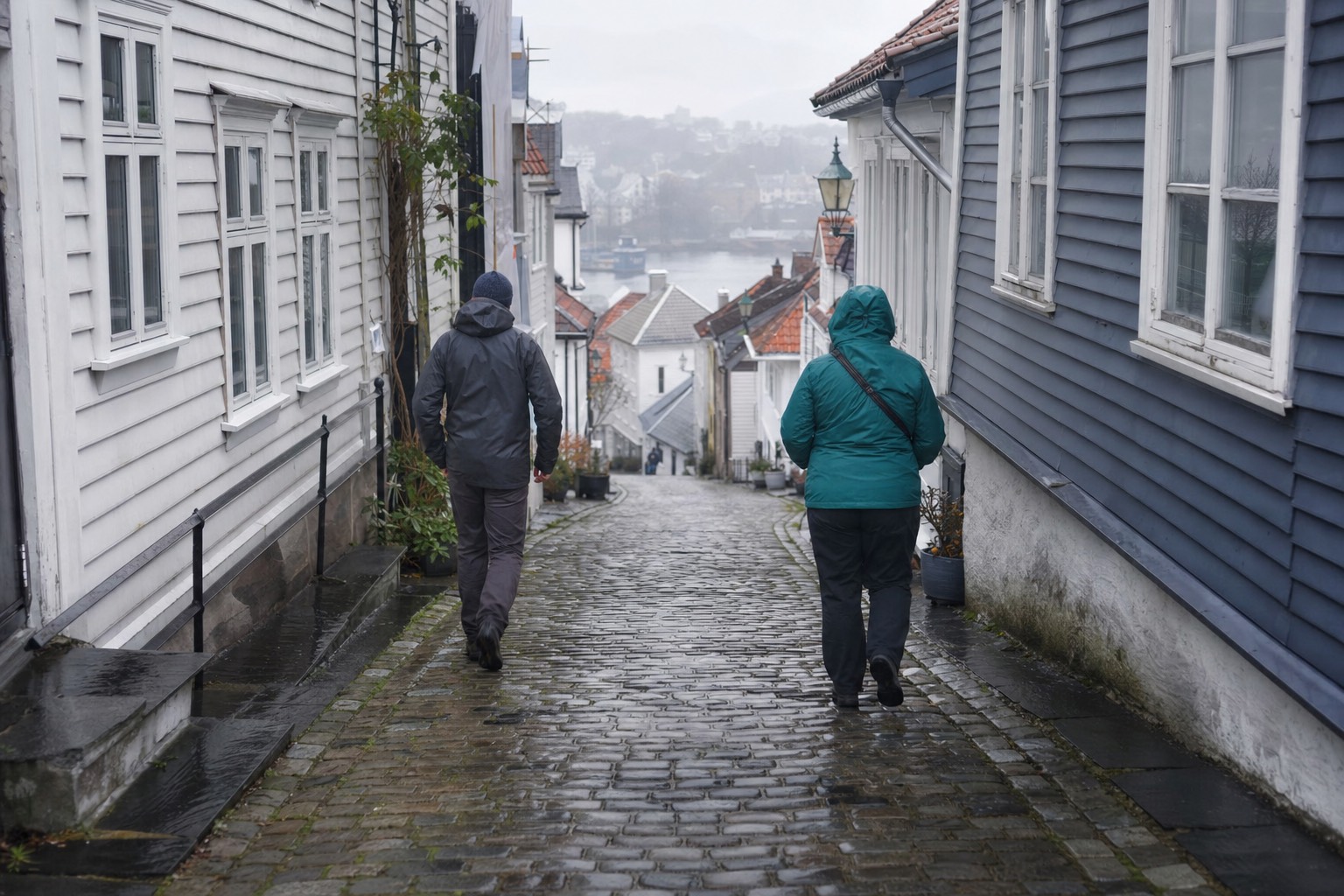
Walk through central Oslo on a Friday evening and the uniform is obvious: dark denim, a wool sweater or a technical shell, and boots that have clearly been outside. Norwegians are not formal dressers. What they are is prepared, which is a different thing entirely, and the gap between those two ideas is where most visitor wardrobe mistakes happen. The question is rarely whether an outfit is smart enough. It is whether it survives four hours in wind off the water.
Choose clothing for the weather and activity rather than a national dress code.
Booking choice: A short Bergen cruise needs layers for deck exposure; a Tromsø aurora night is a much longer cold-weather commitment. Explore Mostraumen Fjord Cruise : Operated & Guided by Locals
Can You Wear Jeans In Norway?
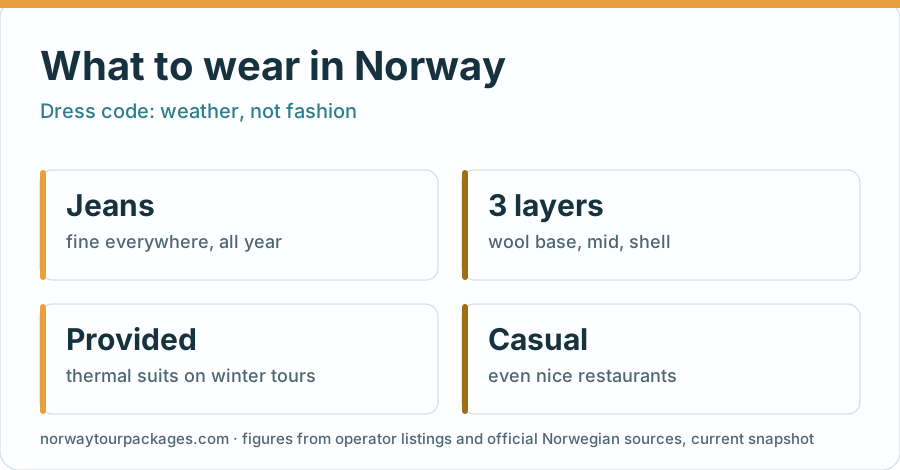
Yes. Jeans are everyday wear across Norway, in cities, in cafés and in the large majority of restaurants. There is no cultural objection to denim at all. The problem is functional rather than social: cotton denim soaks up rain, holds it against your legs, and loses all insulating value once wet.
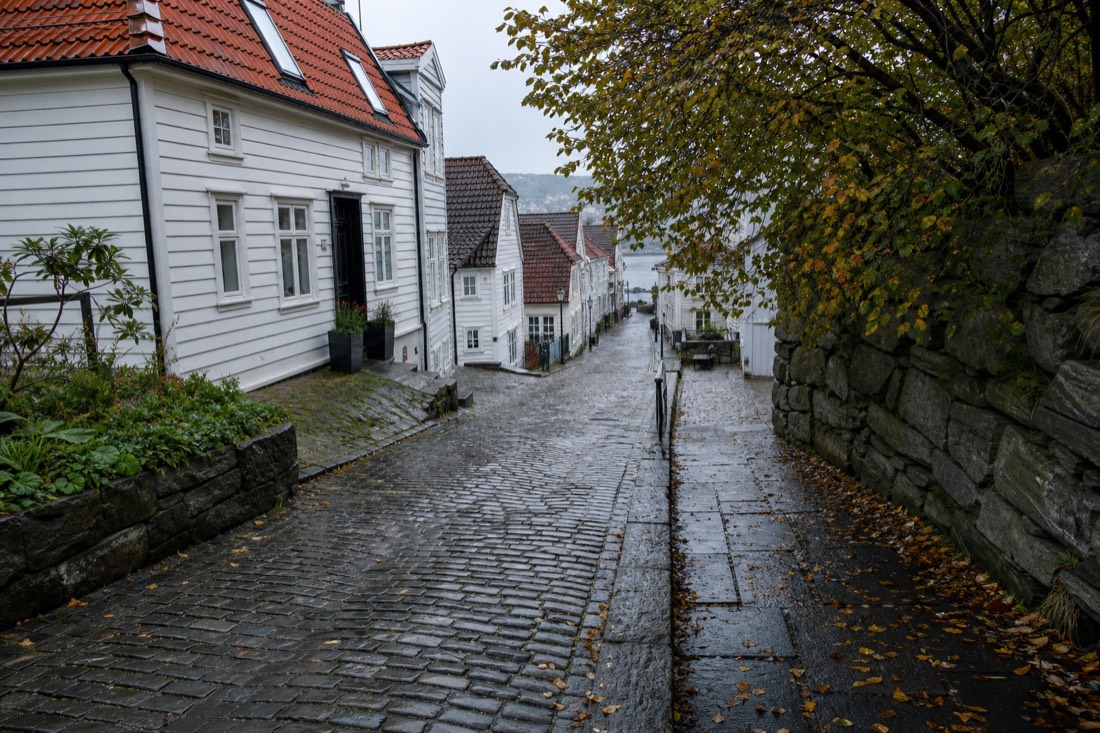
So the honest answer splits by activity. City days in summer, spring and autumn: wear the jeans you already own and add a shell for rain. Fjord boats, mountain walks, aurora nights and anything above the Arctic Circle in winter: leave them at the hotel, or wear thermal leggings underneath and accept that a downpour ends the comfort.
Bergen is the place this lesson lands hardest. The city averages roughly 200 to 240 rainy days a year and takes between about 2,250 and 2,413 mm of precipitation, which is not drizzle you can shrug off. Locals check yr.no before choosing trousers, and that is not an exaggeration.
Why Does Everyone Here Wear Wool?
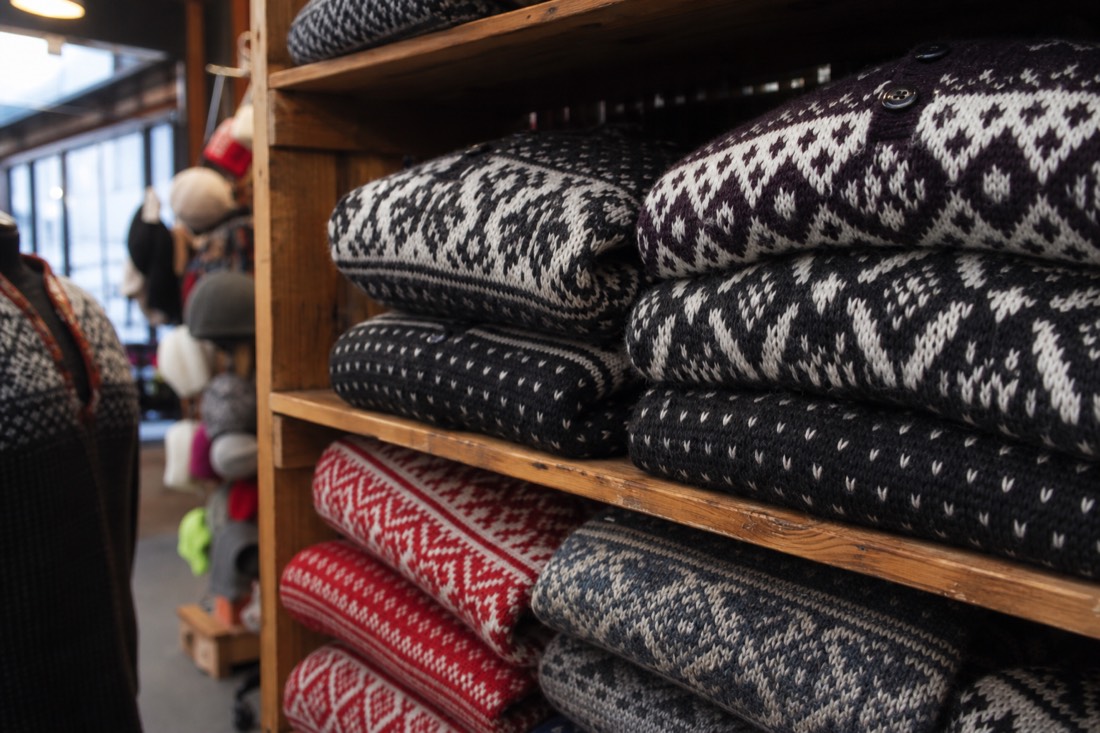
Wool keeps insulating when damp, which cotton does not. That single property explains the national habit. Norwegians wear merino base layers under everything from office clothes to ski gear, and the thicker patterned sweaters you see in shops are functional garments rather than souvenirs.
There is a phrase you will hear repeated: there is no bad weather, only bad clothing. It sounds like a slogan until you spend a wet week here and notice that nobody cancels anything. Children go outside in rain suits, cafés keep terrace seating open under blankets, and the whole rhythm of the country assumes you dressed correctly this morning.
Practically, one merino base layer top and one pair of merino leggings do more for a visitor than a heavy coat. They pack small, they resist odour over several days of wear, and they work under jeans in the city and under a shell on a boat. Visit Norway says much the same in its own packing advice, which is unusually consistent across seasons.
How Does The Norwegian Layering System Work?
Three layers, each with one job. A wool or synthetic base layer moves sweat off the skin. A wool or fleece mid layer traps warm air. A windproof and waterproof shell blocks weather. Add or remove the mid layer as conditions change, and never make cotton the layer against your skin.
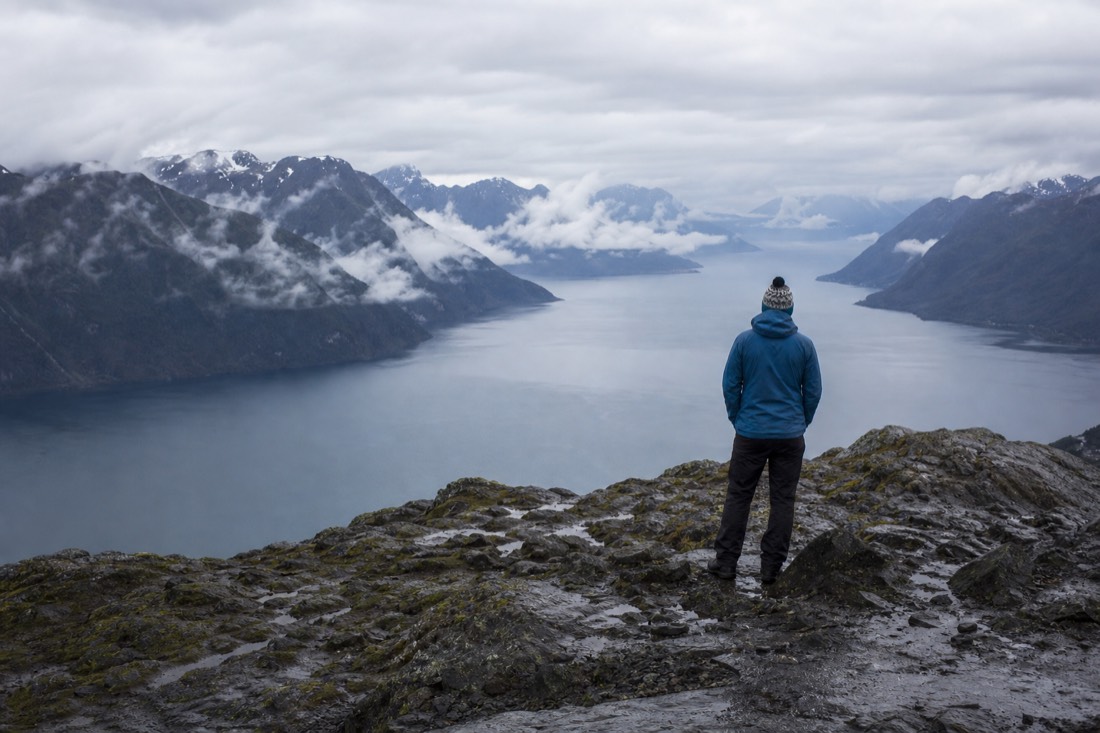
The system matters more than the price of any individual item. A cheap wool base under a decent rain shell beats an expensive down jacket in Norwegian coastal conditions, because the enemy on the coast is wet wind rather than dry cold. Inland and in the mountains that flips, and real insulation starts to earn its place.
Feet get neglected. Waterproof boots with actual tread are the single best purchase before a Norway trip, and strap-on ice grips cost very little and can improve traction on icy surfaces.
| Layer | Best material | Avoid | Why it matters |
|---|---|---|---|
| Base | Merino wool, synthetic | Cotton | Wicks sweat, keeps warming when damp |
| Mid | Wool sweater, fleece, light down | Heavy single-layer coats | Traps air, comes off indoors |
| Shell | Windproof and waterproof jacket | Water-resistant only | Coastal wind and rain arrive together |
| Legs | Wool leggings under trousers | Wet denim outdoors | Protect your legs from wind and spray |
| Feet | Waterproof boots, wool socks | Trainers in winter | Grip on ice, dry feet all day |
Is There A Dress Code For Restaurants And Bars?
Almost never. Norwegian restaurants, including expensive ones in Oslo and Bergen, are relaxed about dress. Smart-casual covers everything: dark jeans, a shirt or sweater, and clean shoes will get you into virtually any dining room. Only a handful of fine-dining rooms suggest anything closer to formal.
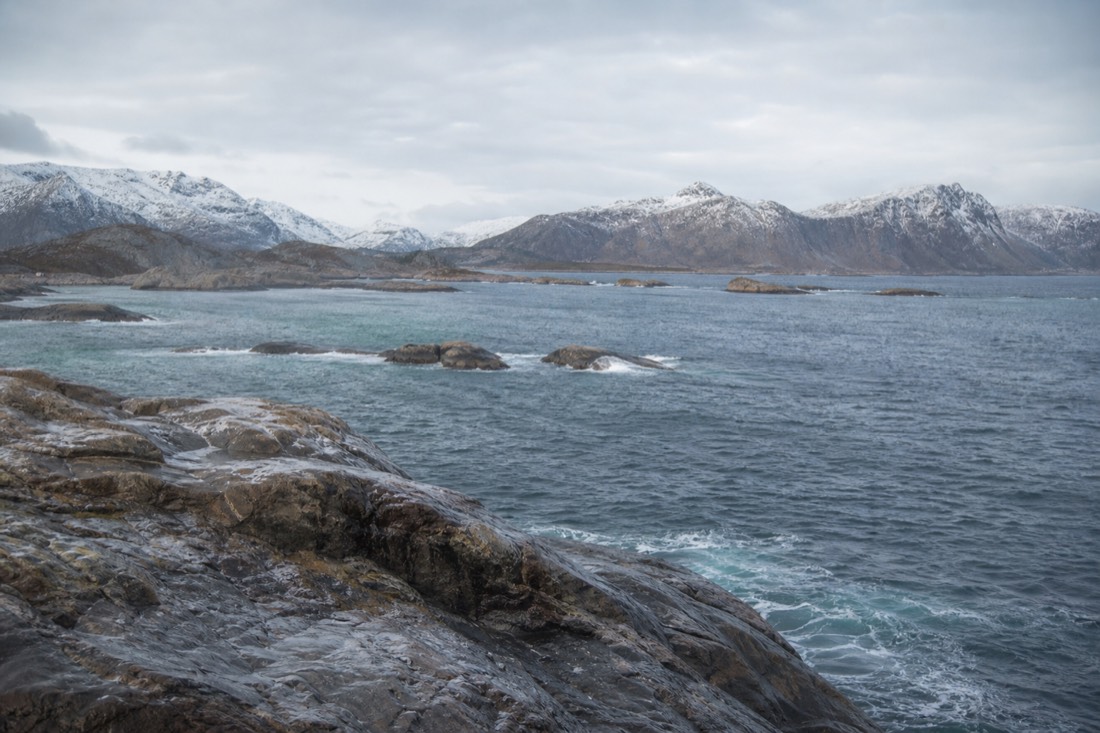
Egalitarian dressing runs deep here, and overdressing stands out more than underdressing does. What people do notice is the practical stuff: dripping outerwear goes on the hooks by the door, and boots come off in private homes without exception.
The payment side is just as informal. Cards and Apple Pay work almost everywhere, cash is close to unnecessary, and tipping is optional, with 5 to 15 percent reserved for genuinely excellent service. We cover the small daily mechanics of that in our note on tap water, cards and tipping.
Do Winter Tours Provide The Warm Gear?
It depends on the tour. The aurora safari here offers thermal-suit rental and excludes boots. Ski lessons supply ski equipment, while boats have their own requirements. Check the exact inclusions before leaving clothing at home.
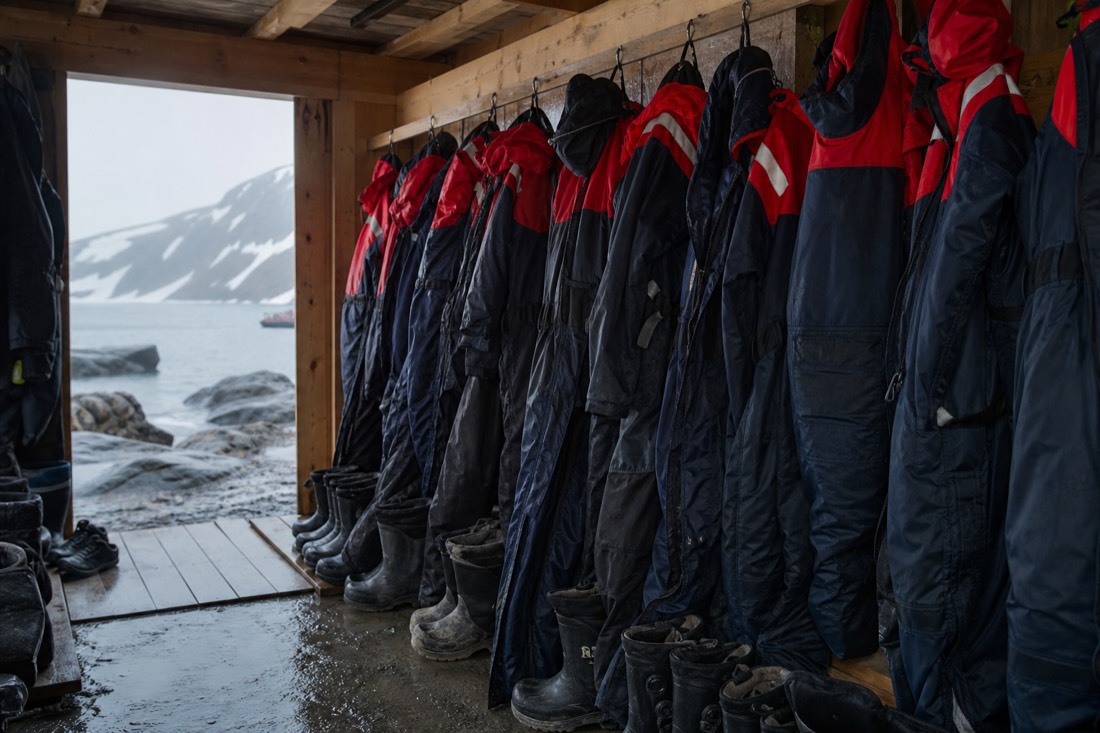
Compare the cost of any rentals with the clothing you already own; no fixed saving is established. Whale trips out of Tromsø run in the mid or late October to end of January window, when the same suits do the work.
Related planning: northern lights tour options.
| Tour type | Usually provided | You bring | Season |
|---|---|---|---|
| Aurora chase, Tromsø | Check exact listing; recommended safari rents suits and excludes boots | Wool base layers, hat, thin gloves | Late Sep to late Mar |
| Husky sledding | Product-specific equipment; confirm sizes | Wool socks, neck gaiter, goggles optional | Winter snow season |
| Whale watching | Flotation or thermal suit, lunch on some trips | Base layers, waterproof shell, hat | Mid or late Oct to end Jan |
| Fjord cruise, year-round | Blankets on some boats, indoor seating | Windproof jacket, warm layer | All year, windier than the shore |
What Footwear Actually Works Here?
Waterproof boots with a real grip pattern, in every season. Norwegian ground is wet rock, cobbles and, for half the year, ice. Footwear is where visitors most often get it wrong, and it is the item that most affects whether a day is enjoyable.
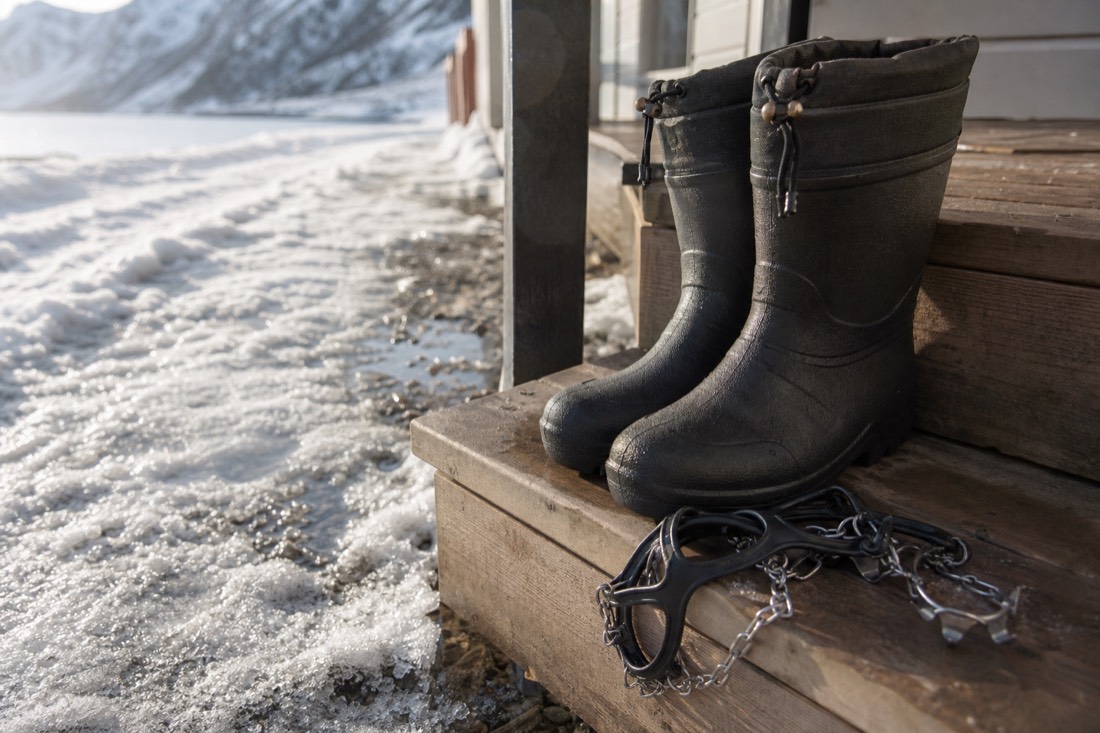
Wet feet on the first morning tend to set the tone for an entire trip, and no jacket compensates for it.
Visitors tend to pack a warm coat and casual trainers, which is exactly backwards. The jacket is rarely the failure point; wet feet and no traction are, and both are fixable before you leave home.
| Season | What works | What fails |
|---|---|---|
| Summer | Waterproof walking shoes or boots | Fashion trainers on wet rock |
| Autumn | Waterproof boots, wool socks | Anything absorbent |
| Winter | Insulated boots plus clip-on ice spikes | Smooth soles on town pavements |
| Boat days | Grippy soles, waterproof | Open shoes; decks are wet |
| City only, dry spell | Ordinary shoes are fine | Still bring one waterproof pair |
The other footwear point is fit rather than specification. Winter boots need room for a thicker wool sock, and a boot that fits perfectly with a summer sock will be tight and therefore cold once you layer up. Try boots with the socks you will wear and choose a secure fit with room for your toes.
Clip-on spikes deserve special mention for winter. They are cheap, weigh almost nothing, fit over normal boots, and can improve traction on suitable surfaces, but do not prevent every fall.
How Do Norwegians Dress Differently From Visitors?
More technically and less formally. Wool sits next to the skin, outerwear is chosen for wind and rain rather than appearance, and nobody dresses up for dinner. Visitors tend to over-formalise the evening and under-equip the day.
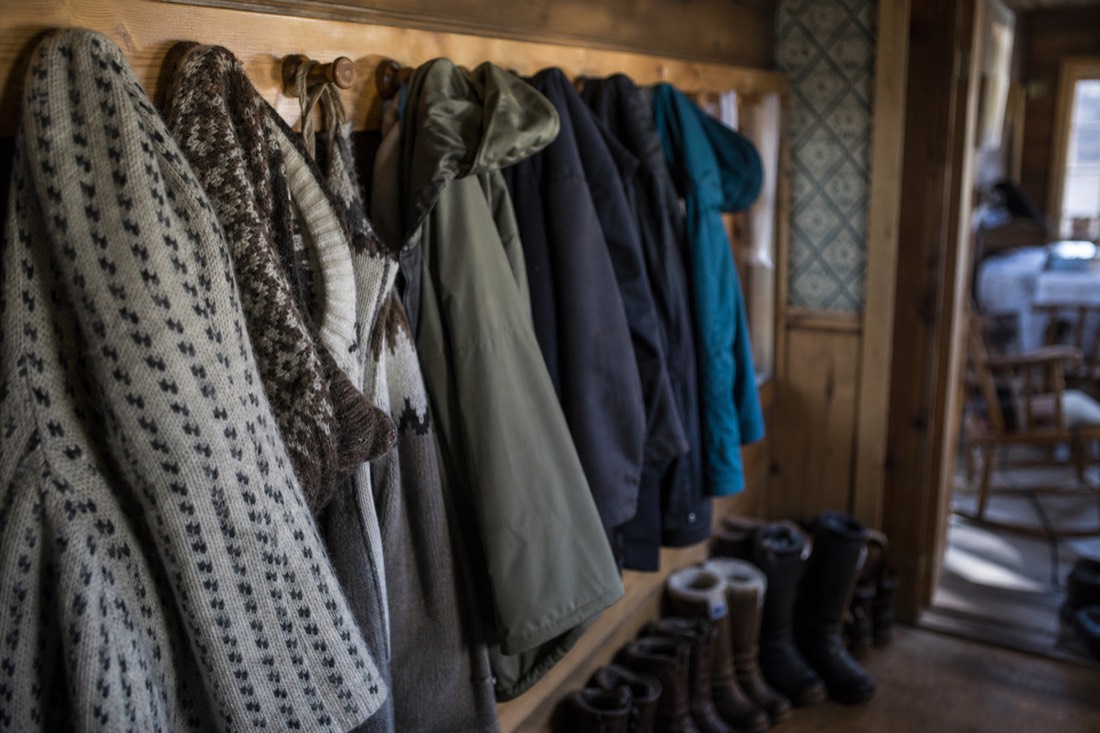
It is not a judgement, simply a practical adaptation to a climate that residents plan around and visitors tend to underestimate.
There is a recognisable visual difference on any Norwegian street between residents and tourists, and it is not about brands. It is about material choice and the assumption that you will be outdoors at some point regardless of the plan.
| Visitors typically | Norwegians typically | |
|---|---|---|
| Base layer | Cotton | Wool, year-round |
| Outerwear | Fashion-led | Windproof and waterproof |
| Footwear | Trainers | Boots with grip |
| Evening | Smarter clothes | The same clothes, maybe a nicer top |
| Rain response | Postpone the plan | Continue, dressed for it |
| Children | Dressed to stay clean | Dressed to be outside |
There is a well-worn Norwegian saying that there is no bad weather, only bad clothing, and it functions less as encouragement than as a statement of policy. Schools take children outside in conditions that would trigger an indoor day elsewhere, and the entire clothing culture follows from that expectation rather than from fashion.
The bottom row is the clearest cultural marker. Norwegian children are dressed to spend hours outside in weather that would keep most visiting families indoors, and copying that approach transforms a family trip here.
What Do You Wear For A Fjord Cruise Versus An Aurora Chase?
For a boat, wind protection above all: open decks are far colder than the shore, whatever the thermometer said in town. For an aurora chase, insulation for standing still in deep cold, with clothing inclusions to confirm before arrival.
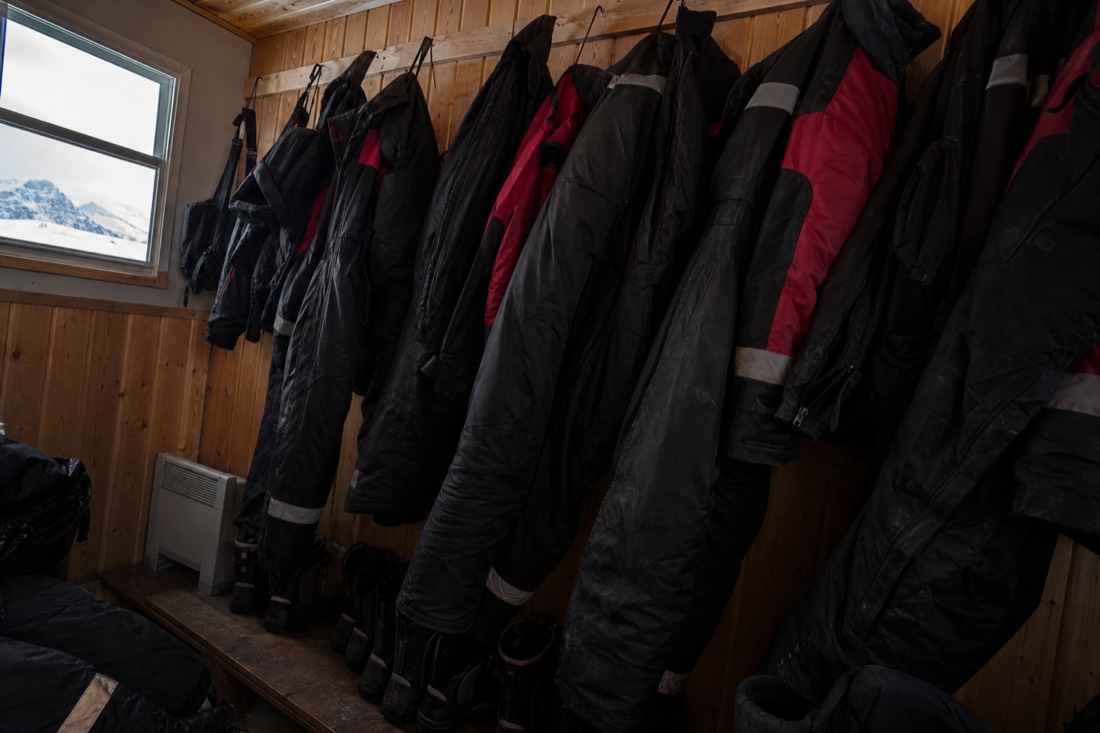
Both are also activities where you will be standing still for long stretches rather than generating heat by moving, which is what makes the layering decision different from dressing for a hike.
These are the two activities where visitors most often misjudge conditions, and they fail in opposite directions. Boats are colder than expected in every season; aurora chases need enough warmth for long periods standing still.
| Fjord cruise | Aurora chase | |
|---|---|---|
| Main risk | Wind chill on an open deck | Standing still for hours in deep cold |
| Essential layer | Windproof shell, hat | Your insulation; confirm any rental |
| Operator provides | Nothing; indoor seating exists | Product-specific; recommended safari excludes boots |
| Footwear | Grippy, waterproof | Warm footwear; confirm what is supplied |
| Hands | Gloves, even in summer | Liner gloves under mittens for the camera |
| Common mistake | Dressing for the town temperature | Buying gear you did not need |
Most operators state clearly what is issued, and the difference between a supplied thermal suit and buying your own is several hundred kroner you did not need to spend.
Check the listing before buying anything for an aurora night. Do not assume a thermal suit or boots are supplied; confirm the exact listing and your sizes.
How Do You Dress Children For Norwegian Conditions?
The same way adults dress, one layer more generous, and with full waterproofs as standard rather than as an emergency measure. Norwegian children are outside in weather that keeps visiting families indoors purely because they are dressed for it.
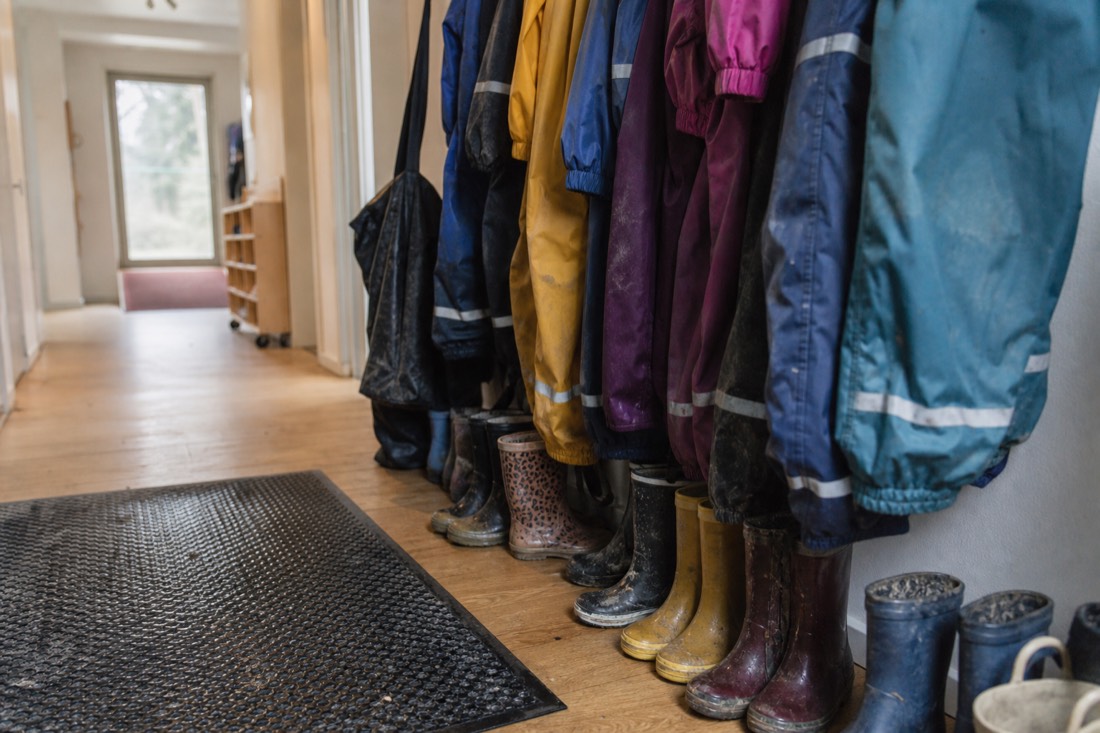
Kindergartens here take children outdoors daily through the winter as a matter of course, and the clothing standard follows from that rather than from any expectation of hardiness.
This is where the cultural difference is most visible and most useful to copy. The result is that properly dressed children are comfortable outdoors in conditions their parents assumed would end the day early.
Norwegian childcare assumes outdoor time daily in nearly all weather, and the clothing follows from that assumption rather than the other way round.
| Layer | For children specifically |
|---|---|
| Base | Wool, including long sleeves and legs in winter |
| Mid | Fleece or wool; easy to remove indoors |
| Outer | Full waterproof set, jacket and trousers |
| Feet | Rubber boots for wet, insulated boots for snow |
| Hands and head | Mittens rather than gloves; hat covering ears |
| Spares | A complete change of clothes in the day bag |
A spare pair matters as much as the first, because wet mittens are no warmer than no mittens at all.
Mittens rather than gloves is the detail parents miss. Small fingers stay far warmer together, and separated fingers in a glove lose heat quickly enough to end an outing.
Wet-weather gear that packs small matters here as well, since you will be carrying it far more often than wearing it in summer.
The spare-clothes row is the one that saves days. Children get wet, and a full change in the bag turns what would be an early return to the hotel into a two-minute pause.
What Can You Buy Locally If You Arrive Underdressed?
Almost anything, at Norwegian prices. Outdoor shops are everywhere and the quality is high, so an underpacked traveller can be properly equipped within an hour of arriving. It simply costs considerably more than buying the same items at home.
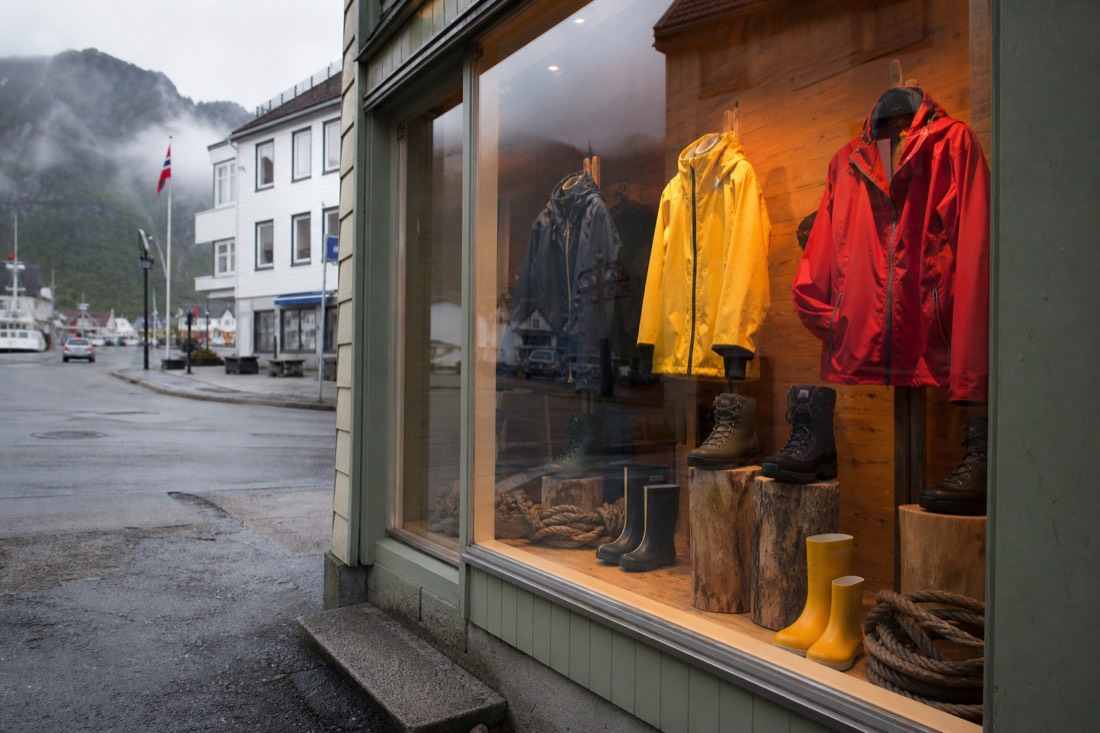
This is worth knowing as insurance rather than as a plan. Nobody has to abandon a trip because they packed wrongly, but the correction is expensive enough that it is not a strategy.
| Item | Availability | Note |
|---|---|---|
| Waterproof shell | Excellent range everywhere | Expensive; buy at home if you can |
| Wool base layers | Ubiquitous; a national speciality | Genuinely good quality |
| Boots | Widely available | Breaking them in mid-trip is the problem |
| Ice grips | Cheap and everywhere in winter | Worth buying on arrival regardless |
| Gloves and hats | Everywhere | Easy fix |
| Thermal suits for tours | Confirm exact inclusions and rental charges | Check the listing first |
Supermarkets and petrol stations stock them alongside the seasonal goods from October onward, which is usually easier than finding an outdoor shop.
Ice grips are the exception where buying locally makes sense. They are inexpensive, they are stocked everywhere from October, and buying them on arrival means getting the type that suits the conditions you actually found.
The item never to leave to chance is footwear. Boots bought on day one and worn hard on day two produce blisters, which is a worse outcome than the cold weather they were bought to solve.
What Should You Pack By Season?
Summer: jeans, a fleece, a rain shell and one warm layer, because northern evenings stay cool even under the midnight sun from late May to late July. Winter: wool base layers, insulated boots, hat, gloves and a proper shell. Spring and autumn: pack for both, and expect rain in Bergen regardless.
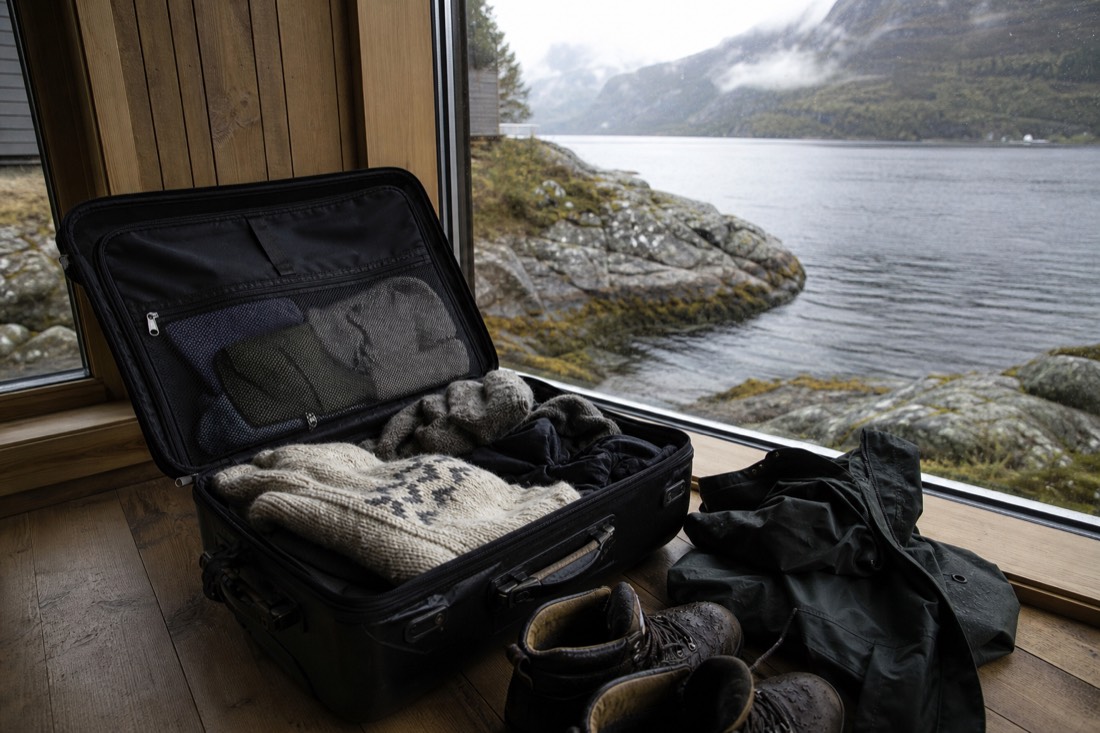
The season that catches people out is summer, not winter. Visitors pack for a July holiday, then find themselves on a fjord boat at ten in the evening with wind coming down off a glacier. One warm mid layer solves it, and it takes almost no space.
Winter visitors tend to overpack the outer shell and underpack the base. Two merino tops beat one enormous parka. Our Norway packing list itemises the whole thing, and the seasonal context sits in Norway in winter.
| Season | On your legs | On top | Extras that matter |
|---|---|---|---|
| Jun to Aug | Jeans, hiking trousers | T-shirt, fleece, rain shell | One warm layer for evening boats |
| Sep to Oct | Jeans plus thin wool leggings | Wool base, sweater, shell | Waterproof boots, umbrella is useless in wind |
| Nov to Mar | Wool leggings under lined trousers | Wool base, mid layer, insulated shell | Hat, gloves, ice grips for city pavements |
| Apr to May | Jeans, quick-drying trousers | Wool base, fleece, shell | Snow still lies inland and on mountain roads |
The rule that covers everything: dress for the water and the wind, not for the temperature on your phone. Do that and your jeans are welcome anywhere in the country.
Choose Your Norway Experience
Mostraumen Fjord Cruise : Operated & Guided by Locals. Cruise from Bergen into Osterfjord and the narrow Mostraumen passage. Have a date in mind? Check it before arranging the rest of your Norway trip.
3 hours 30 minutes. Meet at the pier between Strandkaien Terminal and Mathallen. English audio commentary. Winter ice can require an alternative route.
Choose a date to see scheduled departures. Final availability and price are confirmed on Viator.
No verified experience fits those requirements. Adjust your choices, or keep the independent plan described above.
Compare Options And Fit Your Plans
General recommendation until you choose. Choose the city where the activity starts, not your arrival airport. Month filters describe the experience’s season, not confirmed departures. Allow travel to the meeting point as well as the listed duration. Confirm your exact option and access needs when booking.
- Tromsø Northern Lights Chase We Go Where The Lights Appear: 9 hours. Follow a guide and photographer away from Tromsø in search of clearer northern-lights skies. Allow 6–9 hours and select English Guide. Meet at the stated Tromsø departure point. Thermal suits are a rental option; boots and full meals are not included. Sightings are not guaranteed.
- Cross-Country Ski Lesson for Beginners in Tromso: 3 hours. Learn cross-country skiing with an instructor, ski equipment and transport from central Tromsø. Ages 12+. Meet at Tromsø Outdoor, Fredrik Langes gate 14. Send your EU shoe size when booking. Winter clothing and hotel pickup are not included; inadequate snow may mean an alternative or refund.
- Tromsø Cross-Country Ski Adventure: 2 hours 30 minutes. Try cross-country skiing with a guide, skis, boots and poles at Charlottenlund. Ages 8+. Meet at Charlottenlund activity-park parking area. Hotel pickup is not included. Bring winter clothing and confirm snow conditions for your date.
- Oslo fjord 3-Course Dinner Cruise with Live Music: 2 hours 30 minutes. Combine an Oslofjord evening with a three-course dinner and live music. Meet at Rådhusbrygge 2, before PIREN, 15 minutes early. Tell the operator about dietary restrictions at least 24 hours ahead; a special diet is not automatically confirmed.