Norway Or Sweden: Which Trip Wins?
Two Scandinavian neighbours, two very different holidays, and a clear split in who should book which.
 Written with Lars Hansen, Norway Tour Packages Specialist & Experience Guide
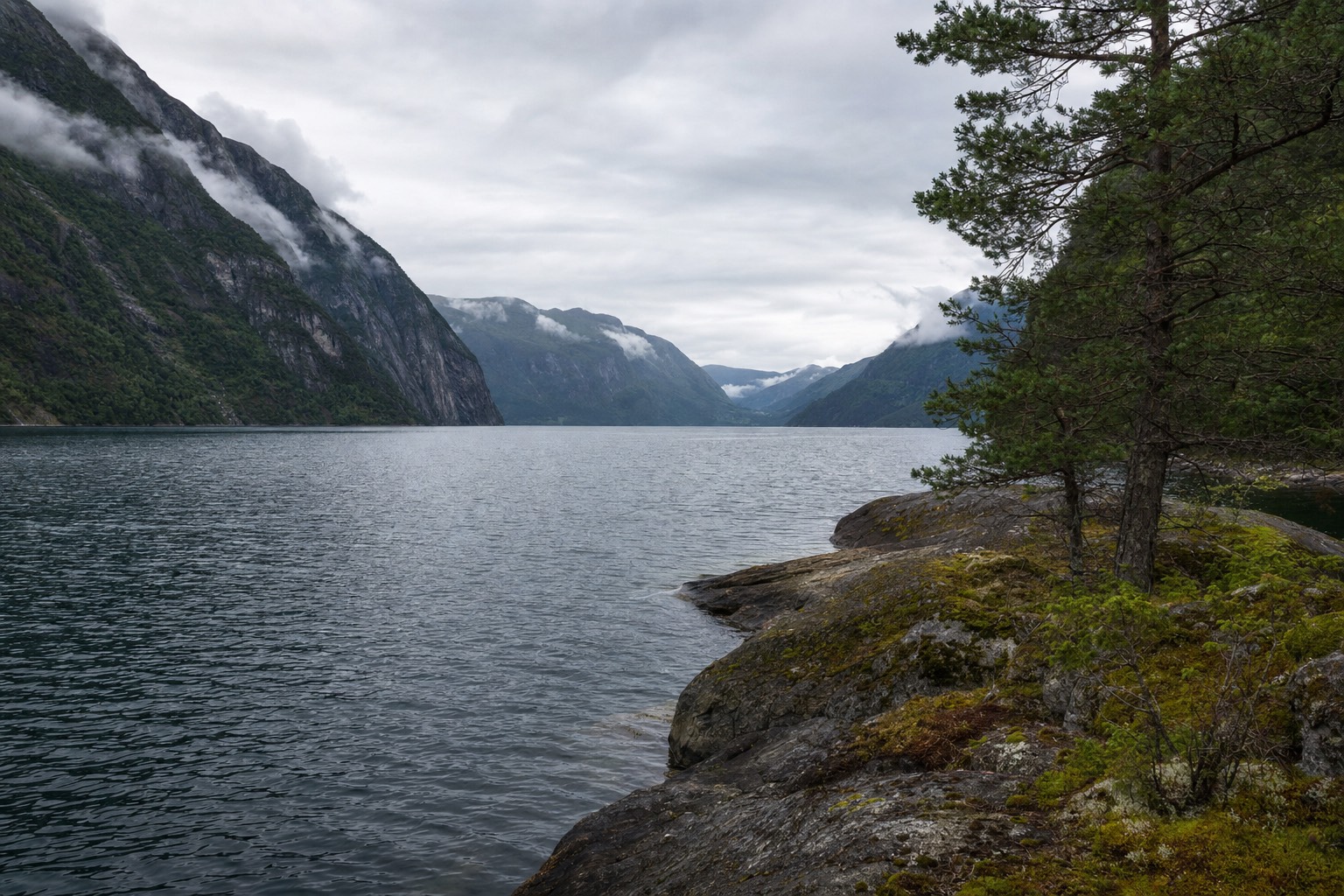
Short answer
Norway wins on landscape: fjords, mountain roads and Arctic coast have no Swedish equivalent. Sweden wins on cities, forests, food and cost. Choose Norway for scenery-led travel, Sweden for a slower urban and nature mix, and combine both by rail if you have two weeks.
The border between them runs for more than 1,600 kilometres, and crossing it changes the view completely. On the Norwegian side, roads climb and tunnel through rock walls that fall straight into salt water. On the Swedish side, the land flattens into pine, lakes and long low horizons. Both are expensive, both are safe, both have excellent trains and drinkable tap water. The question is not which country is better. It is which one matches the trip you actually want.
Choose the country for the experience you want, then compare like-for-like routes and costs.
Booking choice: For Norway’s western scenery, start with a Bergen railway-and-fjord day. Tromsø aurora trips require a separate Arctic stay. Explore Guided tour - Viking Village, Nærøyfjord Cruise and Flåm Railway
Which Country Has The Better Scenery?
Norway, and it is not close if fjords are what you came for. Geirangerfjord and Nærøyfjord hold UNESCO World Heritage status and Sweden has nothing comparable in scale or drama. Sweden answers with forest, lakes, an enormous archipelago and empty Lapland wilderness, which is quieter and less crowded.
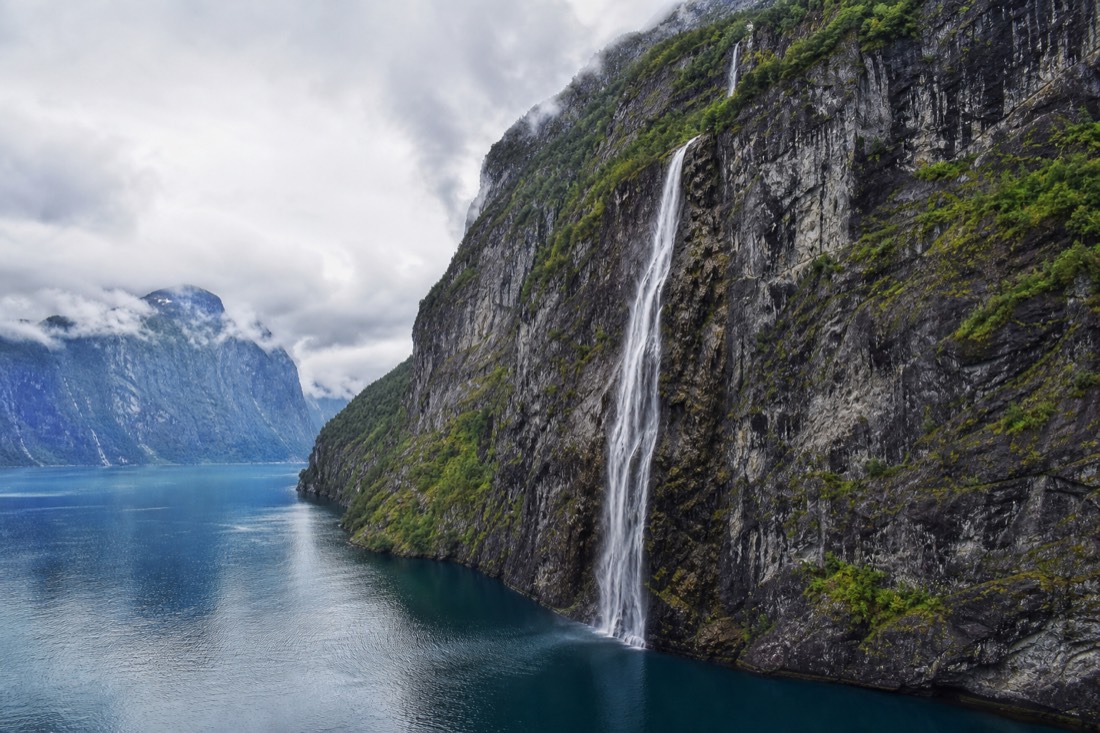
The difference is vertical. Norway's coast was carved by glaciers into walls that rise a thousand metres straight out of the water, which is why the drives, the cruises and the railways there feel theatrical. Sweden's landscape is horizontal: lakes, forest, farmland and a coastline broken into thousands of low granite islands. Neither is inferior. They ask for different holidays.
| Landscape type | Norway | Sweden |
|---|---|---|
| Fjords | The defining feature, two UNESCO-listed | Almost none, coast is low and island-strewn |
| Mountains | Steep, coastal, dramatic road access | Higher latitude ranges, remoter, gentler profile |
| Forest and lakes | Present but secondary | The core of the country, vast and accessible |
| Archipelago | Coastal islands, Lofoten as the standout | Stockholm and west coast archipelagos, huge |
| Arctic wilderness | Lofoten, Tromsø, Svalbard | Lapland, Abisko, Sarek National Park |
| Road-trip drama | Very high, seasonal passes | Moderate, easier and flatter driving |
If the fjords are the pull, our best places to visit in Norway rundown gets specific about which ones deserve the days.
Is Sweden Cheaper Than Norway?
Generally yes, though the gap is smaller than the reputation suggests. Norway's peak-season accommodation has been running near 200 euros a night in May to August, with double-digit percentage increases reported. Sweden's restaurant, alcohol and hotel costs sit below Norway's, but both are expensive by European standards.
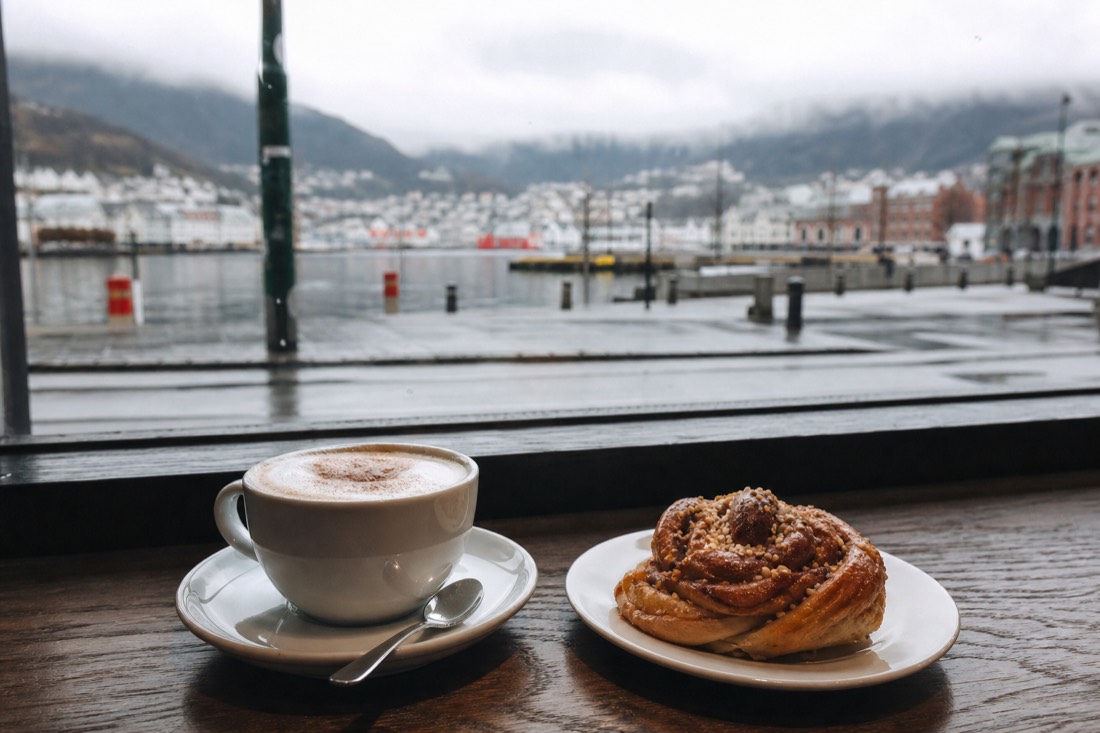
Two honest caveats. First, we have not found a single official Swedish average that matches the Norwegian accommodation figure, so treat the Sweden column below as directional rather than measured. Second, the categories that hurt are the same in both countries: alcohol, restaurant meals and taxis. Groceries, museums and public transport are far closer to normal European pricing.
| Spending category | Norway | Sweden |
|---|---|---|
| Peak-season hotel night | Around 200 euros in May to August | Typically below Norway, widest gap outside Stockholm |
| Restaurant dinner | High, service included, tipping optional | High, usually a little softer |
| Alcohol | Very high, state monopoly retail | High, state monopoly retail |
| Long-distance train | Moderate with advance fares | Moderate, often cheaper on the same distance |
| Currency | Norwegian krone, not the euro | Swedish krona, not the euro |
| Cash needed | Almost never, cards near-universal | Almost never, among the world's most cashless |
The single biggest cost lever in either country is season, not country choice. A Norwegian shoulder-month trip can undercut a Swedish high-summer one comfortably. Our Norway trip cost breakdown shows where the money actually goes across a week.
Which Is Easier To Get Around?
Sweden, marginally. Its geography is flatter and its rail network denser, so cross-country travel is quicker and simpler. Norway's transport is scenic rather than fast: the Oslo to Bergen line takes 6.5 to 7.5 hours across the mountains, and fjord travel means combining trains, boats and buses.
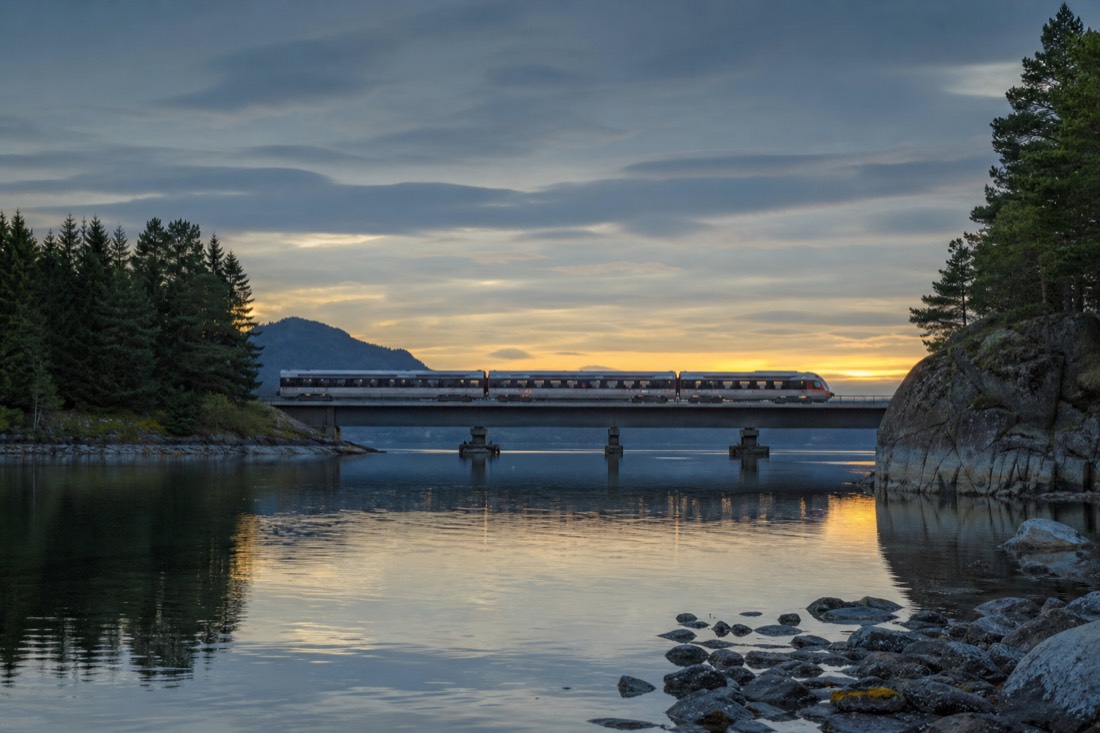
That slowness is part of what you are buying in Norway. The Bergensbanen operated by Vy crosses the Hardangervidda plateau and is treated as a sight in itself rather than a way to save time. Swedish trains are more about getting from Stockholm to Gothenburg or Malmö efficiently.
| Transport question | Norway | Sweden |
|---|---|---|
| Rail density | Sparse, spectacular, coastal gaps | Denser, faster, more direct city links |
| Domestic flights | Often the practical option for the far north | Useful for Lapland, less needed otherwise |
| Ferries | Central to the fjord network | Mainly archipelago and island hops |
| Driving | Tunnels, ferries, seasonal mountain passes | Long, flat, straightforward |
| Winter access | High passes close, coast stays open | Roads stay open, snow handled routinely |
| Cross-border rail | Oslo to Stockholm in around six hours on the direct daytime service | Same link, well used in both directions |
Can You Combine Norway And Sweden In One Trip?
Yes, and it works well with two weeks. The standard shape is Stockholm, then a direct daytime train to Oslo, then west into the fjords, finishing in Bergen. Both countries are in the Schengen area, but temporary border checks and identity checks can still apply.
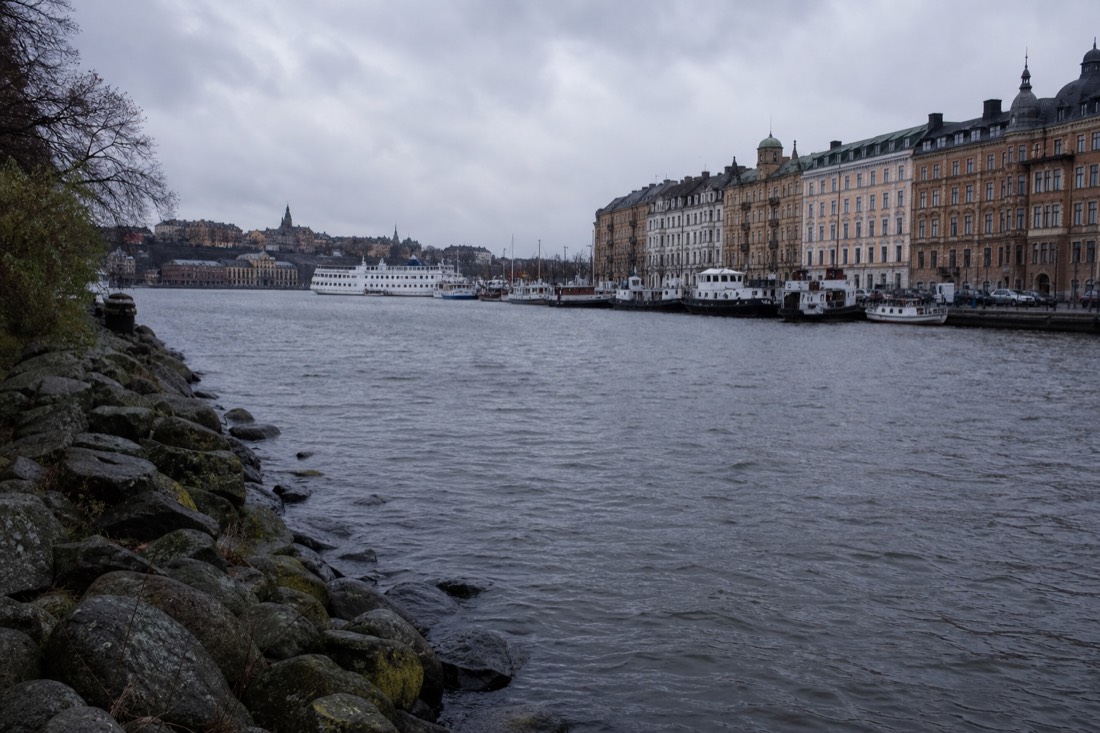
Transport between them is genuinely easy, which is what makes the combination tempting in the first place. Oslo and Stockholm are linked by direct trains and frequent short flights, and both cities are compact enough that a same-day transfer still leaves you an evening at the other end. The constraint is never the connection; it is how many nights you can give each country once you have paid for the move.
The mistake is trying it in seven days. Two capitals plus the fjords in a week leaves you with three cities and no landscape, which inverts the whole point. Ten days is the practical floor, fourteen is comfortable, and our 10-day Norway itinerary can be shortened on the Norwegian side to make room for Stockholm.
There is also an Arctic version: Stockholm to Kiruna and Abisko by overnight train, then across to Narvik and down through Lofoten. That route also works in other seasons; winter requires suitable cold-weather equipment and dated transport planning.
Which Country Wins For Northern Lights?
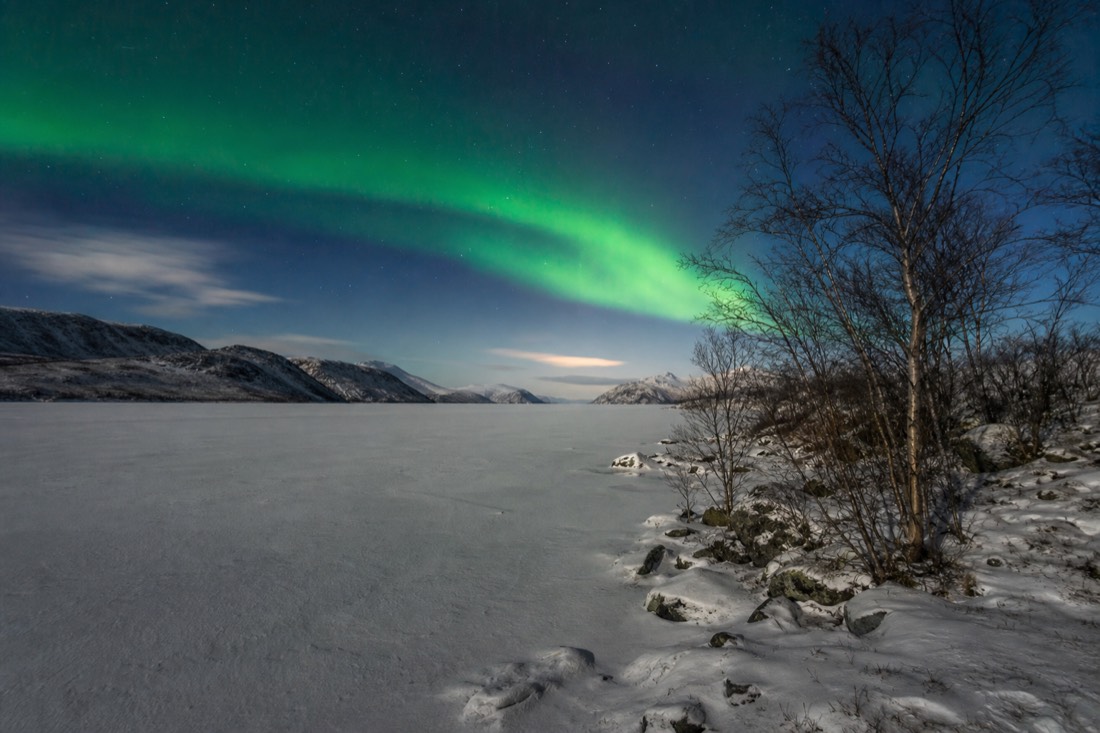
A near tie, decided by what else you want. Both sit under the auroral oval: Tromsø and Lofoten in Norway, Abisko and Kiruna in Sweden. Norway offers more coastline, whales and boat-based chases. Sweden's Abisko has an unusually dry microclimate that produces more clear nights.
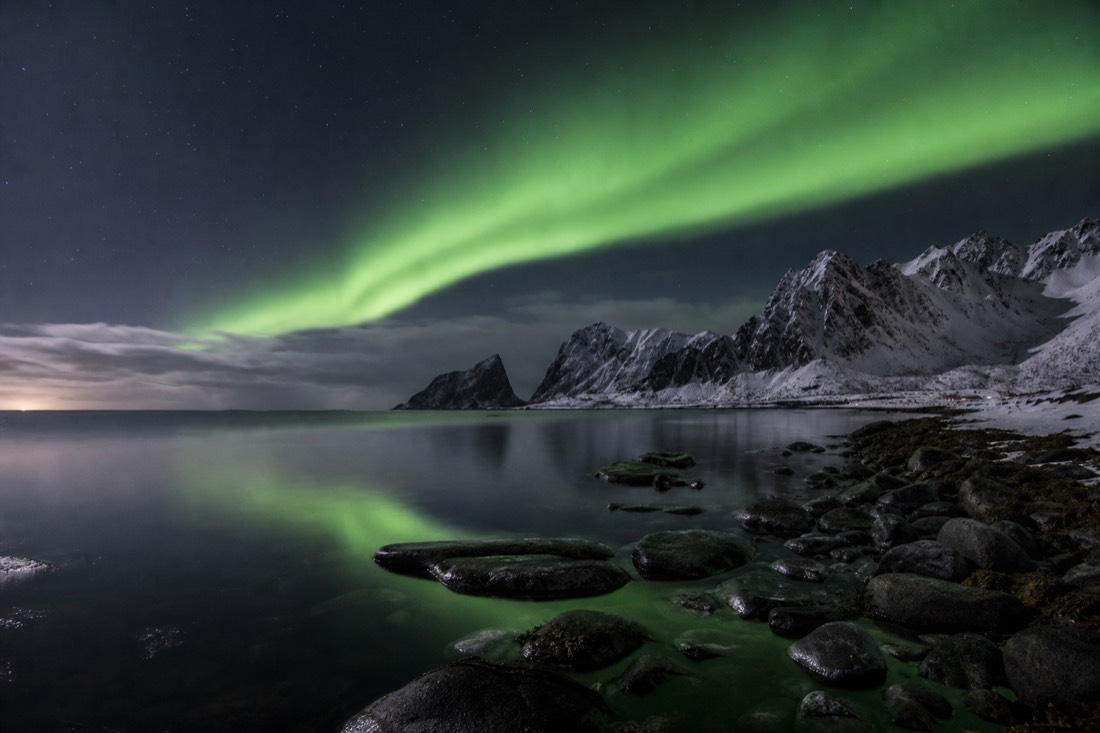
Aurora season in both countries runs from late September to late March or early April, with the statistically strongest displays around the equinox months of March, April, September and October. Nothing is guaranteed on any single night, which is the honest framing every operator should use and many do not. Solar activity varies; several nights give you more time to work around weather, without guaranteeing a sighting.
| Aurora base | Country | The case for it | The catch |
|---|---|---|---|
| Tromsø | Norway | Big tour market, boat and minibus chases, whales to late January | Coastal cloud, tours drive far to escape it |
| Lofoten | Norway | Aurora over mountains and sea, strong photography | Weather volatile, transport slower |
| Abisko | Sweden | Dry rain-shadow microclimate, more clear nights | Small, remote, fewer tour formats |
| Kiruna | Sweden | Easy air access, ice hotel, Sami culture | Flatter scenery than the Norwegian coast |
| Svalbard | Norway | Daytime aurora during polar night, extreme setting | Expensive, specialist, short season |
Tromsø's polar night runs from roughly 27 November to 15 January, which means aurora hunting can start early in the afternoon. We go through the timing in detail in our post on when you can see the northern lights in Norway in 2026, and the tour formats sit on the northern lights page.
Which Country Is Easier On A First Nordic Trip?
Sweden, marginally, on cost and logistics. Norway, decisively, on scenery. Sweden's cities are cheaper and its distances flatter; Norway's landscape is the reason most people come to the region at all.
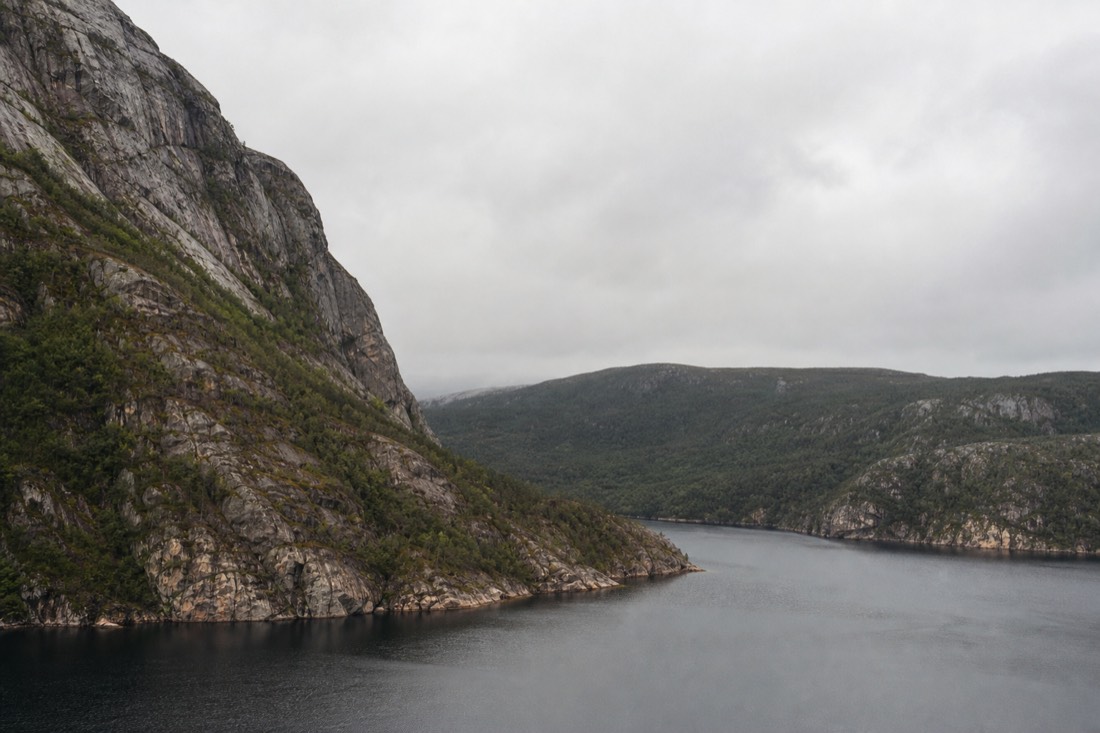
The two countries are often treated as interchangeable and are not. They share a language family, a design sensibility and a price bracket, then diverge completely on terrain, which is what actually shapes a trip.
| Factor | Norway | Sweden |
|---|---|---|
| Landscape drama | Fjords, Arctic peaks, coastline | Forest, lakes, archipelago |
| Cost | Higher, especially restaurants | Compare dated local quotes |
| Distances | Long and slow by design | Flatter and faster |
| Cities | Compact, harbour-facing | Larger, more urban variety |
| Northern lights | Excellent, well-organised | Good, especially Abisko |
| Rail scenery | Among the best in Europe | Comfortable, less dramatic |
If the trip is about cities, food and design, Sweden gives more for the money. If it is about landscape, Norway is not really substitutable.
How Many Days Does A Two-country Trip Actually Need?
Ten at the absolute minimum, and twelve to fourteen to do it without rushing. Below ten days the transfer between countries eats too large a share, and you end up with two half-trips rather than one good one.
Combining them is popular and often done badly, usually by adding a third and fourth destination until the itinerary becomes transport. The successful version treats each country as one experience rather than a tour.
| Days | Workable shape |
|---|---|
| 7 | One country only; combining wastes the week |
| 10 | Oslo, the Norwegian fjords, then Stockholm |
| 12-14 | Add the Stockholm archipelago or Swedish Lapland |
| 14+ | Both countries' Arctic regions, comfortably |
For aurora specifically, pick one side of the border and stay there. Chasing it across two countries adds transfers without improving the odds, and Norwegian chase tours already cross into Sweden and Finland when the weather demands it.
What Do You Actually Need To Book For An Aurora Trip In Either Country?
Three nights minimum, a mobile chase rather than a fixed camp, and cancellation terms whose deadline and conditions you understand. The country matters far less than those three booking decisions, which are the same on both sides of the border.
Travellers spend a great deal of energy choosing between Tromsø and Abisko and comparatively little on the mechanics of the booking, which is the wrong way round. The mechanics are what decide whether you see anything.
| Booking decision | Why it matters | What to do |
|---|---|---|
| Number of nights | One night is a coin toss | Three minimum, four if you can |
| Chase or fixed camp | Cloud is the main obstacle, not darkness | Mobile chase that drives to clear sky |
| Cancellation terms | Forecasts change inside 24 hours | Prefer free cancellation |
| Which night you book first | Late bookings leave no recovery | Book your first available night |
| Time of season | Equinox months are statistically strongest | Late Sep to Oct, or March |
Get those five right and the country becomes a secondary question, answered by whatever else you want in the week. Get them wrong and no amount of choosing the perfect base will rescue the trip.
How Do The Two Countries Compare On Food, And Where Does The Money Go Further?
Sweden gives more for less across everyday eating, with a stronger cafe culture and cheaper mid-range restaurants. Norway's strength is raw material: seafood, above all, which is worth paying for once rather than every night.

Food is where the price gap between the two countries is most visible day to day, and where a little planning changes the trip's economics substantially. Neither country is cheap; Sweden is simply less punishing at the ordinary end.
| Norway | Sweden | |
|---|---|---|
| Everyday cafe eating | Expensive | Noticeably cheaper; fika is institutional |
| Mid-range restaurant | High | Compare equivalent menus and prices |
| Seafood quality | Exceptional, especially in the west | Good |
| Supermarket self-catering | Well stocked, sensible prices | Similar, slightly cheaper |
| Alcohol | Vinmonopolet monopoly; expensive | Systembolaget monopoly; also expensive |
| Best-value order | Fish soup on the west coast | Dagens lunch, weekdays |
Language and practical mechanics are effectively a tie. English is close to universal in both countries, both are exceptionally safe, both run on cards and phones rather than cash, and both have reliable public transport. Nothing in the day-to-day logistics of a trip should push you toward one over the other.
Cost is the honest lever. If the budget is tight and you want a Nordic trip rather than specifically a Norwegian one, Sweden delivers a very similar cultural experience for meaningfully less, with an archipelago and a Lapland of its own. Norway earns its premium on the fjords, and largely on the fjords alone.
The last row is the practical one. Self-catering closes most of the remaining gap in either country, and supermarket quality in both is high.
Both countries have a strong weekday lunch tradition where restaurants serve a set dish at a fraction of dinner prices, and using it is the single easiest way to eat well without the evening bill.
For a combined trip, the sensible split is to eat out more in Sweden and self-cater more in Norway, spending the saved budget on one genuinely good Norwegian seafood meal on the coast. That allocation gets you the best of both without doubling the food line.
So Which One Should You Book?
Book Norway if the trip is built around landscape, fjords, coastal drama or a once-in-a-lifetime scenic railway. Book Sweden if you want cities, design, forest and lake country, easier logistics and a softer budget. For a first Scandinavian trip led by photographs, Norway is the answer.
Seat reservations are worth taking on the busier long-distance trains in summer, particularly on the Oslo and Stockholm corridors where standing is otherwise a real possibility.
Both countries also run extensive long-distance bus networks that undercut rail on price, if not on comfort or scenery, and they reach places the trains do not. For a budget-led trip across the two, they are worth pricing alongside the rail options rather than dismissing.
Rail passes covering both countries exist and can work out well on a longer multi-city route, though point-to-point advance fares are often cheaper if your dates are fixed and you book early.
Currency is the one practical difference to prepare for: Norway uses the krone and Sweden the Swedish krona, and they are not interchangeable despite the similar names. Cards cover almost everything in both countries, so this rarely causes real trouble, but it does mean any cash left over from one is useless in the other.
Both are in Schengen, but temporary internal border controls and carrier identity checks can apply; carry the required travel documents. For travellers used to international borders eating half a day, this is a genuine and often unexpected convenience when planning a two-country route.
Combining the two also changes the flight arithmetic in your favour. Open-jaw tickets into Oslo and out of Stockholm, or the reverse, remove any backtracking and usually cost little more than a return. For a trip of ten days or more that single booking decision saves most of a travel day.
One cultural note that surprises visitors: the two countries feel more different on the ground than their shared reputation suggests. Norwegian towns are smaller, more dispersed and more oriented to water and mountains; Swedish cities are larger, denser and more conventionally urban. Neither is better, but expecting a near-identical experience sets you up to be surprised.
The split by traveller type is fairly clean. Photographers, hikers and road-trippers get more out of Norway. Families with young children, city-break travellers and anyone who wants a slower pace often prefer Sweden. Repeat Scandinavia visitors tend to do Sweden second.
| Trip type | Better fit | Why |
|---|---|---|
| First trip, scenery-led | Norway | The fjords are the reason people come to Scandinavia |
| City break | Sweden | Stockholm carries a weekend better than Oslo |
| Family with under-10s | Sweden | Shorter transfers, flatter logistics, lower costs |
| Northern lights | Either | Tromsø for variety, Abisko for clear skies |
| Hiking | Norway | Preikestolen, Trolltunga, Lofoten ridges |
| Two weeks, want both | Combine | Stockholm to Oslo by rail, then west to Bergen |
Related planning: multi-day packages.
Whichever way it lands, check the official tourism boards before you commit dates, because seasonal openings shift year to year. visitnorway.com publishes road and attraction seasons, and Statistics Norway at ssb.no is where the guest-night figures above originate. Neither country punishes a well-planned trip. Both punish an over-packed one.
Choose Your Norway Experience
Guided tour - Viking Village, Nærøyfjord Cruise and Flåm Railway. Join the Nærøyfjord cruise, Flåm Railway and Viking village in one guided day. Have a date in mind? Check it before arranging the rest of your Norway trip.
10 hours 30 minutes. Round trip from Strandkaien 16, Bergen. Choose the English option. Food and drinks cost extra. This is a day trip, with no hotel night.
Choose a date to see scheduled departures. Final availability and price are confirmed on Viator.
No verified experience fits those requirements. Adjust your choices, or keep the independent plan described above.
Compare Options And Fit Your Plans
General recommendation until you choose. Choose the city where the activity starts, not your arrival airport. Month filters describe the experience’s season, not confirmed departures. Allow travel to the meeting point as well as the listed duration. Confirm your exact option and access needs when booking.
- Tromsø Northern Lights Chase We Go Where The Lights Appear: 9 hours. Follow a guide and photographer away from Tromsø in search of clearer northern-lights skies. Allow 6–9 hours and select English Guide. Meet at the stated Tromsø departure point. Thermal suits are a rental option; boots and full meals are not included. Sightings are not guaranteed.
- Oslo Guided Food Tour with 5 Food Tastings and a Secret Dish: 3 hours. Taste Norwegian bolle, fishcake and other local dishes on a guided Grünerløkka food walk. Meet at Olaf Ryes Plass; finish at Kulturkirken Jakob. Three hours on foot. Menu can change. Dietary requests need advance confirmation; wheelchair access is not offered.
- Cosmos Norwegian Fjords: 11 days. Travel from Oslo through southern Norway, Bergen and the western fjords on an 11-day guided circuit. Oslo round trip with accommodation and English guiding. Check the dated itinerary, room arrangement and included meals. Geiranger cruising is an optional extra; low intensity does not establish wheelchair access.