The Norway Travel Guide We Wish Existed Before Our First Trip
The planning order, the regional map and the money rules that decide how well a first Norway trip goes.
 Written with Lars Hansen, Norway Tour Packages Specialist & Experience Guide
Short answer
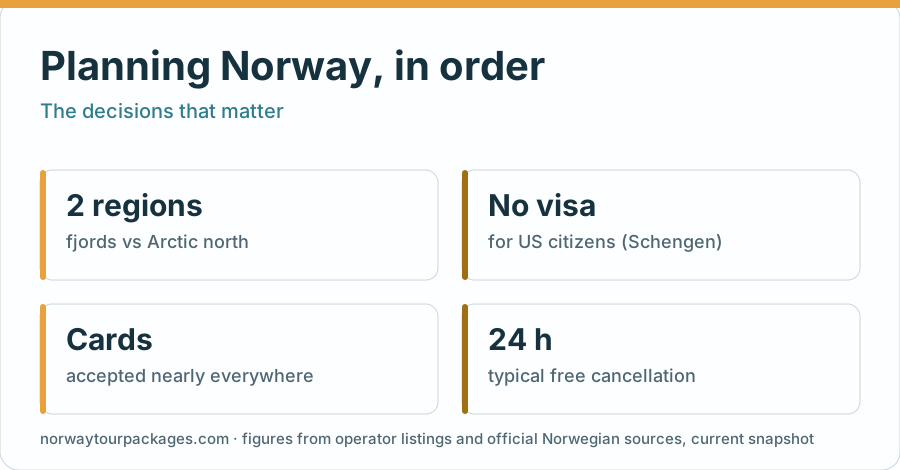
Plan by season and region, then check transport, accommodation and activities. Cards are widely accepted, but keep a backup. US tourist visits normally fall under Schengen’s 90/180 rule; check passport requirements and ETIAS status for your travel date.
Rain hammers Bergen roughly 200 to 240 days a year, and the city has simply built around it: covered fish market, waterproof everything, locals walking at normal speed through weather that would empty a street elsewhere. That is a useful first lesson about Norway. The country does not adjust itself to visitors, and the trips that go well are the ones planned around how the place actually runs. Seasons open and close roads. Trains sell out. Prices are what they are, and no amount of searching changes that.
Start with route and season, then add the experiences that fit each overnight base.
Booking choice: The Bergen railway-and-fjord day is a practical western-Norway anchor. A complete guided circuit needs its own start date and longer time window. Explore Guided tour - Viking Village, Nærøyfjord Cruise and Flåm Railway
What Order Should You Plan A Norway Trip In?
Season first, then region, then transport, then tours. Everything downstream depends on the season, because half the famous roads and a good share of the boat departures are seasonal. Locking a fjord cruise before you know whether the pass to reach it is open is the most common way a plan comes apart.
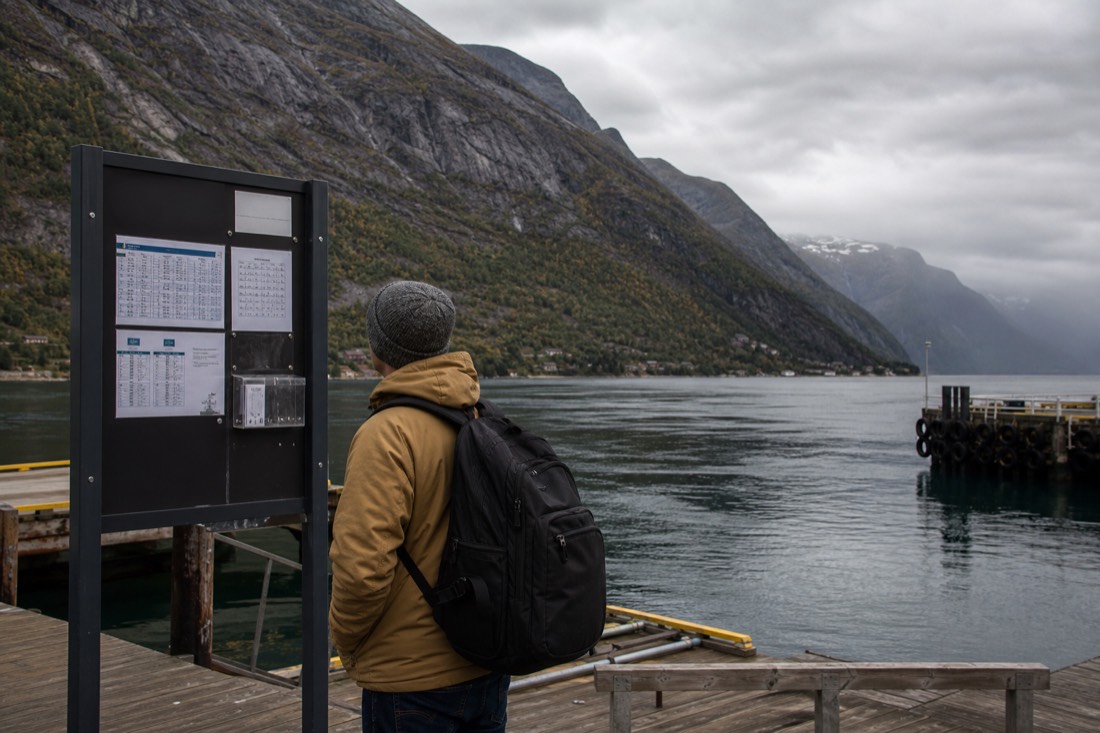
Most first-timers do this backwards. They find a photograph, book a flight, and then discover the thing in the photograph runs from June. Norway punishes that sequence more than most European destinations, because the gap between the summer and winter versions of the same place is enormous.
| Stage | What you lock | Why it comes here |
|---|---|---|
| 1. Season | Travel month | Decides which roads, boats and railways are running at all |
| 2. Region | One or two, not four | Internal distances are large and transfers eat days |
| 3. Long-distance transport | Trains, flights, coastal ferries | These sell out first and set the shape of the trip |
| 4. Accommodation | City nights, then rural | Small fjord villages have very limited bed stock |
| 5. Tours and tickets | Cruises, railways, guided days | Flexible enough to slot around the above |
| 6. Day-to-day | Museums, hikes, meals | Weather-dependent, best left loose |
The two big season swings are the midnight sun, roughly late May to late July in the far north, and the aurora season from late September to late March or early April. Our best time to visit Norway guide compares them properly, including the shoulder weeks that are cheaper than either.
How Are Norway's Regions Actually Split?
Four blocks cover almost every trip: Oslo and the east, Fjord Norway around Bergen and Ålesund, Trøndelag around Trondheim, and the north, meaning Tromsø, Lofoten and beyond. Most weeks should combine two. Trying to link Oslo, the fjords and the Arctic in seven days turns the holiday into transit.
Distance is the thing Americans and Britons both underestimate. Norway is long. Oslo to Tromsø is comparable to crossing several countries elsewhere in Europe, and the road distances are worse than the map suggests because everything bends around water.
| Region | Main base | What it is known for | Strongest season |
|---|---|---|---|
| Oslo and the east | Oslo | Museums, design, forest and island day trips | Year-round |
| Fjord Norway | Bergen, Ålesund | Nærøyfjord, Geirangerfjord, the Flåm Railway | May to September |
| Trøndelag | Trondheim | Nidaros Cathedral, coastal islands, food scene | May to September |
| The north | Tromsø, Bodø, Lofoten | Northern lights, whales, husky sledding, Lofoten peaks | Late September to March |
| Svalbard | Longyearbyen | High Arctic, polar bears, glacier landscapes | March to August |
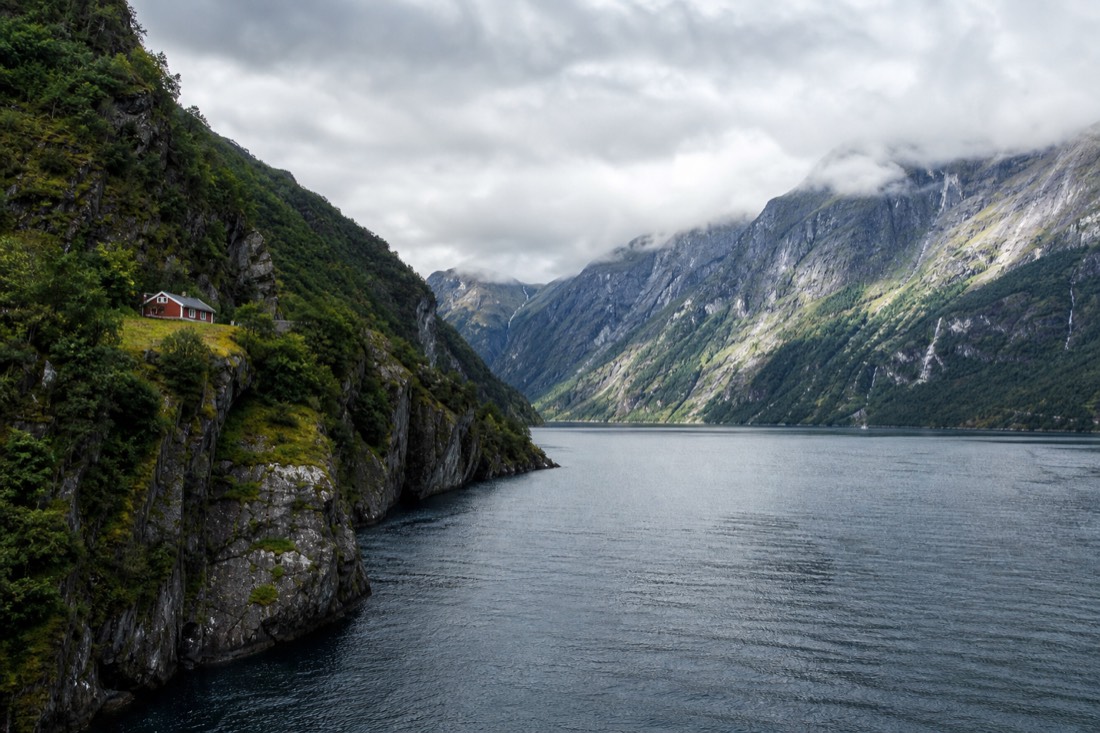
Only two Norwegian fjords carry UNESCO World Heritage status, Geirangerfjord and Nærøyfjord, inscribed together in 2005 as the West Norwegian Fjords. That is a useful filter when a tour page waves the word around loosely. If you are stuck choosing a first base, Oslo or Bergen compares the two head to head.
Do You Need Cash In Norway?
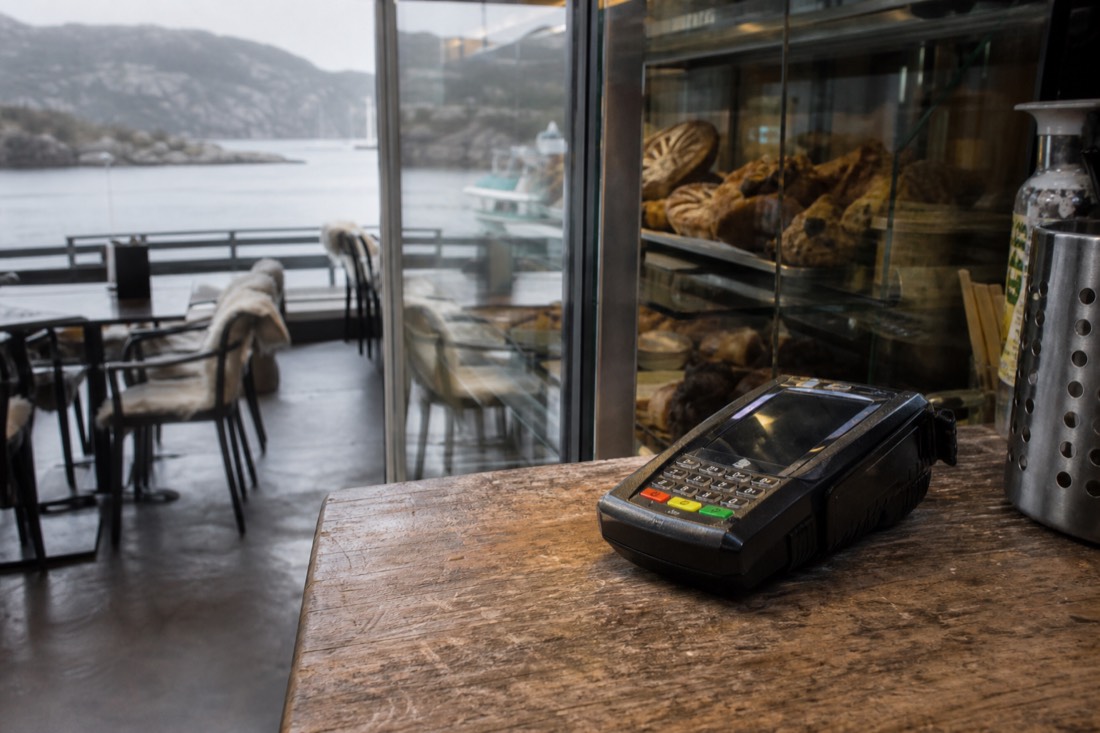
Effectively no. Norway is one of the most cashless countries in the world: cards and Apple Pay work almost everywhere, including small kiosks, buses and mountain huts. Tap water is excellent and free, so bottled water is money thrown away. Tipping is optional, at 5 to 15 percent only for genuinely good service.
The currency is the krone, not the euro, and that trips up more visitors than it should. Prices look large in NOK and are still large after conversion, but the categories that hurt are narrow: alcohol, restaurant meals and taxis. Groceries, transport and museum entry sit closer to western European norms than the country's reputation suggests.
Skipping bottled water alone is worth real money over a week, since Norwegian tap water is genuinely among the best available and refilling is normal everywhere. For the full picture of where the budget actually goes, see our cost of a trip to Norway breakdown, and the smaller everyday habits in tap water, cards and tipping.
What Is The Best Way To Get Around Norway?
Trains for the long corridors, boats for the fjords, and flights for anything involving the north. The Oslo to Bergen railway takes about 6.5 to 7.5 hours and is a sight in itself. The Flåm Railway climbs 866 metres in 20.2 kilometres, which takes roughly an hour and runs year-round.
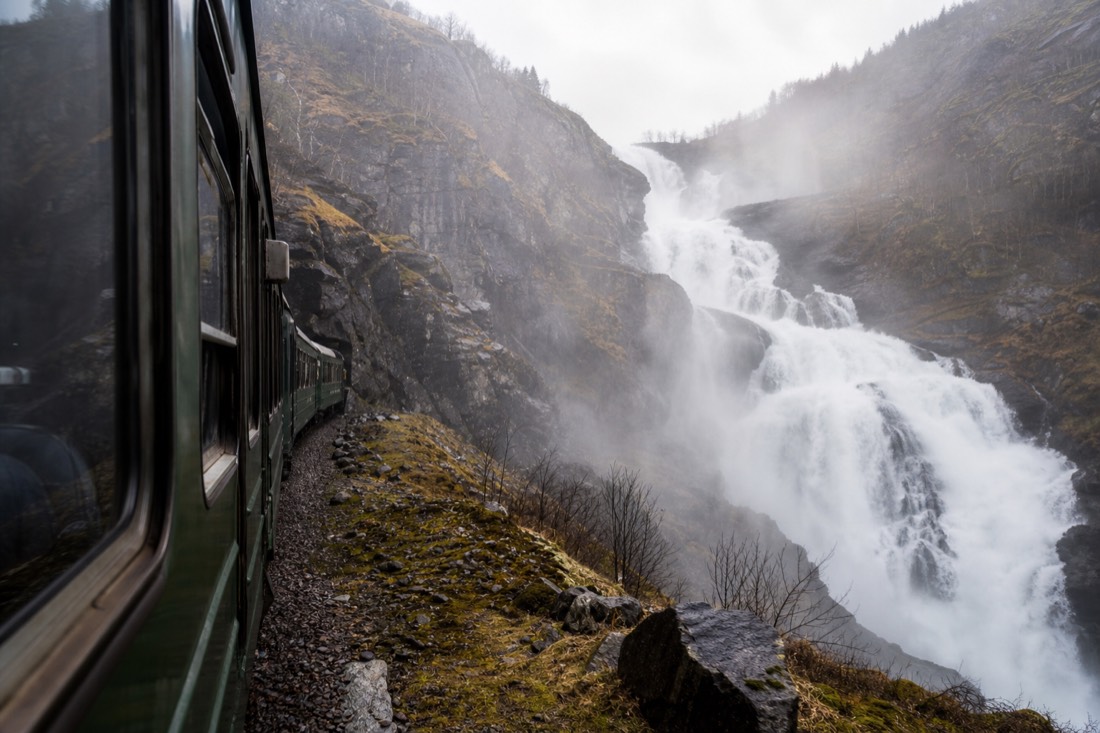
Norway's public transport is reliable and genuinely scenic, which is unusual. The Bergensbanen crosses the Hardangervidda plateau and is operated by Vy, and the Flåm branch is run by Flåm Utvikling with tickets sold through norwaysbest.com and Vy. Neither is a tourist novelty bolted on to a normal service. They are the normal service.
| Journey | How | Approximate time | Worth knowing |
|---|---|---|---|
| Oslo to Bergen | Bergensbanen, Vy | 6.5 to 7.5 hours | Book early for the cheapest fares, seats sell out in summer |
| Flåm to Myrdal | Flåm Railway | About 1 hour | 20.2 km, 866 m of climb, max gradient 5.5 percent |
| Bergen to the fjord arms | Express boat or cruise | 1 to 4 hours | Weather-dependent on exposed stretches |
| Oslo or Bergen to Tromsø | Domestic flight | Short hop by air, two days by road | Flying is the only sensible option for a week-long trip |
| Bergen to Kirkenes | Coastal ferry | Multi-day | A journey in its own right, not a transfer |
Norway in a Nutshell is the branded version of this: a self-guided Fjord Tours ticket bundle stringing together the Bergen line, the Flåm Railway, a Nærøyfjord cruise and a bus between Voss and Gudvangen, bookable year-round through fjordtours.com. You can build the same day yourself with separate tickets, and our Norway in a Nutshell DIY or guided comparison shows when that saves money and when it just adds admin.
Related planning: Norway in a Nutshell options.
Is There A Tourist Tax In Norway Now?
Norway has passed a visitor-contribution law allowing municipalities to add an optional levy of up to 3 percent on overnight accommodation. It is not nationwide and it is not automatic: each municipality has to apply. Pressured destinations such as Lofoten and Tromsø are moving first, with wider collection realistic from 2027.
The practical effect on a holiday budget is small, a few percent on hotel nights in specific places, but the direction of travel is worth understanding. Visitor numbers have climbed sharply since the pandemic trough, and the levy exists because a handful of small municipalities absorb a very large share of them.
Do Americans Need A Visa Or ETIAS For Norway?
No visa. US citizens travel to Norway under the Schengen 90 in 180 day rule with a passport issued within the previous ten years and valid for at least three months after planned Schengen departure. ETIAS, the electronic travel authorisation, is planned but not operational as of 15 September 2026, so check the official launch and transition rules for your travel date.
Norway is not in the European Union but is inside the Schengen area, which is why the Schengen clock applies; other arrangements, including EEA rules, have their own scope. The official position on entry requirements is published by udi.no and the ETIAS rollout by the European Union, and those two are the only sources worth trusting on this. Third-party sites charging to prepare an ETIAS application for a system that has not launched are a recurring scam.
When ETIAS does start, the shape is known: a 20 euro fee, valid three years, applied online before travel. Full detail on the US side sits in our post on whether Americans need a visa for Norway.
Which Bookings Are Capacity-limited, And Which Are Not?
Only a handful of things genuinely sell out: the Flåm Railway in summer, cheap Bergen Line fares, small-town accommodation in July, and aurora minibus seats. Museums, local transport and restaurants also have capacity limits; reserve the specific time slots or meals that matter to you.
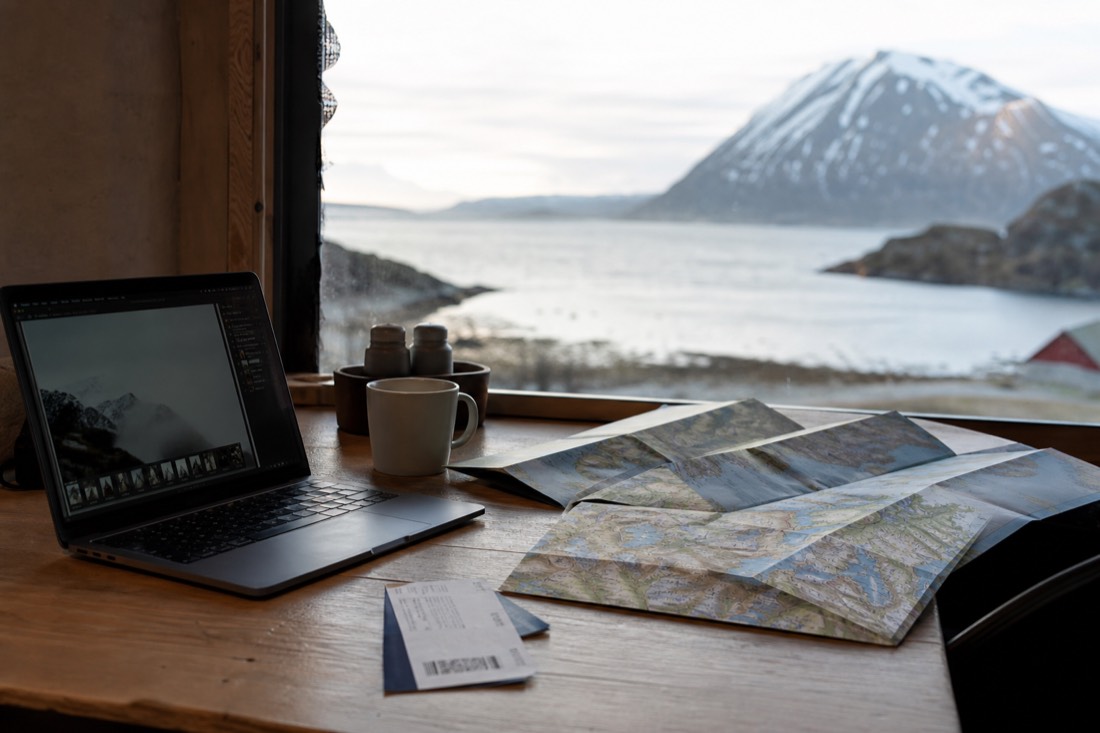
Sequencing the bookings correctly removes most of the stress from Norwegian trip planning, because it forces the constrained items to the front and leaves the flexible ones to fill in around them.
| Order | What | Why here |
|---|---|---|
| 1 | International flights | Everything else depends on the dates |
| 2 | Aurora, whales, or the fjord day | Capacity-limited and weather-dependent |
| 3 | Long-distance trains | Cheap fares go early; 6-7 daily departures |
| 4 | Accommodation | Now you know which towns and nights |
| 5 | City museums, restaurants | Check time slots and table availability |
Flexible cancellation is worth paying attention to at every stage of this list.
Step three is where money is saved. Oslo to Bergen tickets run roughly NOK 900 to 1,400 one way, and the lower end of that range is only available well ahead.
What Are The Practical Rules Visitors Get Wrong?
Four recur: assuming EU rules apply, underestimating the alcohol monopoly, ignoring seasonal road closures, and not realising how cashless the country is. None are difficult once known, and all cause avoidable friction.

Norway is easy to travel in and slightly different from its neighbours in ways that catch people out precisely because everything else feels familiar.
| The rule | What visitors assume | The reality |
|---|---|---|
| Customs | EU allowances apply | Norway is outside the EU customs union; stricter limits |
| Alcohol | Buy wine in supermarkets | Beer only; wine and spirits at Vinmonopolet |
| Mountain roads | Open year-round | Seasonal; Trollstigen reopened 29 April in 2026 |
| Cash | Needed as backup | Cards and phones work almost everywhere |
| Tipping | Expected as in the US | Not expected; optional if service was excellent |
| Tap water | Buy bottled | Tap water is excellent and free |
The Vinmonopolet detail catches out more visitors than any other item here, chiefly because the shops keep shorter hours than supermarkets and close early on Saturdays.
Which Routes Genuinely Require A Car, And Which Do Not?
A car helps in Lofoten, on scenic roads and beyond main towns; planned buses and guided tours can also work. Everything on a standard first itinerary, Oslo, the Bergen Line, the classic fjords and Tromsø, works without a car and often works better.
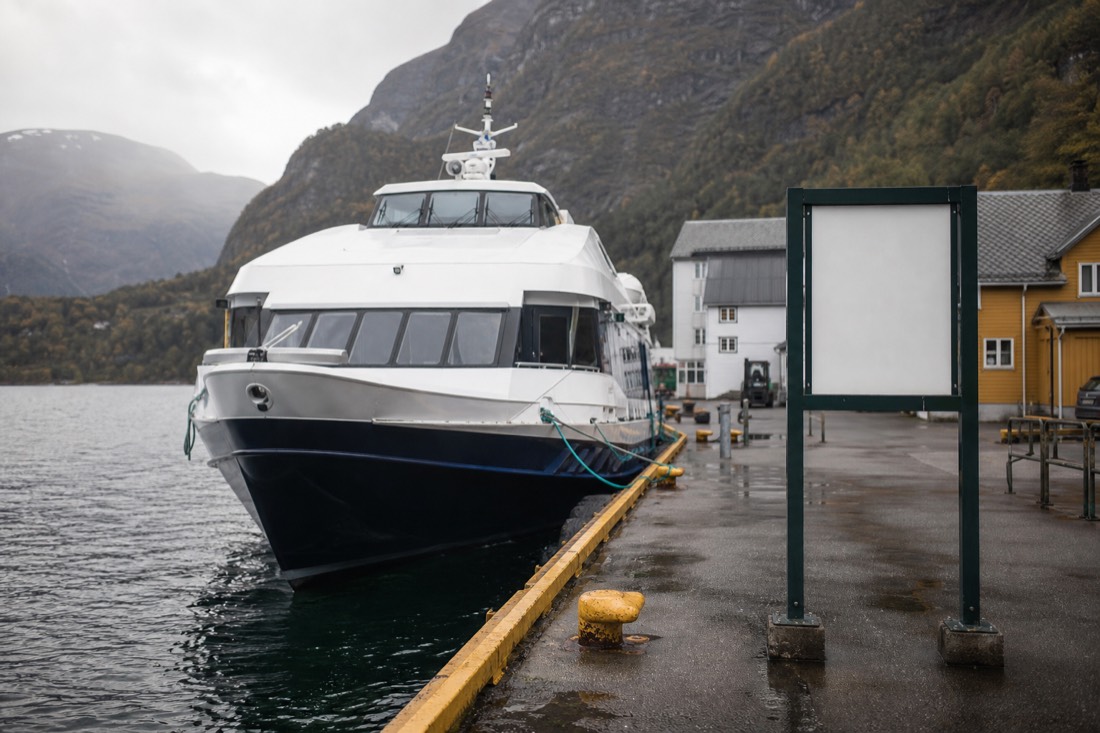
Norway's public transport is one of the reasons it works so well for independent travellers. The scenic routes are themselves public services rather than tourist add-ons, which keeps them frequent and reasonably priced.
| Route type | Best mode | Car needed? |
|---|---|---|
| Oslo to Bergen | Bergen Line train, 6.5-7.5 hours | No |
| Fjord arms from Bergen | Express boats and cruises | No |
| Flåm and the Nutshell loop | Train, boat and bus | No |
| Oslo to Tromsø | Flight, from 1h50m | No |
| Lofoten archipelago | Car, planned buses or guided days | Depends on the route |
| Scenic mountain routes | Rental car | Yes |
| Within cities | Tram, bus, walking | No |
The split is clean: if your itinerary is Oslo, Bergen, the classic fjords and Tromsø, you do not need a car anywhere. Add Lofoten or the scenic roads and the calculation changes.
What Does A Realistic First Norway Trip Look Like End To End?
Fly into Oslo, two nights. Take the Bergen Line west. Two nights in Bergen with one full fjord day. Then either fly home or fly north for three Arctic nights. That skeleton fits seven to ten days and covers the country's two defining landscapes.
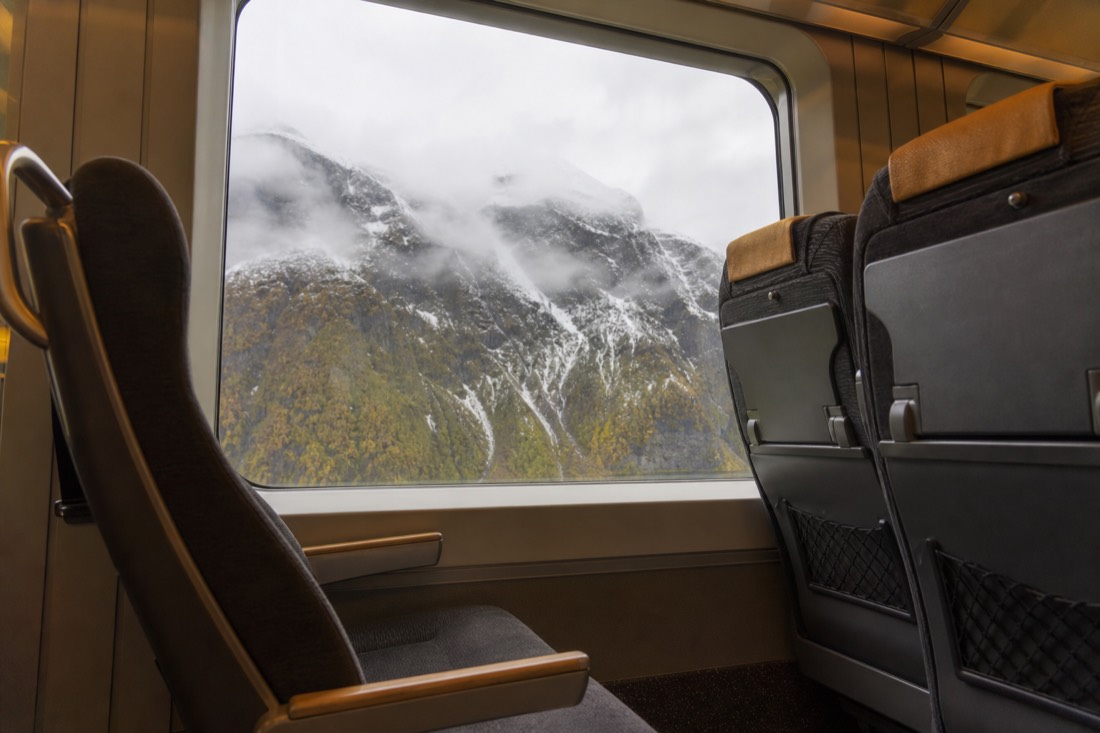
Almost every successful first Norway itinerary is a variation on this shape, because it follows the country's own transport spine rather than fighting it. The train west is scenery rather than transit, and the flight north is the only leg that feels like travel.
| Days | Where | What happens |
|---|---|---|
| 1-2 | Oslo | Arrival, museums, the fjord, Vigeland |
| 3 | Bergen Line | 6.5-7.5 hours across the plateau |
| 4-5 | Bergen | City on foot, one full fjord day |
| 6 | Decision point | Fly home, or fly north |
| 7-9 | Tromsø | Aurora attempts, whales or huskies |
| 10 | Departure | Fly out of Tromsø or back via Oslo |
Opening hours run shorter than most visitors expect. Outside the cities, shops close early on Saturdays and many stay shut on Sundays, and small-village supermarkets keep limited hours year-round. Arriving somewhere small on a Sunday without having bought food first is a recurring and entirely avoidable inconvenience.
One hybrid worth knowing: rental cars can usually be collected and dropped off in different cities, so you can take the train west, drive only the section that genuinely needs a car, and hand it back. The one-way fee is often less than several days of paying for a vehicle to sit outside a Bergen hotel.
The decision point on day six is the honest fork. Seven days is a complete trip that ends in Bergen; ten days is a complete trip that includes the Arctic. Eight days is the awkward middle that tries to include the north and gives it only one usable night.
Reverse the direction if the flights suit: arriving into Bergen and departing from Oslo puts the weather-dependent fjord day early and ends at the better-connected airport, which is covered in our 7-day itinerary.
How Far Ahead Should You Book A Norway Trip?
Long-distance trains and summer fjord accommodation are the pinch points, and both are worth booking three to six months out. Tours and cruises can usually wait until four to eight weeks before, except for northern lights and husky departures in December and January, which sell out earliest.
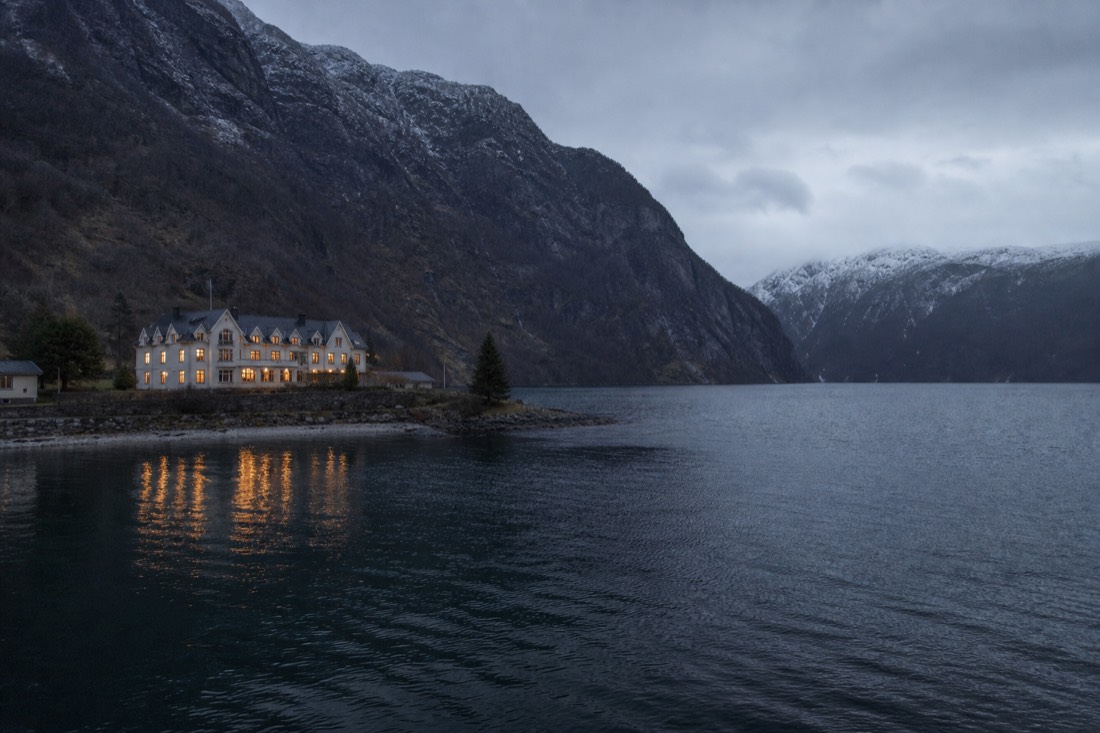
That single point resolves most first-trip anxiety about travelling here independently.
Connectivity is better than the remoteness suggests. Mobile coverage is good along the main routes and in the towns, most accommodation has reliable wifi, and tickets, timetables and payments all work from a phone. The gaps appear on mountain trails and in the far north, which is exactly where an offline map earns its place.
Bed stock is the real constraint. Fjord villages are tiny, and a place like Flåm or Geiranger has a few hundred rooms serving a very large summer demand. Cities are far more forgiving.
| What you are booking | How far ahead | Reason |
|---|---|---|
| Flights from North America | 3 to 6 months | Fare curve, not availability |
| Oslo to Bergen train | 3 months for cheap fares | Advance tickets are capacity-limited |
| Fjord village accommodation, June to August | 4 to 6 months | Very small room supply |
| City hotels | 4 to 8 weeks | Plenty of stock outside major events |
| Northern lights and husky tours, December to January | 2 to 3 months | Peak Arctic season sells out |
| Summer fjord cruises and railways | 2 to 6 weeks | Frequent departures, weather flexibility helps |
Safety is one thing you can largely stop thinking about. Norway is consistently among the safest countries for travellers, petty crime is rare even in the cities, tap water is excellent everywhere, and emergency services are well organised. The genuine risks here are environmental rather than human: weather, cold water, and mountain terrain treated casually.
One last piece of realism, taken straight from visitnorway.com and every local forecaster: weather here changes plans, not the other way round. Build a spare half-day into any itinerary that depends on a boat, and the trip will absorb one bad afternoon without drama.
Choose Your Norway Experience
Guided tour - Viking Village, Nærøyfjord Cruise and Flåm Railway. Join the Nærøyfjord cruise, Flåm Railway and Viking village in one guided day. Have a date in mind? Check it before arranging the rest of your Norway trip.
10 hours 30 minutes. Round trip from Strandkaien 16, Bergen. Choose the English option. Food and drinks cost extra. This is a day trip, with no hotel night.
Choose a date to see scheduled departures. Final availability and price are confirmed on Viator.
No verified experience fits those requirements. Adjust your choices, or keep the independent plan described above.
Compare Options And Fit Your Plans
General recommendation until you choose. Choose the city where the activity starts, not your arrival airport. Month filters describe the experience’s season, not confirmed departures. Allow travel to the meeting point as well as the listed duration. Confirm your exact option and access needs when booking.
- Cosmos Norwegian Fjords: 11 days. Travel from Oslo through southern Norway, Bergen and the western fjords on an 11-day guided circuit. Oslo round trip with accommodation and English guiding. Check the dated itinerary, room arrangement and included meals. Geiranger cruising is an optional extra; low intensity does not establish wheelchair access.
- Tromsø Northern Lights Chase We Go Where The Lights Appear: 9 hours. Follow a guide and photographer away from Tromsø in search of clearer northern-lights skies. Allow 6–9 hours and select English Guide. Meet at the stated Tromsø departure point. Thermal suits are a rental option; boots and full meals are not included. Sightings are not guaranteed.
- Central Oslo Guided Walking Tour with Local Guide: 2 hours. Get oriented in central Oslo on a two-hour walk with an English-speaking local guide. Two hours from the tiger statue outside Oslo Central Station to the Royal Palace. Select the English time option. Outdoor walking only; no admission inside buildings. Not recommended for poor cardiovascular health.
- Mostraumen Fjord Cruise : Operated & Guided by Locals: 3 hours 30 minutes. Cruise from Bergen into Osterfjord and the narrow Mostraumen passage. Meet at the pier between Strandkaien Terminal and Mathallen. English audio commentary. Winter ice can require an alternative route.