The Things To Do In Norway That Earn Their Reputation
Norway has a long list of famous experiences and a shorter list of ones that hold up once you are standing there, so we separated the two.
 Written with Lars Hansen, Norway Tour Packages Specialist & Experience Guide
Short answer
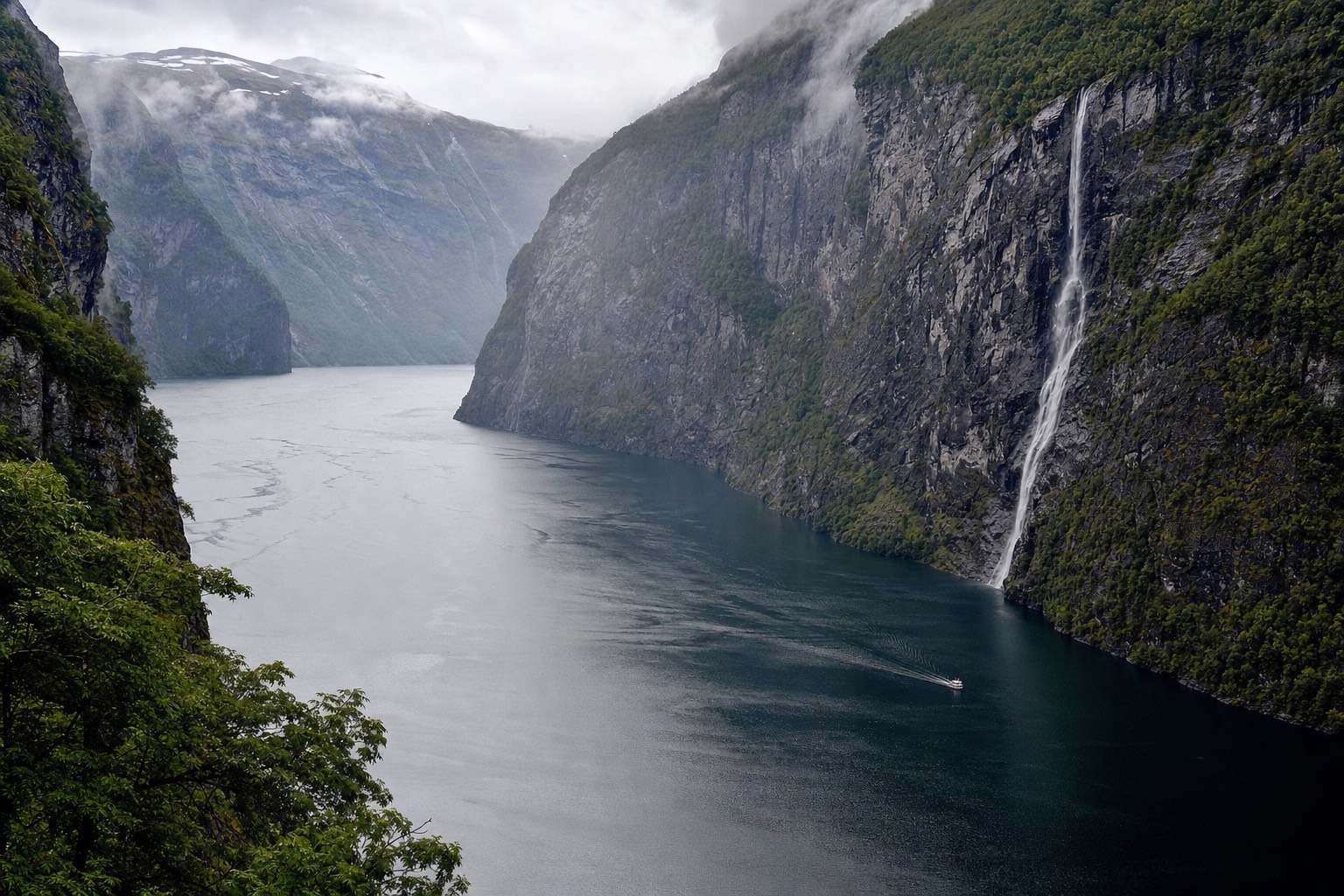
The experiences that consistently justify the trip are a fjord cruise on Nærøyfjord or Mostraumen, the Flåm Railway, winter aurora chasing from Tromsø, the Lofoten coast, and one big-view hike such as Preikestolen. Cities work best as bookends, not as the main event.
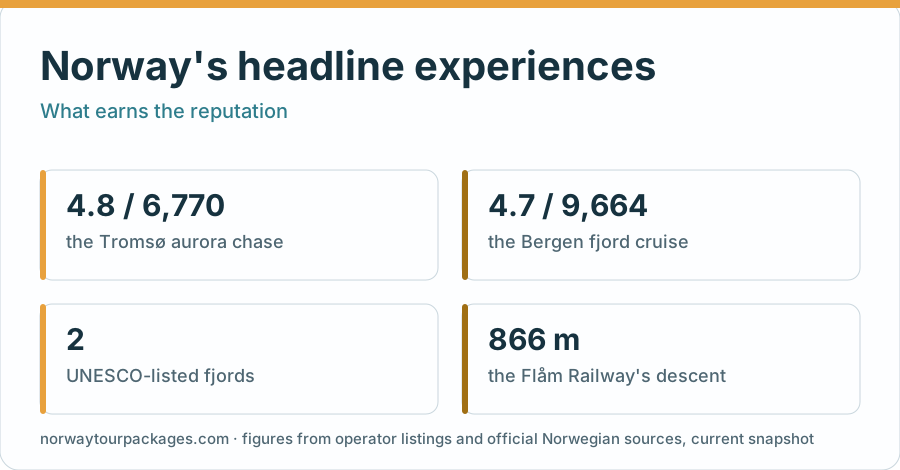
Norway's greatest hits list is unusually honest. Most countries oversell two or three sights, but the fjords really are that steep, the aurora really does behave like weather rather than a scheduled event, and the Flåm Railway really does drop 866 metres through a valley that looks assembled by hand. What the list does not tell you is which of these deserves a full day and which is a photograph you take on the way to something better. Norway also had its busiest year on record in 2025, so knowing what to skip is now as useful as knowing what to see.
Choose a few experiences that fit the season and overnight bases instead of trying to add every region.
Booking choice: The full Bergen railway-and-fjord day is the starting recommendation; Arctic and mountain alternatives need their own location and conditions. Explore Guided tour - Viking Village, Nærøyfjord Cruise and Flåm Railway
What Are The Best Things To Do In Norway?
The five experiences that reliably justify their time are a fjord cruise on Nærøyfjord or Mostraumen, the Flåm Railway, aurora chasing from Tromsø between late September and late March, the Lofoten Islands, and one substantial hike such as Preikestolen. Cities are worth a day each, rarely more.
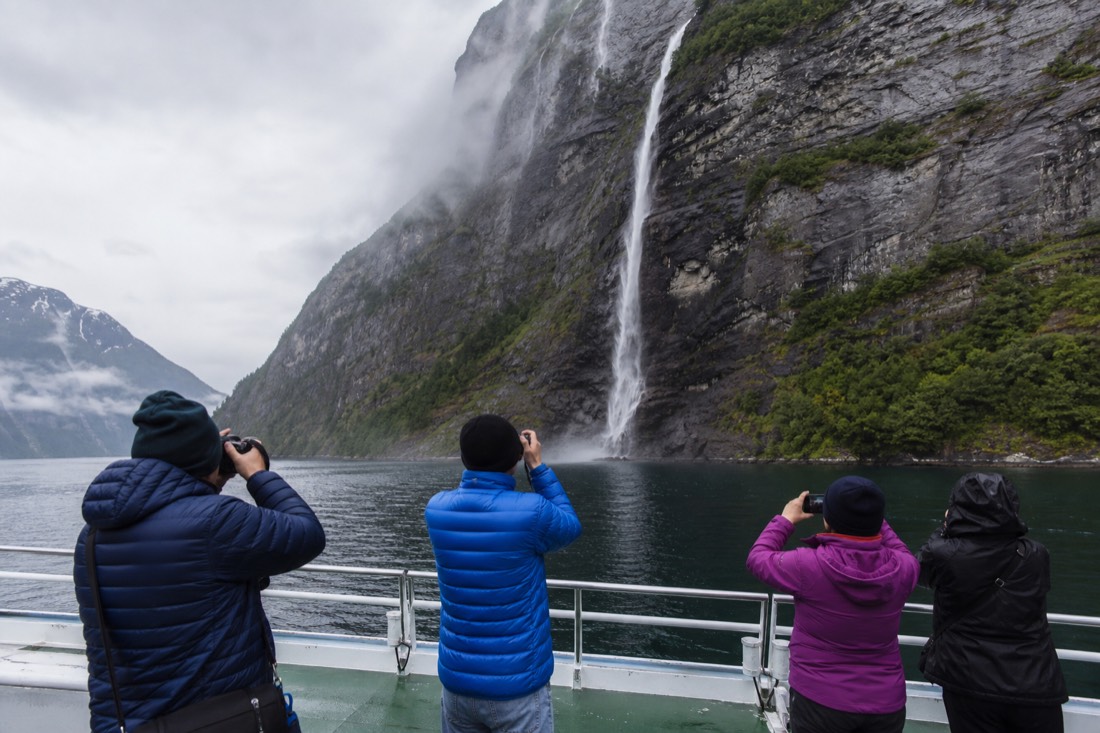
Ranking travel experiences is subjective, so we ranked by something measurable instead: how often the thing works. A fjord cruise works in rain. A summit hike does not work in fog. The aurora works only in a season and only with clear sky. That distinction matters more than beauty when you have seven days and one shot at each.
| Experience | Season | Time needed | Reliability in bad weather |
|---|---|---|---|
| Fjord cruise (Nærøyfjord, Mostraumen) | Year-round | 2-4 hours | High, cliffs and waterfalls still read |
| Flåm Railway | Year-round | 1 hour each way | High, it is an enclosed train |
| Northern lights chase | Late Sep to late Mar | 5-10 hours | Low, needs clear sky |
| Preikestolen hike | Roughly May to Oct | About 4 hours return | Low, the view is the point |
| Lofoten road and villages | Year-round, best May-Sep | 2-4 days | Medium |
| Whale watching, Tromsø area | Mid Oct to end Jan | 7-9 hours | Medium |
If you want the same material organised by place rather than by activity, our guide to the best places to visit in Norway covers the map side of the decision.
Which Fjord Experience Is Worth A Whole Day?
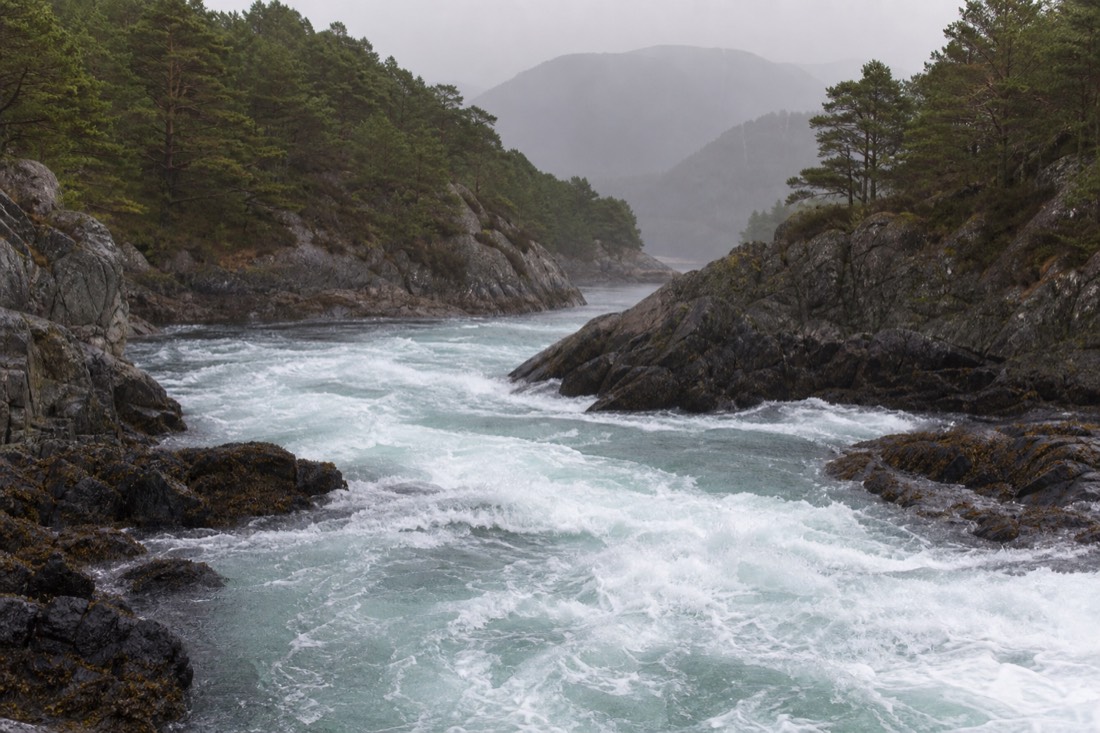
Only two Norwegian fjords hold UNESCO World Heritage status: Geirangerfjord and Nærøyfjord, inscribed together in 2005 as the West Norwegian Fjords. Nærøyfjord is the easier one to reach on a day trip, while Mostraumen from Bergen delivers narrow-channel drama and tidal current in three and a half hours.
The phrase you will see everywhere, that the Norwegian fjords are a UNESCO site, is wrong and worth correcting. The inscription on the UNESCO World Heritage list covers those two fjords specifically, not the coastline in general. That does not make the others lesser, it just means Geiranger and Nærøy are the two with an international citation attached.
Related planning: Bergen fjord cruise options.
When And Where Can You See The Northern Lights?
The aurora season in Norway runs from late September to late March or early April, with the strongest statistical odds around the equinoxes in September, October, March and April. Tromsø sits inside the auroral oval and is the practical base. Nothing is ever guaranteed, since clear sky is the limiting factor.
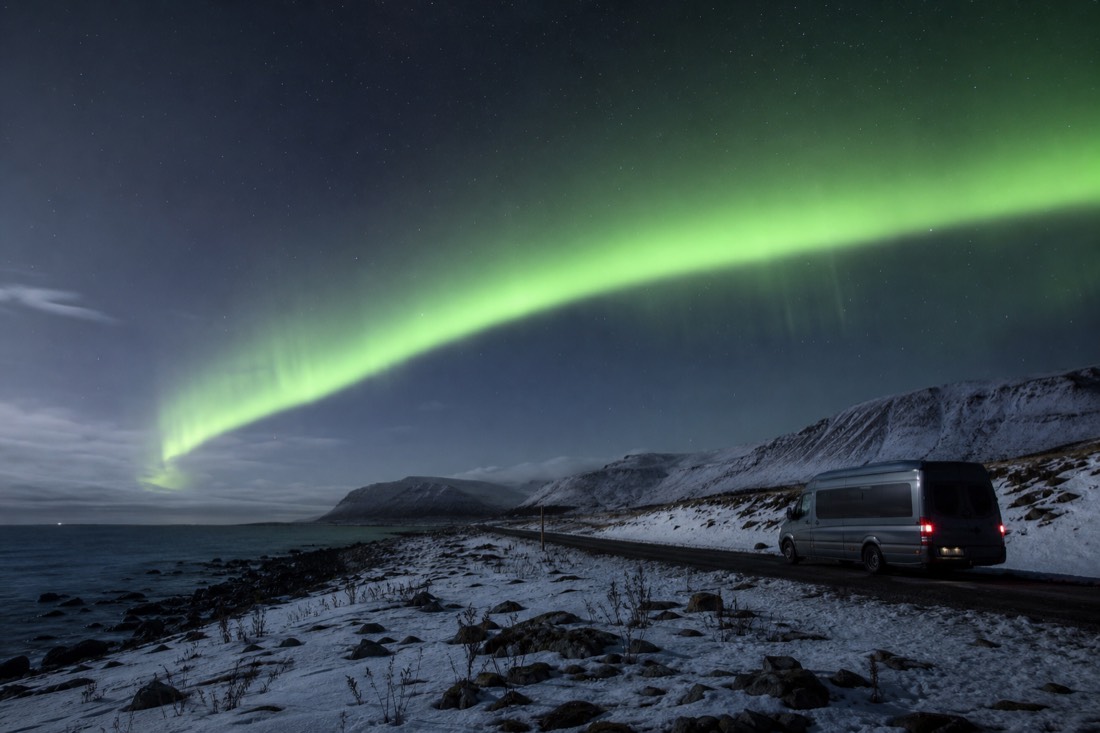
Two things separate a good aurora trip from a disappointing one. The first is time: give yourself three or four nights, not one. The second is mobility, because a guided chase drives to whichever valley has a hole in the cloud, sometimes several hours away. Solar activity varies; consult current geomagnetic and local cloud forecasts for your own dates.
Tromsø also sits under polar night from about 27 November to 15 January, when the sun stays below the horizon. That sounds bleak and is actually the opposite: the blue hour stretches for hours and photographs beautifully. For the full seasonal picture, see when you can see the northern lights in Norway.
Are The Scenic Railways Worth Building A Trip Around?
Yes, and the Flåm Railway is the clearest case. It runs 20.2 kilometres between Flåm and Myrdal in about an hour, dropping 866 metres at gradients up to 5.5 percent, and it operates year-round. The Bergen Line between Oslo and Bergen takes six and a half to seven and a half hours across high plateau.
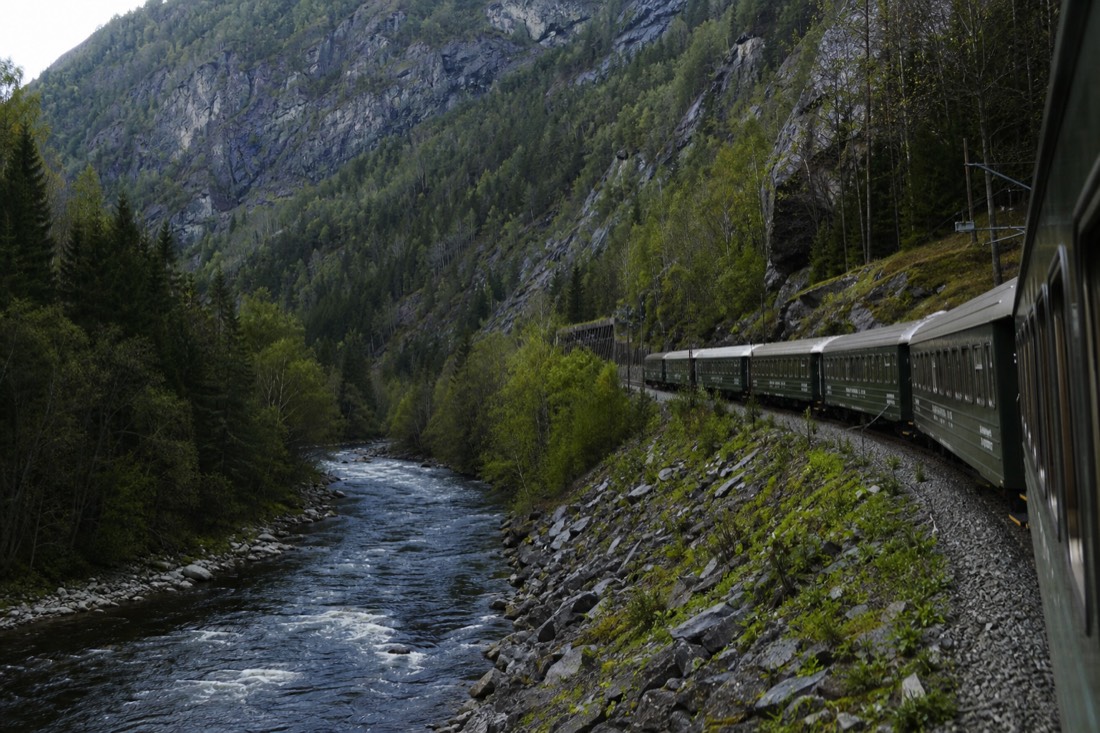
The Flåm line is operated by Flåm Utvikling, part of the Vy group, with tickets sold through norwaysbest.com or Vy directly. It is short, and it is the rare tourist railway that earns its ticket in the first ten minutes, because the valley walls close in almost immediately.
| Rail journey | Route | Duration | Season |
|---|---|---|---|
| Flåm Railway | Flåm to Myrdal | About 1 hour | Year-round |
| Bergen Line | Oslo to Bergen | 6.5-7.5 hours | Year-round |
| Rauma Line | Dombås to Åndalsnes | About 1.5 hours | Year-round railway; check dated services |
Norway in a Nutshell stitches the Bergen Line, the Flåm Railway and a Nærøyfjord cruise into one self-guided ticket bundle sold by Fjord Tours. It can also be assembled yourself from individual tickets, which is cheaper and slightly more work. We weigh both approaches in Norway in a Nutshell, DIY or guided.
Which Norwegian Hikes Are Realistic For Ordinary Travelers?
Preikestolen is the realistic headline hike at roughly about four hours round trip on a clear path. Trolltunga is a serious 10 to 12 hour day in a short summer season. Kjeragbolten is exposed and not for anyone uneasy with heights. Most visitors are better served by shorter marked trails near the fjords.
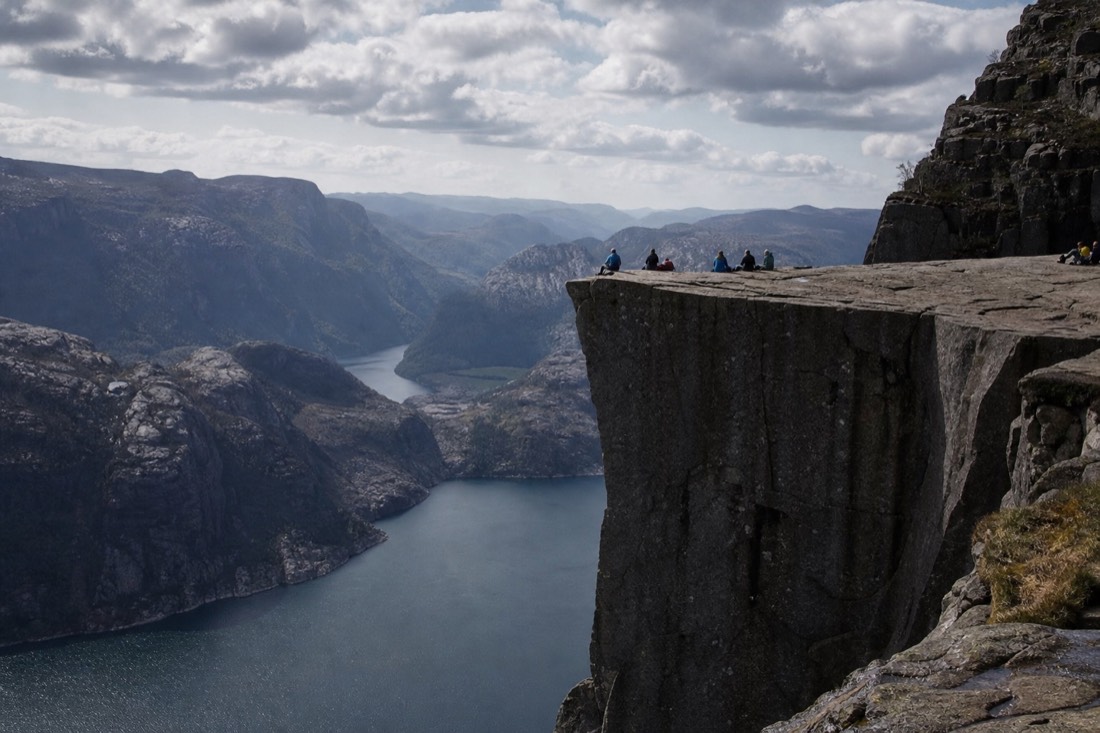
The gap between these three trails is bigger than the photographs suggest, and people underestimate it every summer. Preikestolen is a busy, well-built path that families complete regularly. Trolltunga is a full mountain day with a real turnaround time and weather that changes fast. Kjerag adds chains and exposure.
| Hike | Round trip | Difficulty | Season |
|---|---|---|---|
| Preikestolen | About 4 hours | Moderate to difficult | Roughly May to October |
| Trolltunga | 10-12 hours | Strenuous | Summer only |
| Kjeragbolten | Full day | Difficult, very exposed | Summer only |
Details on gear, timing and turnaround decisions sit in our dedicated guide to hiking Preikestolen and Trolltunga. Check the forecast on yr.no the morning you go rather than the night before, since mountain conditions in Norway rewrite themselves overnight.
What Is Worth Doing In Each Season?
Summer, roughly late May to mid-August, buys midnight sun, open mountain roads and hiking. Winter, late September to March, buys aurora, dog sledding and whale watching from mid or late October to the end of January. Spring and autumn buy lower prices, thinner crowds and unstable weather in both directions.
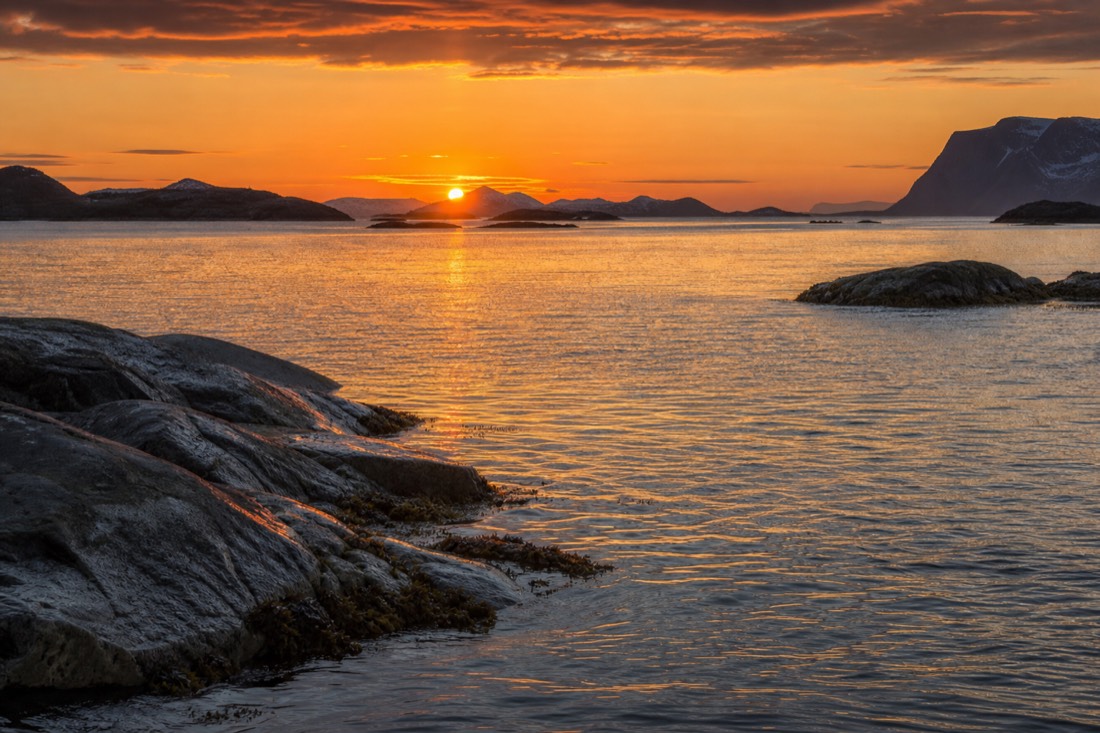
Norway is close to two different countries depending on the month, and trying to have both in one trip is the most common planning mistake. The midnight sun in the north runs from late May to late July. Aurora season and midnight sun cannot overlap by definition, so pick one and build the itinerary around it.
| Season | Signature experiences | Watch out for |
|---|---|---|
| Late May to mid-Aug | Midnight sun, hiking, mountain passes, scenic drives | Peak prices, busiest fjord towns |
| Sep to Oct | Early aurora, autumn colour, quieter trails | Shortening days, unsettled weather |
| Nov to Jan | Polar night light, aurora, whales, sledding | Limited daylight, some roads shut |
| Feb to Apr | Strong aurora odds, snow sports, longer days | Cold, winter driving conditions |
Weather planning deserves one honest note. Bergen sees roughly 200 to 240 rainy days a year and between 2,250 and 2,413 mm of precipitation, which is a lot by any standard. That is not a reason to skip it. It is a reason to pack for it and to book the indoor-capable experiences, such as the train and the covered boats, on the days the forecast turns.
Which Experiences Are Genuinely Once-in-a-lifetime, And Which Are Ordinary?
The aurora, the fjord railways and the Lofoten light are hard to replicate anywhere else. City sightseeing, museums and most food experiences are good but not distinctive. Spend your budget on the first group.
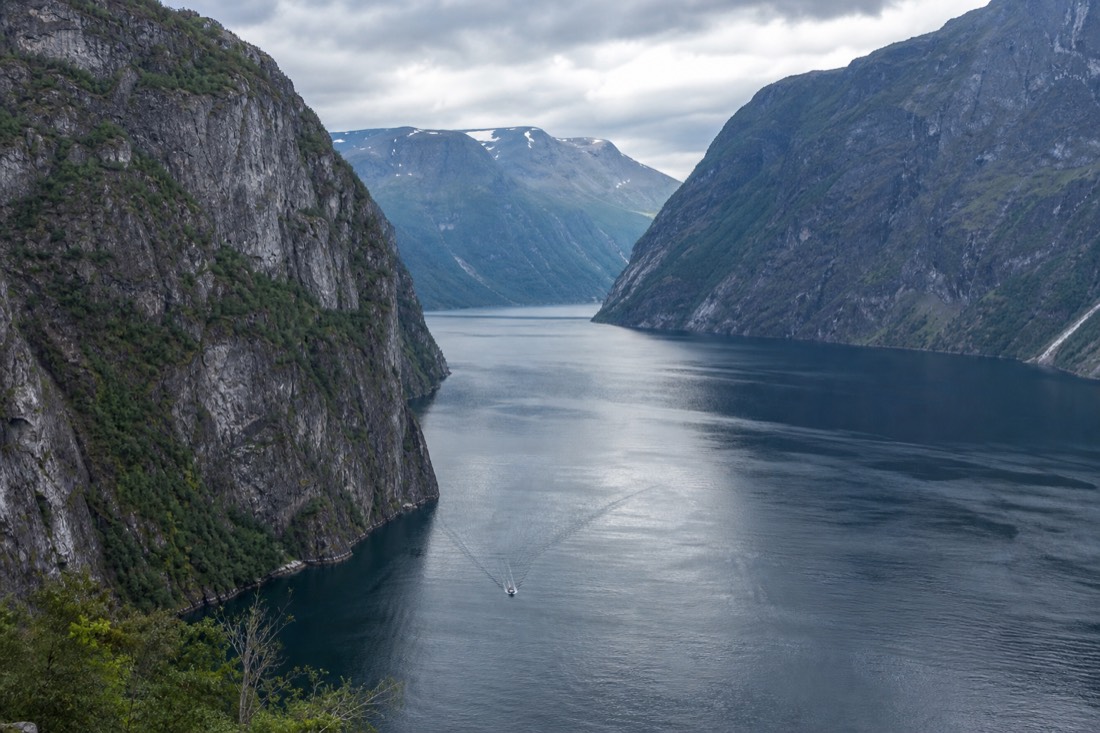
Norway is expensive enough that the allocation question matters more than in most countries. Some of what it offers is genuinely unavailable elsewhere; some is a competent version of what you can get in any European capital for less.
| Experience | Distinctive? | Where the money should go |
|---|---|---|
| Northern lights chase | Yes, at this reliability | Priority spend |
| Flåm Railway and Bergen Line | Yes | Priority spend |
| Fjord cruise into a narrow arm | Yes | Priority spend |
| Lofoten in summer or winter light | Yes | Priority spend |
| Husky sledding | Yes, and increasingly common elsewhere | Worth it once |
| City museums | Good, not unique | Pick two, not six |
| Restaurant dining | Excellent, very expensive | One or two meals |
The pattern is consistent: Norway's landscape and the infrastructure built to reach it are the unrepeatable part. Everything indoors has a cheaper equivalent somewhere else in Europe.
What Can You Do In Norway For Free?
A great deal. Allemannsretten, the right to roam, opens uncultivated land to everyone, and the country's best asset is the landscape itself. Hiking, wild swimming, beaches, most viewpoints and every city park cost nothing.
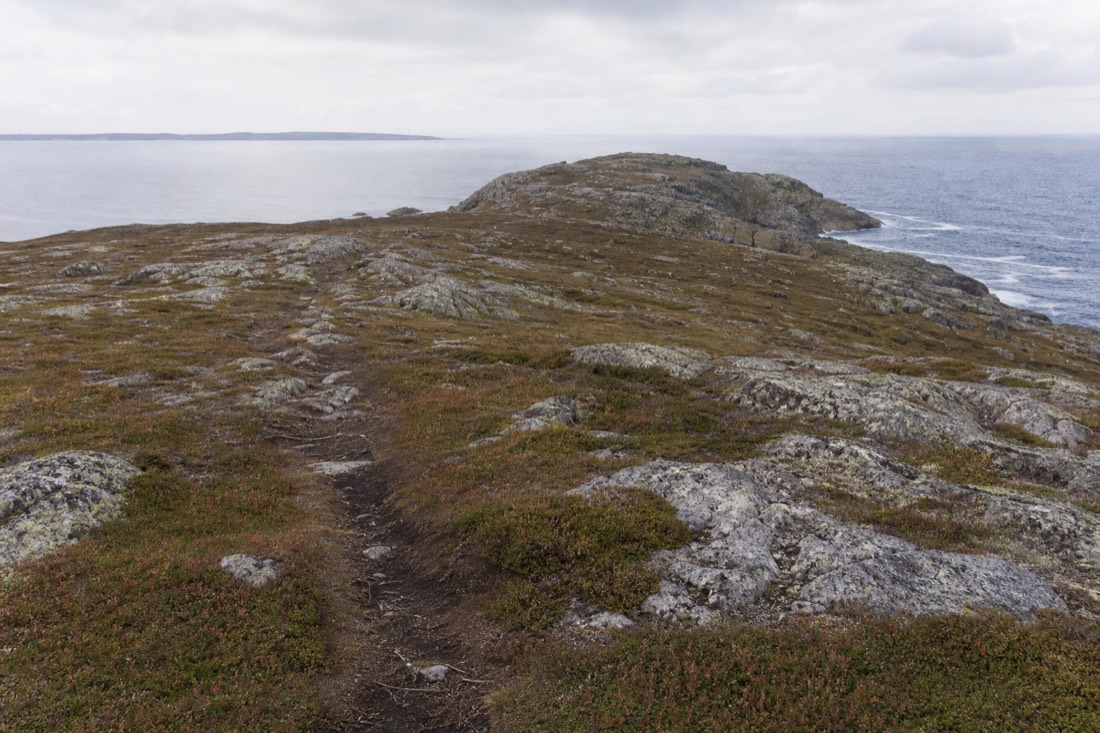
This is the counterweight to Norway's reputation. The expensive parts are the served experiences: restaurants, taxis, guided tours. The landscape has no admission fee and is legally open to you.
| Free | Notes |
|---|---|
| Hiking anywhere on uncultivated land | Allemannsretten; respect the distance rules from homes |
| Wild swimming | Cold, legal, and locals do it year-round |
| Vigeland Sculpture Park, Oslo | No ticket, no closing time |
| Most coastal and mountain viewpoints | Parking sometimes charged |
| Tap water | Excellent everywhere; refill rather than buy |
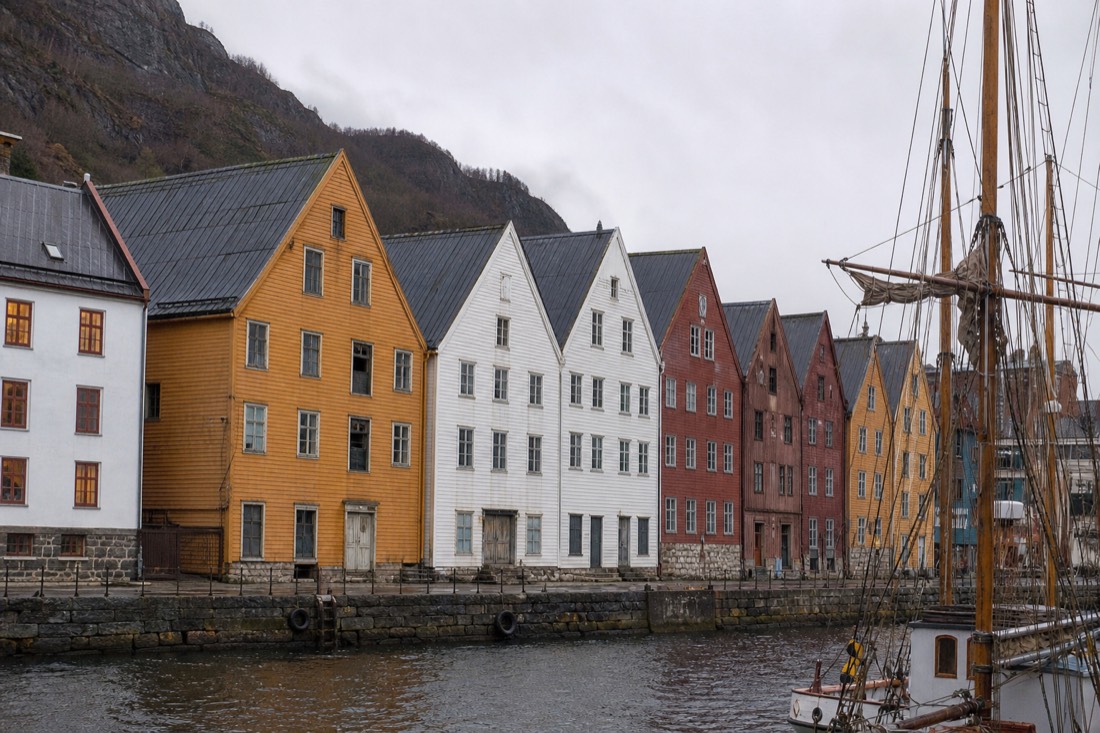
| Bryggen's alleys, Bergen | Walking the wooden lanes costs nothing |
| Aurora, if the sky cooperates | Visible from dark ground without a tour |
The last line comes with the honest caveat that tours exist because chasing clear sky works far better than standing still. Free viewing is real, but it is a worse bet on any given night.
How Do You Fit The Big Experiences Around The Weather?
Book the weather-dependent things first and early, and keep the less dependent on visibility ones in reserve. Aurora and whales can fail; trains and indoor museums can offer alternatives, but service disruption is still possible. Sequencing them that way is the whole trick.
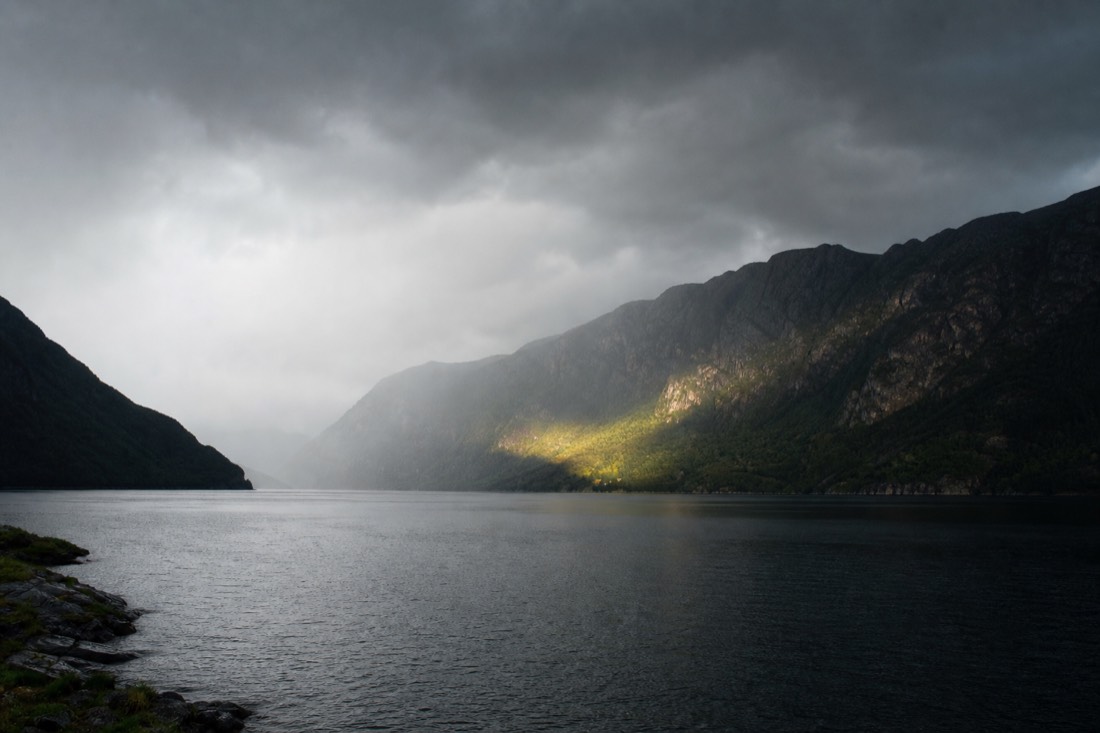
Norwegian itineraries succeed or fail on this single structural decision. The country gives you an unusual amount of all-weather infrastructure, which means you can afford to gamble on the conditional experiences if you keep the reliable ones as backup.
| Experience | Fails on weather? | When to schedule |
|---|---|---|
| Aurora chase | Yes, completely | First available night, plus spares |
| Whale watching | Sometimes; sea state | Early, with a spare day |
| Hiking the big rock formations | Yes, seasonally and daily | Flexible; watch the forecast |
| Fjord cruise | Rarely; sails year-round | Anytime |
| Flåm Railway and Bergen Line | No | Anytime |
| City museums | No | Your reserve days |
None of this requires spending more money, which is the encouraging part, and it is the advice most consistently ignored by people who then wonder why Norway felt crowded and expensive. Sequencing, timing and a willingness to move a booking are free, and between them they do more for a Norwegian trip than upgrading any single experience would.
Read the last two rows as your insurance policy. A trip with two museum days and a train journey still in hand on day five can absorb a bad forecast; one that has already spent them cannot.
How Do You Avoid The Crowds At The Famous Places?
Shift the clock rather than the destination. Cruise ships and coach tours arrive and leave on published schedules, so the same viewpoint at 08:00 or after 17:00 is often empty. Season matters too: September delivers July's scenery without July's queues.
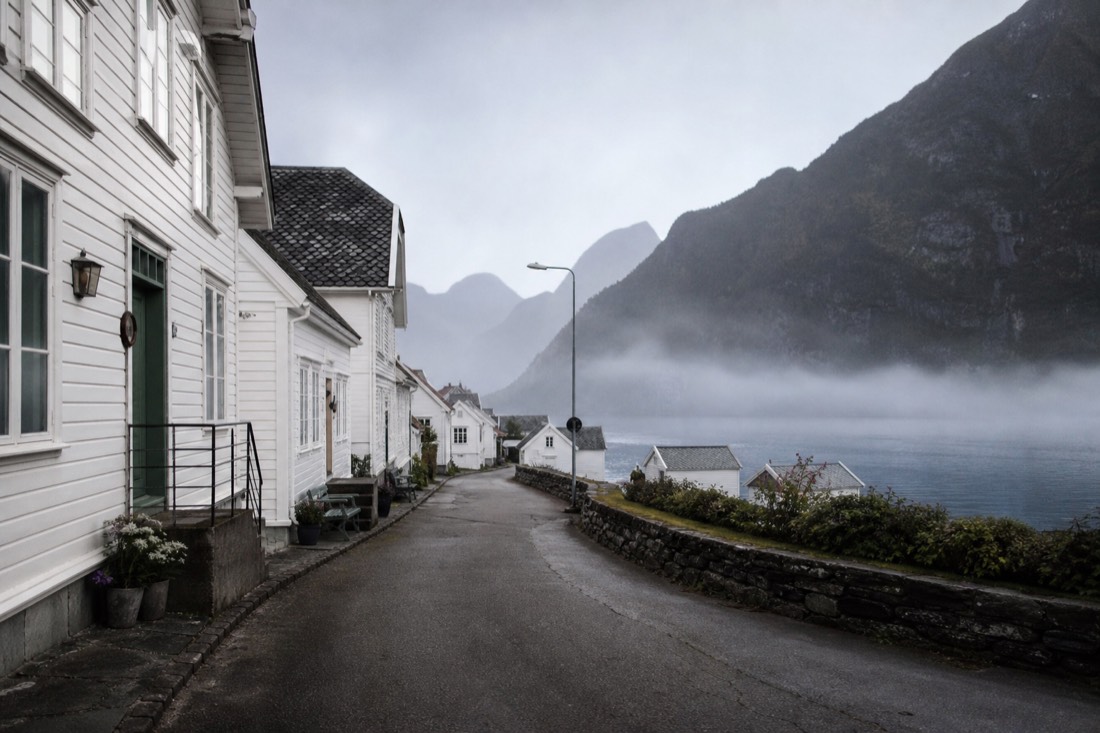
Norwegian crowding is concentrated, predictable and therefore avoidable. It clusters at a handful of sites, in a two-month window, during a six-hour daily band, which leaves a great deal of room for anyone willing to plan around it.
| Pressure point | When it peaks | How to dodge it |
|---|---|---|
| Geiranger village | Cruise-ship arrival days | Check schedules; visit on a clear day |
| Preikestolen trail | Late morning to mid-afternoon, summer | Start at first light |
| Flåm | Midday, when trains and ships converge | Stay overnight; evenings empty out |
| Bryggen, Bergen | Midday | Early morning, better light too |
| Reine, Lofoten | July and August | Late September, or winter |
| Vigeland Park, Oslo | Afternoons | Early or late; it never closes |
Weather-dependent first, less dependent on visibility last, is the whole rule, and it survives contact with almost every Norwegian itinerary.
The same logic applies to the order you book things in, not just what you book.
Booking directly with the platforms also keeps cancellation terms clear and comparable.
There is a middle category worth naming: experiences that are distinctive but available in a cheaper form. Husky sledding as a seated passenger costs less than driving your own team, a short harbour cruise delivers much of what a full-day fjord tour does, and the Bergen Line gives you high-plateau scenery for the price of a train ticket. Trading down within an experience usually beats cutting it.
Timing is the free lever that improves nearly everything. The same viewpoint, village or trail is a different experience at 08:00 than at 13:00, and being early costs nothing. Visitors who shift their day an hour or two ahead of the tour schedules consistently report better trips than those who spend more money.
Shoulder season does much of this work for you without any planning at all.
The Flåm row generalises well. Several Norwegian villages are day-trip destinations that empty completely in the evening, so an overnight stay converts a crowded stop into a quiet one at no extra travel cost.
Booking flexibility is the other quiet advantage. Most Norwegian day tours offer free cancellation up to 24 hours ahead, but the stated deadline, exclusions and new-date availability determine whether a change is possible without a charge. Travellers who use that actively, rather than booking everything rigidly months out, consistently get better weather on the experiences that need it.
The broader move is seasonal. More than half of Norway's visitors arrive between May and August, so a September trip changes the crowd arithmetic more than any amount of clever daily timing.
Which Cities Deserve Your Days?
Bergen earns a full day for its harbour, funicular and fjord access. Oslo earns one to two days for its museums and waterfront. Tromsø earns two or three in winter as the base for aurora, whales and sledding. Beyond those three, Norwegian towns are better treated as stops than as destinations.
Tromsø is the outlier, because it is not really a city break at all. It is a launch pad, and in winter almost everything worth doing there starts with a minibus leaving town after dark. Our guide to things to do in Tromsø treats it that way.
Oslo has been adding weight on the museum side, and the wider culture calendar keeps moving, with new openings listed by visitnorway.com each season. Still, if your week is short, the honest advice is to give the cities their single day each and put the rest into water, rail and mountain. That is the part of Norway no other country can hand you.
Choose Your Norway Experience
Guided tour - Viking Village, Nærøyfjord Cruise and Flåm Railway. Join the Nærøyfjord cruise, Flåm Railway and Viking village in one guided day. Have a date in mind? Check it before arranging the rest of your Norway trip.
10 hours 30 minutes. Round trip from Strandkaien 16, Bergen. Choose the English option. Food and drinks cost extra. This is a day trip, with no hotel night.
Choose a date to see scheduled departures. Final availability and price are confirmed on Viator.
No verified experience fits those requirements. Adjust your choices, or keep the independent plan described above.
Compare Options And Fit Your Plans
General recommendation until you choose. Choose the city where the activity starts, not your arrival airport. Month filters describe the experience’s season, not confirmed departures. Allow travel to the meeting point as well as the listed duration. Confirm your exact option and access needs when booking.
- Tromsø Northern Lights Chase We Go Where The Lights Appear: 9 hours. Follow a guide and photographer away from Tromsø in search of clearer northern-lights skies. Allow 6–9 hours and select English Guide. Meet at the stated Tromsø departure point. Thermal suits are a rental option; boots and full meals are not included. Sightings are not guaranteed.
- Guided hike to Pulpit Rock Preikestolen: 9 hours. Walk to Preikestolen with a local guide and transfers from Stavanger. Nine hours including transport. Stavanger hotel or Airbnb pickup is listed. Moderate fitness is required; bring your own lunch, water and hiking gear. A child fare alone does not establish hiking suitability.
- Geiranger Fjord Sightseeing Cruise : 75 min: 1 hour 15 minutes. See Geirangerfjord from the water on a 75-minute sightseeing cruise. Start and finish at Geiranger harbour. Arrive 15 minutes early. English audio guide; drinks cost extra. Allow separate travel time to Geiranger.
- Tromsø: Summer Evening Cruise with Activities: 5 hours. Sail through Tromsø’s fjords in the summer evening with a local guide and warm drinks. Five hours. Meet outside Polar Adventures 15 minutes early; hotel pickup is excluded. Midnight sun depends on the exact date and weather. Published age bands omit ages 13–16, so those ages need operator confirmation.
- Oslo Guided Food Tour with 5 Food Tastings and a Secret Dish: 3 hours. Taste Norwegian bolle, fishcake and other local dishes on a guided Grünerløkka food walk. Meet at Olaf Ryes Plass; finish at Kulturkirken Jakob. Three hours on foot. Menu can change. Dietary requests need advance confirmation; wheelchair access is not offered.