Things To Do In Oslo Beyond A Layover
Most visitors give Oslo one rushed day between flights, which is exactly how the city gets its undeserved reputation as a place to skip.
 Written with Lars Hansen, Norway Tour Packages Specialist & Experience Guide
Short answer
Give Oslo two full days. Spend the first on the harbour: the Opera House roof, Aker Brygge, a fjord boat and the MUNCH museum. Spend the second on Bygdøy's museums and Vigeland Park. Buy the Oslo Pass only if you plan three or more paid attractions per day.
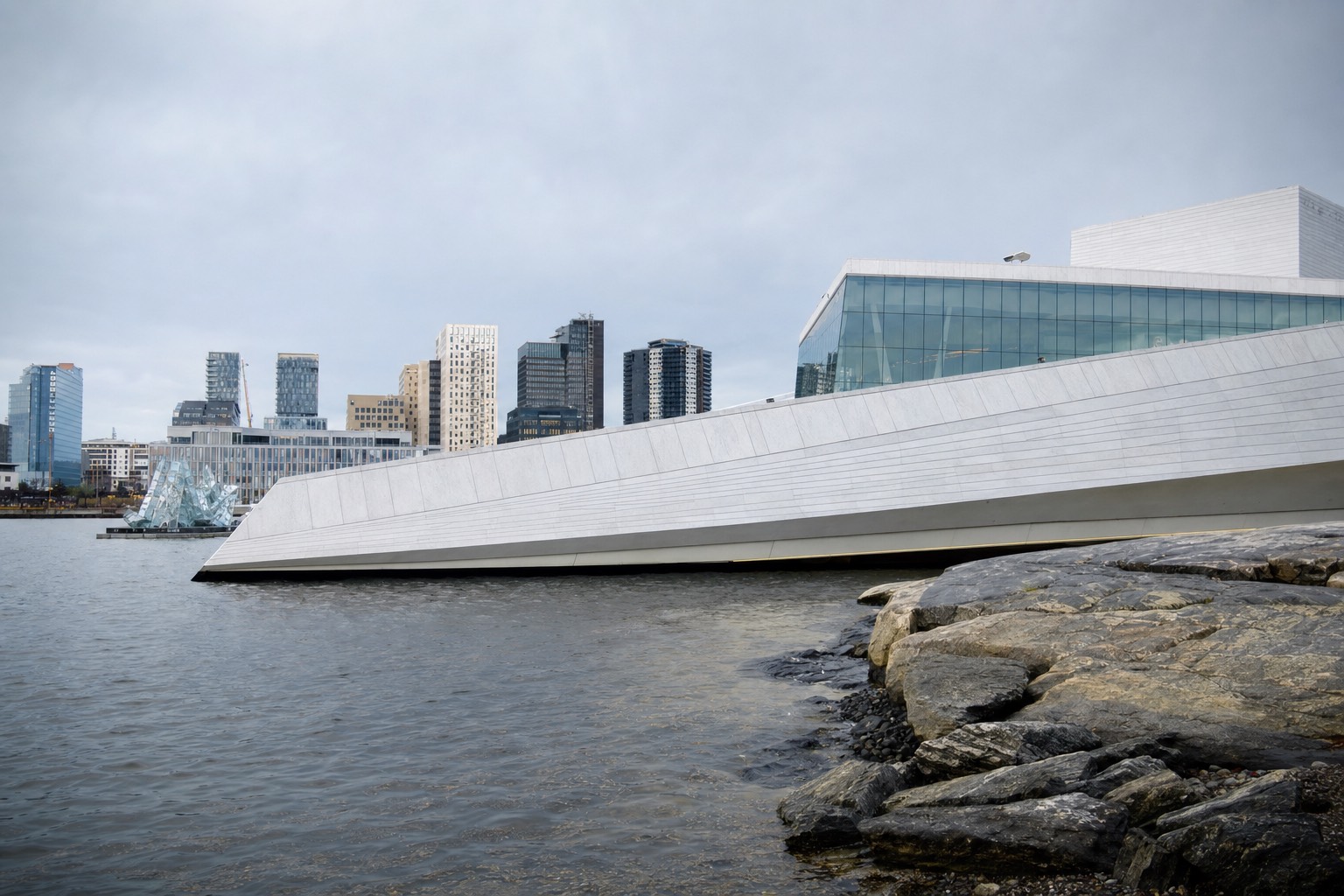
You can walk up the roof of the Oslo Opera House. Not a viewing platform, not a lift with a queue, the actual roof, white marble sloping straight out of the harbour water, normally free to access, subject to safety closures. That single design decision tells you what kind of capital this is. Oslo does not lead with grand boulevards or a medieval old town. It leads with water, wood, contemporary architecture and a museum density that punches far above a city of its size. The catch is that its highlights are scattered across three separate districts, so a badly planned day here feels like a lot of tram time and not much else.
Choose a museum day, neighbourhood walk or fjord evening before filling the spaces between them.
Booking choice: The guided Discovery route combines Fram and city sights in 5.5 hours. A shorter walk or dinner sailing suits a different time window. Explore Oslo Discovery Tour
What Should You See In Oslo If You Only Have One Day?
Start at the Opera House roof, walk the harbour past the Astrup Fearnley to Aker Brygge, take a fjord boat for an hour or two, then finish at MUNCH or the National Museum. That single loop covers the water, the architecture and the art without a single long transfer.
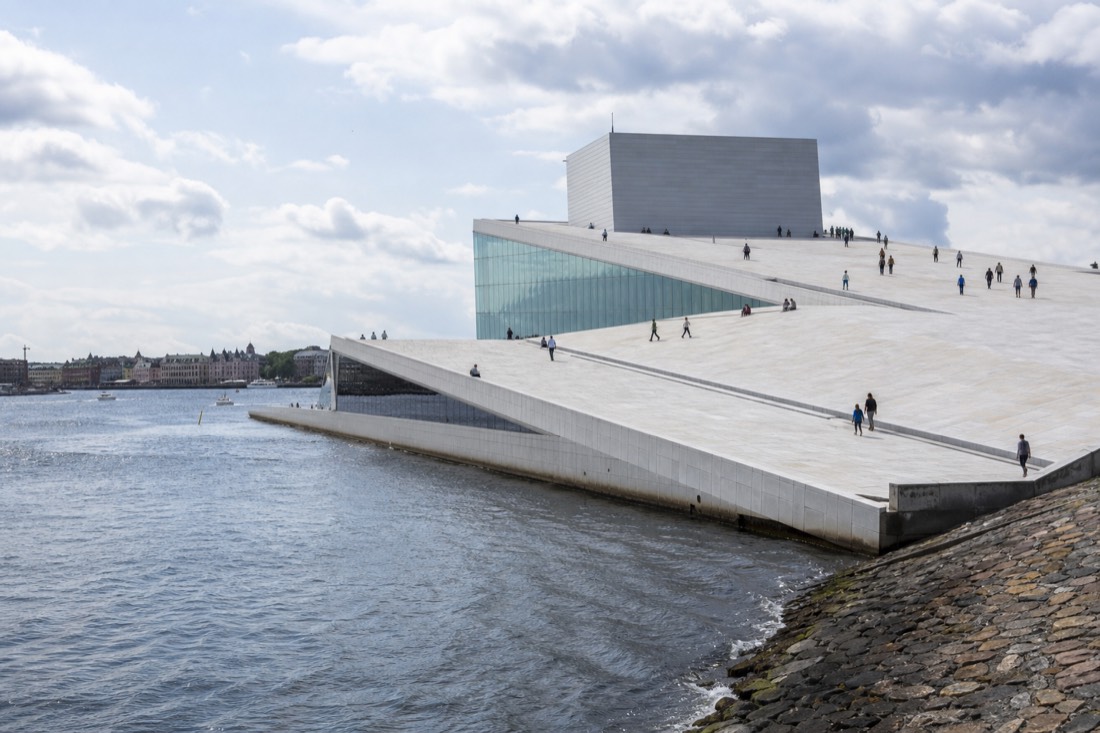
The reason this works is geography. Oslo's newest quarter, Bjørvika, sits directly on the water beside the central station, and almost everything built there in the last fifteen years is within a fifteen-minute walk of everything else. You land, you drop bags, you are already at the start of the route.
What breaks a one-day plan is Bygdøy. The peninsula holds the Fram, Kon-Tiki and Folk museums, and it is a genuine half day once you add the ferry or bus each way. Trying to bolt it onto a harbour day produces a rushed version of both. If you have one day, skip Bygdøy without guilt and save it for a return trip, or slot it in as part of a longer route like our seven-day Norway itinerary.
| Hour | Where | What you are doing |
|---|---|---|
| 09:00 | Bjørvika | Opera House roof, harbour promenade |
| 10:00 | Deichman library and Munch area | Free viewpoints, coffee, city orientation |
| 11:00 | MUNCH or National Museum | One major collection, not both |
| 13:30 | Aker Brygge or Vippa | Lunch on the water |
| 15:00 | Inner Oslofjord | Boat out among the islands |
| 17:30 | Grünerløkka | Bars, bakeries, second-hand shops |
| 20:00 | Central | Dinner, then the illuminated harbour |
Which Oslo Museums Are Actually Worth The Ticket?
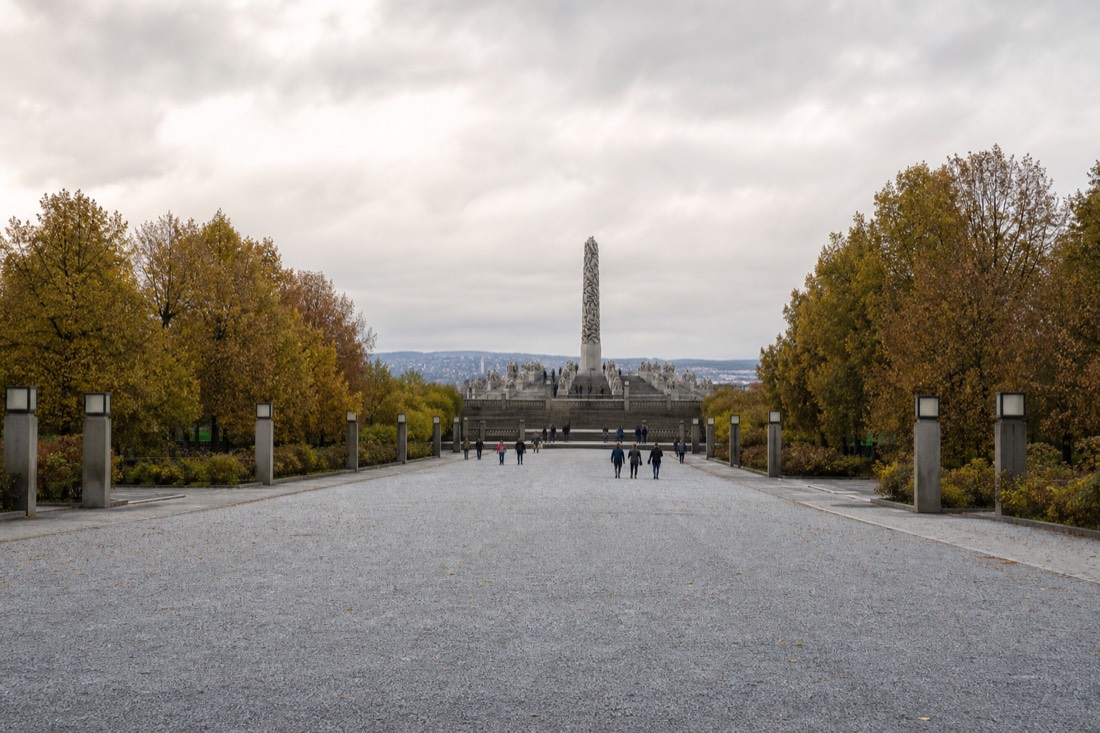
MUNCH and the National Museum are the two unmissable ones, holding the city's most famous paintings between them. On Bygdøy, the Fram polar ship and the Kon-Tiki raft are the standouts. Vigeland Sculpture Park is permanently free and open, so it never competes for museum budget.
Oslo's museum scene changed shape in the early 2020s when both the National Museum and a new MUNCH tower opened within a couple of years of each other. The result is a compact core of large, modern, well-labelled institutions rather than a scattering of small ones, which is good news if your time is short and bad news if you are trying to do them all in a day. Two major collections is the honest daily maximum before the fatigue sets in.
Bygdøy is the historical counterweight. The Fram is the wooden polar vessel that carried Norwegian expeditions further north and south than any ship of its era, displayed indoors, whole, with walkways inside the hull. The Kon-Tiki holds Thor Heyerdahl's balsa raft. Both are small enough to see properly in ninety minutes each.
| Museum | District | What draws people | Practical note |
|---|---|---|---|
| MUNCH | Bjørvika | The Scream and the wider Munch estate | Included with the Oslo Pass |
| National Museum | Aker Brygge side | Norway's largest art collection | Included with the Oslo Pass |
| Fram Museum | Bygdøy | Walk inside a polar exploration ship | Ferry or bus 30, half day with neighbours |
| Kon-Tiki Museum | Bygdøy | Heyerdahl's Pacific rafts | Next door to the Fram |
| Norwegian Folk Museum | Bygdøy | Open-air historic buildings, stave church | Best on a dry day |
| Vigeland Park | Frogner | Hundreds of sculptures outdoors | Free, open all hours |
Is The Oslo Pass Worth It?
Only if you are moving fast. The adult Oslo Pass costs 580 NOK for 24 hours, 845 NOK for 48 hours and 995 NOK for 72 hours as of the January 2026 update. It covers public transport plus free entry to more than thirty museums and attractions, including MUNCH and the National Museum.
The arithmetic is straightforward. Divide the pass price by its length and compare that daily figure against what you would otherwise spend. The 72-hour version works out cheapest per day by a wide margin, which flips the usual advice: if you are staying three days and museum-hopping, the longest pass is the one that pays. For a single day with two museums and a couple of tram rides, walk-up tickets usually win.
| Pass | Price (adult) | Cost per day | Makes sense if |
|---|---|---|---|
| 24 hours | 580 NOK | 580 NOK | You hit three or more paid sights in one day |
| 48 hours | 845 NOK | 423 NOK | You have two museum-heavy days plus transport |
| 72 hours | 995 NOK | 332 NOK | You are staying three days and using trams daily |
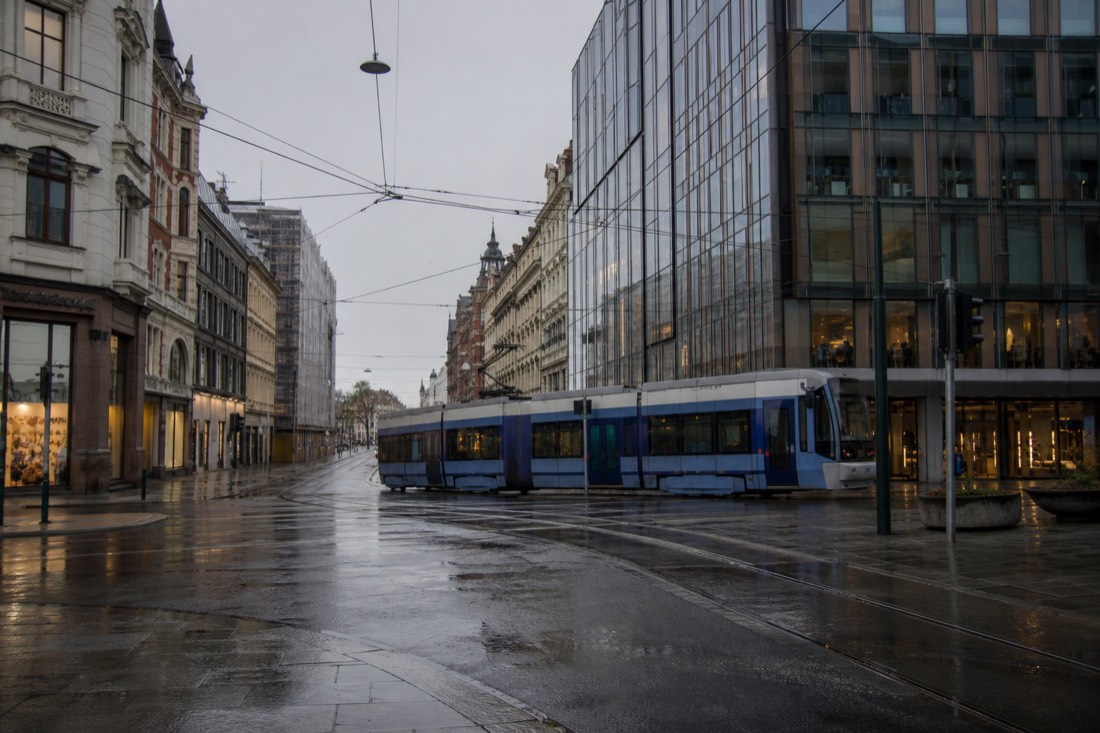
Two details change the calculation. Transport is bundled, so if you are commuting from a suburb hotel or riding out to Bygdøy and Holmenkollen, that alone eats a chunk of the price. And the included list moves, so check the current attraction roster on the official Oslo Pass page before buying rather than assuming last year's list still holds.
What Is The Best Way To See The Oslofjord From The Water?
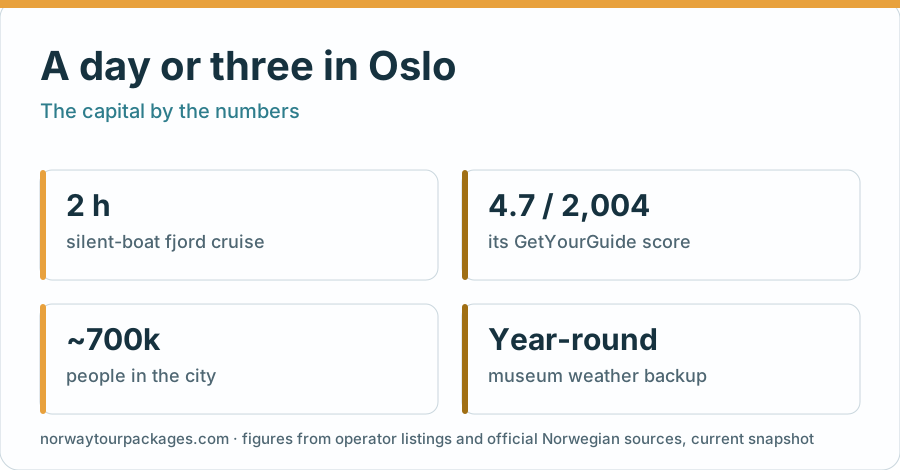
Take a boat. The inner Oslofjord is a shallow, island-scattered stretch of water that looks completely different from sea level, and the quiet electric sightseeing boats are the pick because you hear the shoreline instead of a diesel engine. Two hours covers the islands and the harbour front.
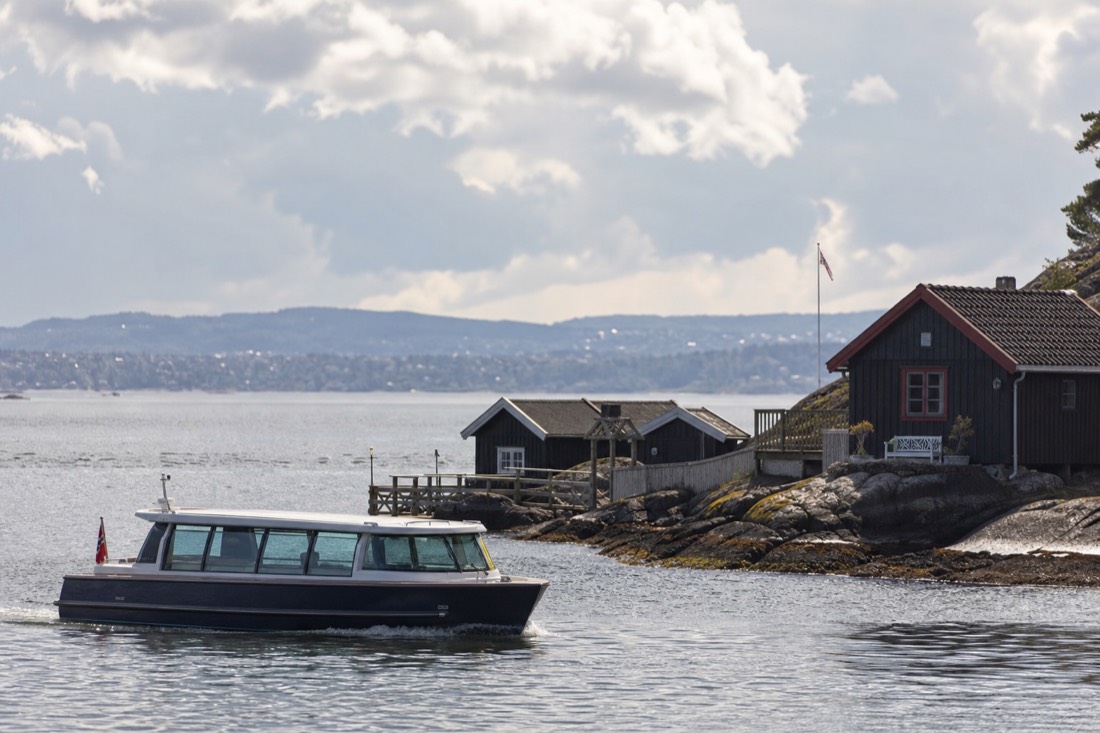
Oslo's fjord is not the vertical, cliff-walled kind you find further west. It is broad, low and dotted with summer islands that locals swim off in July, and the appeal is the contrast: a capital city skyline on one side, cabins and pine on the other, twenty minutes apart. The public ferries to Hovedøya and the other islands are the budget version and cost the price of a transport ticket. A dedicated sightseeing sailing gives you commentary, a route past the harbour architecture and a boat designed for looking rather than commuting.
Related planning: full set of fjord sailings we track.
Where Should You Eat In Oslo Without Spending A Fortune?
Head for the food halls and bakeries. Mathallen and the Vippa hall put a dozen kitchens under one roof at counter prices, bakeries do a solid open sandwich for a fraction of restaurant cost, and Oslo tap water is excellent, so bottled water is money thrown away.
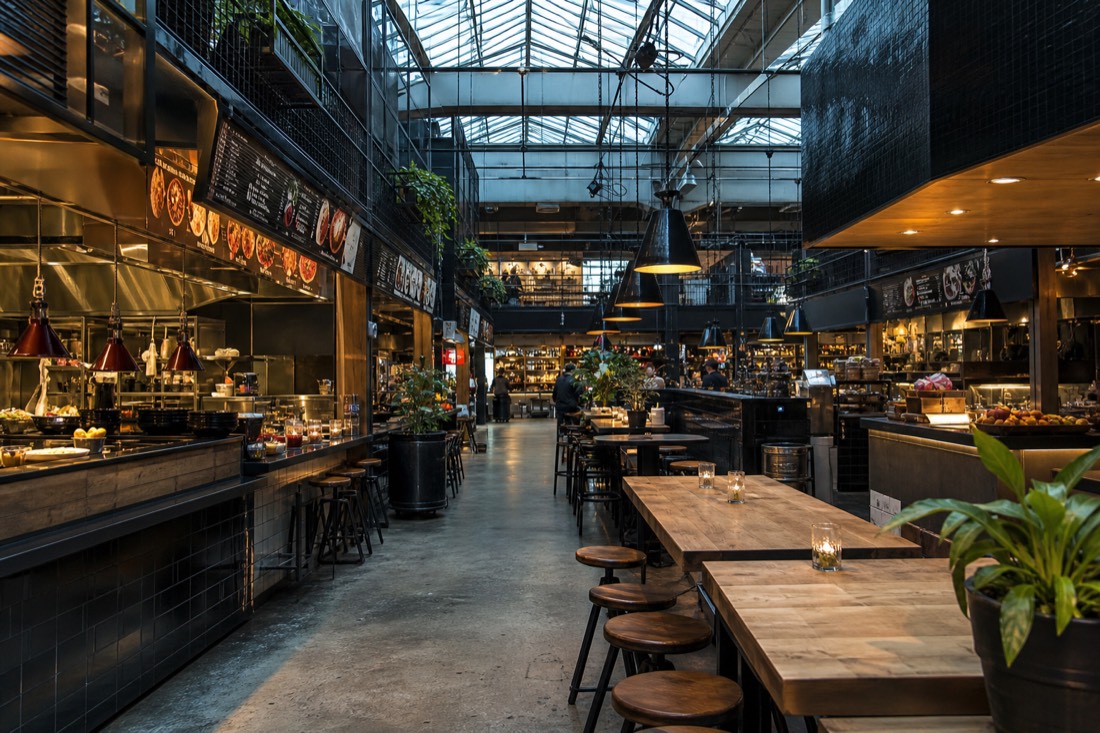
Norway is expensive and pretending otherwise helps nobody, but the gap between a sit-down dinner and a food-hall plate is enormous. The other reliable saving is timing: many kitchens run a cheaper lunch service with the same produce. Cards and Apple Pay work almost everywhere, including tiny bakeries and island ferries, so carrying cash is optional to the point of pointless. Tipping is not expected, though 5 to 15% for genuinely good table service is normal.
Seafood is the one splurge worth making. Oslo's fish counters run on the same supply chain as the coastal towns, and a shrimp sandwich at the harbour costs a fraction of a restaurant main.
What Changes In Oslo Between Summer And Winter?
Summer opens the islands, the outdoor bars and the swimming spots, and daylight runs past 10pm. Winter closes the beaches but adds ski trails inside the city limits, Christmas markets and a genuinely usable sledding run at Korketrekkeren. Museums and boats run in both seasons.
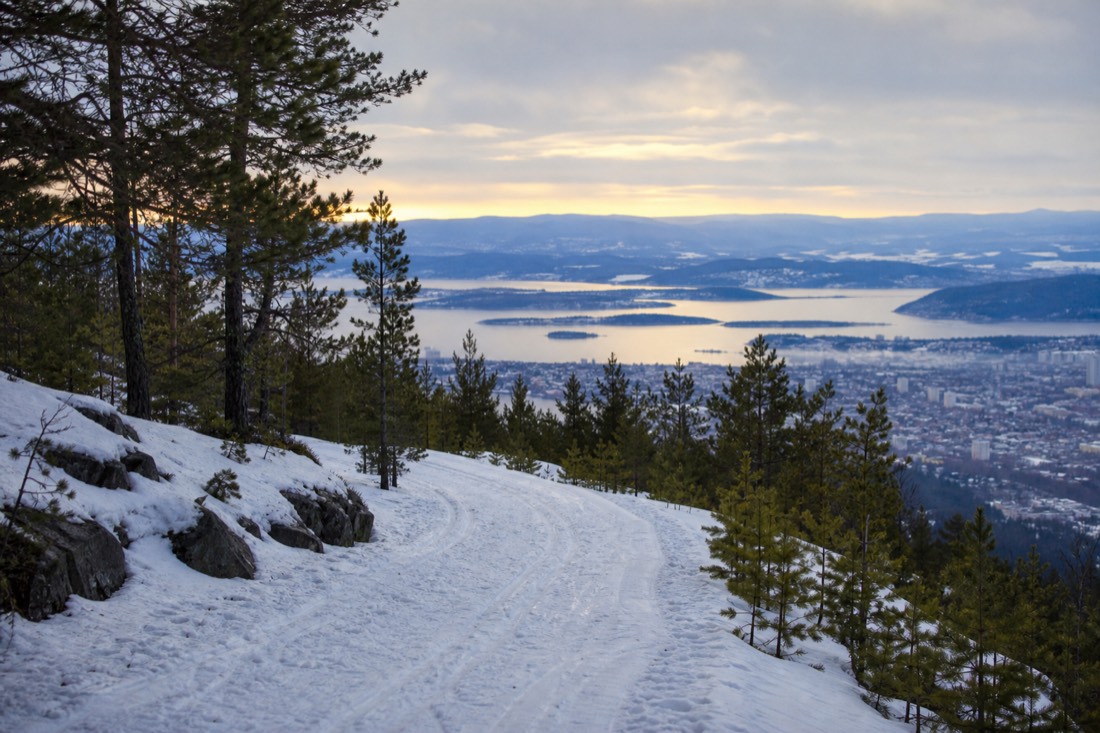
The thing outsiders miss is that Oslo's metro runs uphill into the forest. Line 1 climbs to Frognerseteren, where in winter you step off into groomed cross-country trails and in summer into hiking and lake swimming, all on a standard transport ticket. Few capitals hand you that.
| Season | What opens | What closes | Daylight |
|---|---|---|---|
| Jun to Aug | Island ferries, outdoor swimming, harbour bars | Ski trails | Very long, light past 10pm |
| Sep to Oct | Autumn forest walks, quiet museums | Swimming, some island services | Shortening fast |
| Nov to Dec | Christmas markets, first snow trails | Reduced island timetables; check your route | Short, dark by mid afternoon |
| Jan to Mar | Cross-country skiing, Korketrekkeren sledding | Outdoor dining | Lengthening, bright snow light |
| Apr to May | Parks, café terraces reopen | Reliable snow cover | Long and rising |
How Should You Sequence An Oslo Day So Nothing Is Shut When You Arrive?
Museums cluster on Bygdøy and around the centre with different closing days, so sequence by geography and opening hours rather than interest. Start with the outdoor sights such as Vigeland and the Opera House roof, checking any safety closures, then use museum hours as the fixed points the rest of the day bends around.
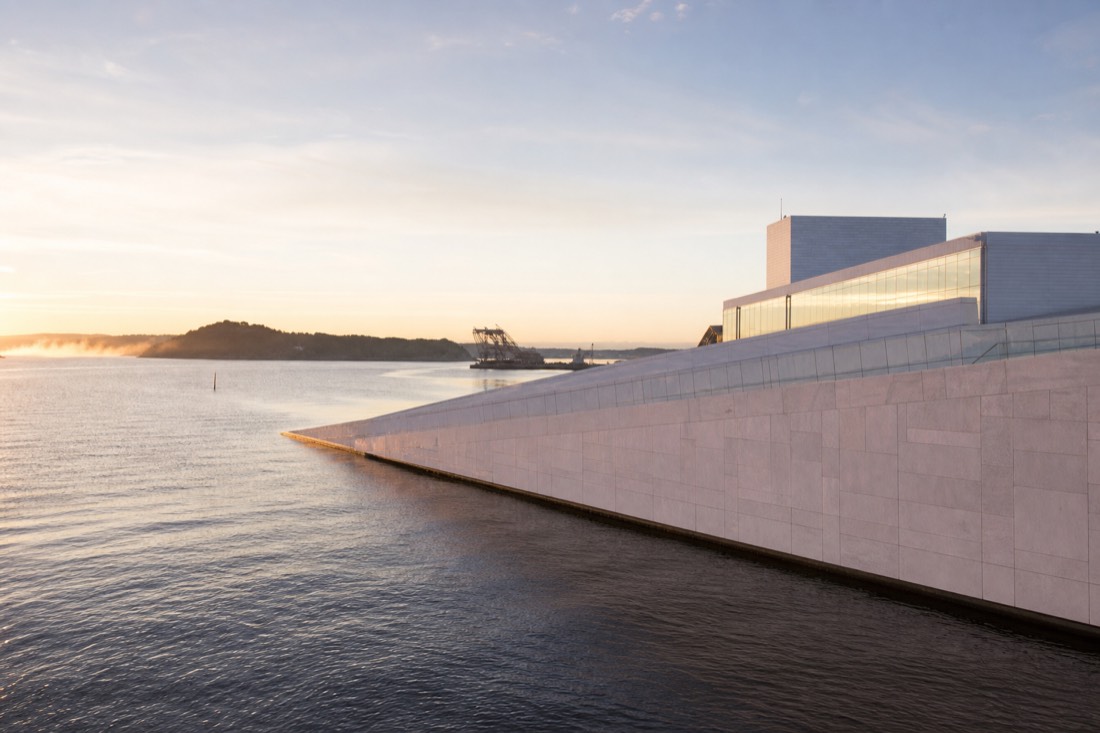
Oslo punishes improvisation less than most capitals because the centre is walkable and the ferries are frequent, but a badly ordered day still wastes an hour crossing the city twice. The two anchors worth building around are the Bygdøy museum peninsula, reached by ferry in summer or bus year-round, and the harbour strip from the Opera House to Aker Brygge.
| Time block | What fits | Why here |
|---|---|---|
| Early morning | Opera House roof, harbour walk | Free, outdoors, empty before the crowds |
| Late morning | Bygdøy museums by ferry or bus | Museum hours are the constraint |
| Lunch | Mathallen or a harbour bakery | Between the two clusters |
| Afternoon | Munch, the National Museum, or Akershus | Central, indoor, less dependent on visibility |
| Late afternoon | Vigeland Sculpture Park | Best light, always open, never charges |
| Evening | Fjord cruise or Aker Brygge dinner | Silent boats sail into the evening in summer |
Vigeland in particular is worth saving for late: it is an open park with no ticket and no closing time, so it absorbs whatever the rest of the day leaves over.
Is Oslo Worth More Than A Stopover On A Fjord Trip?
Two nights is the honest sweet spot. One day covers the headline sights, and the second unlocks the things that make Oslo distinct: the museum density, the island-dotted fjord on its doorstep and a food scene that has quietly outgrown its reputation. Beyond three nights, the fjords are calling.
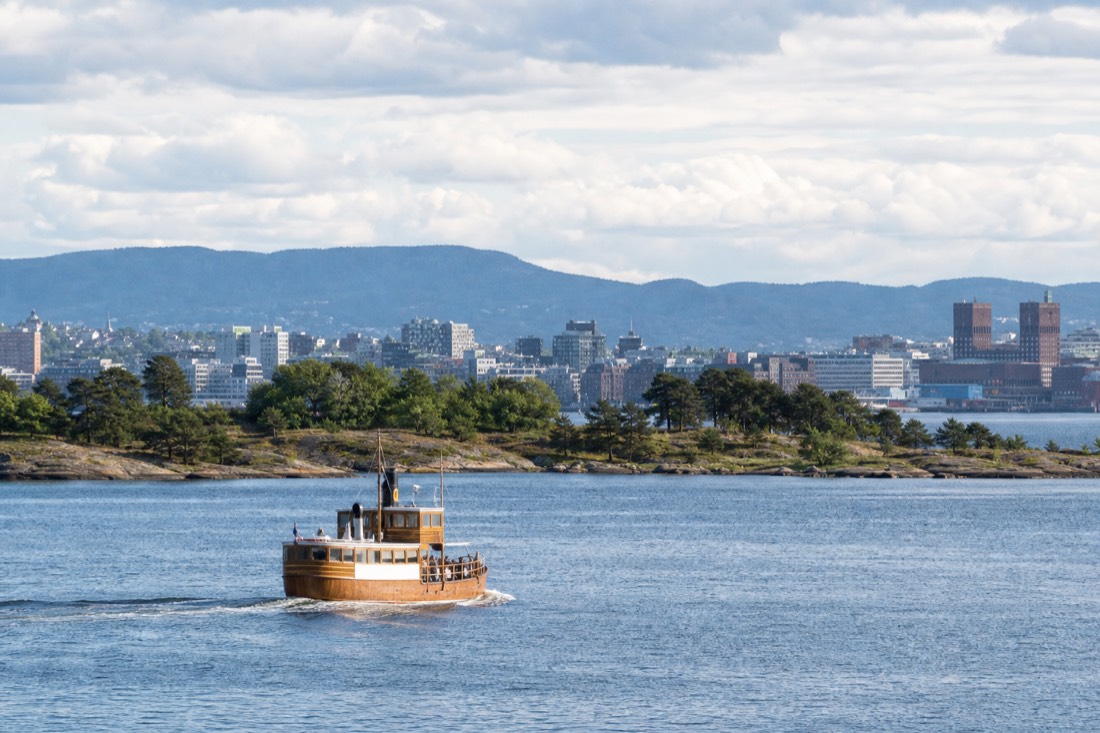
Plenty of itineraries treat Oslo as an airport with a castle attached. That undersells it, but the opposite error is worse: spending four days in Oslo on a seven-day trip means seeing Norway's cities rather than Norway. The city's own fjord is the tiebreaker for many people, because a two-hour silent-boat cruise from the centre delivers island scenery without a single transfer.
| Nights in Oslo | What you get | Who it suits |
|---|---|---|
| Stopover only | Opera House, a walk, a meal | Anyone tight on days heading west |
| One night | The headline circuit, rushed | Standard first-timer compromise |
| Two nights | Museums plus the fjord, unhurried | The recommendation for most trips |
| Three nights | Neighbourhoods, day trips, slower food | Repeat visitors and city travellers |
| Four or more | Diminishing returns | Only if Oslo is the destination |
If you are weighing the capital against the west coast, our Oslo or Bergen comparison puts the two side by side on weather, cost and character rather than assuming you must choose.
What Does Lars Tell Visitors To Skip In Oslo?
Skip the Oslo Pass unless you are genuinely doing three or more paid attractions in a day, skip the hop-on bus in a city this walkable, and skip eating on the main tourist strip. The savings fund the fjord cruise, which is the thing people remember.
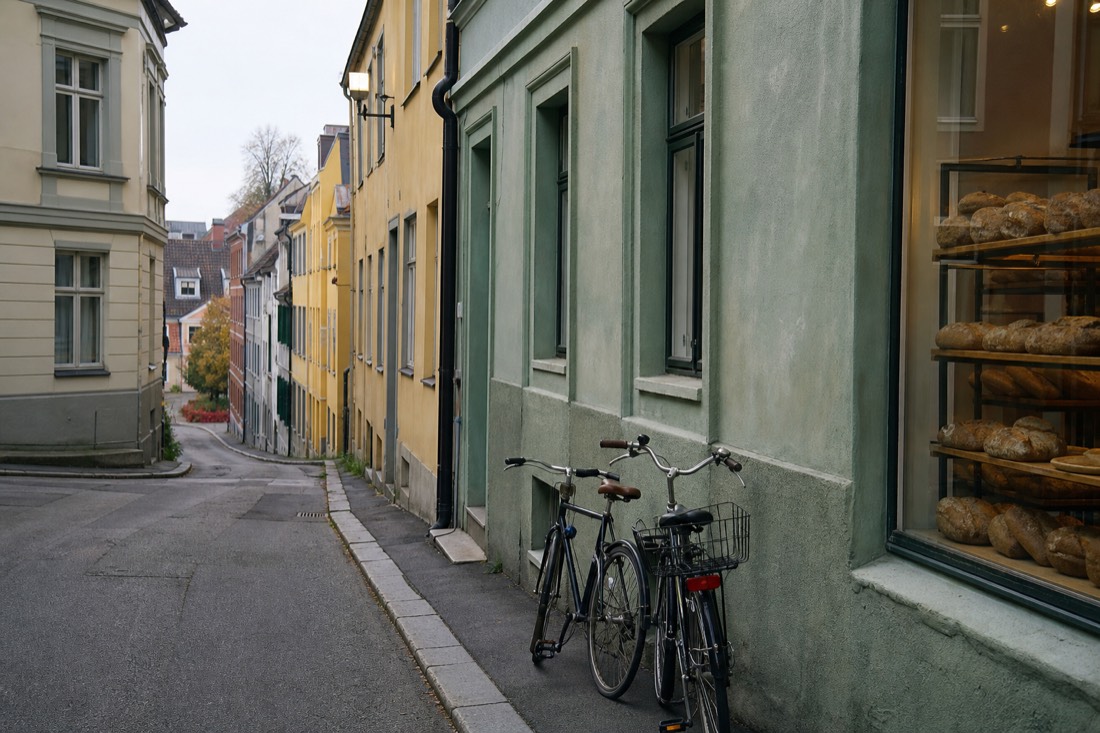
Oslo is compact enough that most sightseeing infrastructure aimed at visitors solves a problem the city does not have. Lars has spent a decade watching people buy convenience they never use, then economise on the one experience that would have made the day distinctive.
| Commonly bought | Whether it earns its place | Better use of the money |
|---|---|---|
| Oslo Pass, casual sightseer | Rarely; you need three-plus paid sites daily | Pay per museum you actually enter |
| Hop-on hop-off bus | Seldom; the centre walks in 25 minutes | Walk, then a fjord cruise |
| Karl Johans gate restaurants | Tourist pricing, ordinary food | Mathallen or a neighbourhood bakery |
| Taxis across the centre | Expensive and slower than walking | Tram, or your feet |
| Airport taxi | Several hundred kroner | The direct airport rail link |
The one genuine splurge Lars does recommend is getting out onto the water. Oslo sits on its own fjord, and a two-hour sightseeing cruise from the centre changes how the city reads, from a compact capital into a place built around islands.
What Is Worth Doing In Oslo When It Rains?
Oslo is unusually rain-proof: the major museums, the Opera House interior, Mathallen food hall and the harbour arcades all work in weather. The Munch museum and the National Museum alone can absorb most of a wet day.
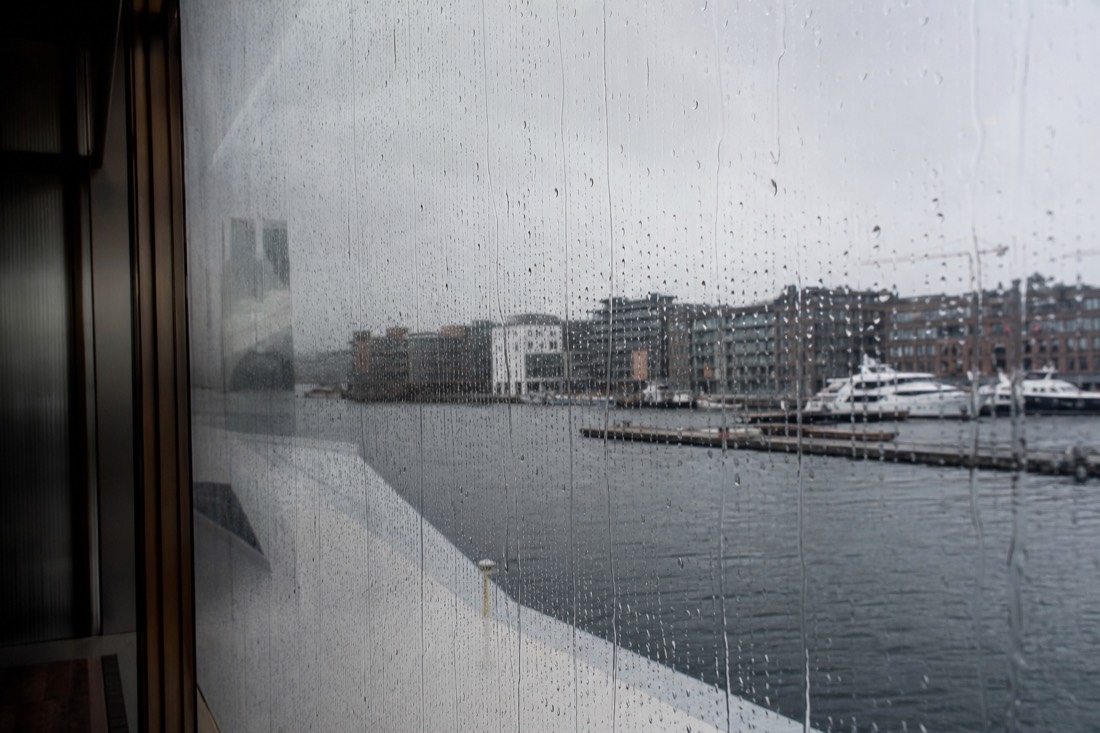
Rain is not an edge case in Norway, it is a planning input. Oslo handles it better than Bergen does, largely because the museum density is high and the distances between shelters are short.
| Wet-weather option | Time it absorbs | Note |
|---|---|---|
| National Museum | Two to three hours | The largest art museum in the Nordics |
| Munch museum | Two hours | Purpose-built, on the waterfront |
| Bygdøy museums | Half a day | Indoor, though the ferry ride is exposed |
| Mathallen food hall | One to two hours | Good rainy-day lunch |
| Opera House interior | One hour | The roof is better dry, the inside works wet |
| Fjord cruise on a covered boat | Two hours | Silent boats have indoor seating |
The last row surprises people. A fjord cruise in light rain is perfectly comfortable on a boat with indoor seating, and the low cloud over the islands is arguably better looking than a flat blue sky.
How Does Oslo Fit Into A Longer Norway Trip?
Use Oslo as the front or back end of a rail journey. The Bergensbanen to Bergen takes roughly six and a half to seven and a half hours across the mountain plateau and is a sight in itself. Two Oslo days plus that train is the cleanest way to link the capital to the fjords.
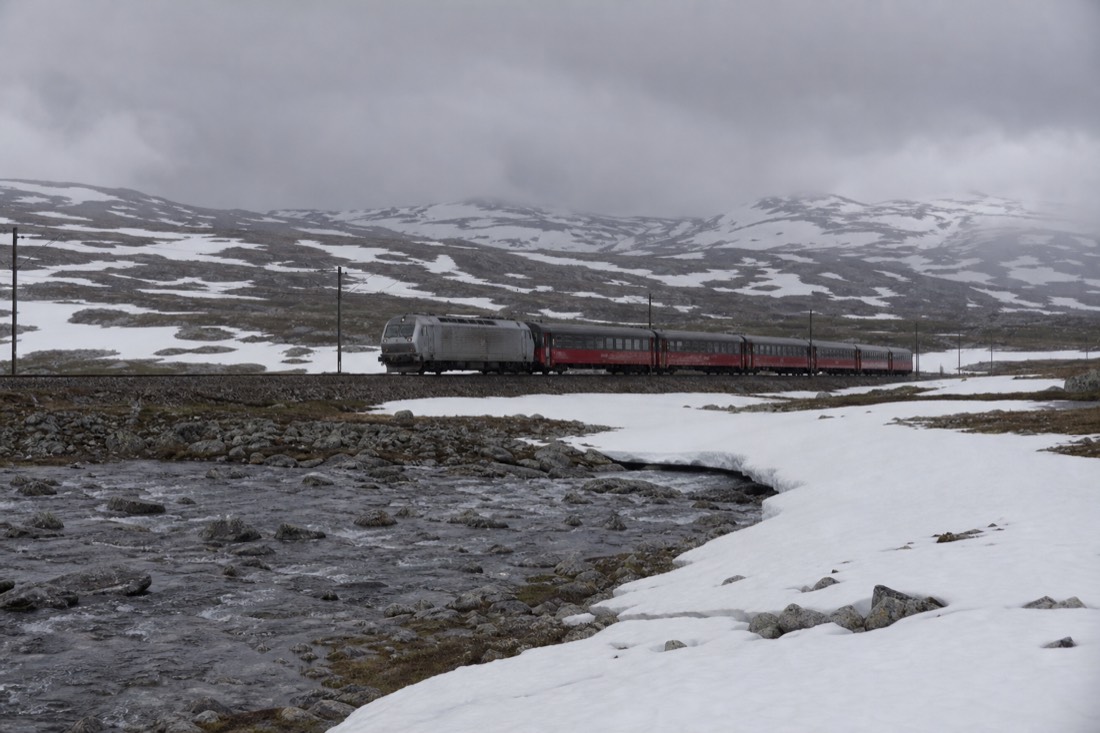
Most itineraries treat Oslo as an arrival airport and nothing more, which is a mistake mainly because the rail link out of it is so good. Advance fares from Vy drop sharply when booked early, and the crossing over the Hardangervidda plateau delivers scenery that most people pay separately for. From Bergen you are positioned for the western fjords without a single internal flight.
If you are deciding which of the two cities gets the bigger share of your week, we lay out the trade-offs in Oslo or Bergen, and the case for Bergen's own sights sits in our Bergen guide. The short version: Oslo wins on museums, food range and green space, Bergen wins on setting and fjord access. Neither needs more than two days on a first visit, and the official city listings at visitnorway.com will tell you what is closed on the exact dates you are travelling.
Choose Your Norway Experience
Oslo Discovery Tour. Combine Vigeland Park, the Fram Museum and Norwegian cultural history with a guided coach route. Have a date in mind? Check it before arranging the rest of your Norway trip.
5 hours 30 minutes. 5.5 hours from Haakon VIIs gate 1. Folk Museum may be replaced by Kon-Tiki on Mondays and selected October–April dates. Walking, steps and uneven ground are involved; food and hotel pickup are excluded.
Choose a date to see scheduled departures. Final availability and price are confirmed on Viator.
No verified experience fits those requirements. Adjust your choices, or keep the independent plan described above.
Compare Options And Fit Your Plans
General recommendation until you choose. Choose the city where the activity starts, not your arrival airport. Month filters describe the experience’s season, not confirmed departures. Allow travel to the meeting point as well as the listed duration. Confirm your exact option and access needs when booking.
- Central Oslo Guided Walking Tour with Local Guide: 2 hours. Get oriented in central Oslo on a two-hour walk with an English-speaking local guide. Two hours from the tiger statue outside Oslo Central Station to the Royal Palace. Select the English time option. Outdoor walking only; no admission inside buildings. Not recommended for poor cardiovascular health.
- Oslo Guided Food Tour with 5 Food Tastings and a Secret Dish: 3 hours. Taste Norwegian bolle, fishcake and other local dishes on a guided Grünerløkka food walk. Meet at Olaf Ryes Plass; finish at Kulturkirken Jakob. Three hours on foot. Menu can change. Dietary requests need advance confirmation; wheelchair access is not offered.
- Oslo fjord 3-Course Dinner Cruise with Live Music: 2 hours 30 minutes. Combine an Oslofjord evening with a three-course dinner and live music. Meet at Rådhusbrygge 2, before PIREN, 15 minutes early. Tell the operator about dietary restrictions at least 24 hours ahead; a special diet is not automatically confirmed.
- Oslo Grünerløkka Food & Culture Walking Tour: 2 hours 30 minutes. Taste Norwegian cured meats, cheese, salmon lefse and waffles while exploring Grünerløkka. Meet at Mathallen’s courtyard entrance in Vulkan; return to the meeting point. About 2.5 hours on foot. Not wheelchair accessible; dietary suitability is unconfirmed.