What Is The 23/5 Rule In Norway? Education Entry And Outdoor Access Explained
The 23/5 rule concerns higher-education entry, not outdoor access. Learn the distinction and the separate right-to-roam rules visitors need.
 By Lars Hansen, Norway Tour Packages Specialist & Experience Guide
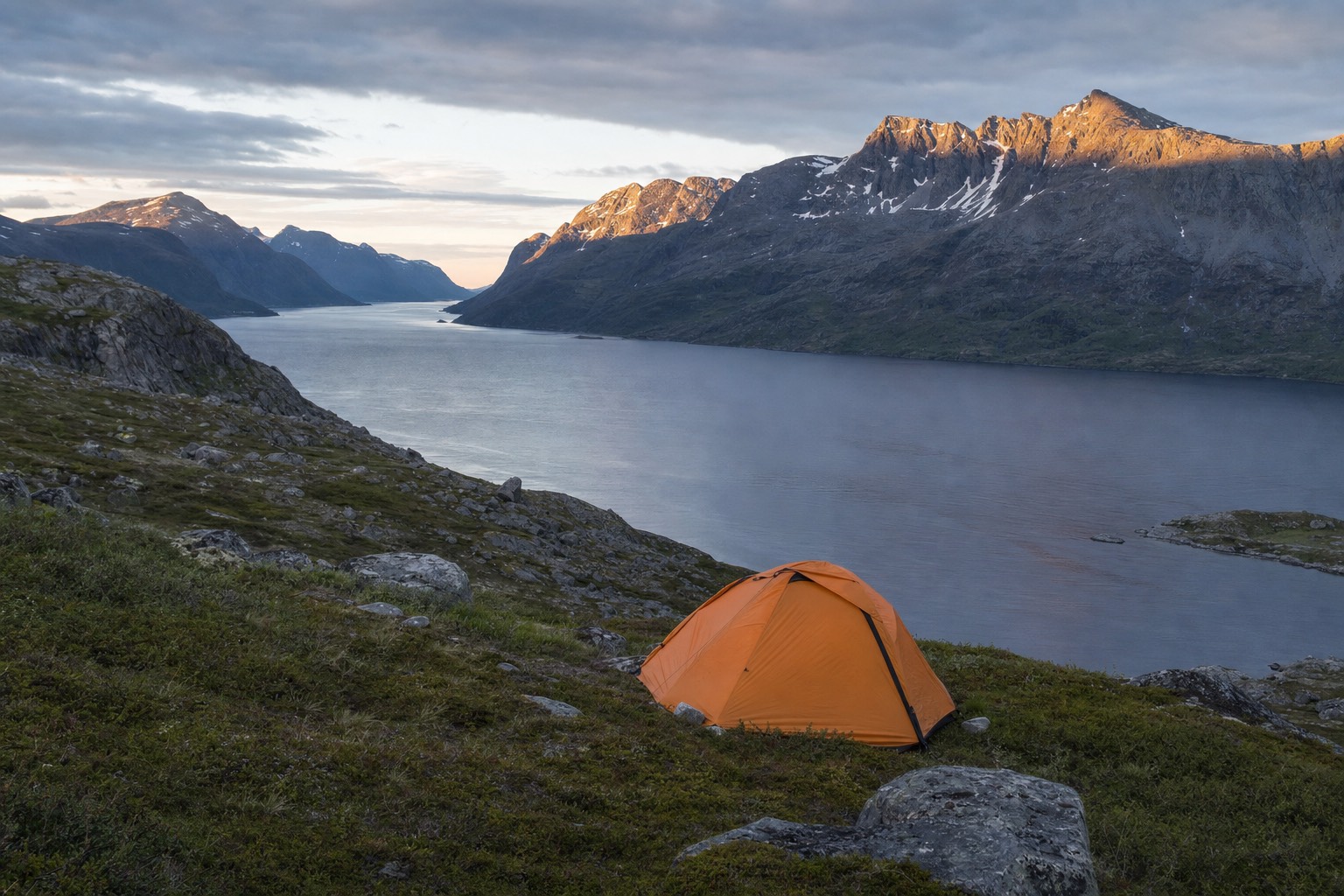
The 23/5 rule is a route to general admission eligibility for higher education in Norway, not a camping rule or a name for the right to roam. Applicants must meet its age, education/work and subject requirements. Outdoor access is a separate topic; the rest of this guide explains those practical rules for visitors.
The 23/5 rule concerns education entry. The outdoor sections below cover a separate topic: Norway’s right to roam and ways to experience it.
Booking choice: For the outdoor part of a winter Tromsø visit, a beginner ski lesson provides equipment and instruction. It has no connection to education admissions. Explore Cross-Country Ski Lesson for Beginners in Tromso
What Is The 23/5 Rule In Norway?
The 23/5 rule concerns higher-education entry: turn 23 in the application year, meet the five-year full-time education/work requirement and pass Norwegian, English, mathematics, natural science, history and social studies. It has no connection to allemannsretten.
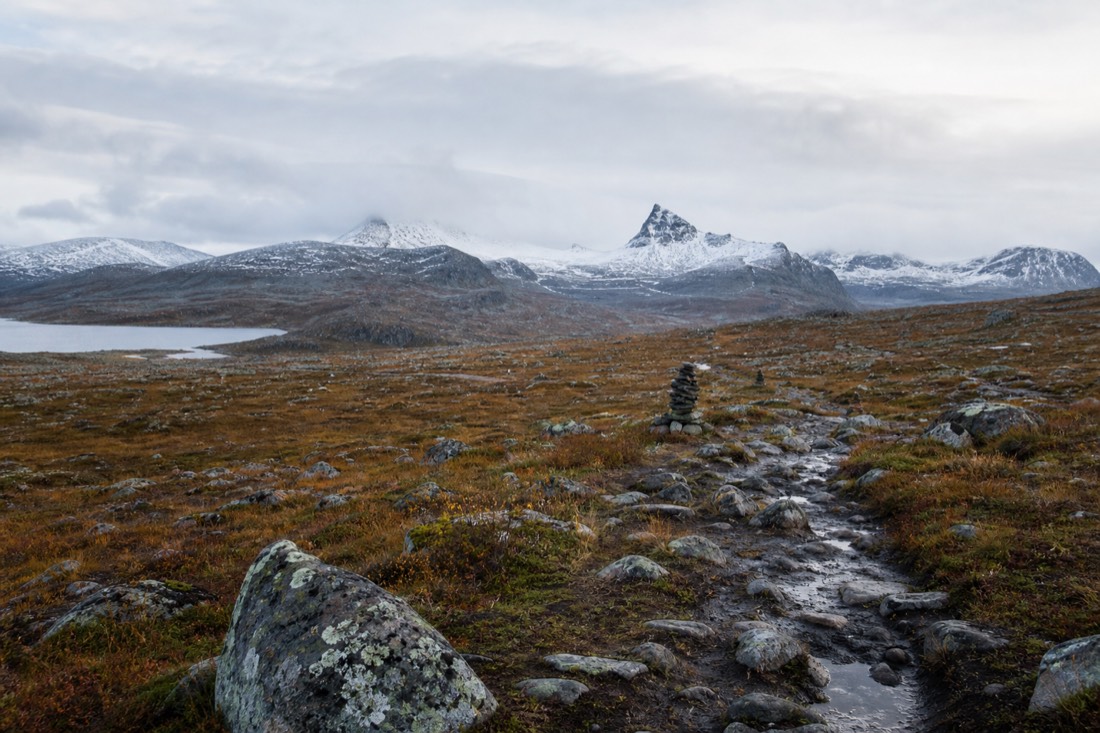
Utdanning.no explains the 23/5 requirements, including how qualifying work and education are counted. Changes toward a 23/6 route are scheduled from 2027, so applicants should check the rules for their application year. The outdoor-access discussion below is separate and applies to travel rather than education admissions.
The separate outdoor-access numbers below are useful when planning a visit. They are not the 23/5 education requirements.
| The number | What it governs | Applies to |
|---|---|---|
| 150 metres | Minimum distance from any inhabited house or cabin when camping | Everyone, residents and visitors |
| 2 nights | Maximum stay in one spot without asking the landowner | Most uncultivated land |
| 15 April to 15 September | Period when open fires are banned in or near forest | The whole country |
| No fee | Cost of exercising the right to roam | Everyone |
What Does Allemannsretten Actually Let You Do?
It allows hiking, skiing, swimming, cycling, foraging and tent camping on uncultivated land, regardless of who owns it. The right is protected by the Outdoor Recreation Act and costs nothing. It comes with obligations rather than exceptions: leave no trace, close gates, and respect crops and privacy.
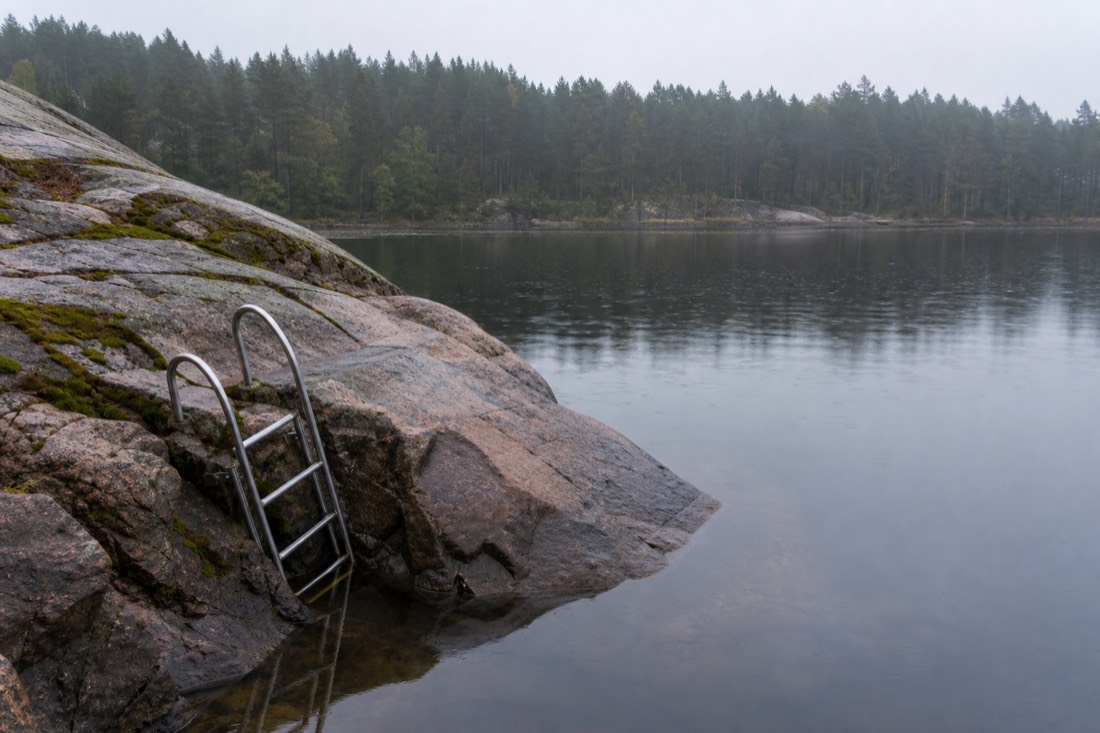
The distinction that does all the work is utmark versus innmark. Uncultivated land, utmark, is open to everyone. Cultivated land, innmark, is not, and that category is broader than a field of wheat: it includes gardens, house plots, farmyards and land under cultivation. Visit Norway's right of access page sets out where the line falls in practice.
| Activity | Uncultivated land (utmark) | Cultivated land (innmark) |
|---|---|---|
| Walking and hiking | Yes, freely | No, except frozen or snow-covered ground in winter |
| Pitching a tent | Yes, subject to distance and time limits | No, without the landowner's permission |
| Swimming and boating | Yes | Access route must avoid private plots |
| Picking berries and mushrooms | Yes | No |
| Lighting a fire | General 15 April–15 September ban in or near forest and uncultivated land; narrow no-fire-risk exception and local rules apply | No |
| Driving off-road | No | No |
Foraging deserves a note. Berries, mushrooms and wildflowers are open to anyone across most of the country, with tighter rules on cloudberries in the far north. That single provision explains a large slice of Norwegian late-summer behaviour.
Where Can You Legally Pitch A Tent, And For How Long?
On uncultivated land, at least 150 metres from the nearest inhabited house or cabin, for a maximum of two nights in the same spot. Beyond two nights you ask the landowner. In the mountains, far from housing, the time limit relaxes in practice as long as you leave no trace.
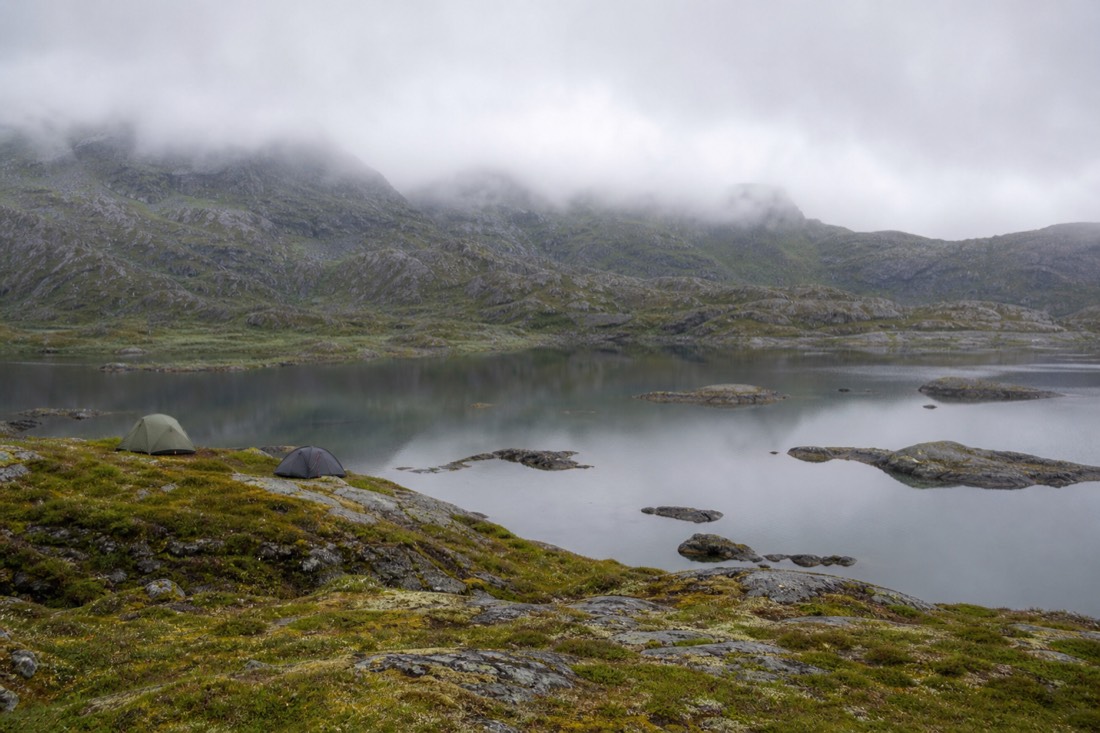
Those are the numbers behind the freedom. Fifty metres will not do, and neither will a week in the same clearing above a village. National parks and protected areas can add their own restrictions on top, and a handful of heavily used spots near cities now carry local limits because volume broke the assumption the law was built on.
The fire rule catches more visitors than the camping rule does. From 15 April to 15 September, open fires in or near forest are prohibited nationally, which covers the entire hiking season most travellers use. Check local fire restrictions before using any stove; a gas stove is not a blanket exemption.

What Is Friluftsliv, And Why Does It Shape The Rules?
Friluftsliv translates roughly as open-air living, and it describes ordinary time spent outdoors rather than sport or adventure. It explains why the right to roam survives politically: Norwegians use it constantly, in every season, and treat access to uncultivated land as basic infrastructure rather than a leisure privilege.
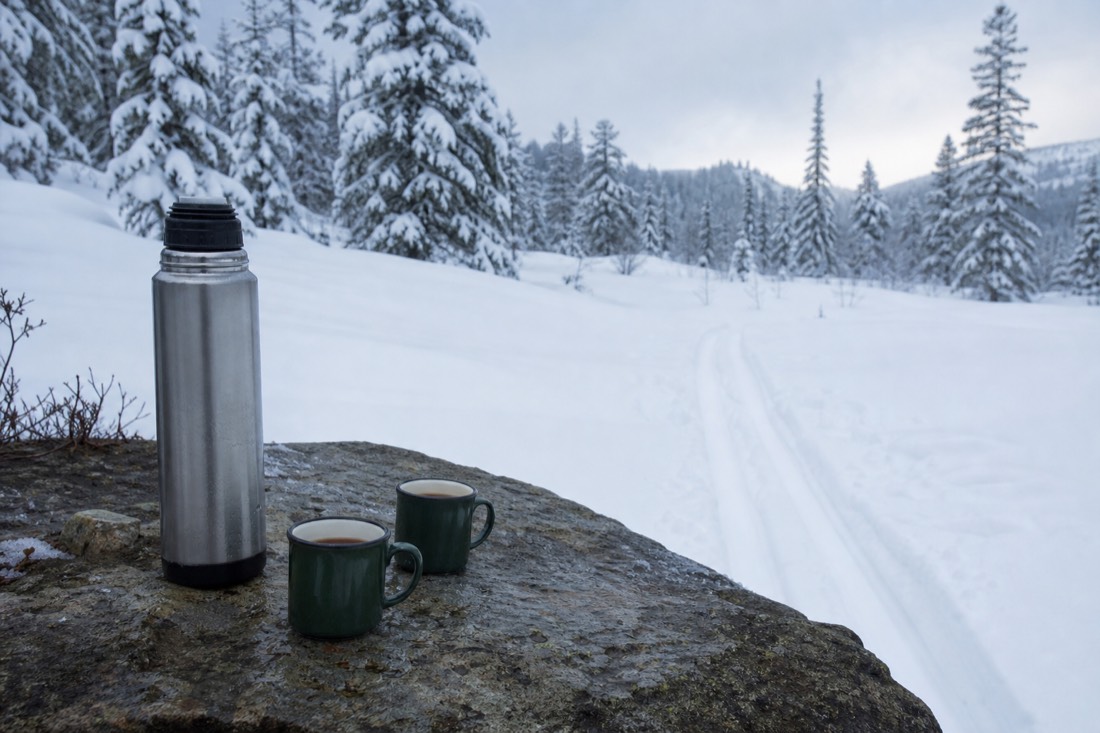
The practical version is unglamorous. A thermos, a packed lunch, a marked track from a bus stop, back by dinner. The culture assumes bad weather rather than tolerating it, which is why clothing is treated as equipment here and why our note on what to wear in Norway matters more than a packing list usually would.
It also explains the infrastructure. Marked trails, cabin networks and public access points exist because the demand is domestic and constant, not because tourism built them. That is good news for visitors: the paths up to Preikestolen and Trolltunga are maintained for people who use them fifty weekends a year, not just for the summer arrivals.
What Can Visitors Not Do Under The Right To Roam?
You cannot camp in gardens, farmyards or on cultivated ground, drive off-road, light forest fires between 15 April and 15 September, or stay in one spot beyond two nights without permission. The right covers access on foot, not unrestricted vehicle access or damage.
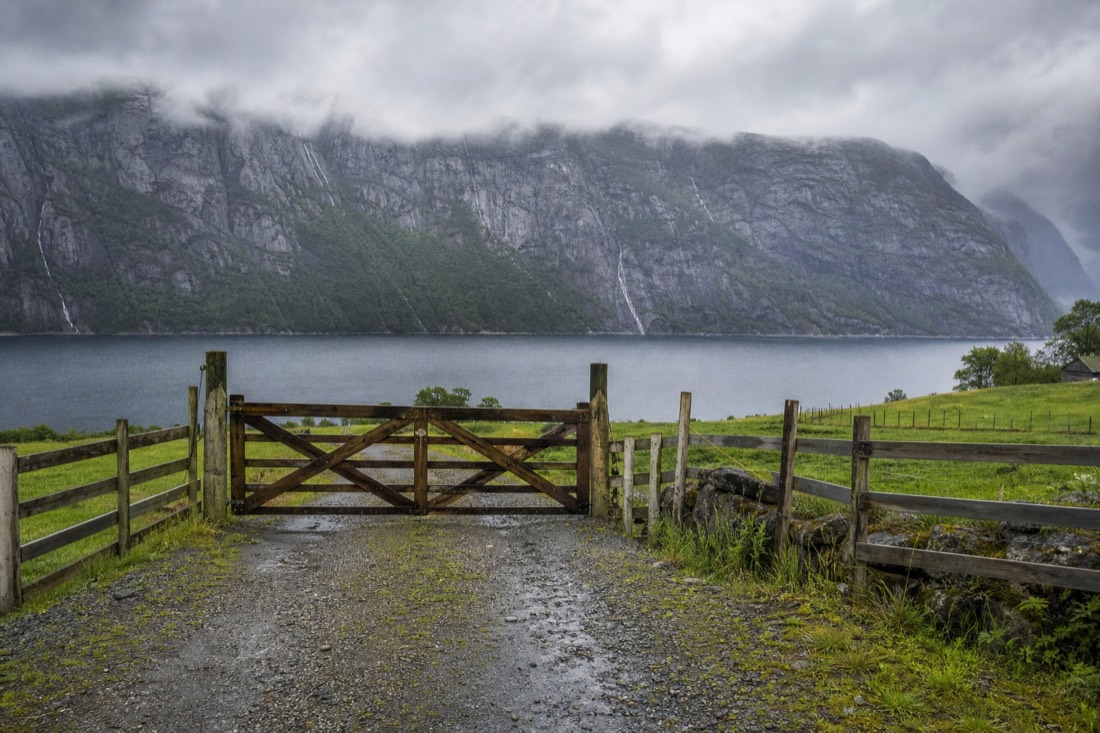
Motorhomes are where most confusion sits. The right to roam is a right of access on foot, so parking a camper overnight in a layby is a road-traffic and landowner question, not an allemannsretten question. Plenty of places tolerate it, some now actively do not, and the signage is the deciding factor. Anyone planning a Norway road trip should treat overnight parking as a separate topic from wild camping.
| Common assumption | The reality |
|---|---|
| I can camp anywhere | Uncultivated land only, 150 metres from any inhabited building |
| I can stay as long as I want | Two nights maximum without the landowner's permission |
| I can have a campfire | Not in or near forest between 15 April and 15 September |
| A camper van counts as camping | The right covers access on foot, not vehicles |
| It applies inside national parks identically | Protected areas may add their own restrictions |
| Drones are covered | They are not, and aviation rules apply separately |
What Are The Rules For Fires, Foraging And Fishing?
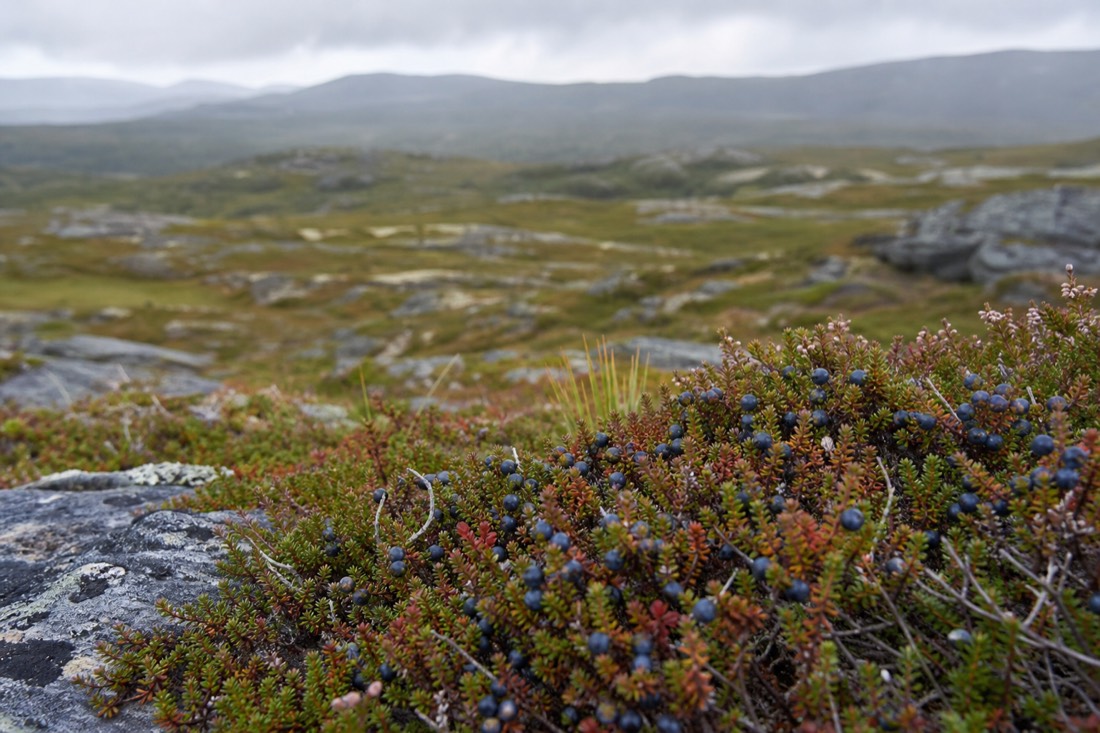
Berries, mushrooms and wildflowers are yours to pick on uncultivated land. Saltwater fishing often needs no licence, but species and area restrictions apply; parts of Oslofjord prohibit fishing. Open fires are prohibited in or near forest between 15 April and 15 September, which is exactly when most visitors want one.
Sea fishing in particular is worth knowing about, since a rod and a jetty are all that is required and the coast is long.
The right to roam extends well beyond walking and camping, and the details are more generous than visitors expect in some areas and stricter in others. The fire rule is the one that catches summer campers.
| Activity | The rule |
|---|---|
| Picking berries and mushrooms | Permitted on uncultivated land |
| Picking wildflowers | Permitted, with protected species excepted |
| Sea fishing with a rod | Usually licence-free; species and area restrictions apply |
| Freshwater fishing | Usually requires a licence and permission |
| Open fires | Not in or near forest, 15 April to 15 September |
| Cloudberries in the north | Special local restrictions can apply |
Foraging has its own quiet etiquette on top of the legal position. Picking for your own use is unremarkable; stripping a patch commercially is not, and in the north cloudberries carry specific local protections because they matter economically to the communities that harvest them.
The freshwater and sea fishing distinction surprises people. Check whether fishing is permitted at the exact location, including Oslofjord’s no-fishing zones; the same rod in a river or lake is a different legal situation entirely.
How Does The Right To Roam Apply To Campervans?
It largely does not. Allemannsretten covers travel on foot and tents on uncultivated land; it does not grant a vehicle the right to park and stay overnight wherever it likes. Motorhomes are governed by road and parking rules instead.
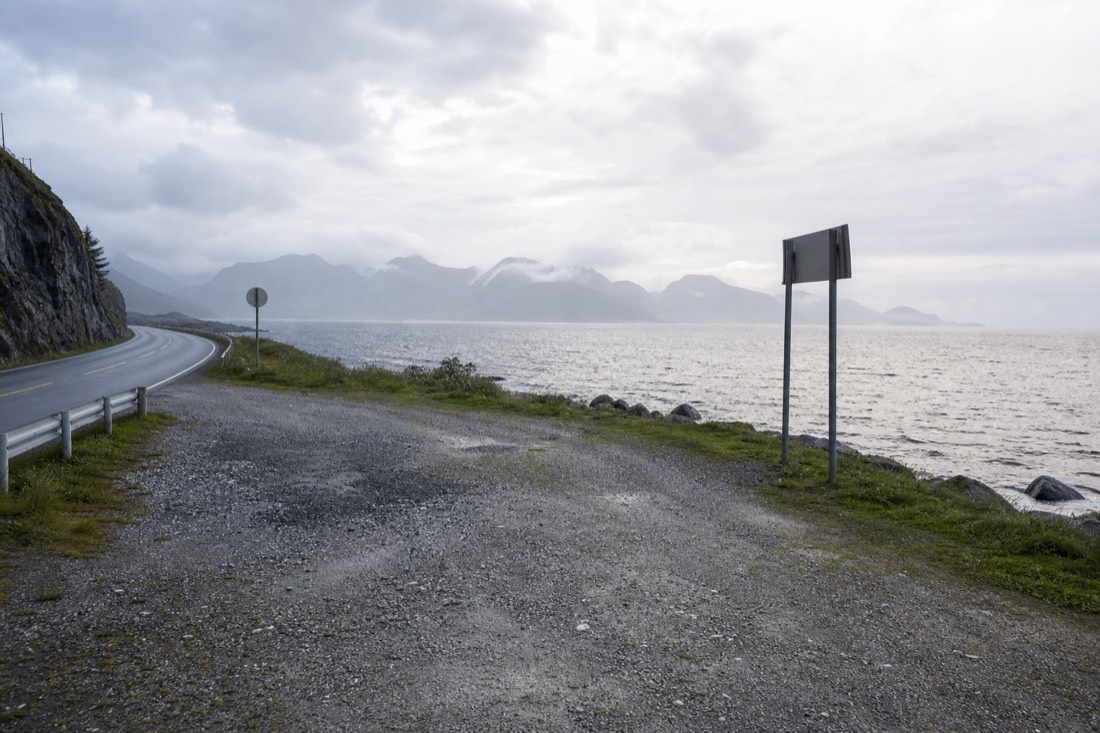
Norway has an extensive campsite network precisely because the vehicle question was never covered by the walking tradition, and using it is the straightforward answer.
This is the most common misunderstanding among visitors arriving with a van, and the assumption that a national right to roam extends to vehicles causes genuine friction in popular areas, particularly Lofoten.
| Tent on foot | Campervan | |
|---|---|---|
| Uncultivated land | Permitted, 150 m from dwellings | Not permitted off-road |
| Maximum stay | Two nights without permission | Governed by local parking rules |
| Where to stay legally | Open country | Campsites and designated areas |
| Popular areas | Generally tolerated | Increasingly restricted |
| Waste and facilities | Carry out everything | Use campsite facilities |
Local restrictions have tightened in the places under most pressure, and signage is the authority. If a sign prohibits overnight parking, allemannsretten does not override it.
How Is Any Of This Actually Enforced?
Mostly by social expectation rather than patrols. The right to roam works because Norwegians police it culturally: leaving no trace, keeping distance from homes, and taking waste out are treated as basic manners rather than regulations.
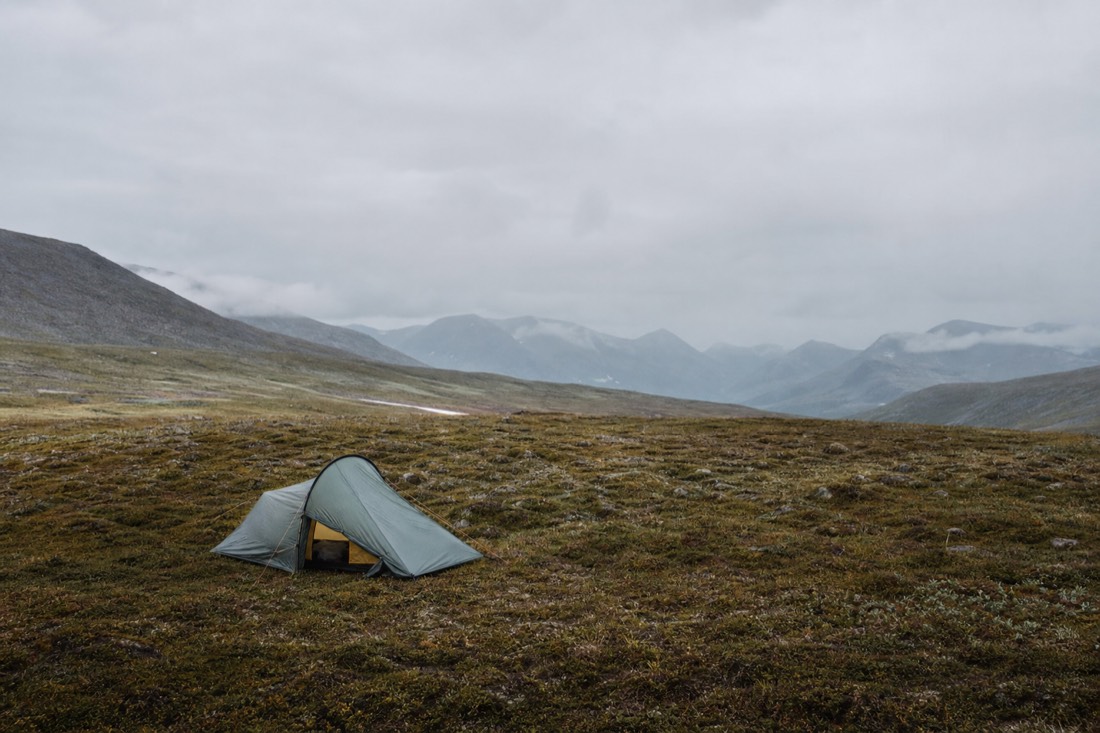
Norwegians will occasionally say something if they see a clear breach near a home or a farm, and that informal correction is essentially the enforcement mechanism.
Do not assume access rules are unenforced. The system depends on near-universal compliance, which is why visible breaches by visitors provoke a reaction out of proportion to any formal penalty, and why access rules have tightened where compliance dropped.
| Expectation | Why it matters |
|---|---|
| Leave no trace | The entire system rests on it |
| Keep 150 m from inhabited buildings | Privacy is the core of the bargain |
| Take all waste with you | There are no bins in open country |
| No fires in forest, 15 Apr to 15 Sep | Fire risk; strictly meant |
| Move on after two nights | Prevents de facto occupation |
| Close gates, avoid livestock and crops | Uncultivated land only |
Popular spots near roads and trailheads are where this matters most, and it is precisely those places that have seen local restrictions introduced in recent years.
The two-night limit is the rule most often misread as a technicality. It exists to prevent semi-permanent occupation of a spot, which is exactly what happened in some popular areas as visitor numbers rose, and it is the main reason access rules have tightened in places like Lofoten.
The practical consequence is straightforward: behave as though someone lives just over the ridge, because in Norway they often do, and the freedom you are using exists only because visitors before you did the same.
How Does This Compare With Other Countries?
It is far more generous than most. Sweden and Finland have similar traditions, Scotland has a comparable statutory right, and almost everywhere else treats open land as private by default. Norway's version is unusual in being both old and genuinely used.
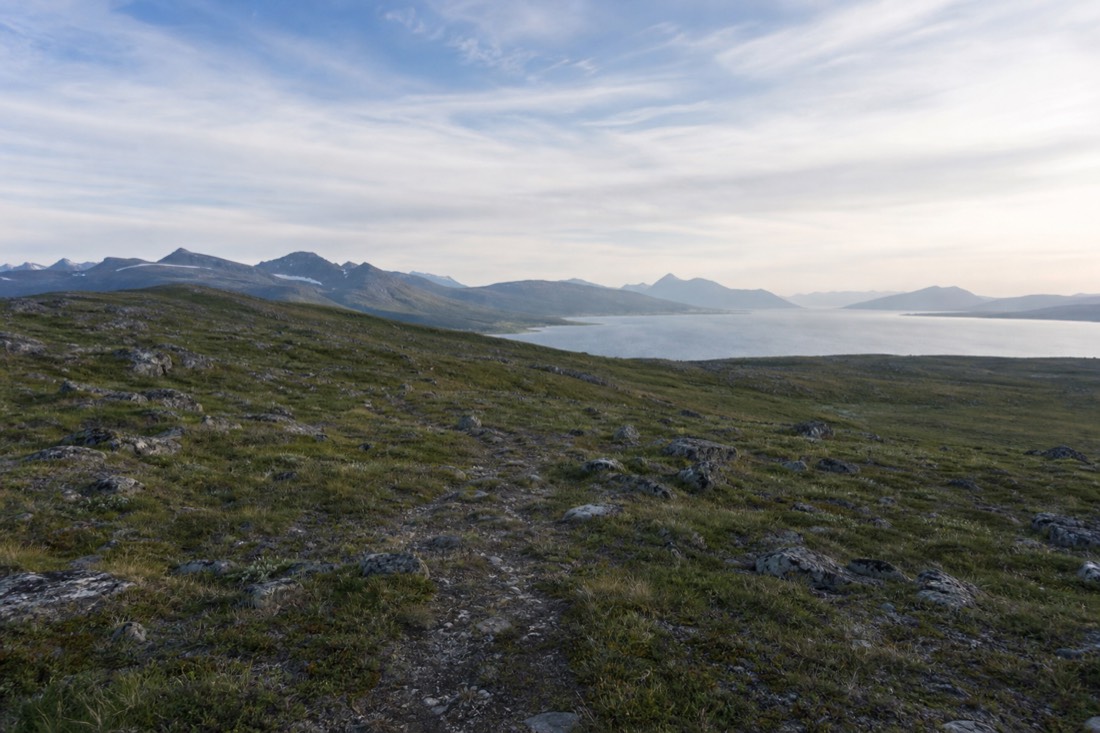
It also explains why the rules are so short. A tradition that everyone absorbs in childhood does not need to be written at length, which is exactly what makes it opaque to visitors encountering it for the first time.
Understanding how rare this is helps explain the etiquette around it. In countries where the right does not exist, visitors have no habits to bring; in Norway the expectations are unwritten precisely because everyone grew up with them.
| Country | Equivalent right |
|---|---|
| Norway | Allemannsretten; long-standing and codified |
| Sweden | Allemansrätten; very similar in practice |
| Finland | Jokamiehenoikeus; comparable |
| Scotland | Statutory right of responsible access |
| England and Wales | Limited; rights of way and access land only |
| Most of Europe and North America | No general right; land is private by default |
That default is genuinely unusual, and it is the single biggest reason outdoor travel here feels less constrained than almost anywhere else in Europe.
The practical difference for a visitor is that in Norway you rarely need to ask where you may walk. The default is that you may, subject to the rules for the activity; the 150-metre distance and two-night limit concern camping, not ordinary walking.
That default only survives because it is not abused. Norwegians treat the accompanying obligations as seriously as the freedom itself, which is the part worth importing along with the walking.
How Does The Right To Roam Work In Winter?
It still applies, and the two-night limit and distance rules do not change. What changes is the practical risk: snow hides the terrain you are camping on, avalanche danger becomes real in the mountains, and the fire restriction lifts outside the summer window.
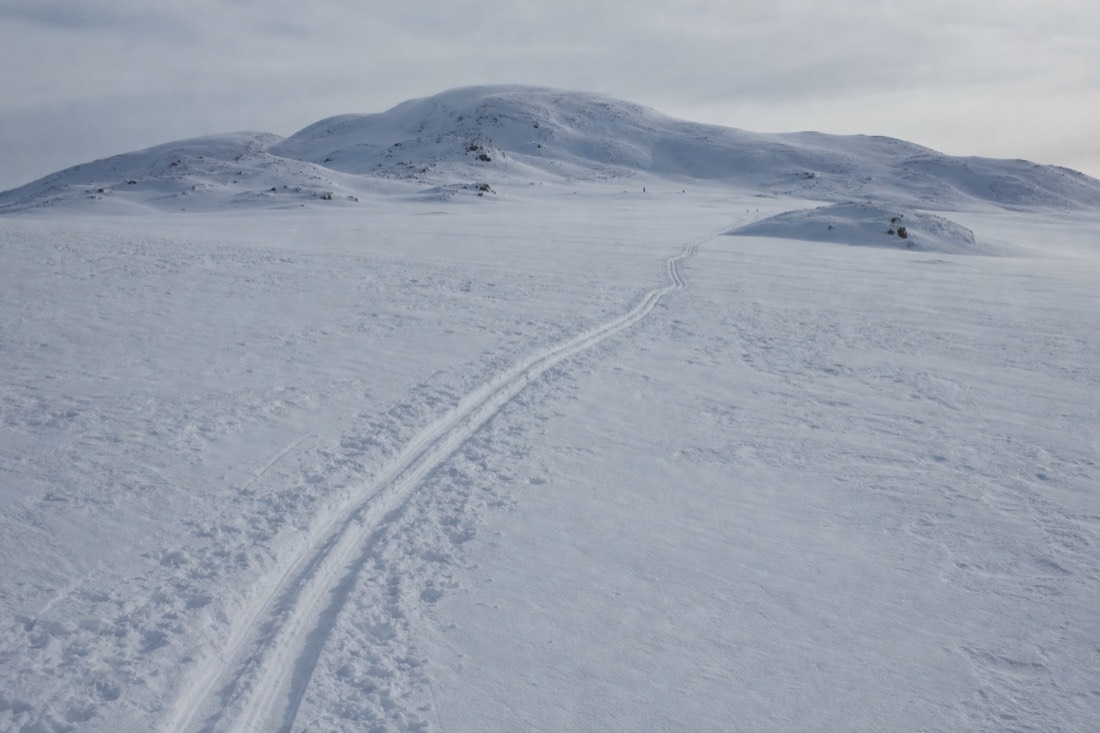
Winter camping under allemannsretten is a Norwegian tradition rather than an extreme sport, but it demands skills and equipment that summer wild camping does not. The legal position is the easy part.
| Summer | Winter | |
|---|---|---|
| Right to pitch | Uncultivated land, 150 m from dwellings | Unchanged |
| Two-night limit | Applies | Applies |
| Open fires | Prohibited in or near forest, 15 Apr to 15 Sep | General seasonal ban ends; fire risk and local bans still apply |
| Main hazard | Weather and midges | Cold, avalanche risk, hidden terrain |
| Skill required | Modest | Substantial |
| Snow shelters | Not applicable | Permitted, with real knowledge |
Daylight compounds it. A winter day walk that would take three comfortable hours in September has to fit inside a much shorter window of usable light, and turning back early is the normal response rather than a failure of planning.
Avalanche risk is the serious addition, and it is not intuitive to visitors from countries without mountains of this kind. Norwegian avalanche forecasts are published regionally and are the standard reference before any winter trip into the hills.
A guided winter outing solves the knowledge gap directly, and most Arctic operators run exactly this kind of short trip.
For most visitors the sensible winter version of allemannsretten is a day walk rather than a night out. The freedom to roam is fully intact; the margin for error is not.
How Does This Change A Normal Norway Trip?
More than you would expect, even if you never pitch a tent. Many uncultivated shorelines and paths are accessible, subject to privacy, protected-area and local restrictions, so the country stops feeling fenced. It also means the best free experiences are outdoors rather than ticketed.
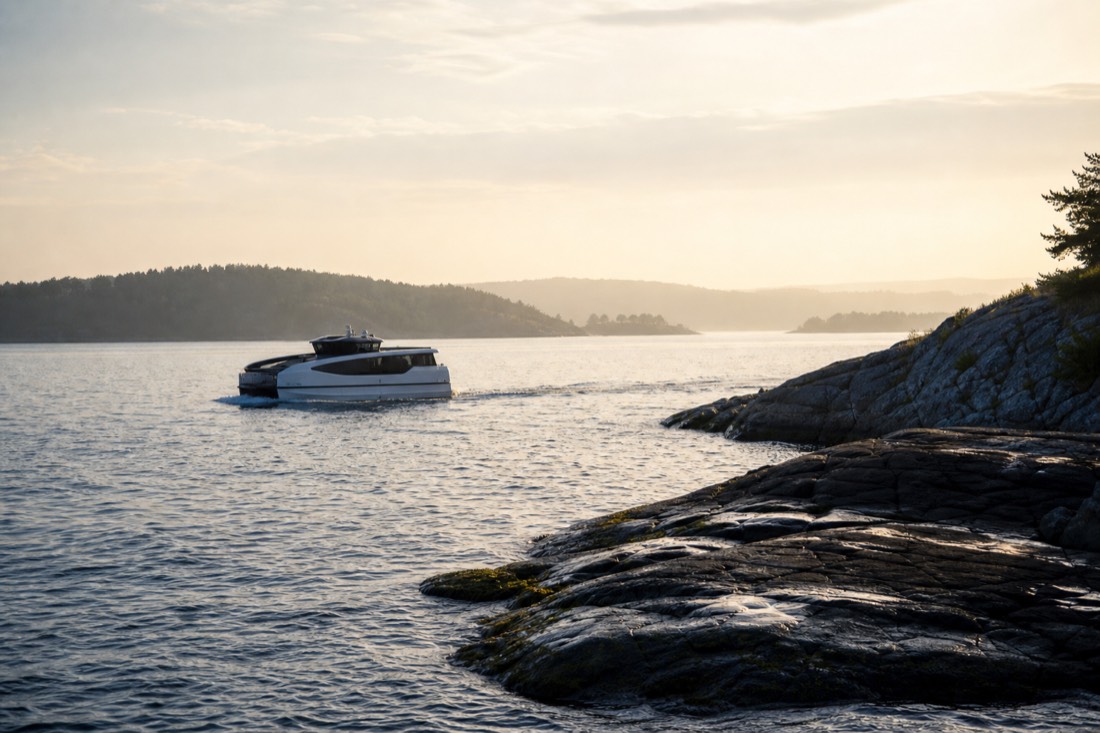
Related planning: Oslofjord and fjord sailings.
Weather is the one variable the law cannot help with, and it is the reason Norwegians check the forecast before they check the calendar. The Norwegian Meteorological Institute publishes the models the whole country reads, and it is worth opening the night before any plan that ends above the treeline. For a city break that leans on this culture without leaving the tram network, remember that Oslo's forests and fjord islands are reachable on an ordinary day pass.
The Norwegian fire authority explains the general fire ban and its narrow no-fire-risk exception. Local restrictions can be stricter. Check the Fisheries Directorate’s Oslofjord no-fishing areas before fishing there.
Choose Your Norway Experience
Cross-Country Ski Lesson for Beginners in Tromso. Learn cross-country skiing with an instructor, ski equipment and transport from central Tromsø. Have a date in mind? Check it before arranging the rest of your Norway trip.
3 hours. Ages 12+. Meet at Tromsø Outdoor, Fredrik Langes gate 14. Send your EU shoe size when booking. Winter clothing and hotel pickup are not included; inadequate snow may mean an alternative or refund.
Choose a date to see scheduled departures. Final availability and price are confirmed on Viator.
No verified experience fits those requirements. Adjust your choices, or keep the independent plan described above.
Compare Options And Fit Your Plans
General recommendation until you choose. Choose the city where the activity starts, not your arrival airport. Month filters describe the experience’s season, not confirmed departures. Allow travel to the meeting point as well as the listed duration. Confirm your exact option and access needs when booking.
- Guided hike to Pulpit Rock Preikestolen: 9 hours. Walk to Preikestolen with a local guide and transfers from Stavanger. Nine hours including transport. Stavanger hotel or Airbnb pickup is listed. Moderate fitness is required; bring your own lunch, water and hiking gear. A child fare alone does not establish hiking suitability.
- Stavanger Silent Lysefjord and Pulpit Rock Cruise by Hybrid Boat: 3 hours 30 minutes. See Preikestolen from below and cruise past Lysefjord waterfalls with an English-speaking guide. 3.5 hours from Strandkaien near Stavanger tourist information; arrive 15 minutes early. Lunch is excluded. The cruise does not take you onto the Preikestolen plateau.
- Tromsø Cross-Country Ski Adventure: 2 hours 30 minutes. Try cross-country skiing with a guide, skis, boots and poles at Charlottenlund. Ages 8+. Meet at Charlottenlund activity-park parking area. Hotel pickup is not included. Bring winter clothing and confirm snow conditions for your date.